
Amberley Castle
England · West Sussex — near Arundel · Near Arundel
Built 1103 · Medieval bishop's palace, from an 1103 timber hunting lodge through a c.1140 stone hall to a fully embattled and walled residence following an arrowslit licence to crenellate granted in 1377
This page is part of an independent travel guide and is not affiliated with, endorsed by, or operated by Amberley Castle.
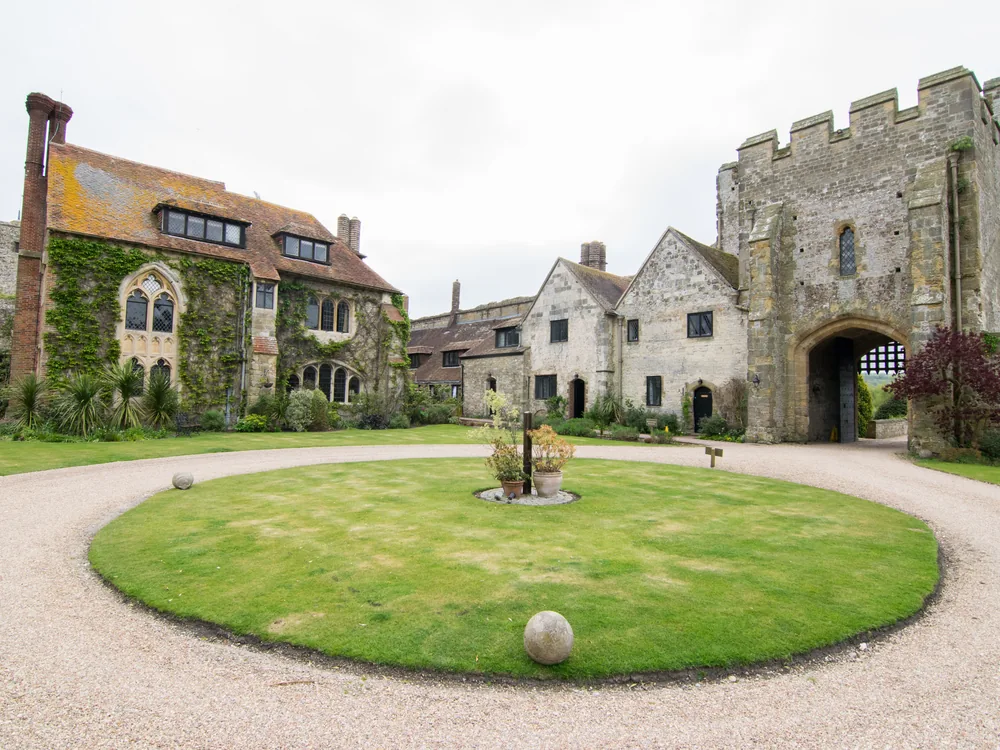
© Castles & Palaces
Quick Facts
- Rooms from
- £238 / night
- Hotel rating
- ★★★★ 4-Star Hotel
- Duration
- Afternoon tea or dining: 1–2 hours; overnight stay separately bookable
- Best time
- Year-round
- Nearest city
- Arundel
Stay Here
Amberley Castle - A Relais & Chateaux Hotel
★★★★ 4-Star HotelRooms are within the historic castle building itself
Booked via Booking.com · Cancellation terms vary by rate
Queen's Room and Great Room, daily afternoon tea open to non-residents — see Highlights above
Highlights
- ✦Origins in an 1103 timber hunting lodge built for Bishop Luffa of Chichester, replaced by a stone hall around 1140 and expanded around 1200 and again in the early 14th century as the Bishops of Chichester's 'Summer Palace'
- ✦A licence to crenellate granted in 1377 led to full fortification with walls and battlements between 1377 and 1382
- ✦In 1526, Henry VIII visited to seek Bishop Sherborne's counsel on his divorce from Catherine of Aragon
- ✦Surrendered to Parliament in 1644 during the Civil War and partially slighted — the walls lowered and the Great Hall's roof removed
- ✦A hotel since 1988–89, a Relais & Châteaux member since 2004, part of the Brownsword Hotels/Gidleigh Collection since 2011, with award-winning gardens and an 18-hole putting green
Stay in the castle itself
Book a room via Booking.com
Amberley Castle stands in the West Sussex village of the same name, near Arundel, and its documented history reaches back further than almost any other property in the Castle Hotels collection: the site began as a timber hunting lodge built in 1103 for Bishop Luffa of Chichester, one of the earliest recorded structures on the ground. That timber lodge was replaced by a stone hall around 1140, and the residence continued to grow in stages — expanded further around 1200 and again in the early 14th century — as it developed into what became known as the 'Summer Palace' of the Bishops of Chichester, a working ecclesiastical residence rather than a purely defensive stronghold for most of its early life.
Amberley's transformation into a genuinely fortified castle came relatively late in its medieval development. A licence to crenellate — royal permission to add battlements and defensive features, a formal legal requirement in medieval England — was granted in 1377, and the resulting fortification work between 1377 and 1382 gave the palace its walls and embattled profile. This sequence, from unfortified ecclesiastical residence to licensed fortress, is a genuinely well-documented example of how English castle architecture often responded to specific royal permissions rather than purely ad hoc building.
The castle's most notable royal association came in 1526, when Henry VIII visited Amberley specifically to seek the counsel of Bishop Sherborne on the matter of his divorce from Catherine of Aragon — a visit that places Amberley directly within the diplomatic and religious manoeuvring that would eventually lead to the English Reformation. Sherborne died in 1536 as the last bishop to reside at Amberley, and the castle was subsequently let to a succession of tenants rather than continuing as an episcopal residence. Its fortifications saw genuine use during the English Civil War: Amberley surrendered to Parliamentary forces in 1644 and was partially slighted, with its walls lowered and the roof removed from the Great Hall — a common fate for royalist-associated fortifications during and after the conflict, intended to prevent their future military use.
Amberley's modern identity as a hotel began in 1988–89 under Joy and Martin Cummings, and the property has continued to accumulate prestigious hospitality recognition since: it became a member of Relais & Châteaux in 2004, and joined Brownsword Hotels, part of the Gidleigh Collection, in 2011. The castle's award-winning gardens and 18-hole putting green add a distinctly leisure-oriented dimension to a site with such deep ecclesiastical and royal history, and the surrounding grounds have become a destination in their own right for guests and visitors alike.
For day visitors, Amberley's Queen's Room — a genuine 12th-century hall — and the Great Room welcome non-residents for dining and drinks, with reservation recommended given the property's intimate scale. Afternoon tea is served daily from 12:30 to 4pm, with several tiers available from £50 to £80 per person depending on the option chosen, including versions served with champagne. This combination of a working medieval hall, a nine-century documented history, and a genuinely accessible daily dining offer makes Amberley one of the more historically substantial non-resident dining experiences among England's castle-hotels.
The South Downs National Park surrounds Amberley on all sides, and the village itself, with its thatched cottages and position beside the River Arun, is regularly counted among the most picturesque in West Sussex. The castle's walls, still substantially intact along much of their circuit despite the Civil War slighting, remain a defining feature of the village skyline, giving visitors arriving by road or on foot from the nearby South Downs Way a dramatic first impression of the fortified palace long before reaching the entrance itself.
History
Amberley Castle's site began as a timber hunting lodge built in 1103 for Bishop Luffa of Chichester, replaced by a stone hall around 1140 and expanded around 1200 and again in the early 14th century as the Bishops of Chichester's 'Summer Palace.' A licence to crenellate granted in 1377 led to full fortification between 1377 and 1382. In 1526, Henry VIII visited to seek Bishop Sherborne's counsel on his divorce from Catherine of Aragon; Sherborne died in 1536 as the last resident bishop, after which the castle was let to tenants. Amberley surrendered to Parliament in 1644 during the Civil War and was partially slighted. The castle has operated as a hotel since 1988–89, becoming a Relais & Châteaux member in 2004 and joining Brownsword Hotels' Gidleigh Collection in 2011.
How to Stay
Getting there: Amberley, West Sussex, about 90 minutes from London.
Rooms & rates: All 19 individually designed bedrooms, each named after a Sussex castle, are within the walls of the 900-year-old fortified castle itself.
On-site: Queen's Room and Great Room dining, daily afternoon tea, gardens within the curtain walls.
Good to know: A genuinely single-structure property — every bedroom sits inside the same medieval curtain-walled castle.
Combine with: Arundel Castle, about 20 minutes away.
Frequently Asked Questions
Yes. The Queen's Room, a genuine 12th-century hall, and the Great Room welcome non-residents for meals and drinks, with reservation recommended. Afternoon tea is served daily from 12:30 to 4pm, with options ranging from £50 to £80 per person, including champagne variants.
Location
Amberley, Arundel, West Sussex BN18 9ND, England
Nearby Castles
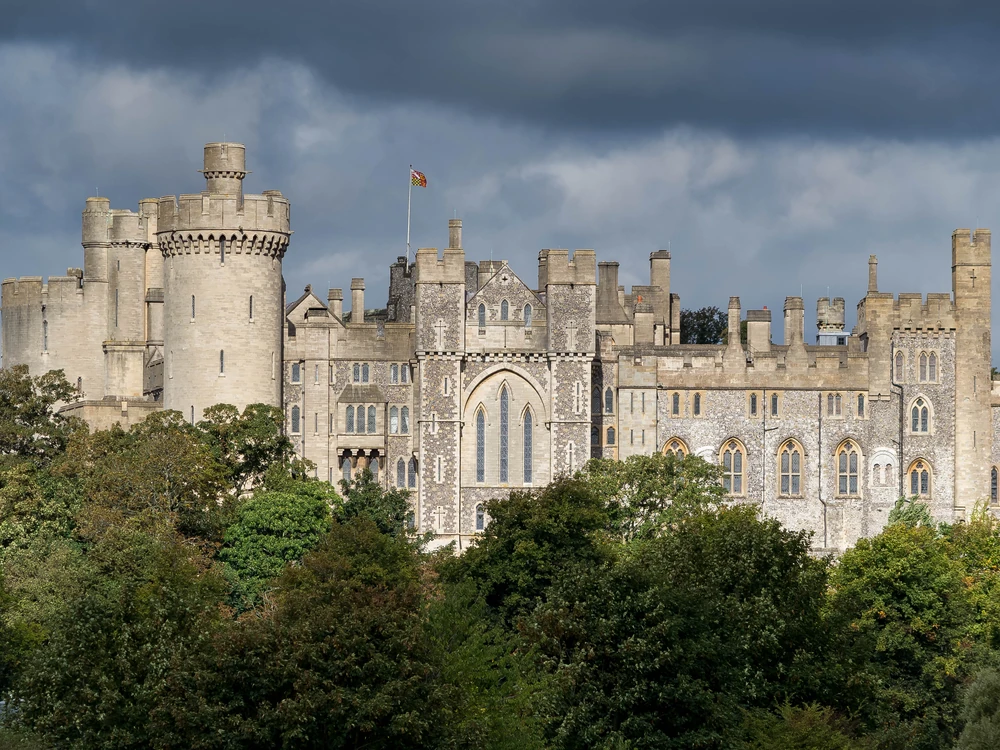
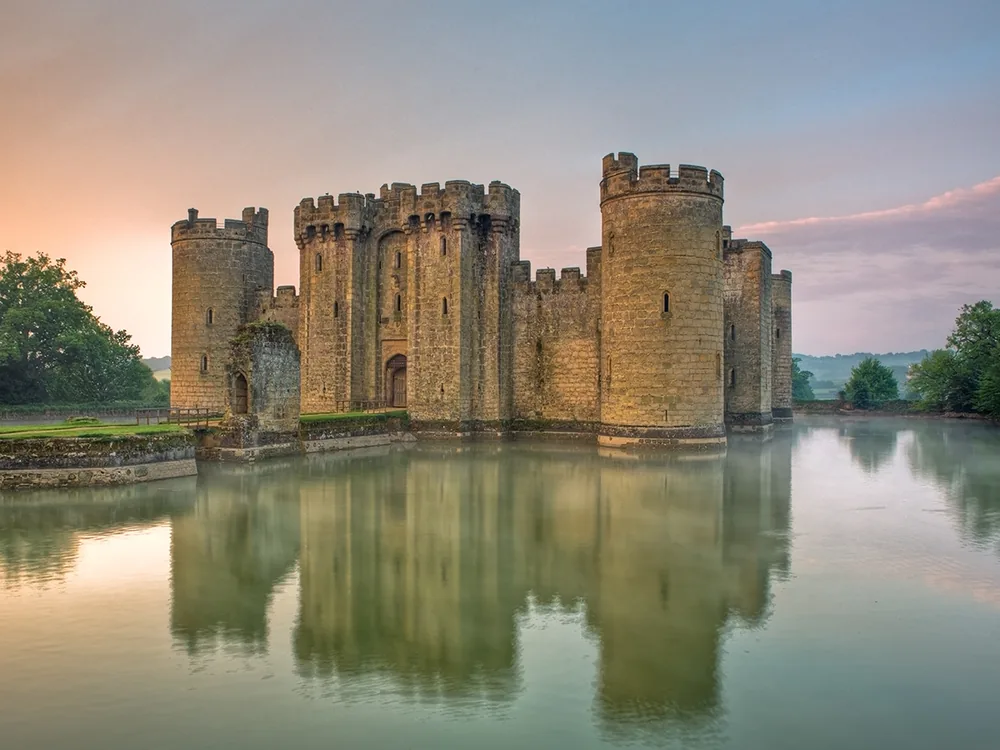
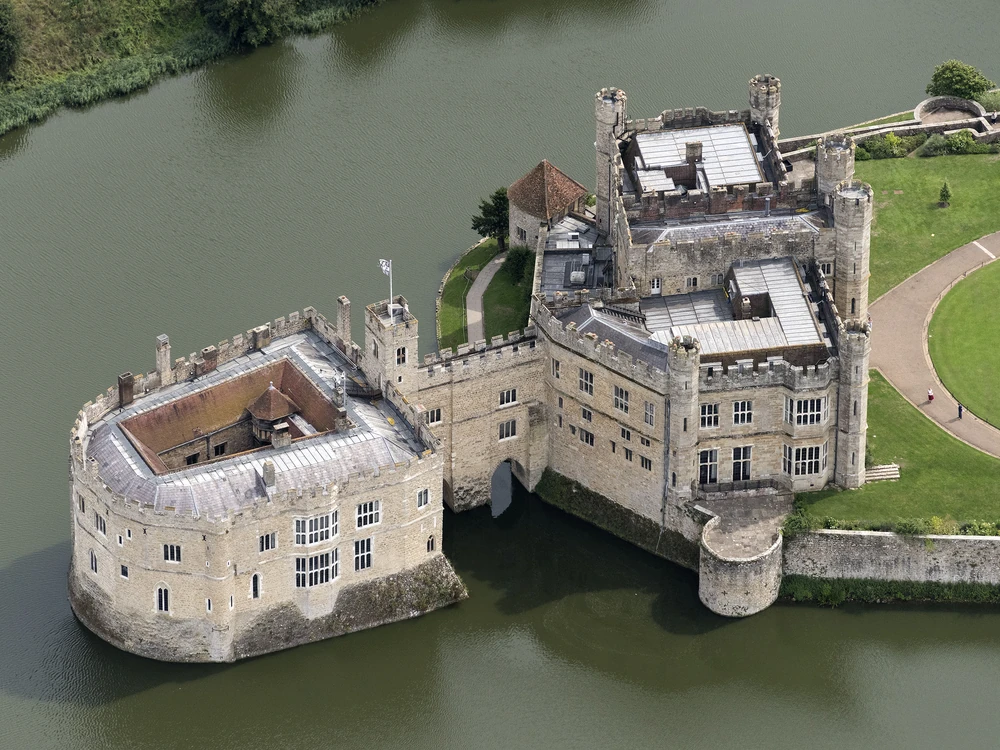
Rooms from
£238/ night