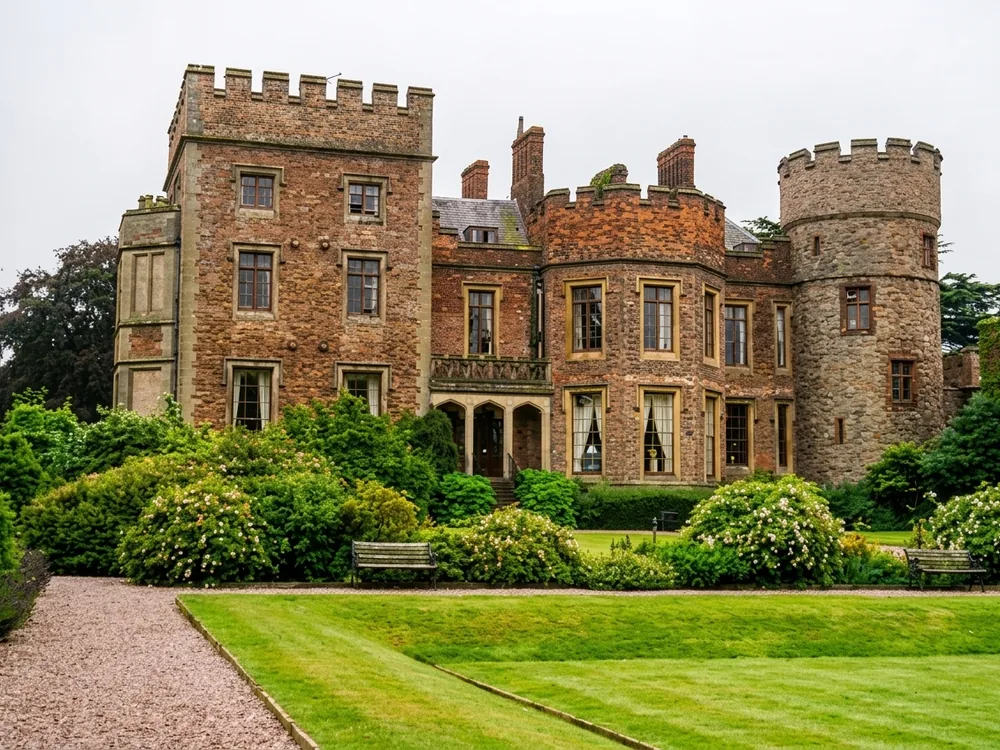
Rowton Castle
England · Shropshire — near Shrewsbury · Near Shrewsbury
Built 1600 · 17th-century Grade II listed house, possibly with a Tudor core, rebuilt on the site of a 12th-century residence destroyed during Welsh Marches border raids
This page is part of an independent travel guide and is not affiliated with, endorsed by, or operated by Rowton Castle.
© Castles & Palaces
Quick Facts
- Rooms from
- £101 / night
- Hotel rating
- 4-Star Hotel
- Duration
- Restaurant lunch: 1–2 hours; overnight stay separately bookable
- Best time
- Year-round
- Nearest city
- Shrewsbury
Stay Here
Rowton Castle
4-Star HotelBooked via Booking.com · Free cancellation on most rates
Open to day visitors without booking a room — see How to Visit below.
Highlights
- ✦First recorded as a residence in the 12th century; the original castle was destroyed during Welsh raids along the contested Welsh Marches border
- ✦Rebuilt with Shrewsbury merchant William Lyster installed as Lord of the Manor; the Lyster family held the estate for almost 400 years, from 1463 to 1889
- ✦After Lady Charlotte Lyster died in 1889, the estate passed to her sister's son, who took the title Lord Rowton upon being made a peer
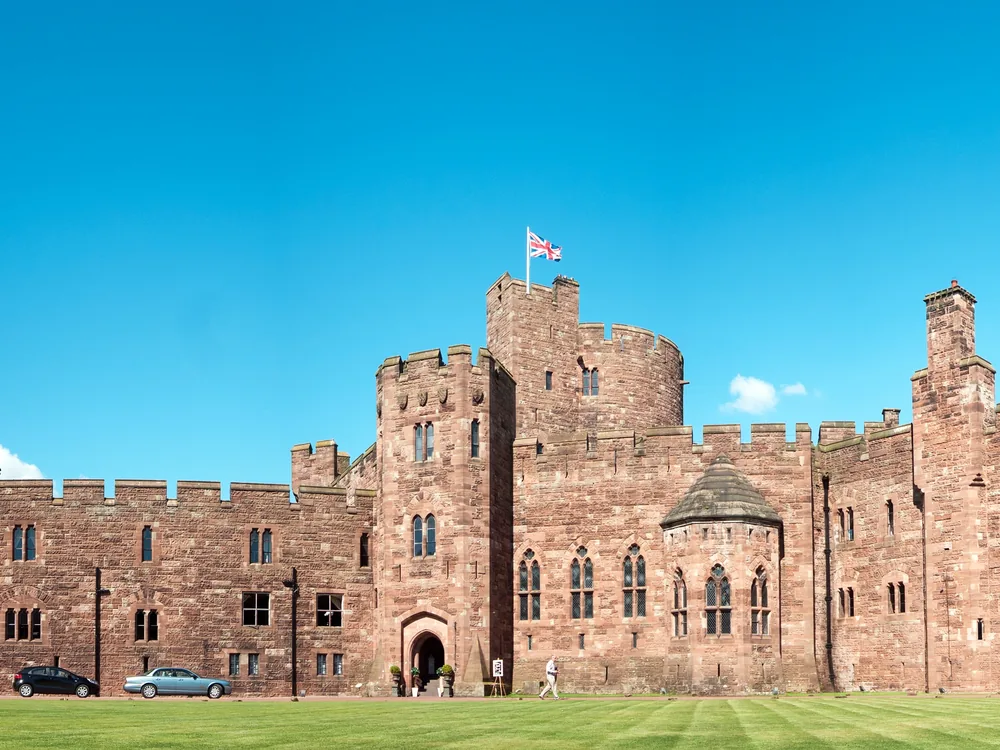
- ✦The present building dates to the 17th century, Grade II listed, possibly with a Tudor-era core; sold in 1941 to the Royal National College for the Blind
- ✦Converted from ruin into a luxury hotel beginning in 1986, opening in 1989
Stay in the castle itself
Book a room via Booking.com
Rowton Castle stands near Halfway House along the Welsh Marches, the historically contested borderland between England and Wales, a short distance from Shrewsbury in Shropshire. The site's use as a residence is first recorded in the 12th century, but that early structure did not survive the periodic violence typical of the Marches: it was destroyed during Welsh raids, part of the centuries-long pattern of cross-border conflict that shaped so much of Shropshire and the wider borderland's castle-building history.
The estate was rebuilt with Shrewsbury merchant William Lyster installed as Lord of the Manor, and the Lyster family went on to hold Rowton for an extraordinarily long single-family tenure — nearly four centuries, from 1463 until 1889. Few properties in this collection can claim continuous family ownership spanning such a length of time, and the Lyster name effectively defines Rowton's identity through most of its documented post-medieval history.
That long tenure ended with the death of Lady Charlotte Lyster in 1889, when the estate passed to her sister's son. Upon later being made a peer, he took the title Lord Rowton — adopting the estate's own name for his new peerage, a reversal of the more common pattern where a family name gives a place its title rather than the other way around. The building itself dates to the 17th century in its present form, holding Grade II listed status, with some evidence suggesting a possible Tudor-era core beneath the later construction. Rowton's 20th-century history took an unexpected institutional turn when it was sold in 1941 to the Royal National College for the Blind, a role considerably removed from its earlier identity as an aristocratic family seat.
Rowton's transformation into a hotel began in 1986, when work started on converting the by-then ruined building into a luxury property, culminating in its opening as a hotel in 1989. That restoration returned Rowton to active use after a period of decline, giving the Shropshire countryside a working historic hotel rather than a fading institutional building or an abandoned ruin.
Today Rowton's restaurant is open to both hotel guests and non-residents, with lunch service running Tuesday to Saturday from noon to 2pm — a straightforward and clearly stated policy, with one practical caveat worth knowing in advance: lunch service is not available on dates when a wedding is scheduled at the property, given how significant a role weddings and events play in Rowton's current business. For visitors exploring Shrewsbury, the Welsh Marches, or the wider Shropshire countryside, Rowton offers a chance to dine within a genuinely long-held Marches estate, in a building whose very name eventually became a hereditary title in its own right.
The Welsh Marches themselves remain one of England's more historically dense but comparatively under-visited borderland regions, dotted with the fortified manor houses, motte-and-bailey mounds and later country estates that accumulated across centuries of shifting Anglo-Welsh conflict and eventual peaceful settlement. Rowton's own history, from a destroyed 12th-century residence through nearly four centuries under one family to its eventual rebirth as a hotel, is in many ways a representative microcosm of how this borderland's estates evolved once the frontier itself stopped being genuinely contested ground.
History
Rowton Castle's site was first recorded as a residence in the 12th century, before the original structure was destroyed during Welsh raids along the Welsh Marches border. The estate was rebuilt with Shrewsbury merchant William Lyster installed as Lord of the Manor, and the Lyster family held it for almost 400 years, from 1463 to 1889. After Lady Charlotte Lyster's death in 1889, the estate passed to her sister's son, who took the title Lord Rowton upon being made a peer. The present 17th-century building, Grade II listed, was sold in 1941 to the Royal National College for the Blind, before being converted from ruin into a luxury hotel beginning in 1986 and opening in 1989.
Frequently Asked Questions
Yes. The restaurant is open to both hotel guests and non-residents for lunch, served Tuesday to Saturday from noon to 2pm. Lunch service is not available on dates when a wedding is scheduled at the property, so checking ahead is recommended if dining is the main purpose of your visit.
Location
Halfway House, Shrewsbury, Shropshire SY5 9EP, England
Nearby Castles
Rooms from
£101/ night