
Schönhausen Palace
Schloss Schönhausen
Germany · Berlin — Pankow district (Niederschönhausen), north of the city centre · Near Berlin
Built 1690 · Baroque, begun 1685–1690, rebuilt and expanded from 1691 by Johann Arnold Nering and Eosander von Göthe for Elector Frederick III of Brandenburg; Rococo interiors added in the 18th century; restored and reopened 2009
This page is part of an independent travel guide and is not affiliated with, endorsed by, or operated by Schönhausen Palace.
© Castles & Palaces
Quick Facts
- Hours
- Daily Palace museum — verify current hours at spsg.de
- Tour from
- €30
- Duration
- 1–1.5 hours for museum visit; concert length for concert events
- Best time
- Year-round
- Nearest city
- Berlin
Featured Tour
Berlin: Classical Concerts at Schönhausen Palace
Cancellation available · Instant confirmation
Highlights
- ✦Summer residence of Queen Elisabeth Christine, wife of Frederick the Great, for 57 years (1740–1797) — an under-told story of a queen who lived out her court life largely estranged from Frederick's intellectual Sanssouci circle, making Schönhausen her own domain across half a century
- ✦Between 1938 and 1940 the Nazi regime stored and brokered the international sale of approximately 3,750 confiscated modern artworks here — works seized in the 'Degenerate Art' campaign that stripped German museums of Expressionism, Dada, and New Objectivity; Schönhausen was the staging post for their dispersal
- ✦One of the only palaces in central Berlin to survive WWII almost entirely undamaged — while the city centre burned, Pankow's residential character kept Schönhausen's fabric intact
- ✦First residence of the GDR's first president, Wilhelm Pieck (1949–1960), then seat of the State Council's official guest house — the palace hosted Khrushchev, Nasser, and Ho Chi Minh among others during the Cold War
- ✦Managed by the Prussian Palaces and Gardens Foundation Berlin-Brandenburg since reunification, thoroughly restored and reopened to the public in 2009
Skip the queue with a guided tour
Skip-the-line tickets & expert guides
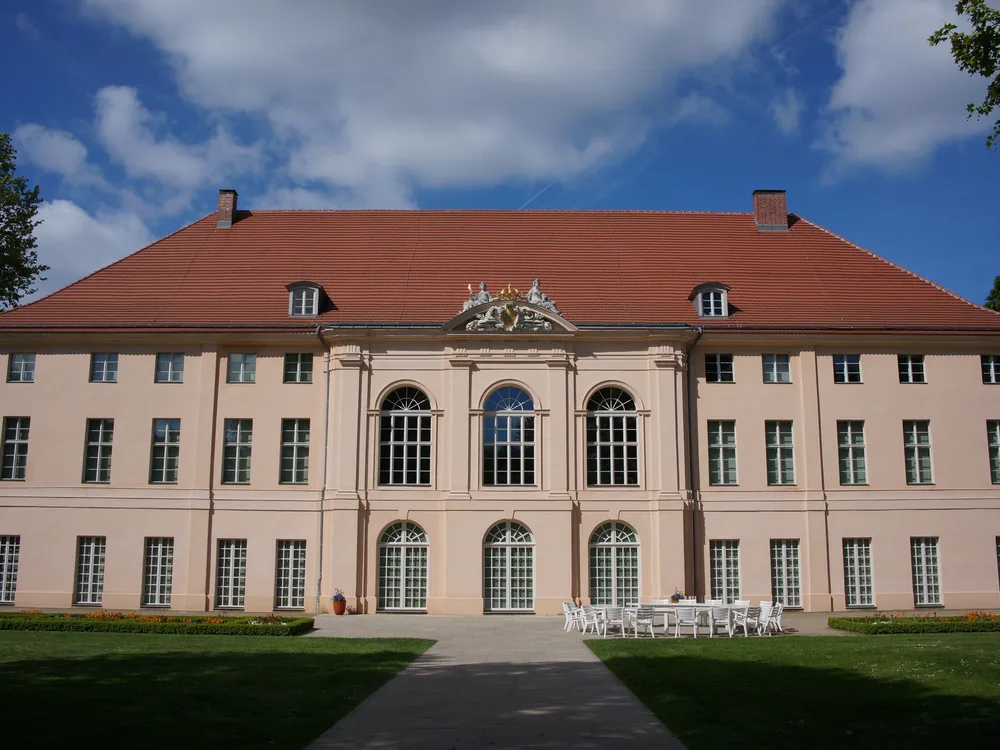
The village of Niederschönhausen appears in the records as early as 1375, by which point it was already old enough to bear the name of the older, higher settlement it distinguished itself from. The Baroque palace that stands there today began taking shape in 1685, built on an estate north of the city, and was expanded from 1691 by Elector Frederick III of Brandenburg — the man who in 1701 would crown himself the first King of Prussia. His architects, Johann Arnold Nering and Eosander von Göthe, the same pair who shaped Charlottenburg, rebuilt the modest landowner's house into a palace fit for a court on the ascent.
The most consequential chapter in Schönhausen's history is also the least-known in anglophone writing: the 57 years during which Queen Elisabeth Christine, wife of Frederick the Great, made it her primary residence. Frederick moved to Sanssouci in Potsdam; Elisabeth Christine remained at Schönhausen. From Frederick's accession in 1740 until her death in 1797, the palace was her domain — the home of a queen who built an independent court life in Pankow while the glittering intellectual world of Frederick's Prussia largely turned away from her. The Rococo interiors she commissioned in the mid-18th century transformed the 17th-century Baroque fabric into something distinctly her own, and gave the building much of its present interior character.
The 20th century subjected Schönhausen to a sequence of violent turns. Between 1938 and 1940, the Nazi regime used the palace as the primary staging post for the international sale of approximately 3,750 works confiscated in the Entartete Kunst campaign — the systematic stripping of German museums of Expressionist, Dadaist, and New Objectivist art considered incompatible with the state's cultural program. Dealers from Zurich, Lucerne, and New York came to Schönhausen to purchase works that had been removed from public institutions across Germany. The palace survived the Second World War structurally intact, a rare fate in Berlin, and in 1949 became the first official residence of the GDR's first president, Wilhelm Pieck.
During the Cold War, Schönhausen served as the State Council's official guest house, receiving Nikita Khrushchev, Gamal Abdel Nasser, and Ho Chi Minh among others. After reunification the palace passed to the Prussian Palaces and Gardens Foundation Berlin-Brandenburg, was thoroughly restored, and reopened to the public in 2009. Visitors today can experience the palace through a museum visit covering all its historical layers — or through a separate classical concert series that offers a different way into the building's interior at its most atmospheric.
History
The village of Niederschönhausen is first recorded in 1375, and the estate that would become Schönhausen Palace was developed on that long-settled site from 1685. Elector Frederick III of Brandenburg commissioned a Baroque expansion beginning in 1691, employing Johann Arnold Nering and Eosander von Göthe — the same architects working concurrently on Charlottenburg — to rebuild the modest landowner's house into a palace fitting a dynasty advancing toward kingship. After Hohenzollern ownership was established, Schönhausen became most closely associated with Queen Elisabeth Christine, wife of Frederick the Great, who made it her primary residence for the 57 years from Frederick's accession in 1740 until her death in 1797. The Rococo additions she commissioned to the interior gave the palace much of its present character. After the fall of the Hohenzollern dynasty in 1918 the palace entered a sequence of radically different uses: between 1938 and 1940 the Nazi regime stored and arranged the international sale of approximately 3,750 confiscated works from the Entartete Kunst campaign here, before the palace survived Berlin's wartime bombing structurally intact. From 1949 it served as the residence of GDR president Wilhelm Pieck and subsequently as the State Council's official guest house, hosting Khrushchev, Nasser, and Ho Chi Minh during the Cold War years. Reunification returned it to the Prussian Palaces and Gardens Foundation, and a restoration completed in 2009 opened it to the public for the first time in decades.
How to Visit
Getting there: Schönhausen Palace is in Pankow (Niederschönhausen), approximately 8 km north of Berlin Mitte. Take the U2 U-Bahn to Pankow, then tram M1 to Schönhausen Allee or Tschaikowskistraße — approximately 25 minutes from Alexanderplatz in total. By car, the palace is on Tschaikowskistraße in Pankow, with parking available on the surrounding streets.
Tickets: General museum admission is approximately €8 adult, €4 child — verify current prices and opening hours at spsg.de before visiting. The palace park is free to enter at all times. The GetYourGuide classical concert ticket — a classical concert in Schönhausen's historic halls, with the specific concert date and program listed on the GetYourGuide page at time of booking — provides a separate way to experience the interior rooms at their most atmospheric; pull the current 2026 concert date from the live listing before planning. Book concert tickets in advance.
Practical tips: The palace park is worth the visit even without a museum ticket — the formal garden and the palace exterior can be appreciated freely on any day. The museum interior's permanent exhibition covers all the building's historical layers: the Hohenzollern Baroque and Rococo period, the Elisabeth Christine chapter, the Nazi Degenerate Art use, and the Cold War diplomatic role. If visiting primarily for the concert, check dress code and arrival requirements on the listing.
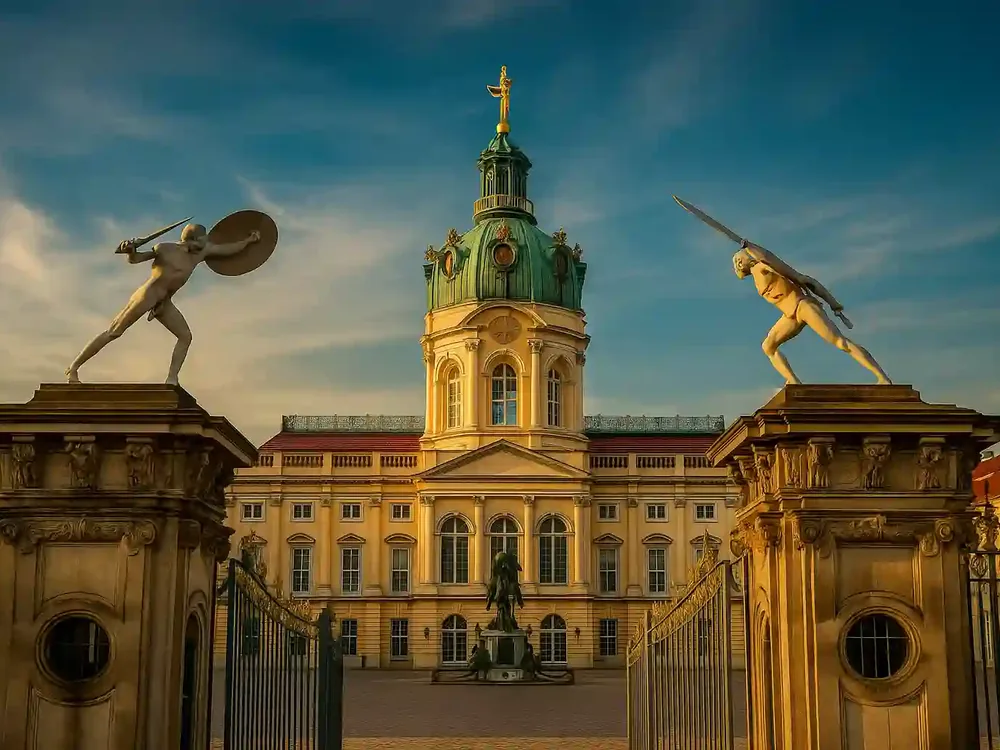
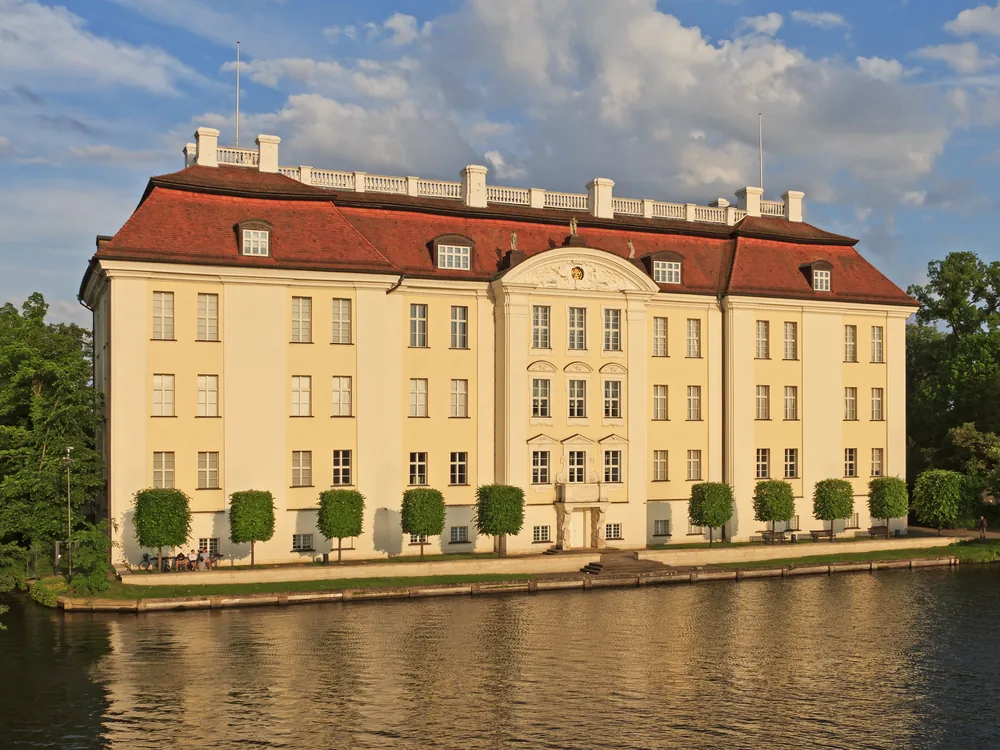
Combine with: Charlottenburg Palace (12 km southwest — Berlin's most famous Baroque palace, the ancestral Hohenzollern residence in the city, with state apartments and the Schinkel Pavilion) and Palace of Köpenick (20 km southeast — the water palace on a Spree island, housing the Kunstgewerbemuseum's Baroque decorative arts collection and famous for the 1906 'Captain of Köpenick' incident).
Frequently Asked Questions
The palace's most significant long-term resident was Queen Elisabeth Christine, wife of Frederick the Great, who lived here for 57 years from 1740 until her death in 1797 — largely estranged from Frederick's court at Sanssouci. In the 20th century, GDR president Wilhelm Pieck lived here from 1949 to 1960, and the palace subsequently hosted Cold War state guests including Khrushchev, Nasser, and Ho Chi Minh.
Location
Tschaikowskistraße 1, 13156 Berlin, Germany
Nearby Castles
Tours & Tickets
Powered by GetYourGuide
From
€30/ person