
Abrantes Fortress
Castelo de Abrantes
Portugal · Ribatejo — Abrantes, Santarém District, Central Portugal, on the Tagus River · Near Abrantes
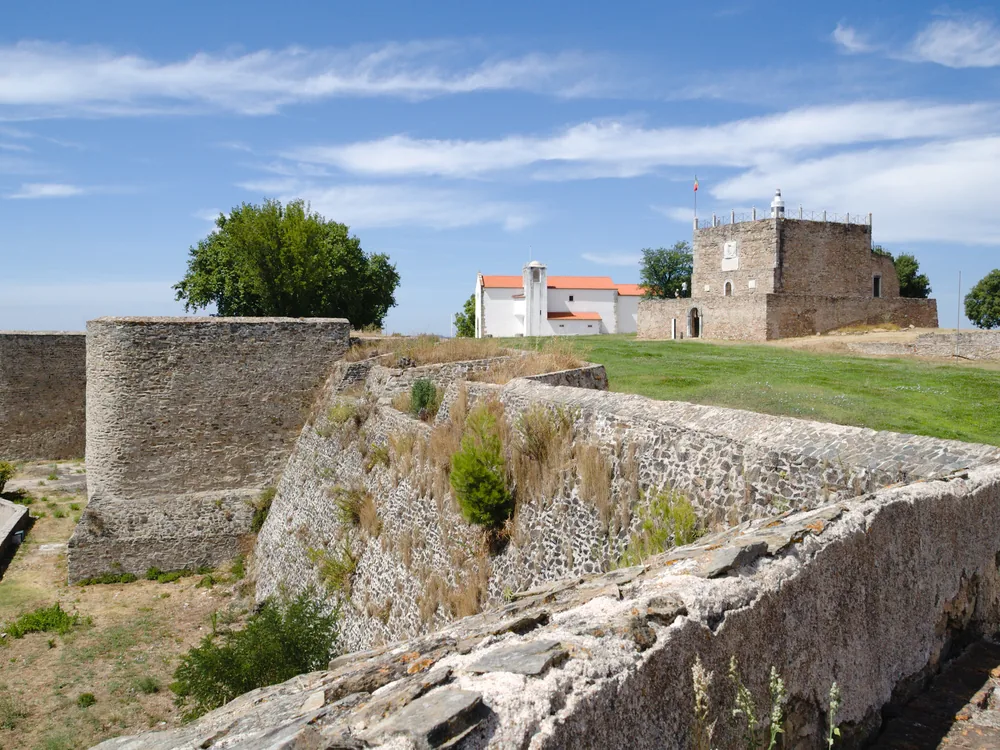
Built 1148 · Medieval castle and fortress complex, Reconquista period with later modifications — the hilltop fortification at Abrantes controls the principal crossing point of the Tagus River between Lisbon and Spain; first Christian fortification built after the reconquest from the Moors by Afonso Henriques in 1148; expanded and reinforced across the medieval period by successive Portuguese kings, particularly during the 13th and 14th centuries, into a significant defensive complex with keep, curtain walls, and towers; the existing castle enclosure and surviving towers date primarily from the 13th–14th century construction phases; the strategic position — a hilltop directly above the Tagus, commanding a wide river crossing — made Abrantes one of the most important defensive positions in the Portuguese Ribatejo throughout the medieval and early modern periods; the fortress became one of the strongest positions in Wellington's defensive Lines of Torres Vedras network during the Napoleonic Wars
This page is part of an independent travel guide and is not affiliated with, endorsed by, or operated by Abrantes Fortress.
© Castles & Palaces
Quick Facts
- Hours
- Daily 09:00–17:30
- Guided tour from
- €235
- Duration
- 1–1.5 hours (castle circuit including keep, curtain walls, towers, and panoramic Tagus viewpoints)
- Best time
- March to June and September to November
- Nearest city
- Abrantes
Featured Tour
Abrantes: Fortress Guided Tour
Cancellation available · Instant confirmation
Highlights
- ✦Control of the Tagus — the key to central Portugal — Abrantes Fortress sits on a hilltop directly above the Tagus River's most strategically important inland crossing point; whoever held Abrantes controlled the movement of armies between Lisbon and Spain through the Portuguese interior; the fortress was besieged, contested, and reinforced accordingly; it was not a decorative castle but a functional defensive investment in Portugal's geographic interior line
- ✦The Reconquista and Afonso Henriques — the fortress's origin — the first Christian fortification at Abrantes was built in 1148 when Afonso Henriques, the first king of Portugal, reconquered the site from the Moors as part of the Portuguese Reconquista campaign southward from the Minho; the hillside above the Tagus had been fortified by the Moors, and the reconquest gave Portugal control of the river crossing; later Portuguese kings expanded and reinforced the fortification into the medieval complex that forms the basis of the current castle
- ✦The Napoleonic Wars and the Duke of Abrantes — the fortress's most famous hour — when French forces under General Junot invaded Portugal in 1807–08, Abrantes played a double role in the Peninsular War; Junot received the title Duke of Abrantes from Napoleon after his invasion, giving the town an involuntary place in French imperial history; the fortress subsequently became part of Wellington's defensive Lines of Torres Vedras, the British-Portuguese fortification network that successfully blocked French advance toward Lisbon; the walls and towers of the castle provide the strategic panorama over the Tagus valley that made the position militarily decisive
- ✦Panoramic views over the Tagus valley — from the castle walls, the Tagus River stretches in both directions — upstream toward Spain and downstream toward Lisbon and the Atlantic; the view gives visible form to the strategic logic that made Abrantes significant across eight centuries of Portuguese history; no amount of documentary description of Tagus River strategy substitutes for seeing the river from above the crossing point
- ✦The interior church of Santa Maria do Castelo and the Museu Dom Lopo de Almeida — the castle enclosure contains the 15th-century church of Santa Maria do Castelo, converted into the Museu Dom Lopo de Almeida, which houses azulejo panels, Gothic sculpture, and archaeological materials from the Abrantes region; a heritage layer inside the military fortification that adds depth to the castle visit beyond the walls and towers
Skip the queue with a guided tour
Skip-the-line tickets & expert guides
The Tagus River runs from its Spanish source through the length of the Iberian Peninsula to the Atlantic at Lisbon, and for most of its Portuguese section it is broad, slow, and navigable — a natural obstacle and a natural highway simultaneously. Whoever controlled the principal crossing points in the Portuguese interior controlled the movement of armies, goods, and people between Lisbon and Spain. Abrantes was one of the most important of those crossing points, and the hilltop fortress above it was the physical expression of that strategic reality.
The site was fortified before the Christian reconquest of Portugal — the Moors understood the Tagus crossing's value — but the Portuguese castle at Abrantes begins in 1148, when Afonso Henriques, the first king of Portugal, reconquered the position as part of the southward campaign that progressively pushed Muslim control out of the Tagus valley. The hilltop gave the defenders a commanding view over the river in both directions and the ability to interdict any crossing attempt from the surrounding heights. Later Portuguese kings — particularly Dom Dinis in the 13th century and the 14th-century monarchs who reinforced the Tagus valley fortifications during periods of tension with Castile — expanded the original fortification into a substantial medieval castle with keep, curtain walls, towers, and a protected lower town.
The castle's most recent period of strategic significance arrived in the early 19th century, in a form its medieval builders could not have anticipated. When Napoleon decided to bring Portugal to heel in 1807 and sent General Jean-Andoche Junot across the Pyrenees, the fortress at Abrantes stood in the path of the French advance. Junot passed through Abrantes on his way to Lisbon — and Napoleon rewarded his general with the title Duke of Abrantes, an imperial elevation that gave the Portuguese fortress's name an unexpected place in French military aristocracy. The Portuguese found this irritating.
When British forces under Arthur Wellesley (later the Duke of Wellington) arrived to support the Portuguese resistance, Abrantes became one of the anchor points of the defensive strategy that Wellington developed into the Lines of Torres Vedras — the system of redoubts, fortifications, and fortified positions that blocked French advance toward Lisbon. The fortress's Tagus River position made it a critical node in the network, a point where the river itself formed one element of a defensive line that the French were unable to penetrate.
The views from the fortress walls are the clearest explanation of why Abrantes mattered. The Tagus stretches in both directions from the crossing point — eastward toward Spain, westward toward Lisbon; the surrounding landscape of Ribatejo olive groves and agriculture extends to the horizon; the river's width and the crossing point's location are visible with the same clarity that made them strategically legible to every military commander who studied the terrain over eight centuries.
The castle enclosure contains the 15th-century church of Santa Maria do Castelo, now the Museu Dom Lopo de Almeida — a collection of azulejo panels, Gothic funerary sculpture, and archaeological materials from the Abrantes region housed within the medieval castle's walls. The museum's presence inside the fortification gives the visit a cultural layer alongside the military and historical.
The GYG guided tour (t1225928) covers the fortress with a local guide, provides food and drinks, and includes transportation — a practical package for a site that sits off the main Portuguese heritage circuit and rewards a dedicated excursion rather than a hasty stopover.
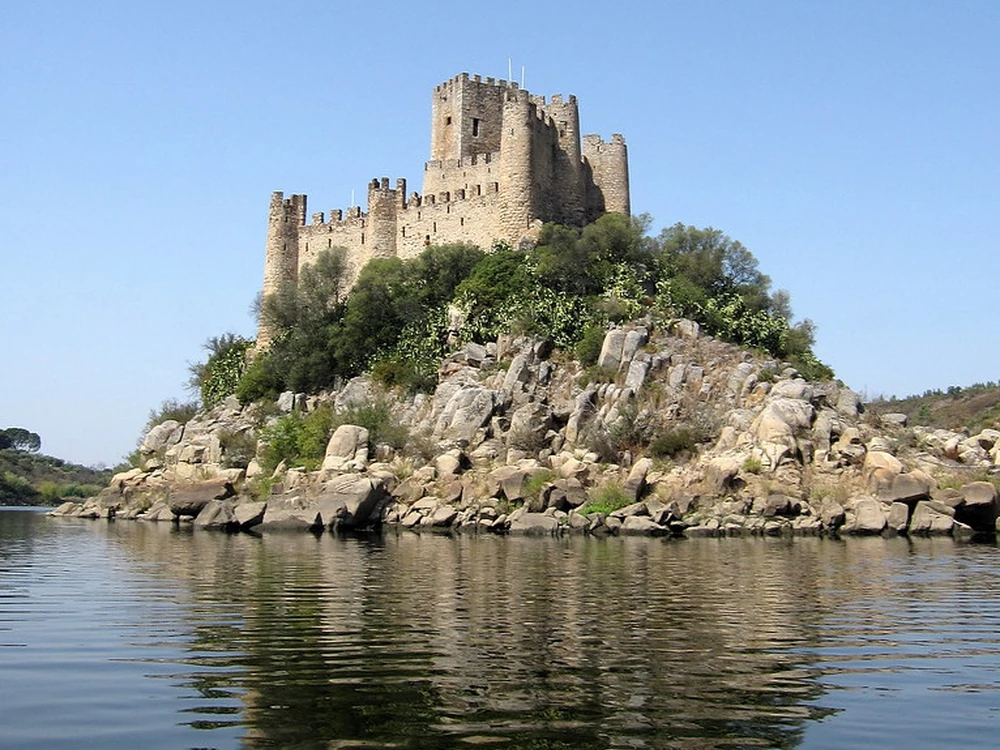
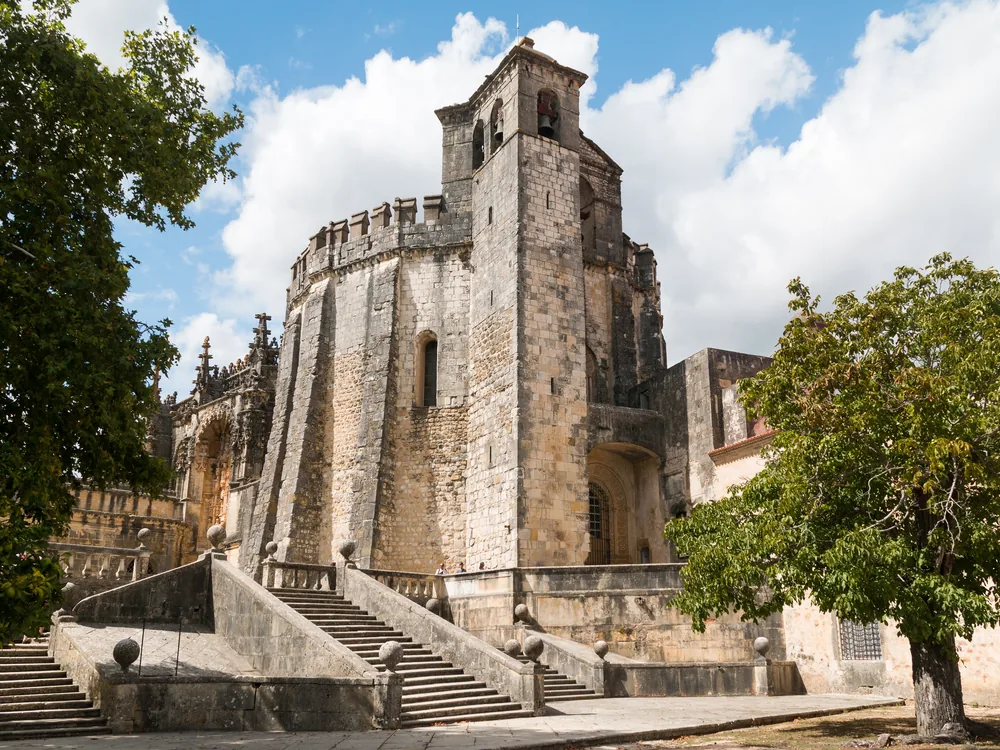
[Almourol Castle](/castles/portugal/almourol-castle) — the Knights Templar fortress on an island in the Tagus River, approximately 40km downstream toward Lisbon — is the closest comparable Tagus-valley castle visit. [Convent of Christ, Tomar](/castles/portugal/convent-of-christ-tomar) — the Templar-Hospitaller fortress-convent approximately 40km northwest — is the major heritage monument of the Ribatejo region.
History
A Moorish fortification occupied the hilltop above the Tagus crossing at Abrantes before the Portuguese Reconquista reached this stretch of the river. Afonso Henriques, the first king of Portugal, reconquered Abrantes in 1148 and established the first Christian fortification on the hill. Dom Dinis and subsequent Portuguese kings expanded and reinforced the fortress in the 13th and 14th centuries, building the curtain walls, towers, and keep in the form that survives today. A church of Santa Maria do Castelo was built within the castle enclosure in the 15th century.
The fortress's most historically resonant modern episode came during the Peninsular War. General Junot's French forces passed through Abrantes in 1807 on the march to Lisbon — Napoleon subsequently awarded Junot the title Duke of Abrantes, though the duke never meaningfully held it. When British forces under Wellington took the strategic initiative in 1808, the Abrantes Fortress was incorporated into the Lines of Torres Vedras defensive network, and French forces were unable to take the position through the campaigns of 1808 to 1811.
The fortress fell from military use in the 19th and 20th centuries, and the church within the enclosure was converted to the Museu Dom Lopo de Almeida. The castle is open daily.
How to Visit
Getting there: Abrantes is approximately 140km northeast of Lisbon by road (A1/A23 motorway, about 1.5 hours by car). By train from Lisboa Santa Apolónia, approximately 1.5–2 hours to Abrantes station; the fortress is a short taxi ride or 15-minute uphill walk from the station.
Tickets: Walk-up entry is approximately €3 (adults), open daily year-round. The "Abrantes: Fortress Guided Tour" (t1225928, ~€235/person, 5 hours) includes historical insights, access to the fortress walls and strategic viewpoints, food and drinks, and transportation to and from the fortress. New activity — 0 reviews.
Practical tips: Allow 1–1.5 hours for the castle circuit including the keep, curtain walls, towers, and panoramic Tagus viewpoints. July–August can be very hot in the Tagus valley; visit in the morning and bring water.
Combine with: [Almourol Castle](/castles/portugal/almourol-castle) (40km downstream via Constância — the Knights Templar island fortress in the Tagus) and [Convent of Christ, Tomar](/castles/portugal/convent-of-christ-tomar) (40km northwest — the major Templar-Hospitaller monument of the Ribatejo, UNESCO World Heritage).
Frequently Asked Questions
Abrantes sits on a hilltop directly above one of the Tagus River's principal inland crossing points. The Tagus is a natural barrier separating northern from southern Portugal and Portugal from Spain — but at Abrantes, the river narrows and becomes fordable at a point where east-west routes through the Portuguese interior converge. Whoever controlled Abrantes controlled the movement of armies between Lisbon and Spain through the central Portuguese heartland. This made the fortress militarily significant across eight centuries: during the Reconquista (as the southward limit of Portuguese control), during medieval conflicts with Castile, and during the Napoleonic Wars (as a key node in Wellington's defensive Lines of Torres Vedras).
Location
Castelo de Abrantes, Rua do Castelo, 2200 Abrantes, Portugal
Nearby Castles
Tours & Tickets
Powered by GetYourGuide
From
€235/ person