
Palais Coburg
Palais Coburg Residenz (Coburgbastei, Vienna)
Austria · Vienna — Coburgbastei 4, Innere Stadt, on the remains of the city bastions · Near Vienna
1840–1845; restored 2000–2003 · A late-classical palace on the Braunbastei, a surviving section of Vienna's old city bastions, with a row of free-standing columns
This page is part of an independent travel guide and is not affiliated with, endorsed by, or operated by Palais Coburg.
Last updated
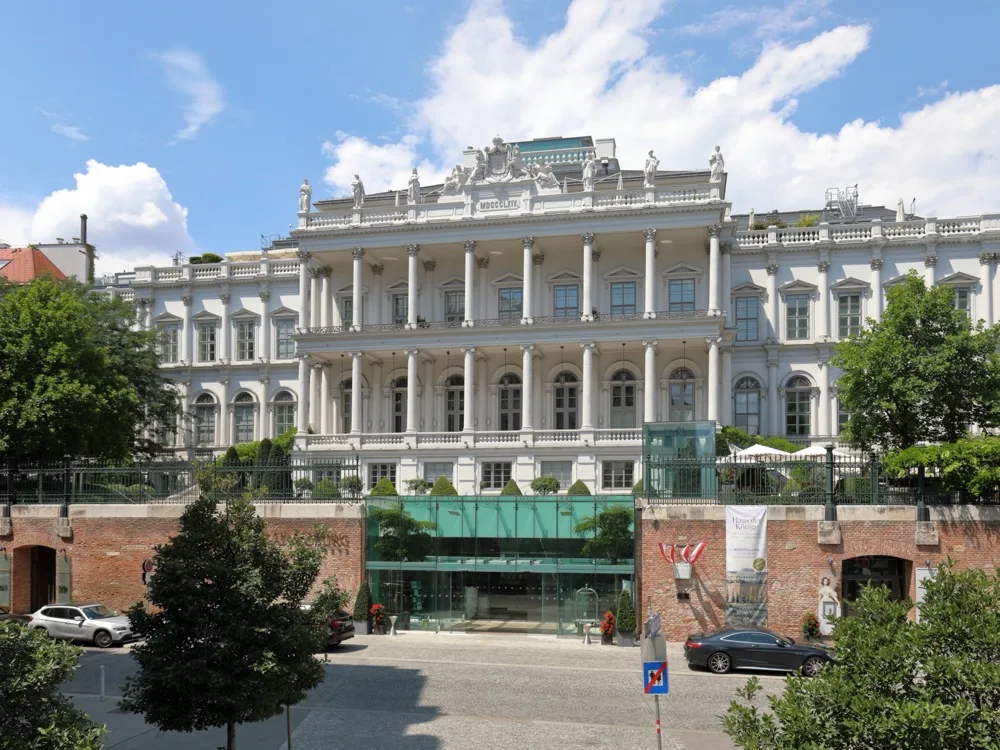
© C.Stadler/Bwag / Wikimedia Commons, CC BY-SA 4.0
Quick Facts
- Rooms from
- €960 / night
- Hotel rating
- ★★★★★ 5-Star Hotel
- Best time
- Year-round
- Nearest city
- Vienna
Stay Here
Palais Coburg
★★★★★ 5-Star HotelThe hotel's suites are in the palace on the Coburgbastei; ask the hotel which floor your suite is on
Booked via Booking.com · Cancellation terms vary by rate
Highlights
- ✦The palace stands on the Braunbastei, a surviving section of Vienna's 16th- and 17th-century city bastions that were otherwise demolished in the 19th century, according to German Wikipedia
- ✦It was designed in 1839 by Karl Schleps for Prince Ferdinand of Saxe-Coburg-Saalfeld-Koháry and, after the architect's death in 1840, completed in 1845 by Adolf Korompay
- ✦Its row of free-standing columns earned it the popular nickname "Spargelburg", the asparagus castle; the steps of its staircases are of hard white Kaiserstein limestone
- ✦From 1849 it was the home of Prince August of Saxe-Coburg and Gotha and his wife Clémentine of Orléans, who decorated the state rooms with the insignia of the French royal house and of the House of Saxe-Coburg and Gotha
- ✦The palace was hit by bombs in 1945, used by Soviet occupation troops until 1955, and later partly rented as offices
- ✦A Viennese entrepreneur bought it in 1997 and restored it in 2000–2003; it now houses an all-suite hotel and two restaurants
- ✦In July 2015 the agreement on Iran's nuclear programme was concluded here after weeks of negotiations
Stay in the castle itself
Book a room via Booking.com
The palace stands on the Braunbastei, a surviving section of Vienna's 16th- and 17th-century city bastions that were otherwise demolished in the 19th century, according to German Wikipedia, the main source for this chronology. It was designed in 1839 by Karl Schleps for Prince Ferdinand of Saxe-Coburg-Saalfeld-Koháry and, after the architect's death in 1840, completed in 1845 by Adolf Korompay. Its row of free-standing columns earned it the popular nickname "Spargelburg", the asparagus castle; the steps of its staircases are of hard white Kaiserstein limestone.
From 1849 it was the home of Prince August of Saxe-Coburg and Gotha and his wife Clémentine of Orléans, who decorated the state rooms with the insignia of the French royal house and of the House of Saxe-Coburg and Gotha. The palace was hit by bombs in 1945, used by Soviet occupation troops until 1955, and later partly rented as offices; the last member of the family to live there sold it in 1978.
A Viennese entrepreneur bought it in 1997 and restored it in 2000–2003; it now houses an all-suite hotel with a spa, an indoor pool and two restaurants. In July 2015 the agreement on Iran's nuclear programme was concluded here after weeks of negotiations.
History
Palais Coburg was designed in 1839 for Prince Ferdinand of Saxe-Coburg-Saalfeld-Koháry and completed in 1845 on the Braunbastei, a surviving part of Vienna's city walls. From 1849 Prince August of Saxe-Coburg and Gotha and his wife Clémentine of Orléans lived there and decorated its state rooms. Damaged by bombs in 1945, it was occupied by Soviet troops until 1955 and later partly let as offices; the last member of the family to live there sold it in 1978. A Viennese entrepreneur bought it in 1997 and restored it in 2000–2003, and it now houses an all-suite hotel. The agreement on Iran's nuclear programme was concluded there in July 2015.
How to Stay
Getting there: The palace stands at Coburgbastei 4 in the Innere Stadt, on the remains of the old city walls near the Stadtpark, with subway and train access according to Booking. Booking lists valet parking, a garage and electric charging; check whether parking is charged.
Rooms & rates: The hotel offers suites. From approx. €960/night for a 64 m² Deluxe Gallery Suite with a city view, a king bed, a minibar and free Wi-Fi, with breakfast and unlimited spa access included, on a non-refundable rate paid to the property before arrival; a free-cancellation rate was around €1,200, and a Rooftop Suite with a terrace around €1,440. Booking showed the price with taxes and fees included.
On-site: A spa with a heated indoor pool and massages, restaurants and free Wi-Fi; pets are welcome, with possible fees, and Booking lists the hotel as wheelchair accessible.
Good to know: Rates were seen for one January 2027 night, a low-season date, so check your own dates on Booking. The palace also houses offices, so not all of the building is part of the hotel.
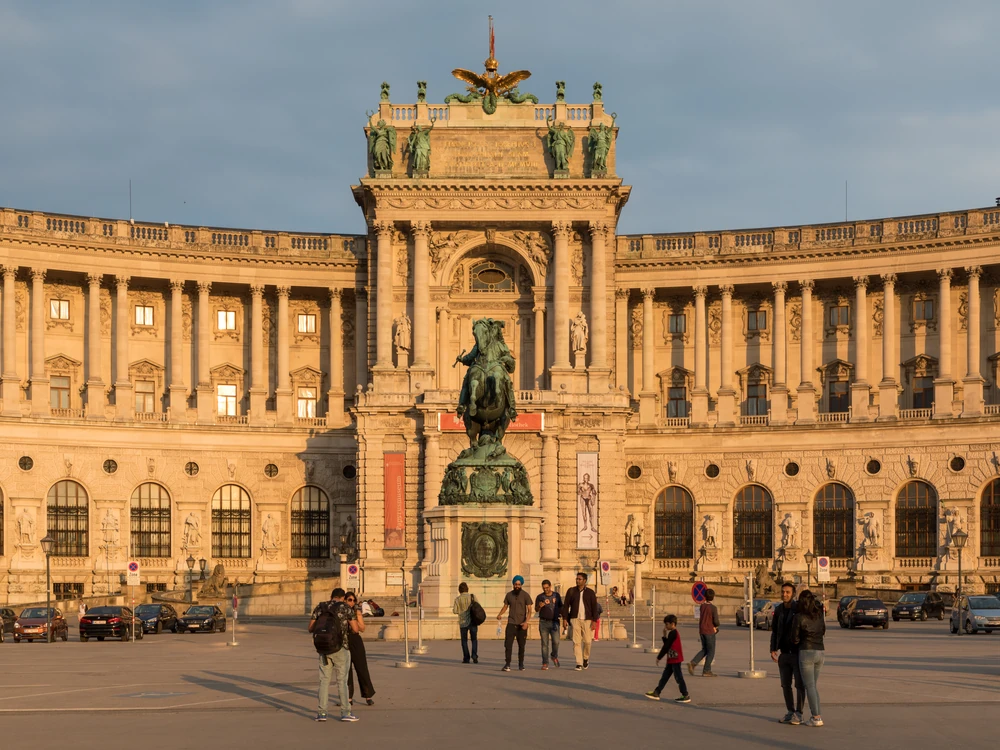
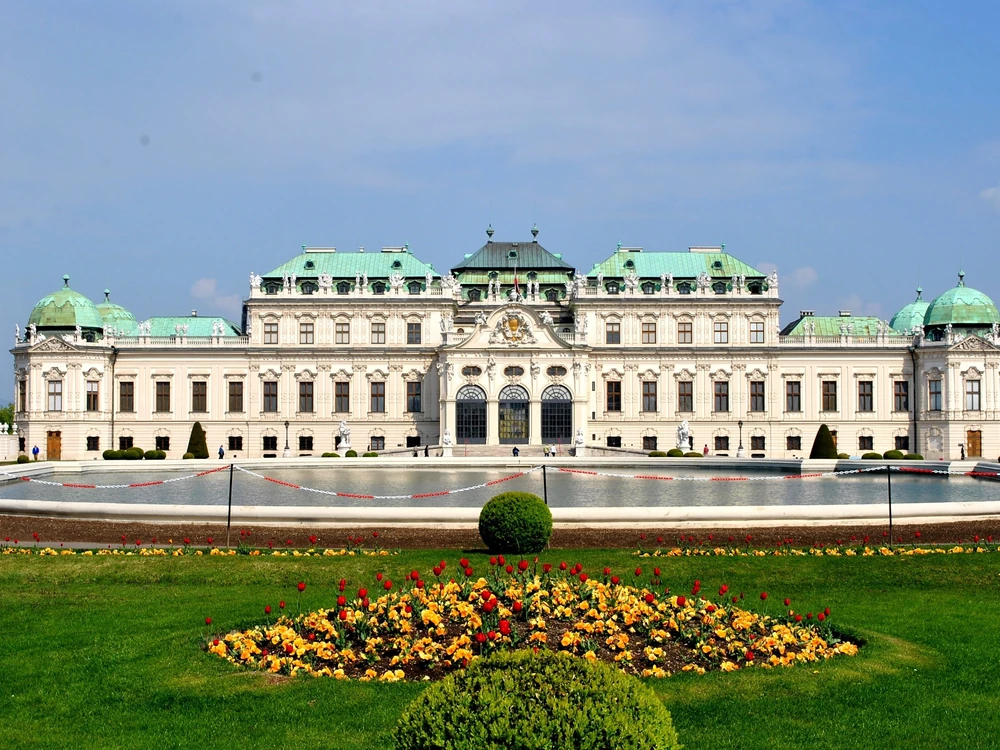
Combine with: Hofburg Palace, about 1 km to the west, and Belvedere Palace, about 1.7 km to the south.
Explore more castles in Austria
Explore more castle hotels in Austria
Frequently Asked Questions
The row of free-standing columns on its façade earned it the popular nickname "Spargelburg" when it was built in the 1840s.
Location
Coburgbastei 4, 1010 Vienna, Austria
Nearby Castles
Rooms from
€960/ night