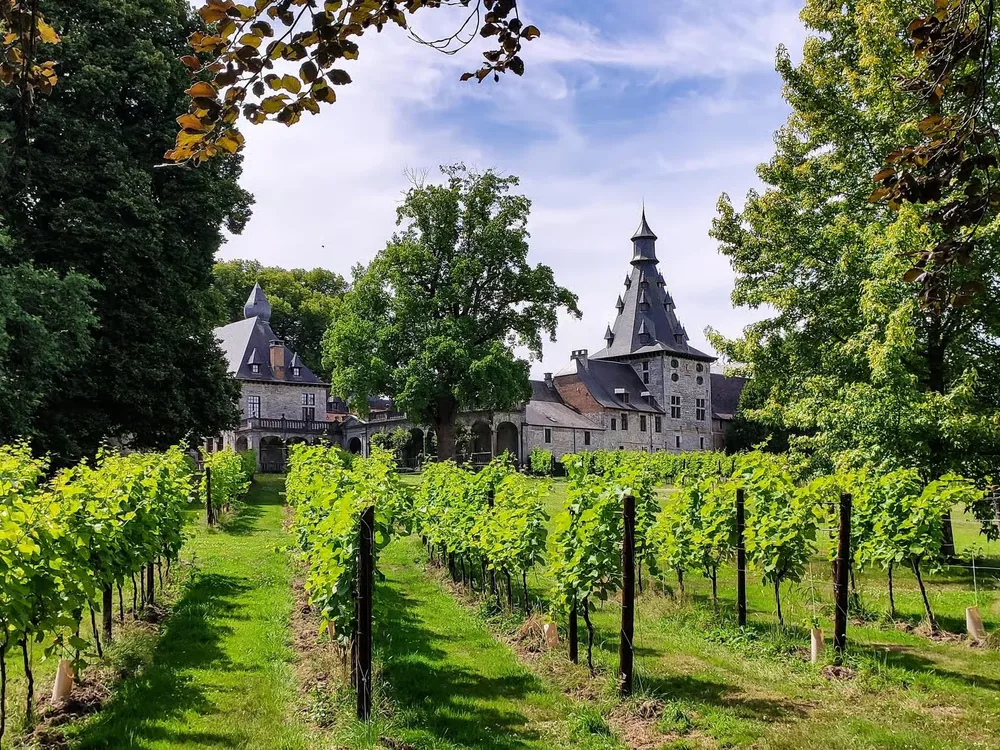
Château de Bioul
Château de Bioul
Belgium · Wallonia — Bioul, Anhée municipality, Namur Province, near Dinant · Near Dinant
Built 1000 · Historic château of medieval origins rebuilt and expanded across several centuries — the Bioul estate has been recorded since at least the 10th century; the current château buildings reflect successive modifications from the medieval period through the 18th and 19th centuries; the estate is as much a working wine domain as a heritage site, and the château buildings include the manor house, winery facilities, and the centenary park established in the 19th century; the discovery tour covers the exterior grounds, vineyards, and winery areas rather than the private interior of the family residence
This page is part of an independent travel guide and is not affiliated with, endorsed by, or operated by Château de Bioul.
© Castles & Palaces
Quick Facts
- Hours
- Daily 10:00–18:00
- Entry via GYG
- €30
- Duration
- 1.5–2 hours (estate discovery tour of exterior grounds, vineyards, winery access, centenary park, and wine tasting session)
- Best time
- May to October
- Booking
- Required — book 1+ days ahead
- Nearest city
- Dinant
Featured Tour
Bioul (near Dinant): Château de Bioul Tour and Wine Tasting
Cancellation available · Instant confirmation
Highlights
- ✦Roots in the 10th century — Gobert de Bioul in the historical record — the Bioul estate appears in historical documentation as early as the 13th century; Gobert d'Orbais, lord of Bioul, is recorded in 1210 as a prominent knight in the Namur region; the estate's history predates the existing château buildings by several centuries and gives it a depth that pure architectural visits to younger buildings cannot claim
- ✦Family ownership since 1906 and the Le Bon Marché retail connection — the Wyckmans-Vaxelaire family has owned the Château de Bioul since 1906; the family has historic ties to Le Bon Marché, the pioneering Parisian department store that became the model for the modern retail institution and gave rise through the GB-INNO-BM group to a major Belgian retail chain; this connection between a rural Walloon château and the history of European retail innovation is an unusual slice of Belgian business and social history embedded in the estate
- ✦Working vineyard and wine tasting — the GYG visit includes a discovery tour of the vineyards and winery, access to the centenary park, and a wine tasting session; the combination of château heritage and wine production is the defining character of the Bioul experience, in the tradition of estate wineries across Burgundy, Bordeaux, and the Loire Valley (all of which have been producing wine in château settings for centuries); Wallonia's wine tradition is younger but growing, and Château de Bioul is among the region's established producers
- ✦Centenary park — the estate grounds include a mature park established in the 19th century, with specimen trees that have reached their full development over a century of growth; the park is part of the discovery tour and gives the château visit a landscape dimension alongside the wine and historical elements
- ✦Dinant region of the Ardennes — Château de Bioul sits within the Namur Province sector of the Meuse valley and Ardennes foothills; the Citadel of Dinant (directly above the Meuse at Dinant), the Château de Bouillon (Bouillon, Ardennes), and Château de Vêves (near Celles) are all within the same regional touring circuit
Skip the queue with a guided tour
Skip-the-line tickets & expert guides
The estate at Bioul has been recorded since the medieval period. Gobert d'Orbais, lord of Bioul, appears in documents from 1210 as a significant knight in the County of Namur — a small but historically active territory in what is now Wallonia. The name 'Bioul' itself is old enough to have accumulated variants across the centuries of documentation, and the estate occupies a position in the agricultural landscape between the Meuse valley and the Ardennes foothills that made it a viable seigneurial holding long before any of the current château buildings existed in their present form.
The Château de Bioul that visitors encounter today is the product of successive modifications across several centuries, most significantly the 18th and 19th-century phases that gave the estate its current architectural character. The centenary park — a formal garden-and-park composition established in the 19th century — is now in its full maturity, the specimen trees having grown to heights that give the grounds the settled, unhurried character that only a century of growth can produce.
The current family, the Wyckmans-Vaxelaire, has owned the estate since 1906. Their history carries an unusual connection to the broader story of European retail and commerce: the family has ties to Le Bon Marché, the pioneering Parisian department store that, when Aristide Boucicaut transformed it in the 1850s and 1860s into the world's first true department store, established the model for the modern retail institution. The Belgian connection ran through the GB-INNO-BM group, which became one of the major retail chains in Belgium and the Netherlands — a corporate lineage that traces back to the same retail revolution that inspired Émile Zola's novel Au Bonheur des Dames. The fact that this history threads through the Walloon countryside, connecting a rural château to the department store shelves of 20th-century Brussels, is a characteristically Belgian juxtaposition of agricultural tradition and commercial innovation.
Today the Château de Bioul operates principally as a working vineyard and wine estate. The GYG visit (t783810) is framed as a 'discovery tour' — a walk through the estate's exterior grounds including the vineyards and winery, access to the centenary park, and a wine tasting session of local wines and products. Visitors should understand that this is an estate tour rather than a formal interior château visit: the family residence is private, and the access covers the grounds and production facilities rather than the historic rooms. Some visitors in the GYG review record have found that winery access on a specific day was limited to viewing through a window depending on winery operations. Checking current access conditions before booking is advisable for visitors whose primary interest is the winery specifically.
The wine production at Château de Bioul sits within the broader revival of Belgian wine that has accelerated in recent decades as warming conditions have made the country's climate more hospitable to viticulture. The Namur Province and the Meuse valley are now recognised wine-producing areas, and Château de Bioul is among the established estate producers in the region — a demonstration that Belgian château culture and wine production are not as unlikely a combination as the country's beer reputation might suggest.
The GYG rating for the Bioul visit (3.4★ / 10 reviews) reflects the variability of the experience: several reviewers praise the estate's atmosphere, the historical depth of the family story, and the quality of the wine tasting; others note limitations on winery access or the self-guided character of some visits. The experience is honest about what it offers — estate grounds, vineyard walk, wine tasting — and is best approached as a château-and-winery outing rather than as a formal guided museum visit.
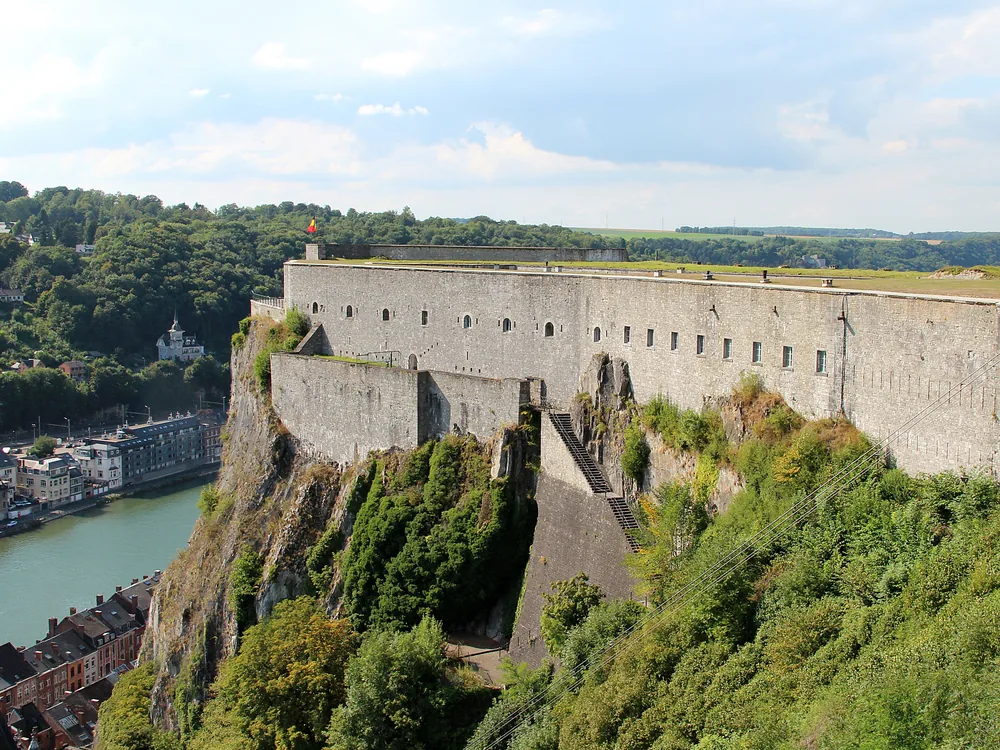
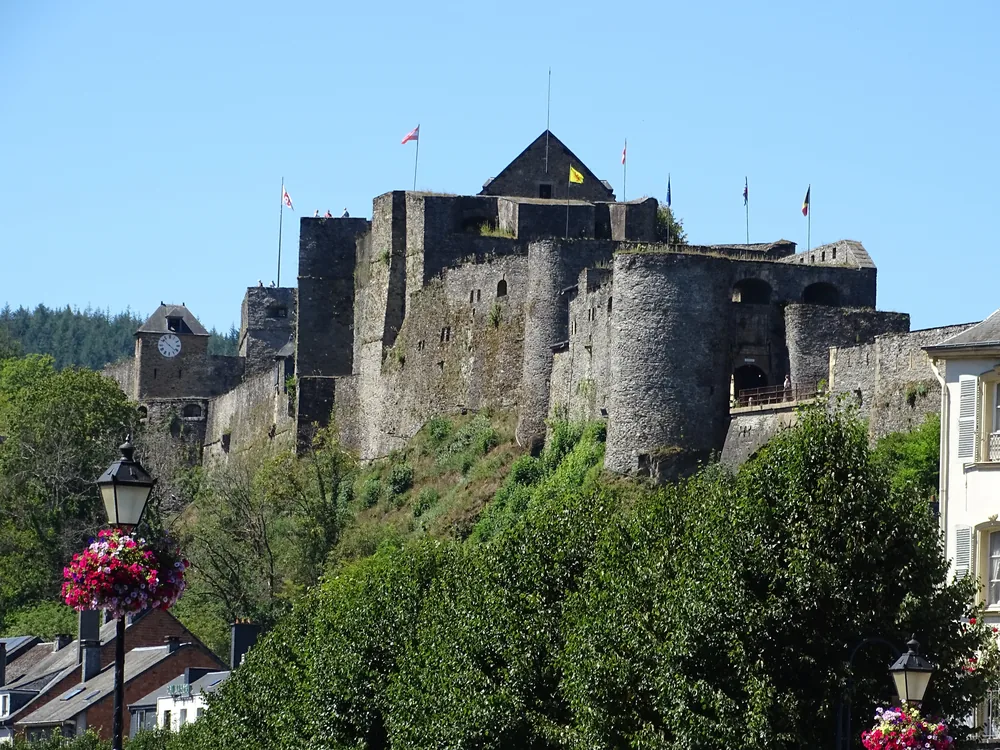
The Dinant and Namur Province region offers several natural companion visits. [Citadel of Dinant](/castles/belgium/citadel-of-dinant) — the medieval-origin citadel above the Meuse that defines Dinant's dramatic skyline — is the major regional fortress visit. [Château de Bouillon](/castles/belgium/chateau-de-bouillon) — the Ardennes castle of Godfrey of Bouillon, leader of the First Crusade — is the major medieval heritage visit in the wider region.
History
10th–13th century: the Bioul estate established in the Namur region; Gobert d'Orbais (lord of Bioul) appears in documentation of 1210 as a prominent knight of the County of Namur. Medieval–early modern period: estate passes through successive noble ownership; château buildings developed and modified across several centuries. 18th–19th century: major modifications to the château and grounds; centenary park established and planted. 1906: the Wyckmans-Vaxelaire family acquires the Château de Bioul; family connection to Le Bon Marché/GB-INNO-BM retail history. Current day: Andy and Vanessa Wyckmans-Vaxelaire are the custodians; estate operates as a working vineyard and wine producer with heritage tourism (discovery tours and wine tasting) open to visitors.
How to Visit
Getting there: Bioul is approximately 12 km north of Dinant and 55 km south of Namur by road; easiest to reach by car. No direct public transport from Dinant to the estate. By car from Brussels: approximately 75 km (about 1 hour via E411/N4).
Tickets: Estate discovery tours cost €30 per adult, €18 per child, covering the exterior grounds, vineyards, winery areas, centenary park, and a wine tasting session. Booking in advance is recommended. The GYG tour "Bioul (near Dinant): Château de Bioul Tour and Wine Tasting" (t783810, from €30, 3.4★/10 reviews) provides the same access with convenient online booking — note that winery access can vary by date depending on operations, so confirm if that is your primary interest.
Practical tips: This is an estate grounds and wine-tasting experience, not a formal interior château visit — the family residence is private. The tour is not suitable for visitors with mobility impairments due to uneven terrain and grass paths throughout the estate.
Combine with: [Citadel of Dinant](/castles/belgium/citadel-of-dinant) is 12 km south and makes a natural pairing for a full Meuse valley day. [Château de Bouillon](/castles/belgium/chateau-de-bouillon) extends the itinerary further into the Ardennes.
Frequently Asked Questions
The GYG visit to Château de Bioul includes a discovery tour of the estate's exterior grounds (the estate buildings, vineyards, and winery areas), access to the centenary park, and a wine tasting session of local wines and products. The château family residence is not included in the tour — this is an estate grounds and winery experience, not an interior château museum visit. The format (guided vs. self-guided) may vary depending on the date and winery operations. Some reviewers have noted that winery access on their specific visit was limited to viewing through a window. Confirm current access conditions with the estate or GYG before booking if winery access is a priority.
Location
Château de Bioul, Rue du Château 1, 5537 Bioul, Belgium
Nearby Castles
Tours & Tickets
Powered by GetYourGuide
From
€30/ person