
Fort George, Vis Island
Utvrda Georgij, Otok Vis
Croatia · Vis Island, Split-Dalmatia County, Croatia · Near Vis Town
Built 1813 · British Napoleonic-era hilltop fortification (1811–1815 British occupation of Vis); limestone walls, bastions, and gun platforms constructed to defend the strategic island base; open-air ruins with no formal admission; also incorporates WWII Yugoslav military installations and Cold War-era tunnels
This page is part of an independent travel guide and is not affiliated with, endorsed by, or operated by Fort George, Vis Island.
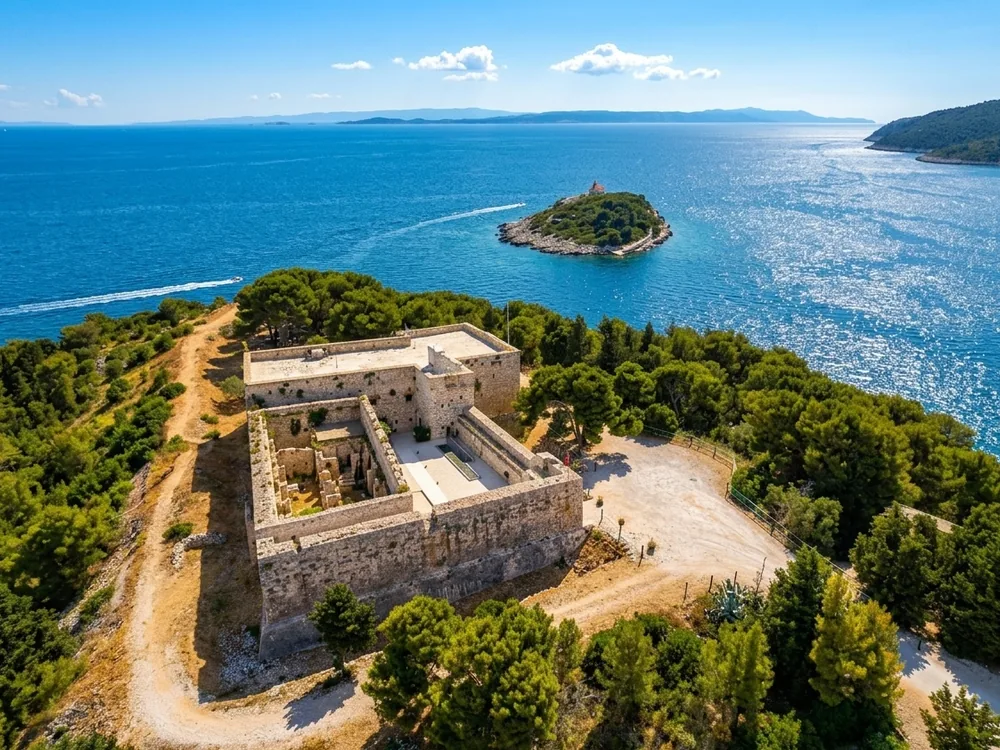
© Castles & Palaces
Quick Facts
- Hours
- Mon–Sun Open site (no formal hours)
- Guided tour from
- €60
- Duration
- 30–45 minutes
- Best time
- May to October
- Nearest city
- Vis Town
Featured Tour
Vis Island: Full-Day Land Rover Sightseeing Tour
Cancellation available · Instant confirmation
Highlights
- ✦The only British-built fortress in Croatia — Fort George was constructed during the British military occupation of Vis (1811–1815), when the Royal Navy used the island as a base to blockade Napoleonic France's Adriatic ports; the occupation left a legacy of British military architecture unique in the eastern Adriatic
- ✦WWII and Cold War layers — Vis was closed to foreign visitors until 1989 because of the Yugoslav military installations built into and around the island's landscape; Fort George's grounds include WWII Yugoslav military positions and the network of Cold War-era tunnels that stored Tito's escape submarines
- ✦The 'Battle of Vis' (1811) — fought in these waters between a smaller British squadron and a larger French fleet, ending in a decisive British victory that secured Vis as a Royal Navy base; Fort George was built as a direct consequence
- ✦Panoramic hilltop position above Vis Town and the Vis Channel — the fort's height gives clear views over the harbour, the ancient Greek and Roman remains of the town below, and the open Adriatic to the south
- ✦The GetYourGuide Land Rover tour of Vis Island covers Fort George alongside the island's most remote beaches, submarine tunnels, and war history — transport and guide included
Skip the queue with a guided tour
Skip-the-line tickets & expert guides
Fort George stands on a limestone hilltop above Vis Town — a British Napoleonic fortification that is unlike anything else on the Dalmatian coast. Britain occupied Vis from 1811 to 1815, when the Royal Navy needed a fortified Adriatic base to maintain the blockade of French-controlled ports in the region. The island's position far into the central Adriatic — beyond the range of France's coastal garrisons in Dalmatia — made it ideal. The British built Fort George on the dominant hilltop position above the town, designed a naval anchorage at Komiža on the island's western coast, and turned Vis briefly into one of the most important British positions in the Mediterranean theatre.
The Battle of Vis (also called the Battle of Lissa) in March 1811 was fought before the fort was complete. A British squadron of four frigates and three smaller vessels, under Commodore William Hoste, met a combined French-Venetian-Italian fleet of twice its size and defeated it convincingly, securing British control of the island. Hoste's signal before the battle — 'Remember Nelson' — was a conscious echo of Trafalgar, and the victory confirmed Vis as the Royal Navy's Adriatic stronghold. Fort George was the land-based component of that strategy.
After the Napoleonic Wars, Vis passed to Austrian control and Fort George was left in varying states of maintenance. The island's modern military history is equally extraordinary: WWII saw Allied commando operations and the famous episode in which Josip Broz Tito established his headquarters in a cave on Vis while Allied aircraft protected the island (1944). During the Cold War, the Yugoslav Navy maintained Vis as a military zone, installing submarine pens, weapons caches, and command tunnels throughout the island — and closing it entirely to foreign visitors until 1989. Fort George's limestone walls sit alongside and above this Cold War infrastructure.
Today the fort is an open site with no ticket booth or formal entry fee — visitors can walk in freely during daylight hours. The GetYourGuide Land Rover tour covers Fort George and the broader island, including the WWII submarine tunnels and the most remote beaches, with transport and guide included.
History
The island of Vis (ancient Issa) was settled by Greek colonists from Syracuse in the 4th century BC, making it one of the earliest Greek colonial settlements in the Adriatic. Roman control followed, and the island remained part of successive Dalmatian power structures through Byzantine, Venetian, and Habsburg administration. The British occupation of 1811–1815 was the first non-continental power to directly administer the island since antiquity. Fort George was constructed during this occupation as a hilltop gun battery to protect the Royal Navy anchorage in Vis harbour. After the Congress of Vienna returned the island to Austrian (and then later Yugoslav) control, the fort fell into disuse. The Yugoslav period (1945–1989) saw massive military development of the island's subterranean geography, with the Navy's secret tunnel and submarine installation network representing the most significant transformation of the island's landscape since the Venetians.
How to Visit
Getting there: Vis is accessible by catamaran or ferry from Split (catamaran: ~2 hours, ferry: ~2.5 hours). Vis Town is the main settlement, with Fort George a 15–20 minute uphill walk from the town centre along a signposted path. The GetYourGuide Land Rover tour picks up from Vis Town and transports groups to all stops, including the fort.
Tickets: Fort George is a free open-air site with no ticket booth or entry charge — walk in freely during daylight hours. The GetYourGuide Land Rover island tour covers Fort George alongside WWII submarine tunnels, Parja Bay, remote beaches, and other island sites, with professional guide and Land Rover transport included in the tour price. This is the most comprehensive way to see Vis's full military and natural heritage in a single day.
Practical tips: The walk from Vis Town to Fort George is steep but takes only 15–20 minutes — wear comfortable shoes. The fort's hilltop gives better views over the harbour than any other easily accessible point on the island. After the fort, walk down to the ancient Greek remains (Issa) near the seafront — the visible foundations and the small archaeological museum document 2,400 years of continuous settlement. The island is small enough to explore extensively on a single day trip from Split.
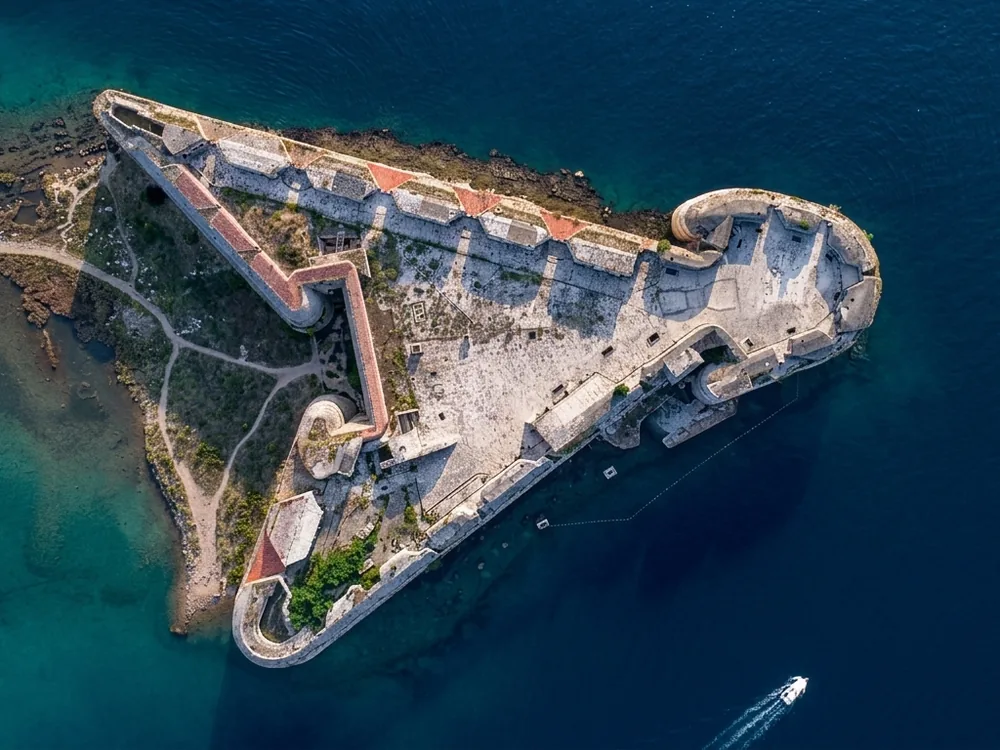
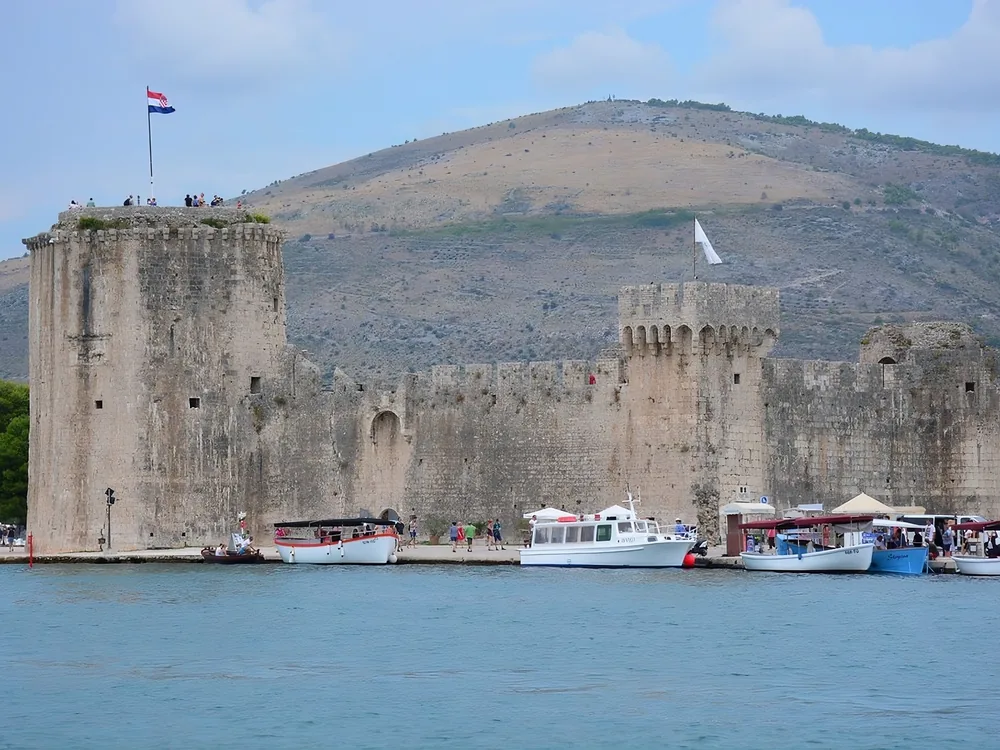
Combine with: St. Nicholas Fortress (~80 km northeast near Šibenik — the 16th-century Venetian sea fortress best experienced from a kayak, protecting the Šibenik harbour entrance) and Kamerlengo Castle (~80 km northeast in Trogir's UNESCO old town — the 15th-century Venetian fortress on the waterfront of one of Dalmatia's finest medieval towns).
Frequently Asked Questions
During the Napoleonic Wars, France controlled most of the eastern Adriatic coast — Dalmatia, Ragusa (Dubrovnik), and the Ionian Islands were under French administration or allied with Napoleon. Britain needed an Adriatic base from which the Royal Navy could blockade French-controlled ports, intercept French shipping, and project power into the eastern Mediterranean. Vis's position deep in the central Adriatic, beyond the range of French coastal garrisons, made it ideal. The Royal Navy occupied the island in 1811, commissioned Fort George on the dominant hilltop, and used it as a base for Adriatic operations until Napoleon's defeat in 1815. The 1811 Battle of Vis — a British naval victory over a much larger French fleet — secured this position.
Location
Gradina, Vis Island, Split-Dalmatia County 21480, Croatia
Nearby Castles
Tours & Tickets
Powered by GetYourGuide
From
€60/ person