
Vitturi Castle
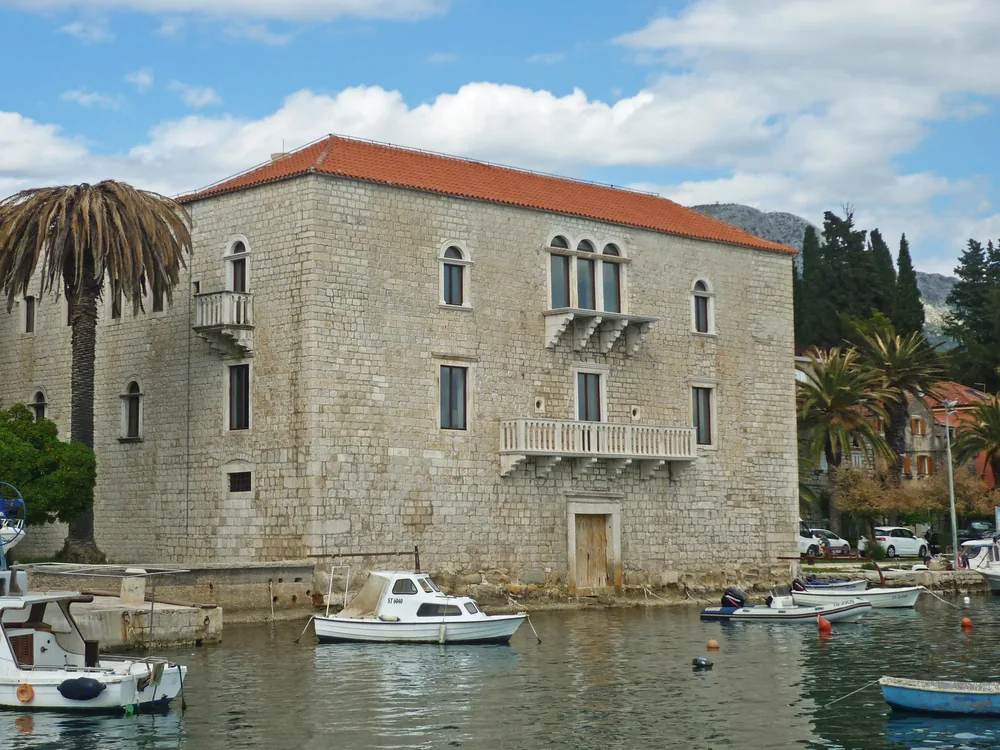
Kaštel Vitturi
Croatia · Split-Dalmatia County — Kaštel Lukšić, Kaštela Bay, between Split and Trogir · Near Split
Built 1564 · Renaissance fortified palace with two defense towers; originally reached by drawbridge (replaced by stone bridge in the 18th century); classicist park added in the 18th century
This page is part of an independent travel guide and is not affiliated with, endorsed by, or operated by Vitturi Castle.
© Castles & Palaces
Quick Facts
- Hours
- Mon–Sun Verify locally
- Guided tour from
- €100
- Duration
- 1–1.5 hours at the castle (part of a 6-hour private tour)
- Best time
- Spring and autumn
- Nearest city
- Split
Featured Tour
Split: Private Tour to Salona, Vitturi Castle and Trogir
Cancellation available · Instant confirmation
Highlights
- ✦Built by Trogir noble brothers Nikola and Jerolim Vitturi starting in 1487 specifically to shelter both their family and the peasants of nearby Ostrog from Ottoman raids — a castle built for a whole community, not just its lord
- ✦Part of a chain of 17 fortifications built along Kaštela Bay after the Ottoman conquest of Bosnia in 1463 — collectively responsible for the name "Kaštela" (castles) that the entire coastal area carries today
- ✦Combines genuine defensive architecture — two towers, originally protected by a drawbridge and moated approach — with the residential comforts of a Renaissance palace, a balance reflecting Venetian Dalmatia's specific security threat
- ✦An 18th-century classicist park adjoins the castle, planted after the drawbridge was replaced by a stone bridge and the Ottoman threat had receded — evidence of the shift from fortress mentality to aristocratic leisure
- ✦Today the cultural heart of Kaštel Lukšić: town museum, exhibition spaces, concert and theatre venue — the same building that once sheltered refugees from Ottoman raids now anchors the community's cultural life
Skip the queue with a guided tour
Skip-the-line tickets & expert guides
After the Ottoman conquest of Bosnia in 1463 opened the Dalmatian hinterland to raids, the Venetian-administered coast between Trogir and Split became a frontier. Dalmatian landowners responded by fortifying the narrow coastal plain along Kaštela Bay with a chain of seventeen castles protecting twelve villages. The entire area takes its name — Kaštela, simply "castles" in the local dialect — from this defensive network, and the fortresses that gave rise to the name are the same structures visitors can still walk through today.
Vitturi Castle belongs squarely to this post-1463 defensive response. Nikola and Jerolim Vitturi, brothers from one of Trogir's ruling noble families, received permission from the Venetian authorities to fortify their coastal holdings in 1487 and completed the castle at Kaštel Lukšić by 1564. The Vitturi brothers built not merely a noble refuge but a community fortress — peasants from the village of Ostrog were explicitly sheltered within the castle's protection during Ottoman raids, a practical arrangement that tied the castle's defence to the survival of the entire settlement beneath it.
The architecture reflects the specific demands of Venetian Dalmatia's security situation. Two defensive towers anchor the structure, and the original approach was protected by a drawbridge and moated passages — military measures integrated into what was otherwise a Renaissance residential palace, with the comfortable chambers appropriate to a Trogir noble household. In the 18th century, when the Ottoman threat had subsided and the drawbridge was replaced by a permanent stone bridge, an elegant classicist park was added alongside the castle — a gardening project that tells its own story about the shift from fortress mentality to aristocratic leisure.
Today Vitturi Castle serves as the cultural heart of Kaštel Lukšić: a town museum, exhibition spaces, and a venue for concerts and theatre. The private GetYourGuide tour that features Vitturi also covers the Salona archaeological site — Roman ruins of the largest city in ancient Dalmatia — and Trogir's UNESCO World Heritage old town, making it possible to move in a single day from Roman Dalmatia through Ottoman-era fortification to the most intact Romanesque-Gothic townscape on the coast.
History
The Ottoman conquest of Bosnia in 1463 transformed the Dalmatian coastline from a prosperous Venetian backwater into an exposed frontier. In the decades that followed, Venetian-administered landowners rushed to fortify the bay coast between Trogir and Split, erecting a chain of seventeen fortresses whose collective presence gave the area the name it still carries: Kaštela. The Vitturi brothers, Nikola and Jerolim, received construction permission in 1487 and completed their castle at Kaštel Lukšić in 1564 — one of the most complete survivors of this defensive wave. Unlike purely aristocratic retreats, Vitturi was designed to shelter the peasants of nearby Ostrog alongside the noble family itself, a practical arrangement common in the more exposed coastal villages. Two towers, a drawbridge, and a moated approach defined the structure's defensive character, while the residential halls reflected the Renaissance aesthetic its Trogir owners had absorbed from Venetian culture. As the Ottoman threat receded in the 18th century, the drawbridge gave way to a stone bridge and a classicist park was added alongside the castle. The building subsequently served civic functions and today operates as Kaštel Lukšić's town museum and cultural centre.
How to Visit
Getting there: Kaštel Lukšić is approximately 20 km northwest of Split along the Kaštela Bay coast road. By car, follow the coastal route through Kaštela. Regular local buses connect Split and the Kaštela towns. The castle stands at the waterfront in the centre of Kaštel Lukšić, a short walk from the main road.
Tickets: Independent museum entry is approximately €5 adult (verify locally at the cultural centre). The GetYourGuide private tour (from €100 per group of up to 4 people) — a 6-hour private tour covering the Salona archaeological site, Vitturi Castle (guided visit + coffee), and Trogir's UNESCO old town, with pickup available from Split — is the most complete way to combine all three sites with a private guide. Note: extra entrance fees apply for the Salona ruins and optional sites in Trogir (not included in the GetYourGuide tour price). The €100 covers the private guide for the group.
Practical tips: The Kaštela coast is quieter than Split in summer and much more pleasant as a day trip in spring and autumn. Vitturi Castle is genuinely pretty at the Kaštela waterfront; allow time to walk along the bay before or after the castle visit. The tour also covers some of the most important Roman ruins in Dalmatia at Salona — bring comfortable walking shoes.
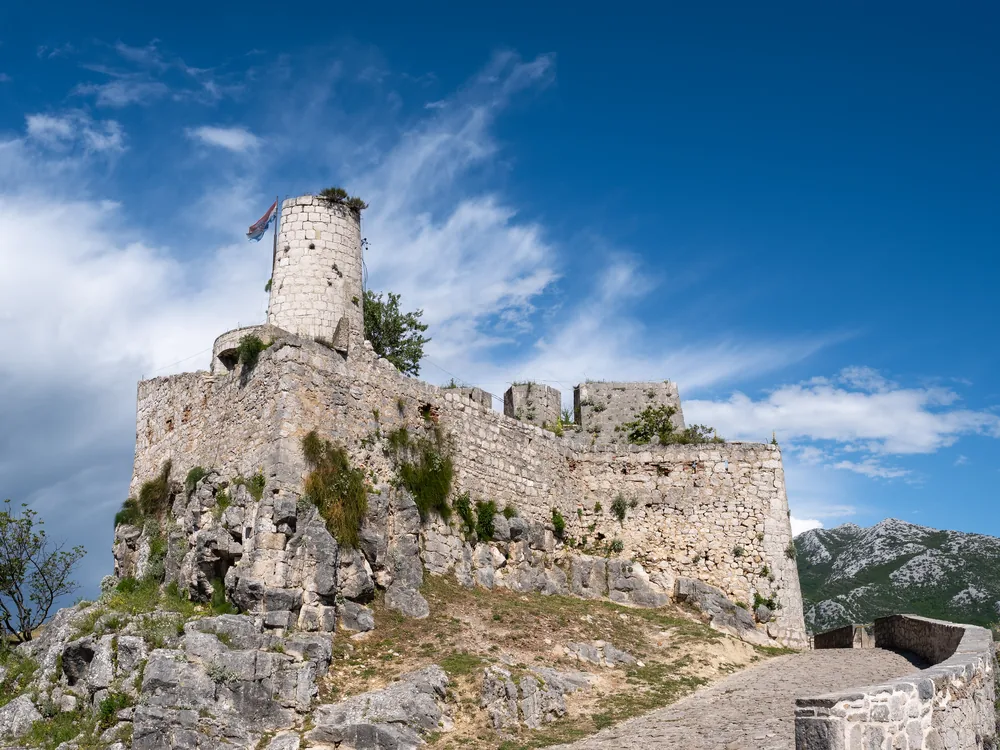
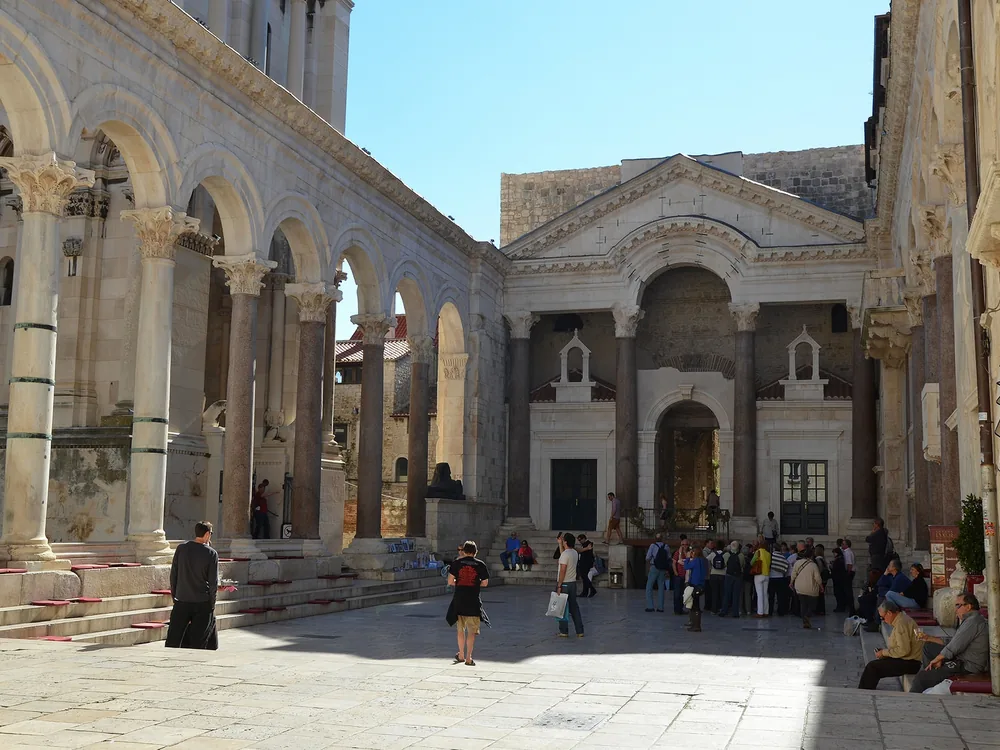
Combine with: Klis Fortress (~12 km southeast — the dramatic clifftop fortress above Split, fought over by Croats, Ottomans, and Venetians across three centuries, with panoramic views over the Split riviera and Kaštela Bay) and Diocletian's Palace (in Split city centre — the 4th-century Roman emperor's retirement fortress, now the living heart of Split's UNESCO old town).
Frequently Asked Questions
The name comes from the chain of 17 fortresses built along this coast after 1463 to protect against Ottoman raids following the fall of Bosnia — the entire region is collectively named for its castles. Vitturi Castle, completed in 1564, is one of the best-preserved examples of this post-1463 defensive network.
Location
Kaštel Lukšić, 21213 Kaštela, Croatia
Nearby Castles
Tours & Tickets
Powered by GetYourGuide
From
€100/ person