
Apsley House
Apsley House, The Wellington Museum
England · London · Near London
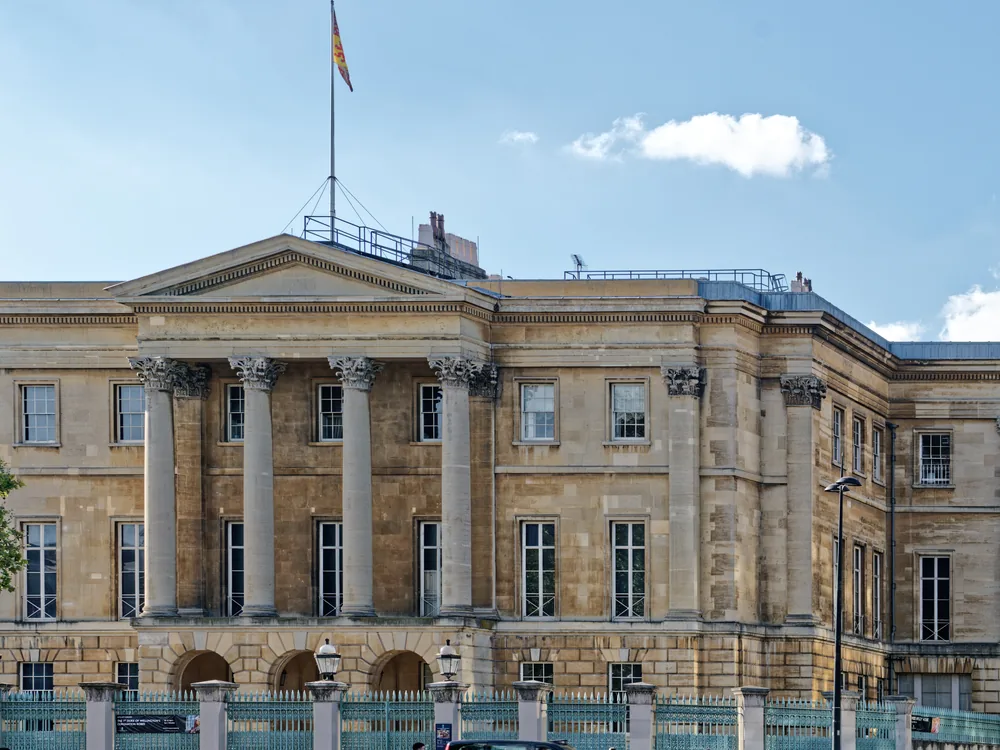
Built 1771 · Late 18th-century London townhouse built 1771–1778 by Robert Adam for Henry Bathurst, 2nd Earl of Bathurst (Lord Apsley), in neoclassical style; substantially enlarged by architect Benjamin Dean Wyatt for Arthur Wellesley, 1st Duke of Wellington, in the 1820s, including the addition of the Waterloo Gallery as the principal reception room and the recladding of the exterior in Bath stone; the house stands at Hyde Park Corner, historically the first address inside the old Knightsbridge toll gate on the western road into London, giving it the informal designation 'Number One, London'; the Wellington family continues to occupy the top floor; managed by English Heritage as The Wellington Museum
This page is part of an independent travel guide and is not affiliated with, endorsed by, or operated by Apsley House.
© Castles & Palaces
Quick Facts
- Hours
- Wed–Sun 11:00–17:00. Closed Mon & Tue
- Entry via GetYourGuide
- €14
- Duration
- 1.5–2 hours
- Best time
- Year-round
- Nearest city
- London
Featured Tour
London: Apsley House Entry Ticket
Cancellation available · Instant confirmation
Highlights
- ✦The Canova Napoleon — an eleven-foot marble statue commissioned by Napoleon in 1802 to celebrate himself, which he found embarrassing and kept in storage, then purchased by the British government after Waterloo and presented to Wellington as a trophy — now stands permanently in its conqueror's staircase hall, arms raised, in the house of the man who defeated him
- ✦The Spanish royal art collection in the Waterloo Gallery was gifted to Wellington by the Spanish crown after he captured Joseph Bonaparte's baggage train at the Battle of Vitoria (1813) — including works by Velázquez, Rubens, and Murillo that the Spanish kings formally presented rather than requested returned, as a gesture of gratitude for the liberation of Spain
- ✦The 'Number One, London' designation came from Apsley House's position as the first house inside the old Knightsbridge toll gate on the western approach to London — a historical address still used by the museum and displayed on the house's exterior
- ✦The Waterloo Gallery was built specifically to host Wellington's annual 18 June Waterloo Banquets, attended by surviving officers of the 1815 campaign from 1820 until Wellington's death in 1852, each dinner a year smaller as the Waterloo veterans died off
- ✦The Wellington family continues to occupy the top floor of the house today; the state rooms below are managed by English Heritage as The Wellington Museum, making this one of London's few inhabited historic house museums
Skip the queue with a guided tour
Skip-the-line tickets & expert guides
The most ironic object in London's house-museum landscape stands at the foot of the staircase in Apsley House: a colossal marble statue of Napoleon, eleven feet tall, carved by Antonio Canova between 1802 and 1811 to celebrate the First Consul at the height of his continental power. Napoleon reportedly disliked it — the idealised heroic nude pose struck him as undignified, and the statue was stored away from public view in Paris. After Waterloo, when the allied powers managed the disposal of former imperial property, the British government purchased the Canova and presented it to the Duke of Wellington. It has stood in Wellington's London home ever since, arms raised in the staircase hall, in permanent inadvertent tribute to its owner's conqueror. Few objects in any collection tell their story more efficiently.
Apsley House stands at Hyde Park Corner, at what was historically the first house inside the old Knightsbridge toll gate on the western road into London — the first address encountered by travellers arriving from the countryside to the west. This gave it the informal designation Number One, London, a description that survives in popular use and in the museum's own marketing. The house was built between 1771 and 1778 by Robert Adam for Henry Bathurst, 2nd Earl of Bathurst, in the restrained neoclassical style that Adam had refined across London's aristocratic building projects of the period. Wellington acquired it in 1817, two years after Waterloo, and engaged the architect Benjamin Dean Wyatt to enlarge it substantially during the 1820s — adding the Waterloo Gallery as the principal reception room and recladding the entire exterior in Bath stone, which accounts for the house's present austere pale appearance.
Arthur Wellesley, 1st Duke of Wellington, won the Battle of Waterloo on 18 June 1815, ending the Hundred Days campaign and permanently removing Napoleon from power. The victory made Wellington the most celebrated military figure in Europe, and the gifts and tributes that followed were extraordinary in their scale and quality. The British nation, the allied powers, and the European sovereigns whose thrones the Waterloo result had secured expressed their gratitude through art, silver, porcelain, and military memorabilia accumulated over the following decades. Apsley House became, in effect, an informal museum of the Waterloo campaign and its aftermath — a private collection documenting the most consequential military engagement of the 19th century through objects given by the governments and monarchs who owed their positions to it.
The most remarkable provenance story in the collection involves the paintings. At the Battle of Vitoria in June 1813 — the engagement that effectively ended French occupation of Spain — Wellington's army intercepted the retreating baggage train of Joseph Bonaparte, Napoleon's brother who had been installed as King of Spain. Among the baggage was a collection of paintings that Joseph had removed from Spanish royal palaces during his occupation: works by Velázquez, Rubens, Murillo, Correggio, and other painters from the Spanish royal collection. Wellington reported the discovery to the Spanish crown and offered to facilitate their return. The Spanish king declined and formally gifted the entire collection to Wellington instead, as a mark of gratitude for his role in liberating the country. The paintings hang in Apsley House today, displayed in the Waterloo Gallery and adjacent rooms, as a permanent diplomatic gift from a sovereign nation to the general whose campaigns made their recovery possible.
The Waterloo Gallery itself was designed with both display and ceremony in mind. High ceilings, top-lighting through a glazed lantern, and walls hung floor to ceiling with paintings in the dense 19th-century manner — this is the centrepiece of any visit, and it was conceived specifically to host Wellington's annual Waterloo Banquet. Held every 18 June from 1820 until Wellington's death in 1852, the banquets brought together the surviving officers of Waterloo for a commemorative dinner in the gallery. The guest list contracted year by year as veterans died; accounts of the later dinners, held among a diminishing group of ageing soldiers, carry a melancholy weight that the gallery's triumphalist decoration somewhat offsets.
The Canova Napoleon, standing on its plinth at the base of the staircase, merits a moment's attention beyond its ironic placement. Canova portrayed Napoleon as Mars the Peacemaker — an idealised classical nude holding a winged victory figure in one hand and a staff in the other, in the tradition of antique Roman imperial portraiture. The ideological claim, that Napoleon's military victories brought peace to Europe, was already straining credibility when the statue was completed in 1811, given that the Napoleonic Wars were still ongoing. Napoleon had it stored. Its purchase by the British government and gift to Wellington combined practical trophy management with deliberate symbolic statement — this was where the portrait of the defeated emperor belonged.
Apsley House is managed by English Heritage as The Wellington Museum, operated in partnership with the 9th Duke of Wellington, whose family continues to live in the upper floor of the house. The publicly accessible rooms include the staircase hall with the Canova, the Waterloo Gallery, the dining room with its extraordinary silver-gilt centrepiece service (one of the largest pieces of decorative silver in England), the plate and china rooms displaying gifts from European sovereigns, and the basement displaying campaign material and personal effects. The admission ticket covers all accessible rooms.
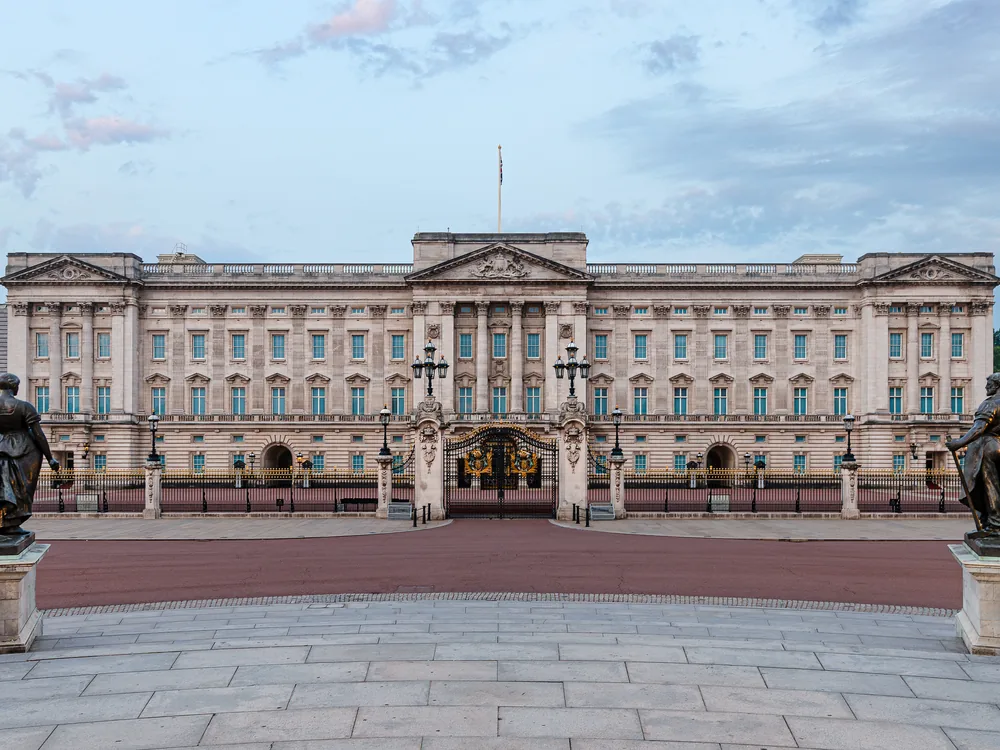
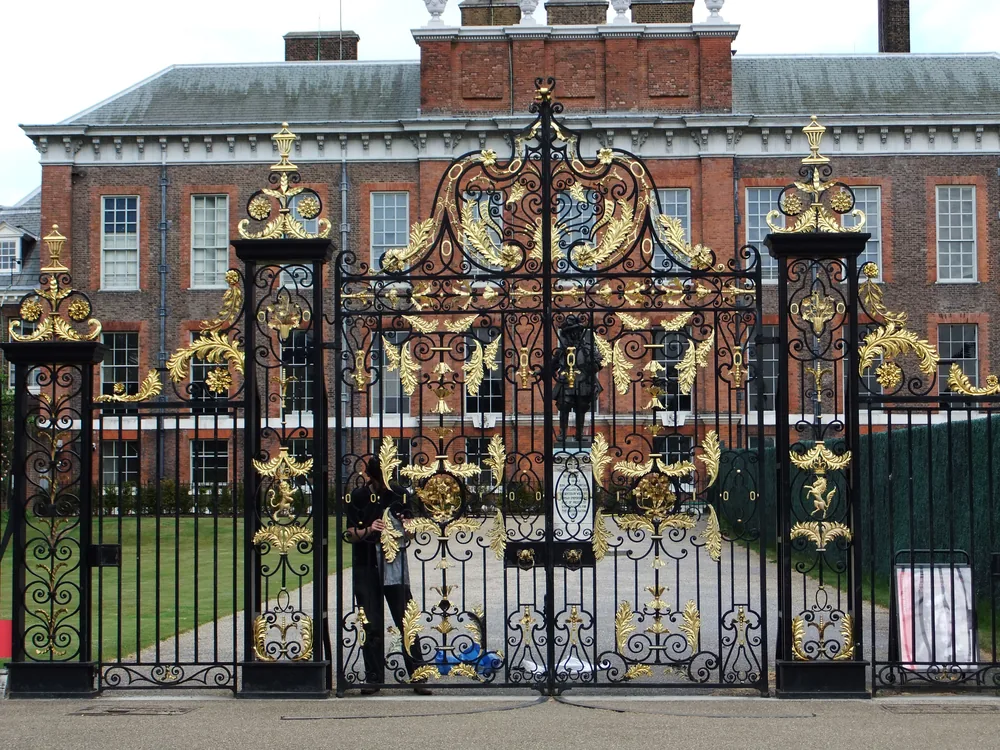
Hyde Park Corner station on the Piccadilly line is directly adjacent to Apsley House, making it one of London's most accessible house museums by public transport. Buckingham Palace (england/buckingham-palace) is approximately one kilometre southwest along Constitution Hill — the route Wellington rode frequently for royal audiences — and Kensington Palace (england/kensington-palace) is 1.5 kilometres northwest through Hyde Park. All three can be visited comfortably in a single full day, constituting a central London aristocratic and royal heritage circuit that requires nothing more than walking shoes and an Oyster card.
History
Apsley House was built 1771–1778 by Robert Adam for Henry Bathurst, 2nd Earl of Bathurst, at Hyde Park Corner. Arthur Wellesley, 1st Duke of Wellington, purchased it in 1817 following his victory at Waterloo (1815) and engaged Benjamin Dean Wyatt to enlarge it in the 1820s, adding the Waterloo Gallery and recladding the exterior in Bath stone. Wellington accumulated an extraordinary collection of art, silver, and memorabilia at the house, including the Canova Napoleon statue and paintings gifted by the Spanish crown after the Battle of Vitoria. He hosted the annual Waterloo Banquet in the gallery from 1820 until his death in 1852. The house became The Wellington Museum under English Heritage in the 20th century while the Wellington family retained the upper floors.
How to Visit
Getting there: Hyde Park Corner station (Piccadilly line) is immediately adjacent to Apsley House — exit the station and the house is directly in front of you. Bus routes 2, 9, 10, 16, 36, 52, 73, 74, 82, and 137 stop at Hyde Park Corner. By car, Park Lane and Knightsbridge are the nearest approaches; there is no on-site parking.
Tickets: Walk-up admission is £15 for adults and £9 for children; English Heritage members enter free. The GetYourGuide entry ticket allows convenient pre-booked access, covering the Waterloo Gallery, the Canova Napoleon statue, and all accessible state rooms.
Practical tips: Arrive when the house opens at 11:00 to have the Waterloo Gallery to yourself before group visits arrive. Don't rush past the dining room's silver-gilt centrepiece service — one of the largest pieces of decorative silver in England — or the plate and china rooms displaying gifts from European sovereigns.
Combine with: Buckingham Palace, 1 km southwest along Constitution Hill, and Kensington Palace, 1.5 km northwest through Hyde Park, for a full day of central London royal and aristocratic heritage.
Frequently Asked Questions
Napoleon commissioned the statue from Canova in 1802 to celebrate himself but reportedly found the heroic nude pose undignified and kept it in storage. After Waterloo, the British government purchased the statue from the former imperial collection and presented it to Wellington as a trophy. Wellington displayed it at the foot of his staircase in Apsley House, where it has stood ever since — the defeated emperor's portrait in the home of the man who defeated him.
Location
149 Piccadilly, Hyde Park Corner, London W1J 7NT, United Kingdom
Nearby Castles
Tours & Tickets
Powered by GetYourGuide
From
€14/ person