
Chillingham Castle
Chillingham Castle
England · Northumberland · Near Alnwick
Built 1297 · Medieval quadrangular castle granted to the Grey family in 1298, with four corner towers enclosing a central courtyard; the castle was fortified during the Border Reivers period and served as a key defensive post on the route into Scotland via the Till valley; a north range remodelling in the 17th century added formal state rooms; the castle fell into severe neglect after the estate was sold in 1932 and stood empty and roofless for much of the 20th century until Sir Humphry Wakefield purchased and began a decades-long restoration in 1982; the castle is now managed as a heritage attraction, wedding venue, and holiday let, with a medieval great hall, a state bedroom, a torture chamber, and a ghost tour programme that has made it one of England's most marketed 'haunted castle' destinations
This page is part of an independent travel guide and is not affiliated with, endorsed by, or operated by Chillingham Castle.
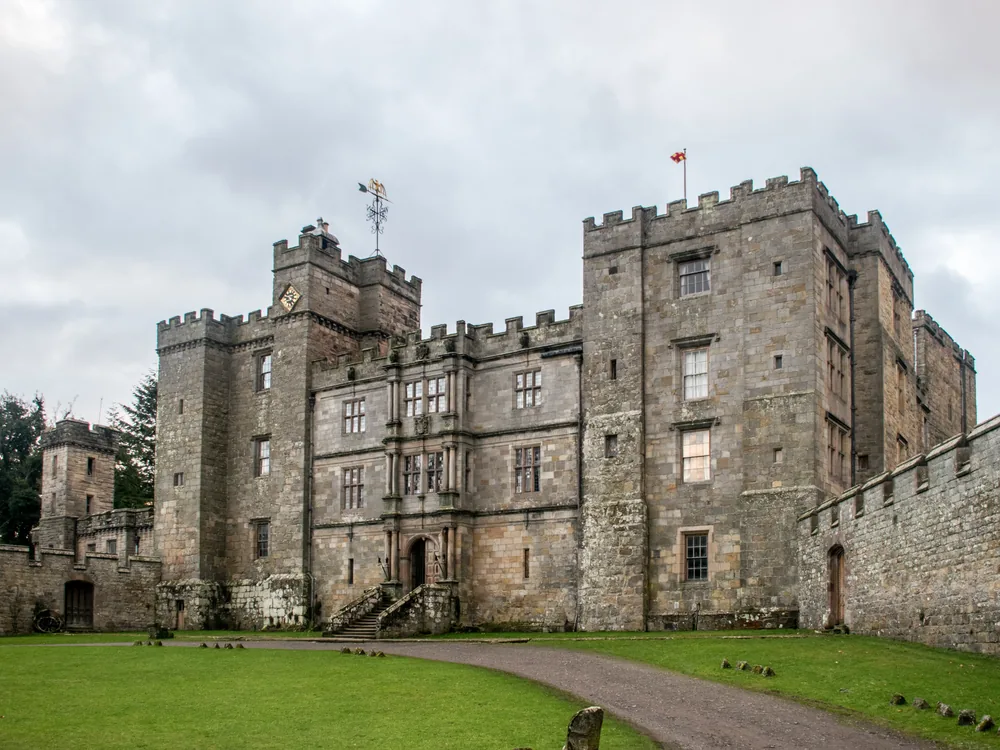
© Castles & Palaces
Quick Facts
- Hours
- Mon–Sun Varies seasonally
- Day trip from
- €394.49
- Duration
- 2–3 hours
- Best time
- May to September
- Nearest city
- Alnwick
Featured Tour
From Newcastle: Alnwick, Bamburgh, Chillingham & Farne Islands Day Tour
Cancellation available · Instant confirmation
Highlights
- ✦Chillingham's wild cattle — a herd of ancient white cattle enclosed in the park since the 13th century — are arguably the most historically significant element of the estate: the herd has been enclosed and undisturbed since the Middle Ages, making it possibly the oldest surviving wild cattle herd in Europe, and the cattle themselves display behaviours (dominance hierarchies, calf-rearing, inbreeding avoidance) that predate domestication
- ✦The castle has a sustained reputation as one of England's most actively haunted buildings, built partly on the documented history of its torture chamber (associated with John Sage, reputedly a torturer of Scottish prisoners during the Border Wars) and partly on decades of ghost tour promotion; whatever the evidential status of its supernatural claims, the castle's physical setting — remote Northumberland valley, severe stone architecture, traumatic Border history — gives the atmosphere genuine weight
- ✦Sir Humphry Wakefield purchased Chillingham in 1982 when it was a roofless ruin with trees growing through the floors; the restoration he carried out over the following decades, room by room, returning panelling, paintings, and furniture that had been sold or dispersed when the castle was abandoned, is one of the more remarkable private heritage restoration projects of the late 20th century in England
- ✦The castle's location in the Till valley, close to the Cheviot Hills and the Scottish border, places it at the geographic heart of the Border Reivers period — the two centuries of cattle-raiding, burning, and cross-border violence (1300s–1600s) that defined the social order of both sides of the English-Scottish border, and which the castle's architecture and history make more physically legible than most border sites
- ✦The medieval great hall and the 17th-century state rooms together span three centuries of the castle's active use as a residence, from its role as a military headquarters on the northern border to its later function as a comfortable country house for the Grey family, making the interior a more layered experience than its 'haunted castle' marketing usually suggests
Tickets & tours
Book through GetYourGuide
Chillingham Castle stands in a shallow valley in Northumberland, a few miles south of the Cheviot Hills that mark the English side of the Scottish border. The village of Chillingham, the castle, and the park that contains England's only surviving wild white cattle herd are the whole of the settlement — the castle is not an element of a larger town, like Alnwick or Bamburgh to the south. It exists, and has always existed, as a self-contained Border estate: a fortified house controlling a valley route toward Scotland, an enclosed park for hunting, and a church for the estate's household. The landscape around it has the spare, slightly menacing quality of the Northumberland uplands — a treeless middle ground between the more hospitable coast to the east and the Cheviot moorland to the west.
The earliest recorded fortification on this site dates from the 13th century; the castle was substantially built between 1297 and 1315, when the Grey family received the estate from Edward I as a reward for military service during the Scottish wars. 'Castle' in this context means something more militarily serious than most English country houses built under that name — Chillingham's towers and walls were built during the most intense period of Anglo-Scottish military conflict, and the architecture reflects a genuine defensive requirement rather than a decorative gesture toward fortification.
The castle's most historically significant period is the Border Reivers era — roughly 1300 to 1600 — when both sides of the Scottish-English border existed in a state of semi-permanent low-level warfare, with cattle raiding, burning, kidnapping for ransom, and periodic pitched battles defining the social order as completely as law ever did. Chillingham's position in the Till valley, on one of the main routes between Northumberland and the Scottish border, made it a natural focal point for this violence. The castle's torture chamber — associated in local tradition with a torturer named John Sage, said to have held Scottish prisoners here — is a recurring element in the castle's promotional material. The documentary evidence for Sage is thin, but the historical reality that Border prisoners were held and sometimes killed in places like this is not in dispute.
The 17th-century north range modifications added state rooms of a kind appropriate for a great northern family during the Stuart and early Hanoverian period: the castle's role had shifted from active military fortification to formal country house for a significant regional family. Paintings, tapestries, and formal furniture were installed. The last Grey family members to occupy the castle as a primary residence did so in the early 20th century; the estate was sold in 1932, and the castle stood empty and unroofed for approximately fifty years.
The physical state of Chillingham when Sir Humphry Wakefield purchased it in 1982 was that of a ruin: trees were growing through the floors of the state rooms, the roof had been removed or had collapsed in sections, and much of the furniture and decorative material that had made the rooms habitable had been sold, scattered, or destroyed. The restoration Wakefield undertook over the subsequent four decades — replacing roofs, reinstating floors, locating and returning dispersed furniture and paintings, rebuilding the formal garden — is one of the larger private heritage restoration projects in the north of England. The castle is now his family residence and a heritage attraction: it is possible to visit the castle's principal rooms, the medieval great hall, the torture chamber, and the gardens, with the castle available for weddings and holiday lets.
The ghost tour programme at Chillingham is the aspect most visitors will encounter in its marketing. The castle has been consistently placed on lists of England's most haunted buildings for several decades, largely on the basis of the torture chamber's associations and a number of documented visitor accounts of anomalous experiences. The programme runs from the castle's commercial department and includes night tours, paranormal weekends, and specialist investigations. Whatever evidential weight one assigns to these claims, the physical setting — remote Northumberland valley, severe medieval stonework, genuinely traumatic Border history, sparse domestic occupation — provides conditions that atmospheric writing has exploited effectively.
The wild cattle in Chillingham Park are, by any standard, the most historically significant element of the estate. The herd has been enclosed in the park since the 13th century, undisturbed and unmanaged in the sense of selective breeding — the cattle establish their own dominance hierarchies, calf-rearing arrangements, and breeding choices within the enclosed herd. The result is a herd whose genetic lineage has been uninterrupted and unmixed with domestic cattle since the Middle Ages, making it the oldest surviving wild cattle herd in Europe by most assessments. The cattle are white with black muzzles and black or tan ears; they are not docile and should not be approached without guidance. The Chillingham Wild Cattle Association manages the herd separately from the castle.
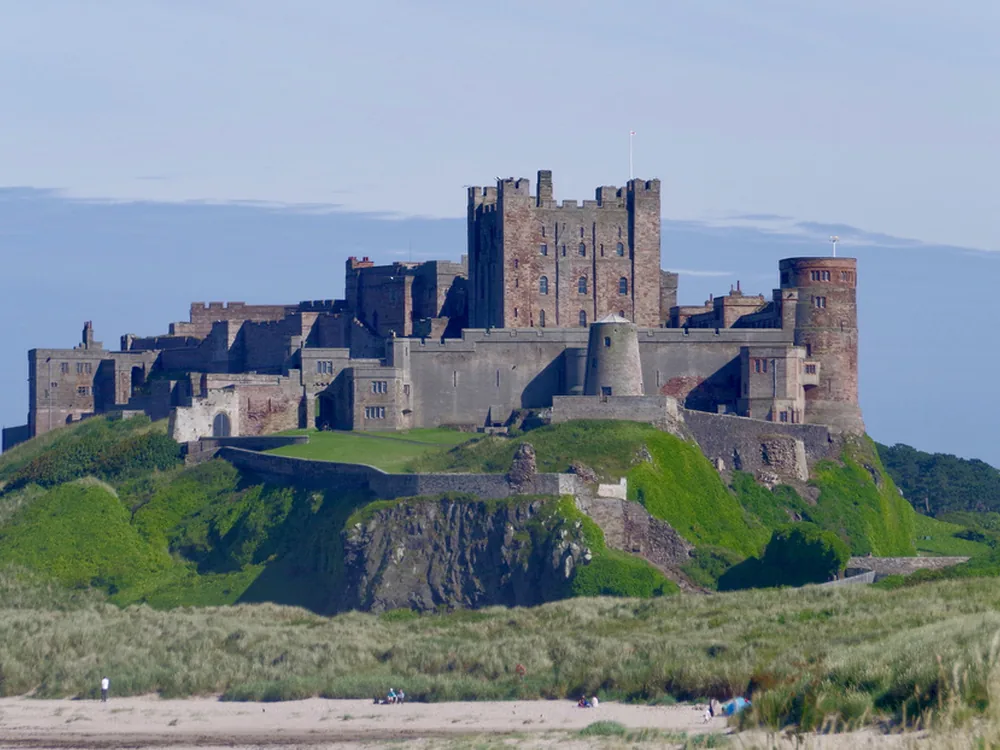
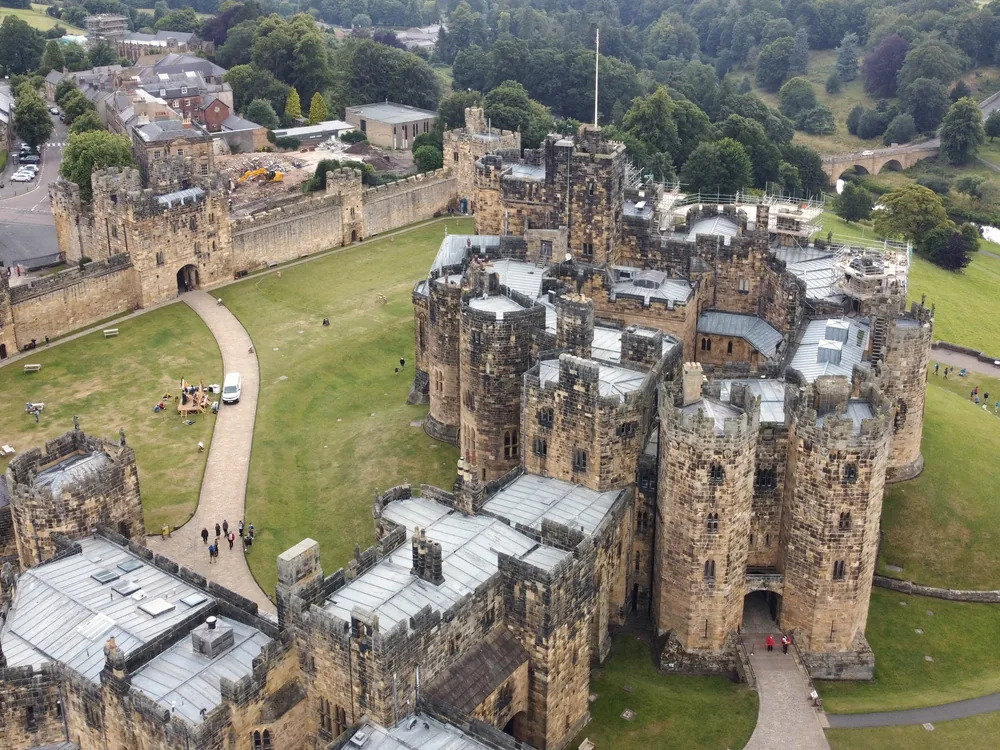
[Bamburgh Castle](/castles/england/bamburgh-castle), on the Northumberland coast ten miles northeast, is the dramatic clifftop counterpart — the largest inhabited castle in England, visible from the sea, with a very different history (Arthurian associations, royal Northumbrian seat, Victorian restoration by Lord Armstrong). [Alnwick Castle](/castles/england/alnwick-castle), the seat of the Duke of Northumberland and now famous as a Harry Potter filming location, is twelve miles south. The Northumberland day trip that includes Chillingham covers all three major Northumberland castle sites together.
History
The Grey family fortified the Chillingham estate between 1297 and 1315, establishing a military position on the principal route between England and Scotland at a moment when that route was contested with particular violence. Through the Border Reivers period that followed — the centuries of cross-border raiding and counter-raiding that defined life in the Anglo-Scottish borderlands — Chillingham Castle served as a key fortification, and its association with the imprisonment and execution of Scottish prisoners reflects the savagery with which both sides prosecuted the border conflict.
The 17th century brought a significant transition: the north range was remodelled with formal state rooms, and the castle shifted from its purely military function toward the country house role it would occupy through the 18th and early 20th centuries as the primary seat of the Grey family, Earls of Tankerville. When the estate was sold in 1932, the castle entered the most damaging period of its existence: standing empty and unroofed for fifty years, trees growing through the floors, the contents dispersed.
Sir Humphry Wakefield purchased the ruin in 1982 and began a restoration that has continued for decades — rooms progressively recovered, furniture and paintings tracked down and returned, the formal garden rebuilt. The castle is now the Wakefield family's residence and is managed as a heritage destination for seasonal visitors, overnight stays, and events. Its reputation for paranormal activity — partly a product of its turbulent Border history — has become one of its most consistently advertised attractions.
How to Visit
Getting there: Chillingham is between Wooler and Alnwick, off the B6346, around 1 hour north of Newcastle via the A1. There is no practical public transport to the village; a car is strongly recommended. Opening days vary significantly by season — verify current hours at chillingham-castle.com before travelling.
Tickets: Walk-up admission is approximately £15 for adults and £8 for children, payable at the castle or in advance at chillingham-castle.com. The GetYourGuide private day trip from Newcastle combines Chillingham with Alnwick Castle and Bamburgh Castle in a single full day. Night ghost tours and paranormal weekends are separately priced and should be booked in advance through the castle website.
Practical tips: The ancient wild white cattle in the park are managed by the Chillingham Wild Cattle Association, separately from the castle — arrange guided herd access through them directly, as the cattle are not domesticated and cannot be approached unguided. Arrive early in the day if you want both the castle visit and cattle viewing without rushing.
Combine with: Bamburgh Castle, 15 km to the northeast on the Northumberland coast, and Alnwick Castle, 20 km to the south — together the three form one of the finest castle circuits in northern England.
Frequently Asked Questions
The wild white cattle at Chillingham are a herd that has been enclosed in the park since the 13th century, undisturbed by selective breeding or crossbreeding with domestic cattle. They have lived in the enclosed park for over 700 years, establishing their own social hierarchies and breeding choices. The herd is considered one of the oldest surviving genuinely wild cattle populations in Europe. They are white with black muzzles and are not domesticated — access to view them is supervised. The Chillingham Wild Cattle Association manages and studies the herd.
Location
Chillingham, Northumberland NE66 5NJ, England
Nearby Castles
Tours & Tickets
Powered by GetYourGuide
From
€394.49/ person