
Palmse Manor
Palmse mõis
Estonia · Lahemaa National Park, Haljala Parish, Lääne-Viru County, Estonia · Near Rakvere
Built 1273 · Baroque manor complex built in the 1720s and substantially expanded in the 1780s; the main house has a formal Baroque garden, a palm-tree motif on the estate gate (the origin of the name), a distillery, bath house, and coach house; the complex was fully restored in 1986 and now serves as the visitor centre for Lahemaa National Park
This page is part of an independent travel guide and is not affiliated with, endorsed by, or operated by Palmse Manor.
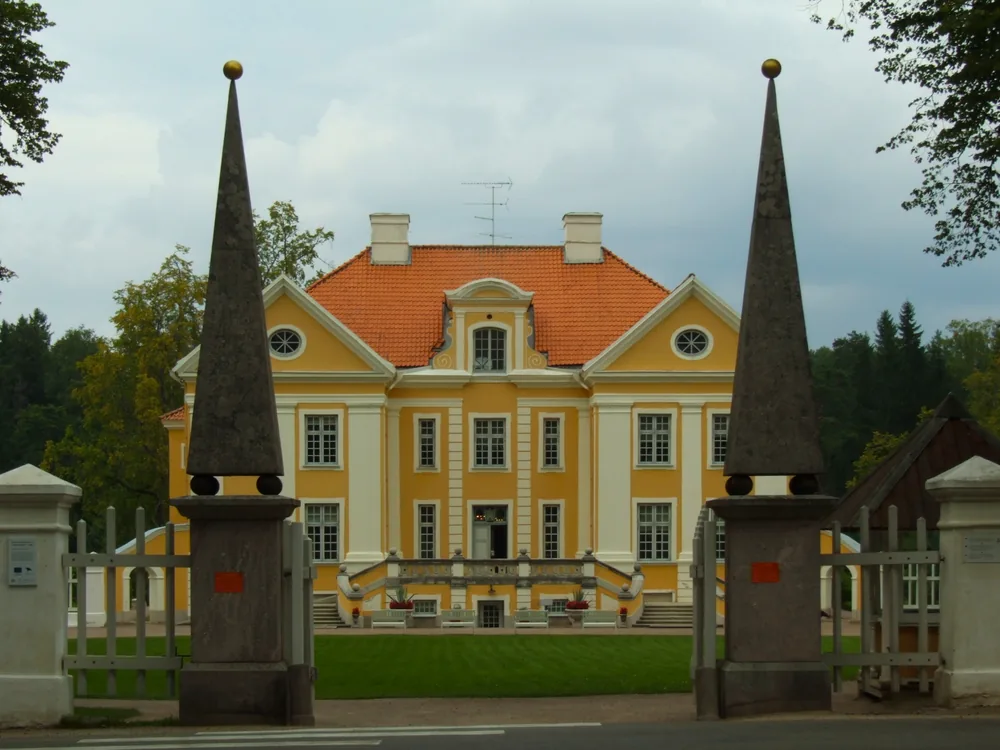
© Castles & Palaces
Quick Facts
- Hours
- Daily 10:00–19:00
- Guided tour from
- €119
- Duration
- 45–60 minutes inside the manor and garden; 30–45 minutes on the GetYourGuide tour grounds visit
- Best time
- May to September
- Nearest city
- Rakvere
Featured Tour
From Tallinn: Lahemaa National Park Full-Day Tour
Cancellation available · Instant confirmation
Highlights
- ✦Origins in a 13th-century Cistercian convent — the site at Palmse was first documented in 1273 as a Cistercian convent; the convent was dissolved during the Reformation in the 16th century, and the land was subsequently acquired by the von der Pahlen family, who built the current Baroque manor complex on the site in the 18th century
- ✦The von der Pahlen family estate — Palmse was the primary seat of the von der Pahlen family, one of the most prominent Baltic German noble families in the Russian Empire; Count Peter Ludwig von der Pahlen (1745–1826) was the governor-general who orchestrated the assassination of Tsar Paul I in 1801, a detail that gives the manor an unexpected connection to Russian imperial history
- ✦Fully restored in 1986 — Palmse is the most completely restored Baltic German manor in Estonia; the 1986 restoration returned the main house, distillery, bath house, coach house, and formal gardens to their late 18th-century state, making Palmse the benchmark restoration against which other Estonian manor restorations are measured
- ✦Lahemaa National Park visitor centre — Palmse serves as the official visitor centre for Lahemaa National Park, Estonia's largest and first national park (established 1971); the park information, trail maps, and guided excursion bookings are all based here, giving the manor a practical function beyond its heritage presentation
- ✦The GetYourGuide Lahemaa full-day tour from Tallinn — the highest-reviewed day tour from Tallinn to the national park, visiting Palmse or Sagadi Manor on a seasonal alternation basis; entrance to the manor is not included in the tour price, but transport and the guide are covered
Skip the queue with a guided tour
Skip-the-line tickets & expert guides
Palmse Manor is the most completely restored Baltic German manor house in Estonia, a distinction it earns through the scale and precision of the 1986 restoration that returned the main house, its ancillary buildings, and the formal garden to their late 18th-century condition. The manor complex sits within Lahemaa National Park and serves as the national park's visitor centre — a dual role that makes it both a heritage destination and a practical gateway to Estonia's largest protected landscape.
The site's history begins long before the current Baroque buildings. In 1273, a Cistercian convent was documented at Palmse — part of the medieval religious infrastructure of the Livonian Order's Baltic territories. The Reformation of the 16th century dissolved the convent, as it dissolved most of the religious establishments in the Balticum, and the land was subsequently absorbed into the secular estate system. The von der Pahlen family acquired Palmse and built the manor complex in the 1720s, with a major expansion and renovation in the 1780s that produced the current main house and the formal garden with its distinctive palm-tree gate motif (the etymology behind the estate's name).
The von der Pahlen family were among the most prominent Baltic German noble families in the Russian Empire. Count Peter Ludwig von der Pahlen (1745–1826), who was governor-general of Saint Petersburg, is notable in imperial Russian history as the architect of the conspiracy that led to the assassination of Tsar Paul I in 1801. Palmse's connection to this event is biographical rather than physical — the conspiracy was organised in Saint Petersburg — but it gives the manor an unexpected thread into the most dramatic political episode of the late Russian imperial period.
Today, Palmse's visitor centre function makes it the most practical starting point for any exploration of Lahemaa National Park. The park information service is based here, the trail maps are available, and guided excursions into the park depart from the manor complex. The formal garden, the distillery (one of the best-preserved in the Baltic states), and the 1986 restoration of the main house interior are the primary heritage draws.
The GetYourGuide full-day Lahemaa tour from Tallinn alternates between Palmse and Sagadi Manor depending on season. It is one of the best-evidenced day tours from Tallinn in any category, with an unusually large and consistently strong review base. The tour's own description is explicit: entrance to the manor is not included in the regular tour price. Visitors who want full museum access should plan for the separate entrance fee (~€8 per adult) purchased on-site.
History
The Palmse site is first documented in 1273 as a Cistercian convent in northern Estonia, then under Livonian Order governance. The Reformation of the 16th century dissolved the convent. The von der Pahlen family acquired the estate and built the initial manor complex in the 1720s; Count Magnus Johann von der Pahlen substantially expanded and renovated the complex in the 1780s, producing the current Baroque main house and garden layout. The von der Pahlen family held Palmse through the 18th and 19th centuries. The estate's most historically notable family member, Count Peter Ludwig von der Pahlen, was governor-general of Saint Petersburg and the principal organiser of the conspiracy that resulted in the assassination of Tsar Paul I on the night of 11–12 March 1801. Estonian independence (1918) and the subsequent land reforms redistributed the agricultural land; the Soviet period repurposed the manor buildings. The comprehensive restoration of 1986 — among the most thorough Baltic German manor restorations in the Soviet Union — returned Palmse to its 18th-century state. Lahemaa National Park, within whose boundaries Palmse sits, was established in 1971.
How to Visit
Getting there: Palmse Manor is approximately 80 km east of Tallinn, within Lahemaa National Park. By car from Tallinn, take the E20 east toward Rakvere and follow signs to Palmse (~1.5 hours). By public transport, buses from Tallinn's Viru bus station run to Võsu and Käsmu (summer season); Palmse is accessible by bicycle or taxi from these villages. The GetYourGuide Lahemaa full-day tour from Tallinn provides round-trip transport from Tallinn — the most convenient option for visitors without a car.
Tickets: Walk-up entrance to Palmse Manor is approximately €8 per adult, €4 per child. The national park visitor centre at Palmse is free to enter for information. The tour does NOT include manor entrance — the tour description explicitly states this. Transport and guide are included; manor museum access requires a separate fee purchased on-site. Note: this tour alternates between Palmse and Sagadi Manor depending on season.
Practical tips: Palmse's national park visitor centre is the most useful starting point for planning Lahemaa hikes — the staff can advise on current trail conditions, wildlife sightings, and guided excursion options. The distillery building is one of the best-preserved in the Baltic states and worth time even outside the main manor tour. The formal garden is at its best in June–July when flowering. From Palmse, the most rewarding loop is the coastal villages circuit: Altja fishing village (8km north, largely unchanged since the 18th century), Käsmu (the 'Captain's Village', 12km northwest), and the Käsmu peninsula forest trail.
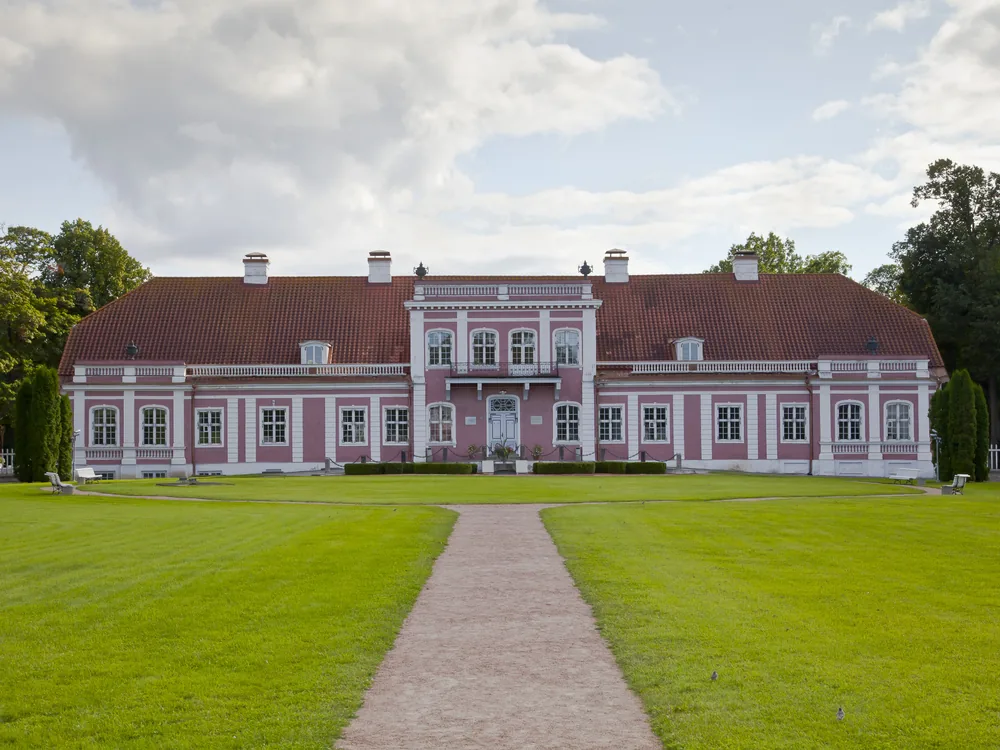
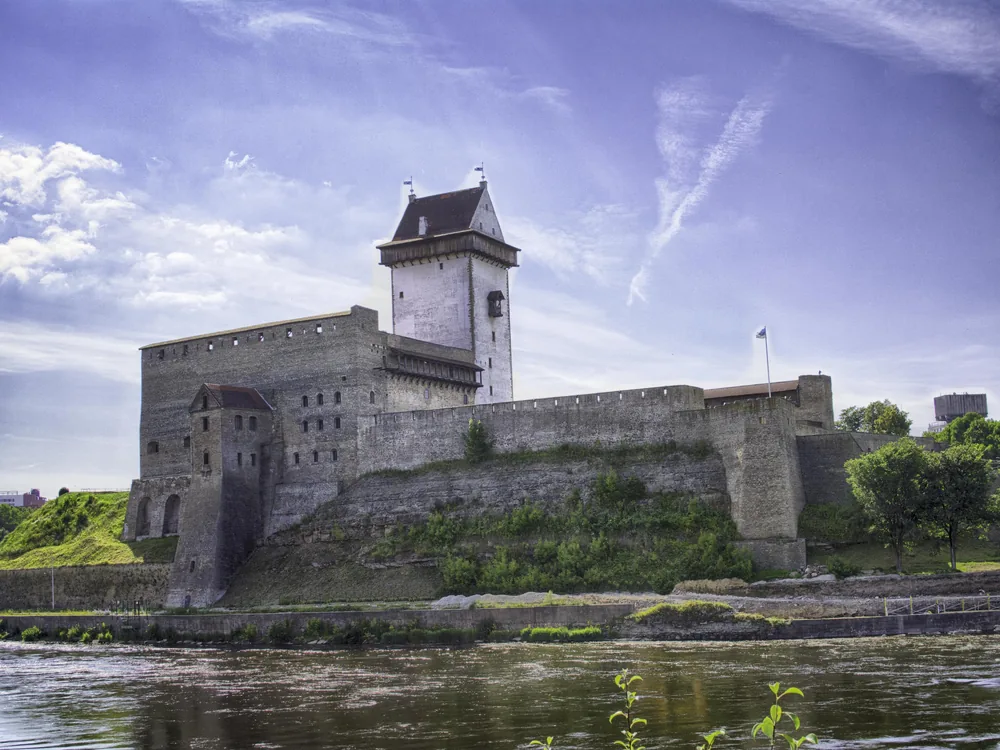
Combine with: Sagadi Manor (~10 km west — the other Lahemaa Baltic German manor on the same tour, housing the Manor Museum and the Forest Museum of Estonia; the two manors are the twin cultural anchors of Lahemaa, covered by the same tour product on a seasonal alternation) and Narva Castle (~130 km east — the medieval Livonian Order castle facing Ivangorod Fortress across the Narva river on the Russian border, one of the most geopolitically charged heritage sites in the Baltic states).
Frequently Asked Questions
Count Peter Ludwig von der Pahlen (1745–1826) — a member of the von der Pahlen family that owned Palmse — was the governor-general of Saint Petersburg and the principal organiser of the conspiracy that resulted in the assassination of Tsar Paul I on the night of 11–12 March 1801. Paul I had grown increasingly erratic and autocratic; a group of Russian nobles, with von der Pahlen's coordination and the tacit agreement of the future Tsar Alexander I, entered Paul's bedchamber at Mikhailovsky Castle in Saint Petersburg and killed him. Von der Pahlen subsequently lost Alexander I's favour and was dismissed from his positions; he retired to his Baltic estates. The connection to Palmse Manor is biographical rather than locational — the conspiracy was planned and executed in Saint Petersburg — but it gives the manor's history a cameo in one of the Russian Empire's most dramatic political events.
Location
Palmse Manor, Palmse küla, 45403 Haljala vald, Estonia
Nearby Castles
Tours & Tickets
Powered by GetYourGuide
From
€119/ person