
Sagadi Manor
Sagadi mõis
Estonia · Lahemaa National Park, Haljala Parish, Lääne-Viru County, Estonia · Near Rakvere
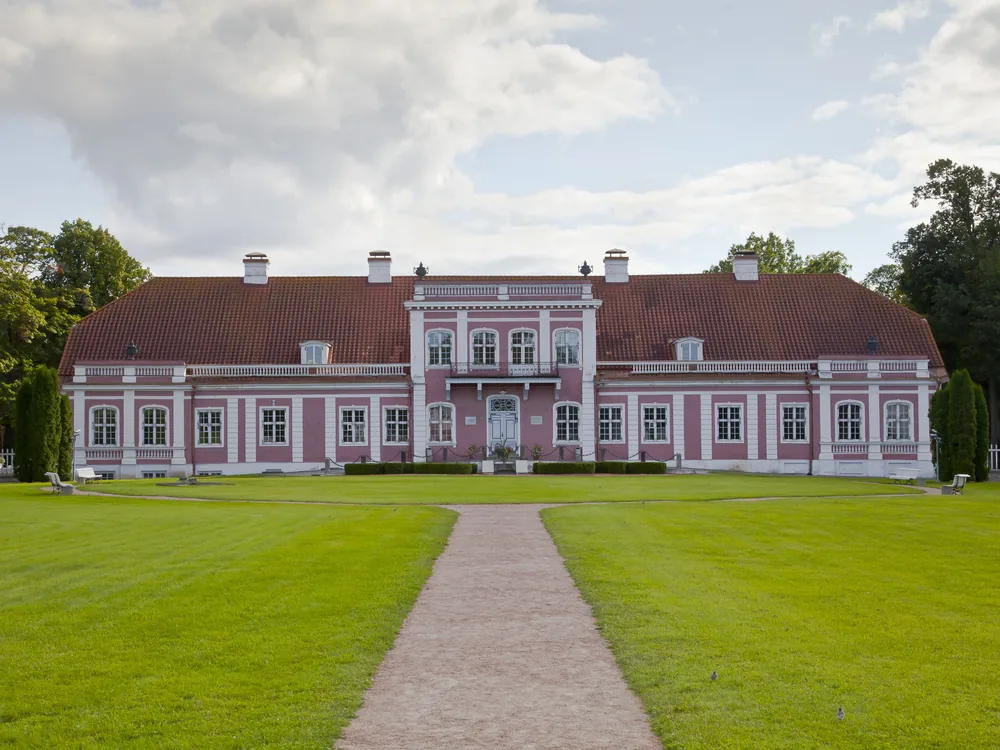
Built 1469 · Baroque manor house built in 1753 for the von Fock family, with a symmetrical two-storey main building in pale yellow painted render; formal French-style garden with avenue approach, ancillary estate buildings, a coach house, and the estate church; now houses two museums — the Sagadi Manor Museum and the Forest Museum of Estonia
This page is part of an independent travel guide and is not affiliated with, endorsed by, or operated by Sagadi Manor.
© Castles & Palaces
Quick Facts
- Hours
- Daily 10:00–17:00
- Guided tour from
- €119
- Duration
- 45–60 minutes inside; 30 minutes grounds/exterior on the GetYourGuide tour
- Best time
- May to September
- Nearest city
- Rakvere
Featured Tour
From Tallinn: Lahemaa National Park Full-Day Tour
Cancellation available · Instant confirmation
Highlights
- ✦First documented in 1469 — Sagadi's estate history predates the current Baroque manor house by nearly three centuries; the site has been a Baltic German noble estate continuously from the medieval period through the 20th century, with the current house representing the 1753 building campaign of the von Fock family
- ✦The Forest Museum of Estonia — one of Sagadi's two resident museums is the Forest Museum, housed in the ancillary buildings of the estate and covering the history of Estonian forestry, woodworking traditions, and the ecology of the boreal forest that surrounds the manor in Lahemaa National Park; it is one of the most thematically distinctive museums associated with any Baltic manor house
- ✦Lahemaa National Park setting — Sagadi is fully within Lahemaa, Estonia's largest national park and the first national park established in the Soviet Union (1971); the combination of the formal manor garden and the surrounding boreal forest is characteristic of the park's distinctive landscape, where 18th-century Baltic German estate culture meets subarctic woodland ecology
- ✦The GetYourGuide Lahemaa full-day tour is the highest-reviewed day tour from Tallinn to the national park, with an unusually large and consistently strong review base — one of the best-evidenced tours in Estonia. Note: the tour visits Sagadi OR Palmse Manor depending on season — both are on the programme, one per departure. Entrance to the manor is not included; the tour price covers transport and guide for the grounds visit
- ✦The seasonal Sagadi/Palmse alternation — the GetYourGuide Lahemaa tour alternates between Sagadi and Palmse Manor (below) depending on season and group conditions; both manor houses are within 10km of each other in the national park, and both are covered by the same tour product and page structure on this site
Skip the queue with a guided tour
Skip-the-line tickets & expert guides
Sagadi Manor sits in a clearing in Lahemaa National Park, the belt of boreal forest, bogs, and Baltic coast that stretches east of Tallinn and was designated Estonia's first national park in 1971. The manor house itself dates from 1753, built by the von Fock family — one of the Baltic German noble families who controlled Estonia's rural estates through the Swedish and Russian imperial periods. The pale yellow Baroque building, with its symmetrical facade and formal avenue approach, is characteristic of the estate architecture that the Baltic German nobility developed in the 18th century, combining the formality of French Baroque gardens with the modest scale appropriate to an agricultural estate in the northern European forest.
The estate's documented history begins earlier: Sagadi is first mentioned in written sources in 1469, nearly 300 years before the current house was built. The medieval and early modern buildings on the site preceded the 1753 construction, which represented a programme of substantial rebuilding by the von Fock family in the mid-18th century. The estate passed through subsequent Baltic German noble families and survived the Russian imperial period before the Estonian land reforms of the 1920s ended Baltic German estate ownership. The Soviet period saw the building repurposed; restoration in the late 20th century returned it to its current state as a museum and visitor site.
Sagadi now houses two museums. The Manor Museum presents the history of the estate and Baltic German noble life in Lahemaa. The Forest Museum of Estonia — housed in the estate's ancillary buildings — is more unusual: it covers the history of Estonian forestry, timber culture, woodworking traditions, and the ecology of the boreal forest that immediately surrounds the estate. The combination is thematically coherent with Lahemaa National Park's dual role as both a natural landscape and a cultural heritage zone.
The GetYourGuide full-day Lahemaa tour from Tallinn is the most reliable way to visit Sagadi without a car. With a large and consistently strong review base, it is one of the best-evidenced day tours from Tallinn in any category. The tour visits either Sagadi or Palmse Manor (10km east) depending on the season — both are on the standard programme, but only one appears on any given departure. The tour's own description is explicit: entrance to the manor is not included in the regular tour price. Visitors who want museum access should budget separately for the entrance fee (~€8 per adult) on arrival.
History
Sagadi is first documented in 1469 as a Baltic German noble estate in northern Estonia, then under Livonian Order governance. The current Baroque manor house was built in 1753 for the von Fock family, one of the Baltic German noble families that controlled the Lahemaa area estates through the Swedish imperial period and into Russian imperial rule. The von Focks held Sagadi through the 18th century; the estate subsequently passed through other Baltic German families. Following Estonian independence in 1918, the land reform acts of the 1920s redistributed the agricultural land and ended Baltic German estate ownership across the country. The Soviet period repurposed the manor buildings. Restoration and conversion to museum use took place in the late Soviet and post-independence periods. Lahemaa National Park, within which Sagadi sits, was established in 1971 — the first national park created in the Soviet Union — as part of a broader Estonian environmental movement that Soviet authorities reluctantly permitted.
How to Visit
Getting there: Sagadi Manor is approximately 70 km east of Tallinn, within Lahemaa National Park. By car from Tallinn, take the E20 east toward Rakvere and turn north toward Sagadi (~1 hour). By public transport, buses run from Tallinn to Palmse/Võsu, and Sagadi is accessible by bicycle or taxi from there. The GetYourGuide Lahemaa full-day tour from Tallinn provides round-trip transport from Tallinn — the most convenient option for visitors without a car.
Tickets: Walk-up entrance to the Manor Museum and Forest Museum is approximately €8 per adult, €4 per child. The tour does NOT include manor entrance — the tour's own description states explicitly: 'Entrance to the manor is not included in the regular tour price.' The tour includes transport from Tallinn and a guide for the grounds visit; museum access requires a separate entrance fee purchased on-site. Note: this tour alternates between Sagadi and Palmse Manor depending on season — both are on the programme, but only one is guaranteed per departure.
Practical tips: The Forest Museum (in the estate's ancillary buildings) is Sagadi's most distinctive cultural asset — allocate time specifically for it if Estonian ecological and forestry heritage interests you. The formal garden approach avenue is a photogenic draw at any time of year. The national park trails around Sagadi connect to the coastal bogs and beaches of Lahemaa — the Sagadi–Altja coastal trail (about 10km) takes in the manor, the fishing village of Altja, and the Altja Tavern (one of Lahemaa's well-known traditional restaurants).
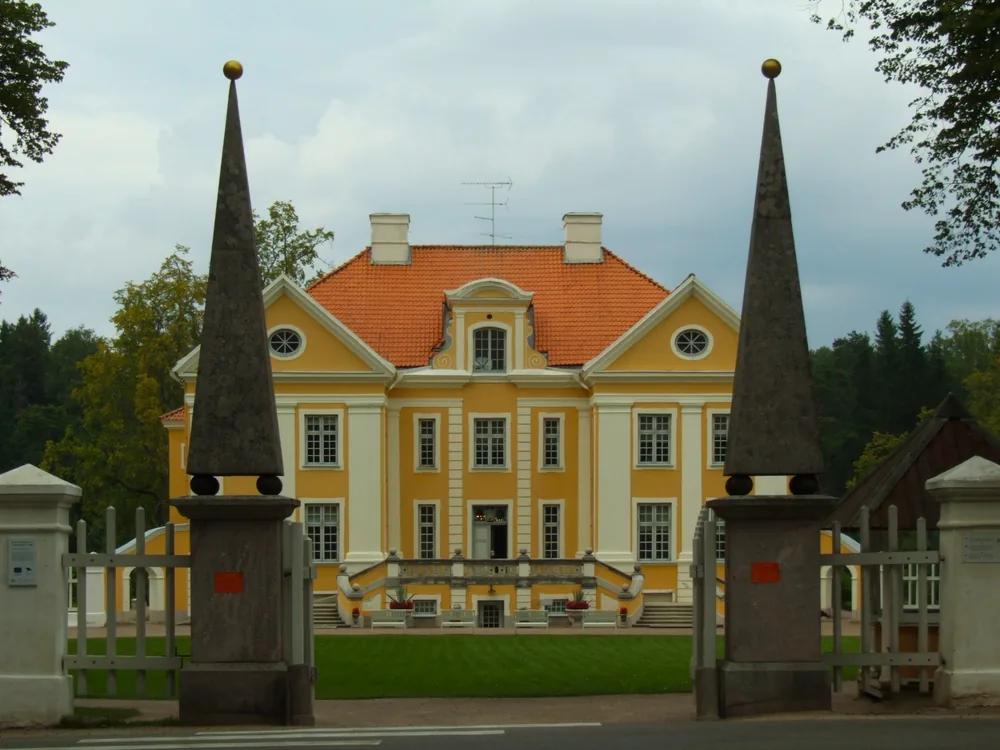
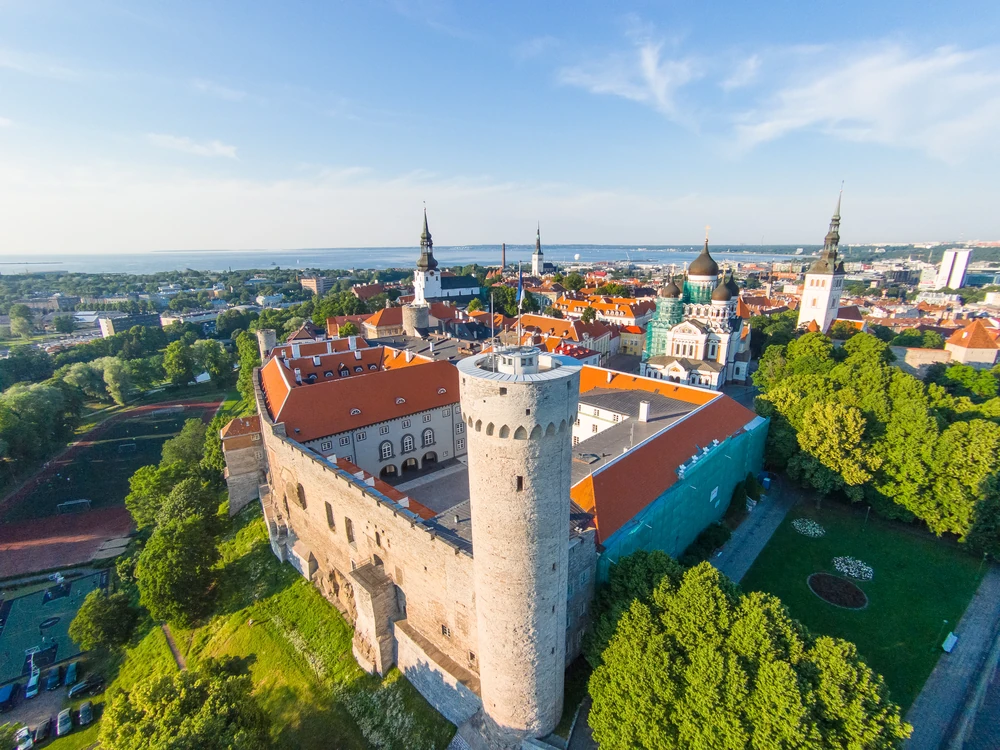
Combine with: Palmse Manor (~10 km east — the other Baltic German manor in Lahemaa, former Cistercian convent site, today the national park visitor centre; the two manors are the twin cultural anchors of Lahemaa and are covered by the same tour on a seasonal alternation basis) and Toompea Castle (~70 km west in Tallinn — Estonia's medieval seat of power on the limestone hill above the old town, today housing the Estonian Parliament).
Frequently Asked Questions
No. The GetYourGuide Lahemaa full-day tour from Tallinn is explicit on this point: the tour description states 'Entrance to the manor is not included in the regular tour price.' The tour price covers round-trip transport from Tallinn and a guide for the grounds and national park programme. Visitors who want to enter the Manor Museum or the Forest Museum of Estonia should budget for the separate entrance fee (~€8 per adult) paid on-site at Sagadi.
Location
Sagadi Manor, Sagadi küla, 45403 Haljala vald, Estonia
Nearby Castles
Tours & Tickets
Powered by GetYourGuide
From
€119/ person