
Château de Salignac
Château de Salignac
France · Nouvelle-Aquitaine (Dordogne) · Near Salignac-Eyvignes, near Sarlat
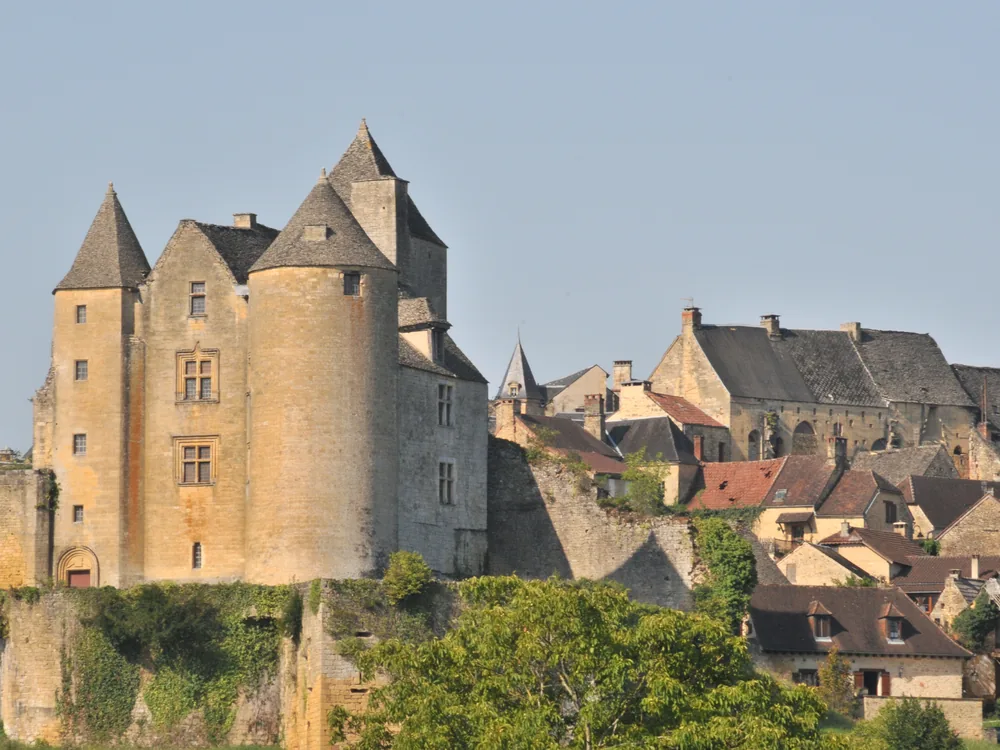
Built 1155 · Medieval château in the Périgord Noir, documented from the 12th century and seat of the Salignac noble family for several centuries; the name Salignac is associated with François de Salignac de la Mothe-Fénelon, bishop of Cambrai and author of Télémaque (1699), who was born near here in 1651; the château is a privately owned medieval complex undergoing active restoration, with elements spanning from the 12th to the 17th centuries including towers, curtain walls, and a main residential range; the GetYourGuide guided tour is for ADULTS ONLY (18+) and offers a visit that may include participation in active restoration work and behind-the-scenes access to the restoration process; the Salignac château is located in the Périgord Noir, the most château-dense region of the Dordogne, within 25 km of Beynac and Castelnaud
This page is part of an independent travel guide and is not affiliated with, endorsed by, or operated by Château de Salignac.
© Castles & Palaces
Quick Facts
- Hours
- Wed–Sun 10:00–17:00. Closed Mon & Tue
- Guided tour from
- €10
- Duration
- 1.5–2 hours
- Best time
- May to September
- Booking
- Required — book 2+ days ahead
- Nearest city
- Salignac-Eyvignes, near Sarlat
Featured Tour
Château de Salignac: Guided Tour (Adults 18+ Only)
Cancellation available · Instant confirmation
Highlights
- ✦ADULTS ONLY (18+): The GetYourGuide guided tour is for adults aged 18 and over exclusively — visitors under 18 cannot be admitted; this restriction applies to all visits on this ticket and should be confirmed before booking
- ✦Château de Salignac offers something that the most-visited châteaux of the Dordogne — Beynac, Castelnaud, Milandes — do not: a working restoration in progress, with visitors able to see the medieval structure in its current state of repair and potentially engage with the restoration process rather than encountering a finished and polished heritage presentation
- ✦The Salignac name connects the château to François de Salignac de la Mothe-Fénelon (1651–1715) — the Archbishop of Cambrai, educator of the Duke of Burgundy at the court of Louis XIV, and author of Télémaque (1699), the political novel disguised as a Homeric sequel that circulated in manuscript across Europe as a veiled critique of Louis XIV's absolutist rule and influenced the 18th-century Enlightenment's thinking on education and governance
- ✦The Périgord Noir — the Black Périgord, so called for the density of its truffle-oak and chestnut forests — is the most château-saturated landscape in France after the Loire Valley: within 25 km of Salignac-Eyvignes stand Beynac, Castelnaud, Milandes (Josephine Baker's château), Fénelon (another connection to the Salignac-Fénelon family), and Château de Commarque; choosing Salignac adds the restoration dimension that the more famous sites lack
- ✦The Dordogne river valley visible from the hills around Salignac-Eyvignes is one of the most photographed pastoral landscapes in France — the river's reflection of the golden limestone cliffs, the meadows and walnut orchards, and the château silhouettes on their promontories provide the visual context that makes the Périgord Noir one of the most visited rural regions in the country
Skip the queue with a guided tour
Skip-the-line tickets & expert guides
The Périgord Noir takes its name from the density of the truffle-oak and chestnut forest that covers the limestone plateau of the southern Dordogne, giving the landscape its characteristic dark canopy and producing the black truffles that make this one of the most gastronomically significant territories in France. The landscape is also the most château-dense in France after the Loire Valley: the Dordogne river and its tributaries cut dramatic gorges through the plateau, the limestone cliffs that line the gorges make natural defensive positions, and on those positions the English and French built and contested castles from the 12th century through the Hundred Years' War and beyond. The result is a landscape where a 25-kilometre drive covers Beynac, Castelnaud, Milandes, Fénelon, and Commarque — a concentration of medieval military architecture per square kilometre that has no equivalent in France outside the Loire.
Château de Salignac sits above the town of Salignac-Eyvignes approximately 20 kilometres northeast of Sarlat-la-Canéda, the principal market town of the Périgord Noir. The château is documented from the 12th century — earliest references place the Salignac family here from around 1155 — and developed across the medieval period as a noble residence and local administrative centre. The main structure combines elements from the 12th through 17th centuries: towers of different periods, curtain walls at various stages of construction and repair, and a main residential range that underwent modifications across the centuries. The family who gave the château its name is now more famous for a later member than for their medieval castle history.
François de Salignac de la Mothe-Fénelon was born in 1651 in the Château de Fénelon, a related property approximately 10 kilometres to the south, not in Château de Salignac itself — but the family name connects both properties to one of the more interesting literary and political figures of Louis XIV's France. Fénelon is best known for Les Aventures de Télémaque, a novel published in 1699 that presented itself as a continuation of Homer's Odyssey, following Telemachus through a series of kingdoms with the guidance of the goddess Minerva. The political content was not subtle to contemporaries: Télémaque was a systematic critique of Louis XIV's absolutism, his wars, his taxation, and his court culture, disguised as classical mythology. The novel circulated in manuscript at Versailles and embarrassed the king sufficiently that Fénelon, who was already in disfavour for his association with the Quietist religious movement, was effectively exiled to his archbishopric at Cambrai for the rest of his life. The book then spread across Europe in print, was translated into most European languages, and influenced the political thinking of the 18th century Enlightenment more broadly than most explicitly philosophical texts of the period.
The château's current state is one of active restoration. The building was not maintained continuously across the 19th and 20th centuries in the way that the most famous Dordogne châteaux were, and it passed through the post-war period in a condition of gradual decay that required significant intervention to prevent further structural deterioration. The current owners have undertaken a restoration programme that is ongoing — which creates the specific visitor experience that the GetYourGuide tour offers: not a finished heritage presentation with polished rooms and interpretive panels, but a working building in progress, where the restoration scaffolding, the exposed medieval stonework, and the visible stages of repair give visitors access to the material reality of what maintaining a medieval structure actually involves.
The adults-only restriction on the GetYourGuide ticket (18+) requires clear flagging before booking. This restriction applies to all visitors on the ticket — no exceptions, no children, no reduced-rate family tickets. The practical implication is that visitors with children need to plan Château de Salignac separately or visit one of the many other Périgord Noir châteaux that have family-oriented programming. The restriction is the property owner's choice and reflects the nature of an active restoration site where safety considerations and the character of the visit experience influence who can be admitted.
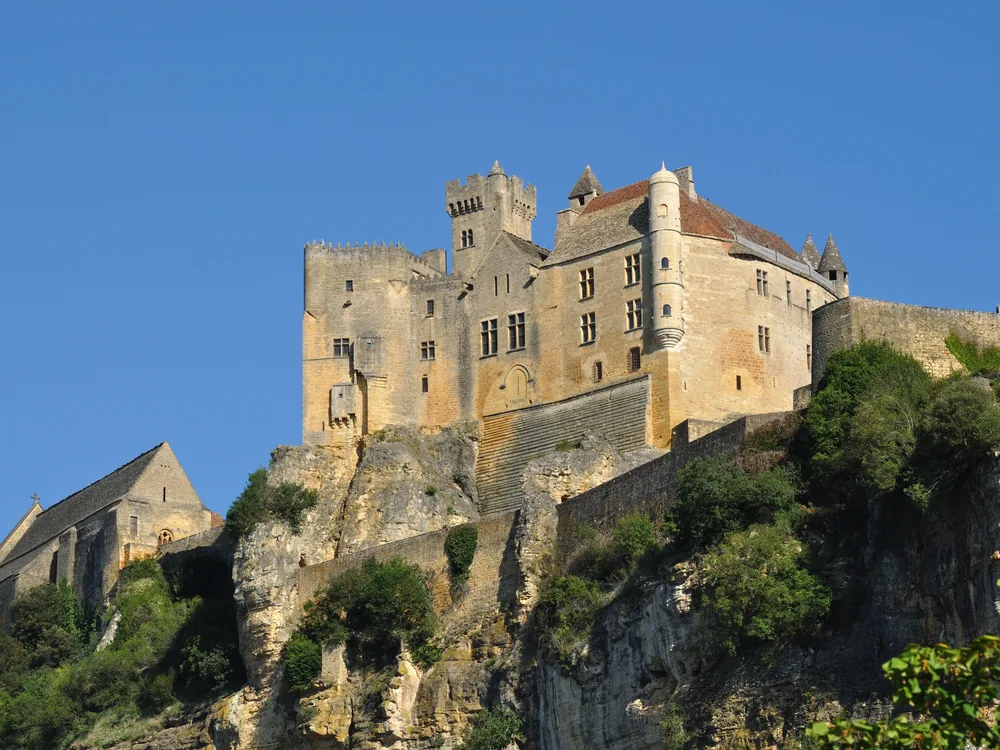
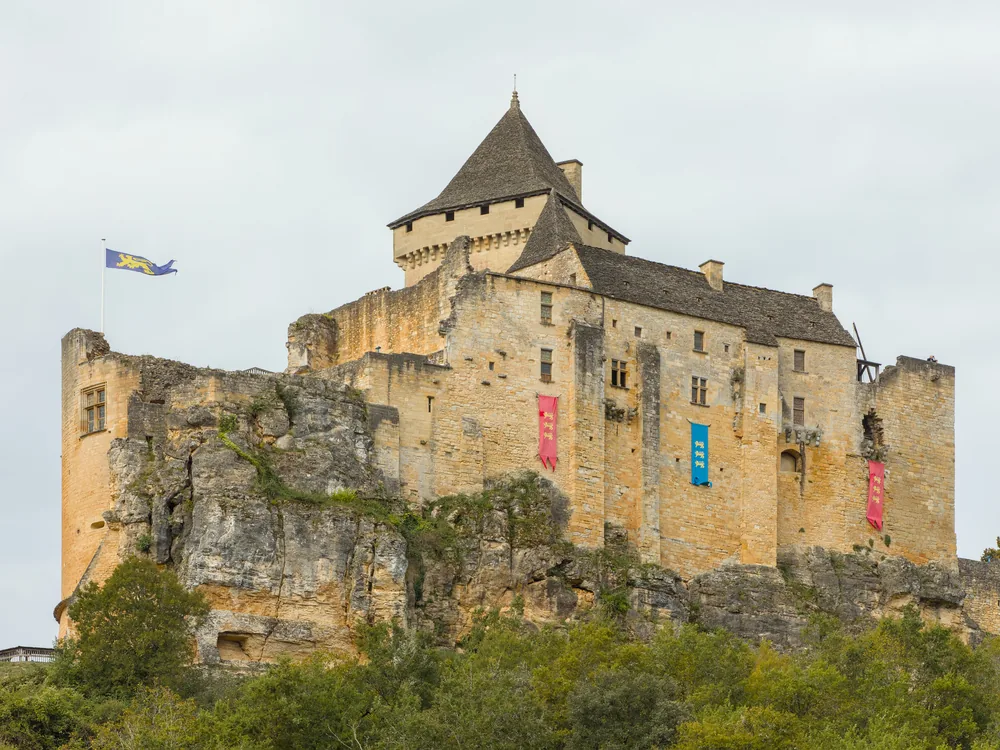
The Dordogne valley south of Salignac is the natural extension of the visit. Château de Beynac — already on this site — is one of the most dramatically positioned castles in France: a limestone cliff castle above the Dordogne river, with views along the valley that have been used as film backdrops for medieval settings dozens of times. Château de Castelnaud, across the river from Beynac, is the former English-held fortress (most of the Dordogne was English-controlled territory during the Hundred Years' War, which explains the density of fortifications) and now houses a weapons and military history museum. The two châteaux face each other across the Dordogne in a way that makes the Hundred Years' War's physical geography immediately visible. Salignac adds to this the less touristed, more authentically in-progress layer of the Périgord Noir's living castle heritage. The Château de Fénelon, approximately 10 kilometres south and directly associated with the Salignac family through the author François de Salignac de la Mothe-Fénelon, is separately ticketed and open to visitors — the combination of the two Salignac-Fénelon properties in a half-day circuit gives visitors the medieval context of the family's territorial base and the literary connection of the châteaux's most famous name on a single Périgord morning. Sarlat-la-Canéda, the region's principal town, is the right base: its medieval street plan, amber-stone market buildings, and Saturday market make it the cultural centre of the Périgord Noir for visitors spending more than a day.
History
Château de Salignac is documented from approximately 1155 as the seat of the Salignac noble family in the Périgord Noir. The château developed across the 12th to 17th centuries with successive building phases evident in the tower and wall construction. The family name connects the site to the wider Salignac-Fénelon dynasty, which produced François de Salignac de la Mothe-Fénelon (1651–1715), Archbishop of Cambrai and author of Télémaque (1699). The château fell into disrepair during the 19th and 20th centuries and is currently undergoing active restoration by its private owners. The GetYourGuide guided tour provides structured adult visitor access (18+) to the restoration in progress.
How to Visit
Getting there: By car from Sarlat-la-Canéda, approximately 20 km northeast on the D60 (~25 min). Sarlat is the regional base for Périgord Noir châteaux — it has a SNCF train station (connections via Bordeaux or Périgueux) but no public transport to Salignac itself. A car is required.
Tickets: Walk-up admission is €14 for adults (adults 18+ only — no children admitted). Advance booking is required; the château is not a standard walk-up attraction. The GetYourGuide guided tour covers a 1.5–2 hour guided visit with behind-the-scenes access to the active medieval restoration in progress.
Practical tips: The adults-only restriction (18+) is strictly enforced on all visits — confirm this before booking if visiting with any companion under 18. Some areas of the château may be temporarily inaccessible depending on current restoration work; expect an experience of scaffolding and exposed medieval stonework rather than a polished heritage presentation.
Combine with: Château de Beynac (25 km south, dramatic cliff castle above the Dordogne river) and Château de Castelnaud (28 km south, Hundred Years' War military museum) are the essential Périgord Noir pairings — both are family-accessible and together with Salignac form a full day in the Black Périgord.
Frequently Asked Questions
The GetYourGuide guided tour is designated for adults aged 18 and over only, reflecting the property owner's restrictions for this specific ticket. The château is an active restoration site, and the visit may include access to areas with safety considerations that make it unsuitable for children. The restriction is absolute — visitors under 18 cannot be admitted on this ticket. Families with children should visit the nearby châteaux of Beynac or Castelnaud, both of which have family-appropriate programming.
Location
Le Bourg, 24590 Salignac-Eyvignes, France
Nearby Castles
Tours & Tickets
Powered by GetYourGuide
From
€10/ person