Château Olivier
Château Olivier
France · Nouvelle-Aquitaine, Gironde — Pessac-Léognan appellation, 10km south of Bordeaux · Near Bordeaux
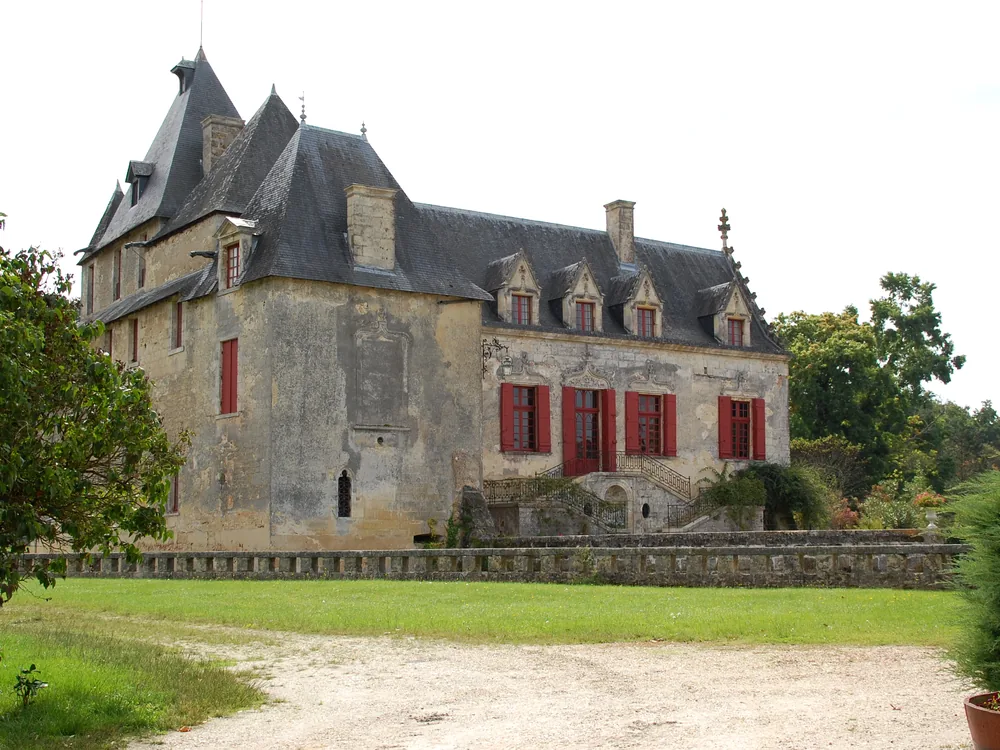
Built 1300 · Medieval fortified manor house (Petit château-fort) of the 14th century — a relatively modest fortified structure by French castle standards, consisting of a main residential tower and connecting wings around an interior courtyard, built in the defensive domestic tradition of the Graves/Léognan area rather than as a military fortification; subsequent modifications in the 16th–19th centuries adapted the interior for wine production; the characteristic French château-fort of this type was built to protect a wine-producing estate rather than to anchor a military territory, and its surviving medieval architecture — stone towers, moat traces, arrow-slit windows — reflects this mixed residential-defensive function
This page is part of an independent travel guide and is not affiliated with, endorsed by, or operated by Château Olivier.
© Castles & Palaces
Quick Facts
- Hours
- Mon–Sat 09:00–17:00. Closed Sun
- Guided tour from
- €20
- Duration
- 1 hour (guided winery tour + Bordeaux wine tasting)
- Best time
- September to October
- Booking
- Required — book 1+ days ahead
- Nearest city
- Bordeaux
Featured Tour
Château Olivier: 1-Hour Winery Tour & Bordeaux Wine Tasting
Cancellation available · Instant confirmation
Highlights
- ✦14th-century fortified manor — the château building dates from the early 14th century, a compact fortified residential tower with medieval stone character; its origin as a medieval fortification rather than a later ornamental château gives it a different architectural atmosphere from the grander 18th–19th-century Bordeaux châteaux
- ✦220-hectare biodiversity reserve — the estate encompasses 220 hectares, of which only 65 hectares are planted with vines; the remaining 155 hectares of forest, meadow, and wetland constitute one of the largest private biodiversity reserves in the Pessac-Léognan appellation; the reserve is actively managed for biodiversity and is part of the estate's environmental credentials
- ✦Pessac-Léognan appellation — one of Bordeaux's most prestigious appellations for white wine; Château Olivier produces both red (Cabernet Sauvignon/Merlot blend) and white (Sauvignon Blanc/Sémillon blend) under the AOC Pessac-Léognan classification; the white is widely considered the estate's strongest wine
- ✦Cru Classé de Graves — Château Olivier was classified in the 1953 Classification of Graves wines, one of 16 châteaux in the Pessac-Léognan appellation to hold this official quality designation, which was confirmed in the 1959 revision
- ✦Top-rated winery experience — the GetYourGuide winery tour is the highest-rated castle-associated GetYourGuide product in the Bordeaux area in our database; the tour covers the medieval château, the winery production process, and a tasting of the estate's current red and white wines
- ✦10km from Bordeaux — the easiest major classified Bordeaux château to visit without a car; the Pessac-Léognan appellation is the only Bordeaux sub-region directly adjacent to the city, making Château Olivier accessible by tram and bus from central Bordeaux in approximately 30 minutes
Skip the queue with a guided tour
Skip-the-line tickets & expert guides
Château Olivier occupies a 220-hectare estate in the commune of Léognan, 10 kilometres south of Bordeaux's city centre in the Pessac-Léognan appellation — the sub-region of Bordeaux most closely adjacent to the city, and the only classified Graves appellation to have been absorbed into the urban/suburban growth of the metropolitan area without losing its wine-producing identity. The château building itself dates from the early 14th century, a compact fortified manor of the type built across the Graves (the gravel-soiled zone south of the Garonne) to protect wine-producing estates in a period when the English-French conflicts over Gascony made even domestic architecture politically uncertain.
The medieval tower and connecting wings of the château are built in local stone with the defensive vocabulary — small arrow-slit windows, thick walls, traces of a surrounding moat — of a building designed to resist a local raiding party rather than to withstand a siege by a major military force. The scale is distinctly domestic compared to the great Loire Valley or Périgord castles; this is a wine producer's fortified house, not a territorial lord's keep. In this it is representative of the wider Bordeaux château tradition: buildings oriented around the practical requirements of wine production within a residential and, in some eras, defensive framework.
The estate today is most notable for two things that are only loosely related to the medieval building: the quality of its wines, particularly the white, and the scale of its biodiversity reserve. Of the château's 220 hectares, only 65 hectares are planted with vines under the AOC Pessac-Léognan classification. The remaining 155 hectares are forest, meadow, and wetland managed as a private nature reserve — an unusually large proportion of undeveloped land for an appellation that is under considerable pressure from the suburban expansion of Bordeaux. The estate has formal biodiversity programmes and works with environmental organisations on habitat management.
The wines produced at Château Olivier are classified under the 1953 Cru Classé de Graves designation (confirmed 1959), one of 16 Pessac-Léognan estates holding this classification. The estate produces both red (principally Cabernet Sauvignon and Merlot) and white (Sauvignon Blanc and Sémillon) wines. The white Château Olivier is consistently considered the stronger wine by critics — the Pessac-Léognan appellation is notable within Bordeaux for producing significant white wines in a region overwhelmingly associated internationally with red, and Château Olivier's white represents the appellation well at a price point below the classified growth leaders (Haut-Brion Blanc, Laville Haut-Brion).
The GetYourGuide winery tour covers the medieval château building with a brief architectural introduction, the winery cellar and barrel rooms with an explanation of the Pessac-Léognan production process, and a tasting of the current red and white wines. It is the highest-rated château-based experience in our Bordeaux coverage. The tour is by appointment and should be booked in advance via GetYourGuide or directly with the château.
The practical advantage of Château Olivier over the more celebrated Bordeaux classified growths (Margaux, Pauillac, Saint-Émilion) is accessibility: Léognan is within the Bordeaux urban transport network, reachable by tram A and connecting bus from central Bordeaux in approximately 30 minutes without a car. Most of the Médoc châteaux — the great names of Pauillac and Saint-Julien — require a car or organised tour to visit. Château Olivier's proximity to the city, combined with its medieval building, classified status, and the biodiversity reserve context, makes it a distinctive alternative to the more conventionally visited Bordeaux wine estates.
History
Château Olivier established as a fortified wine estate on the Léognan site approximately 1300–1340. Medieval tower and main building constructed. Estate produces wine through subsequent centuries of ownership. 1860s: Edward, Prince of Wales (later Edward VII) visits the estate — a historical association reflected in the estate's archive. 1953: Classified as Cru Classé de Graves in the official Graves classification; confirmed 1959. Estate conversion to responsible viticulture and biodiversity management in the 21st century; 220-hectare reserve formally established.
How to Visit
Getting there: From central Bordeaux by tram line A to Pessac Grand-Parc then connecting bus (~30–40 min); confirm the current route at infotbc.com. By taxi approximately 20 minutes. By car, take the D651 south from Bordeaux centre toward Léognan.
Tickets: Admission is €20 for adults, €10 for children. Advance booking is required — this is an appointment-only tour, not walk-in. The GetYourGuide winery tour and Bordeaux wine tasting covers a 1-hour guided visit of the medieval château building, the winery cellar and barrel rooms, and a tasting of the current red and white wines.
Practical tips: The white wine is the estate's strongest product — ask the guide for context on why the Pessac-Léognan appellation produces serious whites when the rest of Bordeaux focuses on red. The 14th-century fortified manor is architecturally modest compared to the Loire Valley, so come for the wine and the classified-growth tasting, not the castle architecture.
Combine with: Château Picque Caillou is nearby in Pessac and makes a natural second Pessac-Léognan stop on the same day. Château du Taillan in the Haut-Médoc offers a contrasting left-bank experience ~15 km northwest, including the site's 16th-century classified cellars and a Cru Bourgeois Exceptionnel red.
Frequently Asked Questions
Yes — the GetYourGuide tour is by appointment only, not a walk-in experience. Book via GetYourGuide or directly at chateau-olivier.com. The strong rating suggests the tour is excellent but small-scale; same-day booking is unlikely to work in peak season.
Location
175 Avenue de Bordeaux, 33850 Léognan, France
Nearby Castles
Tours & Tickets
Powered by GetYourGuide
From
€20/ person