Château Saint Ahon
Château Saint Ahon
France · Bordeaux — Gironde, Blanquefort, Médoc · Near Bordeaux
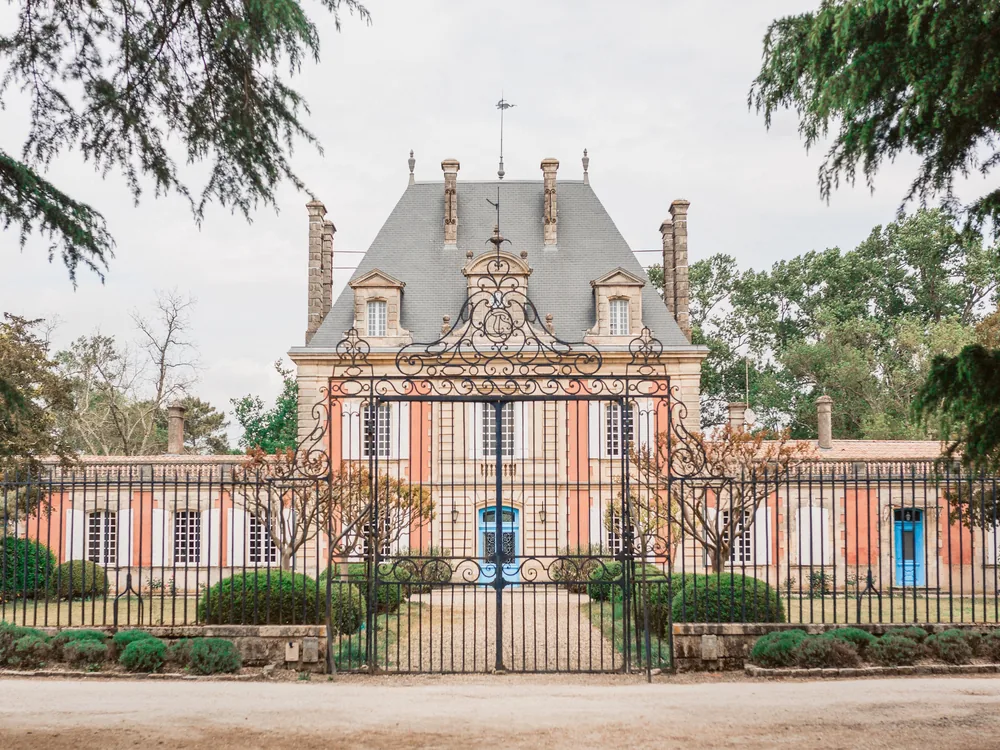
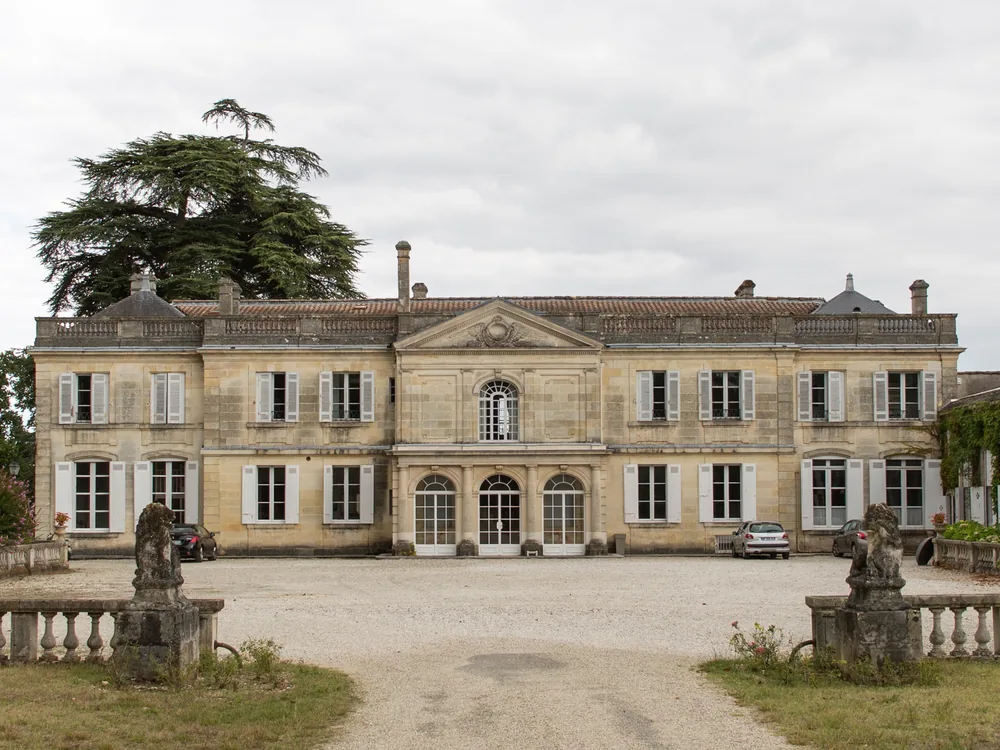
Built 1720 · 18th-century neo-classical Médoc wine château in the Louis XV tradition — the main building presents a symmetrical two-storey rendered façade with regular window arrangement and a central entrance bay typical of the prosperous Bordeaux merchant and estate-owner architecture of the early modern period; the agricultural and viticultural structures — the chai (barrel-aging cellar), cuvier (fermentation building), and the geometric vine rows of the AOC Haut-Médoc appellation — are the working heart of the estate; the surrounding northern Médoc landscape of flat alluvial gravel soils and regular vine row geometry is the primary visual context for the château building, which reads as the residential centrepiece of an agricultural estate rather than as an isolated architectural monument
This page is part of an independent travel guide and is not affiliated with, endorsed by, or operated by Château Saint Ahon.
© Castles & Palaces
Quick Facts
- Hours
- Mon–Sat By appointment. Closed Sun
- Guided tour from
- €18
- Duration
- 1 hour (cellar tour + tasting)
- Best time
- April to October
- Booking
- Required — book 2+ days ahead
- Nearest city
- Bordeaux
Featured Tour
Bordeaux: Classic Tour of Château Saint Ahon
Cancellation available · Instant confirmation
Highlights
- ✦The chai and barrel-aging cellar — the visit's architectural centrepiece is the working chai, where the estate's AOC Haut-Médoc wines age in French oak barrels; the cool, dimly lit cellar with its stacked barrel rows is the most atmospheric space on the estate and the one that most directly connects the visitor to the Médoc's viticultural tradition
- ✦The Haut-Médoc terroir — the vine rows of Blanquefort's gravel and clay soils represent the northern end of the Médoc's characteristic growing environment; a guided walk through the vine rows explains how the drainage and soil composition of the alluvial gravel terroir produces the structured, Cabernet Sauvignon-dominated wines of the AOC Haut-Médoc appellation
- ✦The Route des Châteaux context — Saint Ahon sits at the Bordeaux end of the D2, the road that threads through the most prestigious Médoc communes northward to Pauillac and Saint-Estèphe; the estate is an accessible starting point for northern Médoc wine exploration without the longer drive required to reach the classified cru communes
- ✦The 18th-century neo-classical building — while the château interior is a private residence, the symmetrical Louis XV façade and formal estate composition represent the visual language that gave the Bordeaux estate tradition its enduring identity; the building is the backdrop to the vine rows and the chai, completing the classic Médoc estate picture
- ✦The guided tasting — the cellar tour concludes with a tasting of the estate's current Haut-Médoc releases, contextualised within the estate's production methods and the broader Bordeaux appellation system; a focused, accessible one-hour wine education for visitors across the full spectrum of wine knowledge
Skip the queue with a guided tour
Skip-the-line tickets & expert guides
Château Saint Ahon is an 18th-century wine estate in Blanquefort, fifteen kilometres north of Bordeaux along the Route des Châteaux. The château building — a symmetrical neo-classical manor in the Louis XV tradition — is a private family residence, and visitors do not enter the interior. What draws visitors to Saint Ahon is the AOC Haut-Médoc wine experience that surrounds the building: the chai (barrel-aging cellar), the vine rows of the northern Médoc's characteristic gravel terroir, and the guided tasting that brings the estate's wines into direct relationship with the landscape and methods that produced them.
The Médoc peninsula extends north from Bordeaux along the left bank of the Gironde estuary, its flat alluvial gravel soils and long, mild growing season producing the structured Cabernet Sauvignon-dominated red wines that gave Bordeaux its global reputation. The northern Médoc — the AOC Haut-Médoc that encompasses Blanquefort and the estates of the Route des Châteaux — lies between Bordeaux's northern city limits and the more celebrated Margaux, Saint-Julien, and Pauillac communes. It is a working agricultural landscape rather than a showpiece wine region: the vine rows are the primary visual element, the chais are functional buildings, and the châteaux are working estate houses rather than palatial set-pieces.
Château Saint Ahon's 18th-century origins place it in the period when the Bordeaux wine trade was consolidating its European reputation and the great Médoc estates were taking the architectural form — château building plus agricultural complex plus vine rows — that still defines the appellation's visual identity. The estate produces AOC Haut-Médoc wines from the gravel and clay soils of Blanquefort, a commune sitting at the Bordeaux end of the Médoc peninsula, where the city's northern suburbs give way to the first vine rows of the appellation.
The visitor experience at Saint Ahon is a guided tour format: a walk through the chai and along the vine rows, with explanation of the viticulture and vinification process, followed by a tasting of the estate's current releases. The GetYourGuide tour (approximately 1 hour) covers the full chai and tasting experience. The format is designed for visitors without specialist wine knowledge as well as those with more background in Bordeaux viticulture — the guide contextualises Saint Ahon within the Médoc appellation and within the broader tradition of the Route des Châteaux.
The estate is fifteen kilometres from central Bordeaux, making it a practical half-day excursion by car. The Route des Châteaux — the D2 north through the Médoc communes — passes dozens of estate gates, and Saint Ahon sits at the Bordeaux end of this route, near Château du Taillan and other northern Médoc estates. Visitors can construct a focused Haut-Médoc wine exploration — two estates, one morning — without the longer drive required to reach the Pauillac or Saint-Estèphe classified cru communes.
History
Saint Ahon's story is embedded in the larger narrative of the Bordeaux wine trade's 18th-century expansion and the transformation of the Médoc from a relatively marginal agricultural zone into one of the most sought-after wine regions in Europe. Dutch and English demand for Bordeaux wines in the late 17th and early 18th centuries created powerful market incentives for landowners along the Médoc peninsula: vine planting in the characteristic gravel soils accelerated, and the ensemble of château building, cuvier, and chai became the standard format for a Bordelais estate of ambition. Saint Ahon's construction in the early 18th century was one of many such efforts in the northern Médoc during this period, its neo-classical manor expressing the aspirations of an estate owner who understood that architecture and landscape were as important as wine quality in establishing a Médoc property's prestige and market position. The estate's long continuity as a private family residence — the château building has remained a family home rather than passing into corporate or institutional ownership, as many grand Médoc châteaux eventually did — has preserved a character of personal ownership that is increasingly rare in the appellation. The establishment of the AOC Haut-Médoc designation gave the estate's wines their formal appellation identity within the hierarchical Bordeaux classification framework, and the guided tour format developed for visitors has made a property that was historically known only to Bordeaux trade buyers accessible to the travelling public.
How to Visit
Getting there: From central Bordeaux by car: approximately 20 minutes north on the D210/D2 to Blanquefort (~15 km). The Route des Châteaux (D2) passes the estate entrance — follow signs from Blanquefort village. A suburban train connects Bordeaux Gare Saint-Jean to Blanquefort (approximately 15 minutes), from which the estate is a 10-minute taxi ride or a 25-minute walk.
Tickets: No walk-up entry — visits are by guided tour only. The GetYourGuide tour — a cellar and tasting experience including a guided walk through the chai and vine rows, with a tasting of Haut-Médoc wines — is bookable in advance. Note: the château building itself is a private residence; visitors do not enter the interior. Book at least 2 days in advance; book further ahead in high season (June–September).
Practical tips: The chai is cool year-round — bring a light layer even in summer. The vine rows are most visually compelling from May through October when the vines are in full leaf; September visits coincide with harvest preparations and give the strongest sense of the estate's agricultural calendar. Arrange your transport home before the tasting — driving after a Bordeaux estate tasting is inadvisable.
Combine with: Château du Taillan (a few kilometres north on the D2 — another northern Médoc estate with a different architectural character; a practical two-estate Haut-Médoc half-day from Bordeaux).
Frequently Asked Questions
No — the estate is a private wine property and visits are by guided tour only, with advance booking required. Walk-in visitors are not received. The GetYourGuide tour (from €18) allows booking two or more days ahead and confirms your visit directly. Book early in high season (June through September), when the estate's tour capacity fills most quickly.
Location
Château Saint Ahon, 33290 Blanquefort, France
Nearby Castles
Tours & Tickets
Powered by GetYourGuide
From
€18/ person