
Royal Palace of Gödöllő
Gödöllői Királyi Kastély
Hungary · Pest County · Near Budapest
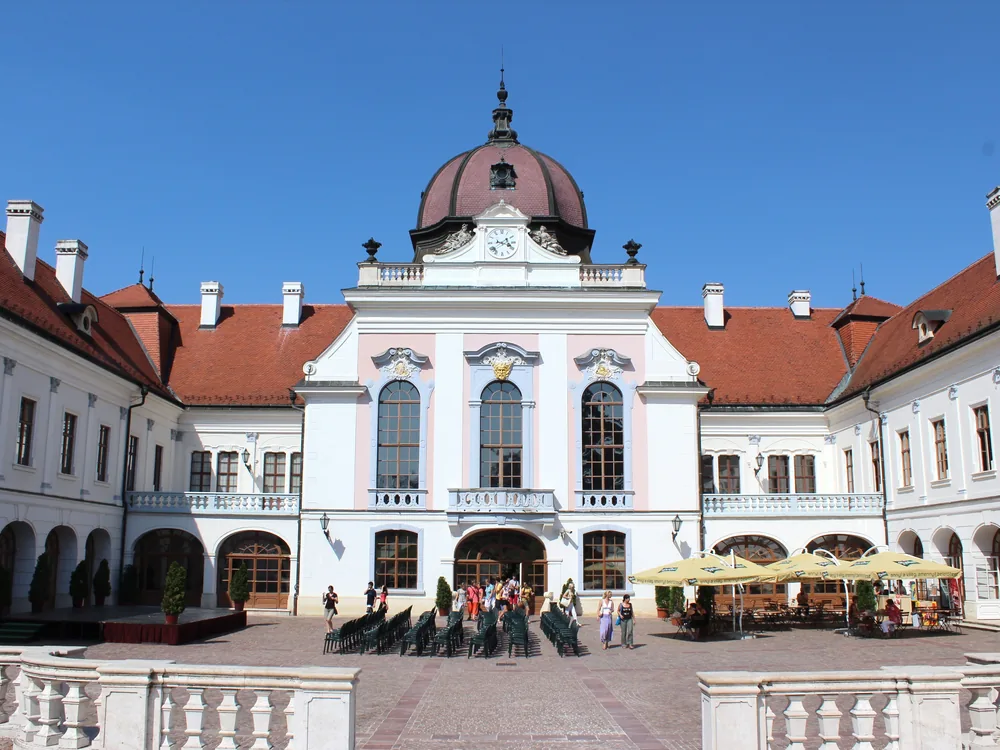
Built 1733 · Largest Baroque palace in Hungary; built 1733–1748 for Count Antal Grassalkovich I; gifted to Emperor Franz Joseph I and Empress Elisabeth (Sisi) by the Hungarian nation after the 1867 Ausgleich; Empress Sisi's favourite residence outside Vienna and the centre of her Hungarian life and equestrian pursuits; heavily damaged and looted during German and Soviet military occupation (1944–1989); major restoration programme since 1994; 30 km northeast of Budapest, accessible by suburban railway (HÉV)
This page is part of an independent travel guide and is not affiliated with, endorsed by, or operated by Royal Palace of Gödöllő.
© Castles & Palaces
Quick Facts
- Hours
- Daily 10:00–18:00
- Entry via GetYourGuide
- €14
- Duration
- 2 hours
- Best time
- Year-round
- Nearest city
- Budapest
Featured Tour
Godollo: The Royal Palace of Gödöllő Ticket
Cancellation available · Instant confirmation
Highlights
- ✦The favourite residence of Empress Elisabeth of Austria (Sisi) outside Vienna — she returned here every autumn for three decades, riding the Hungarian plains, learning the language, and finding in Gödöllő the personal freedom she could not have in the imperial court
- ✦The largest Baroque palace in Hungary, built 1733–1748 for Count Antal Grassalkovich I and gifted to the Habsburg imperial couple by the Hungarian nation following the 1867 Ausgleich (Compromise) that created the dual monarchy
- ✦Systematically stripped of its furnishings and artwork by Soviet forces after 1945; the restoration programme begun in 1994 has reinstated the state apartments, Elisabeth's private rooms, and the Baroque theatre — one of the largest heritage conservation projects in post-communist Hungary
- ✦Accessible from Budapest by HÉV suburban railway in 35–40 minutes — one of the most convenient imperial palace day trips in Central Europe
- ✦The Baroque theatre within the palace complex has been restored and hosts seasonal performances
Skip the queue with a guided tour
Skip-the-line tickets & expert guides
In the autumn of 1867, a 29-year-old empress arrived at Gödöllő for the first time. Elisabeth of Austria — Empress of Austria and, following the Compromise signed earlier that year, Queen of Hungary — had found in the 1867 Ausgleich a political framework that gave Hungary equal constitutional status with Austria within the Habsburg Empire. As part of this settlement, the Hungarian nation gifted the Royal Palace of Gödöllő to the imperial couple as a mark of the new partnership. Franz Joseph accepted, and came regularly; but it was Elisabeth who truly made Gödöllő her own. She returned here again and again across three decades, riding the Hungarian plains on the thoroughbreds she bred and trained herself, hunting with the local hussar officers, learning Hungarian — one of the very few languages besides her native German in which she consistently wrote poetry — and retreating from the ceremonies of Vienna that she found increasingly suffocating. Gödöllő was, by her own account, the place where she was most free.
The palace had been built a century before Elisabeth's arrival. Count Antal Grassalkovich I, one of the most powerful magnates of 18th-century Hungary and a close ally of Empress Maria Theresa during the critical early years of her reign, commissioned the building between 1733 and 1748. The architect was András Mayerhoffer, and the result was the largest Baroque secular building in Hungary — a palace of exceptional scale even by the standards of the Hungarian aristocracy, with wings extending around a central corps de logis in a plan loosely derived from Versailles but adapted to the Hungarian landscape and the specific requirements of Grassalkovich's social ambitions. The palace hosted Maria Theresa herself on multiple occasions; it functioned as the pre-eminent aristocratic seat in the Hungarian plain and as a centre of Hungarian cultural and political life in the second half of the 18th century.
When Gödöllő passed to the Habsburg imperial house in 1867, it was already an established centre of Hungarian identity. Elisabeth's attachment to Hungary was not decorative or performative — she had advocated personally and consistently for Hungarian autonomy within the Empire throughout the 1860s, had developed a genuine command of the Hungarian language, and had cultivated relationships with Hungarian political leaders including Ferenc Deák, the principal architect of the Compromise. Her passion for Hungary was matched by her passion for Gödöllő specifically: for its equestrian facilities, for the relative informality of the court she maintained here compared with Vienna, and for the quality of riding across the great plain. She maintained her own stud, imported Irish hunters, and rode alongside Hungarian hussar officers with a skill that contemporary accounts consistently describe as exceptional.
After World War II, the palace's fate followed the trajectory common to most Central European aristocratic properties under Soviet occupation. The German army used it as a military hospital; the Soviet army occupied it as barracks from 1945 through the communist period; when Soviet forces withdrew in 1989 they left behind a building that had been systematically stripped — furnishings, artwork, decorative fittings, and architectural elements removed over four decades of military use. The restoration programme that began in 1994 has been one of the largest heritage conservation projects in post-communist Hungary. Today approximately half the palace has been restored and opened to visitors, with the remaining wings continuing to undergo work. The restored state apartments — including Elisabeth's private rooms and study, the Ceremonial Hall, and the Baroque theatre — have been refurnished with period-appropriate pieces, many identified from inventories and photographic records from the imperial period.
The practical connection to Budapest is direct and simple. The HÉV suburban railway line H8 runs from Keleti station to Gödöllő in 35–40 minutes, with trains every 20–30 minutes. The palace is a 10-minute walk from Gödöllő HÉV terminus. The combination of imperial history, the Sisi connection, a genuine Baroque interior, and an easy rail journey makes Gödöllő one of the most visited day trips from Budapest — one that requires no car and returns visitors to the city in time for dinner.
History
The palace was built between 1733 and 1748 for Count Antal Grassalkovich I, designed by architect András Mayerhoffer in the Baroque style as the largest private residence in Hungary. The Grassalkovich family maintained it as a summer residence and reception palace through the late 18th century, receiving Maria Theresa on multiple occasions.
After passing through several owners, the palace was gifted by the Hungarian nation to Emperor Franz Joseph I and Empress Elisabeth following the 1867 Ausgleich that created the Austro-Hungarian Dual Monarchy. Empress Elisabeth made it her favourite residence outside Vienna, spending extended periods here each autumn for three decades until her assassination in Geneva in 1898. Her equestrian pursuits, her study of Hungarian, and her personal role in the negotiations leading to the 1867 Compromise made her a uniquely beloved figure in Hungarian national memory.
During World War II the palace served as a military hospital and then as Soviet barracks after 1945. Soviet forces withdrew in 1989, leaving the building severely damaged and stripped of its contents. A major restoration programme began in 1994 and continues; the restored state apartments and Baroque theatre are now open to visitors as one of the principal Habsburg heritage sites in Hungary.
How to Visit
Getting there: Gödöllő is 30 km northeast of Budapest — 35–40 minutes by HÉV suburban railway (line H8) from Keleti station, with trains every 20–30 minutes. The palace is a 10-minute walk from Gödöllő HÉV terminus. By car via the M3 motorway, allow 30–40 minutes from central Budapest.
Tickets: Entry costs €9 at the box office. The GetYourGuide entrance ticket covers all restored state apartments and temporary exhibitions; audio guides in multiple languages are available at the entrance and strongly recommended for the Elisabeth rooms.
Practical tips: Elisabeth's private apartments — her study, dressing room, and autumn rooms — are the emotional centre of the visit, with furnishings reinstated from inventory records and period photographs. The restored Baroque theatre within the palace hosts seasonal performances; check the official calendar before visiting.
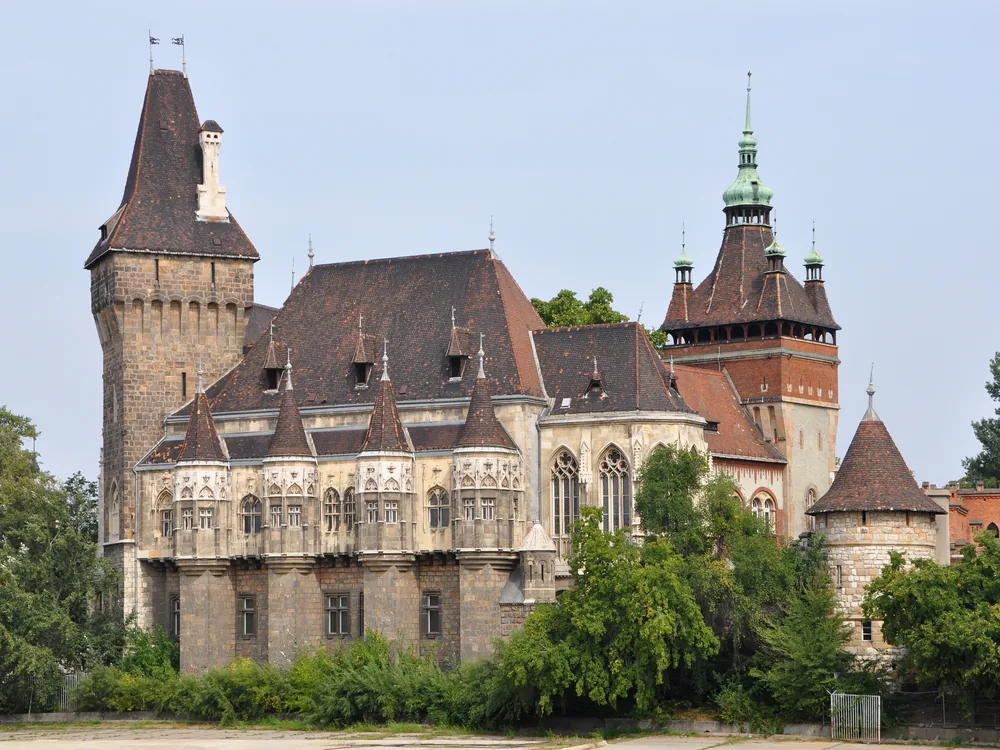
Combine with: Vajdahunyad Castle in Budapest's City Park — a romantic neo-Romanesque castle on the return journey to the city centre.
Frequently Asked Questions
Elisabeth found at Gödöllő a degree of personal freedom unavailable in Vienna. She had a genuine passion for Hungary — she had advocated for Hungarian autonomy during the negotiations leading to the 1867 Compromise, developed a serious command of Hungarian (one of the few languages besides German in which she wrote verse), and cultivated personal relationships with Hungarian political figures. At Gödöllő she could ride without court constraints, maintain a smaller and less formal household, and be away from the Viennese ceremonial life she found oppressive. She returned every autumn for three decades until her assassination in Geneva in 1898.
Location
Szabadság tér 1, 2100 Gödöllő, Hungary
Nearby Castles
Tours & Tickets
Powered by GetYourGuide
From
€14/ person