
Visegrád Royal Palace
Visegrádi Királyi Palota
Hungary · Pest County, Danube Bend · Near Budapest
Built 1323 · Hungarian Gothic / Renaissance
This page is part of an independent travel guide and is not affiliated with, endorsed by, or operated by Visegrád Royal Palace.
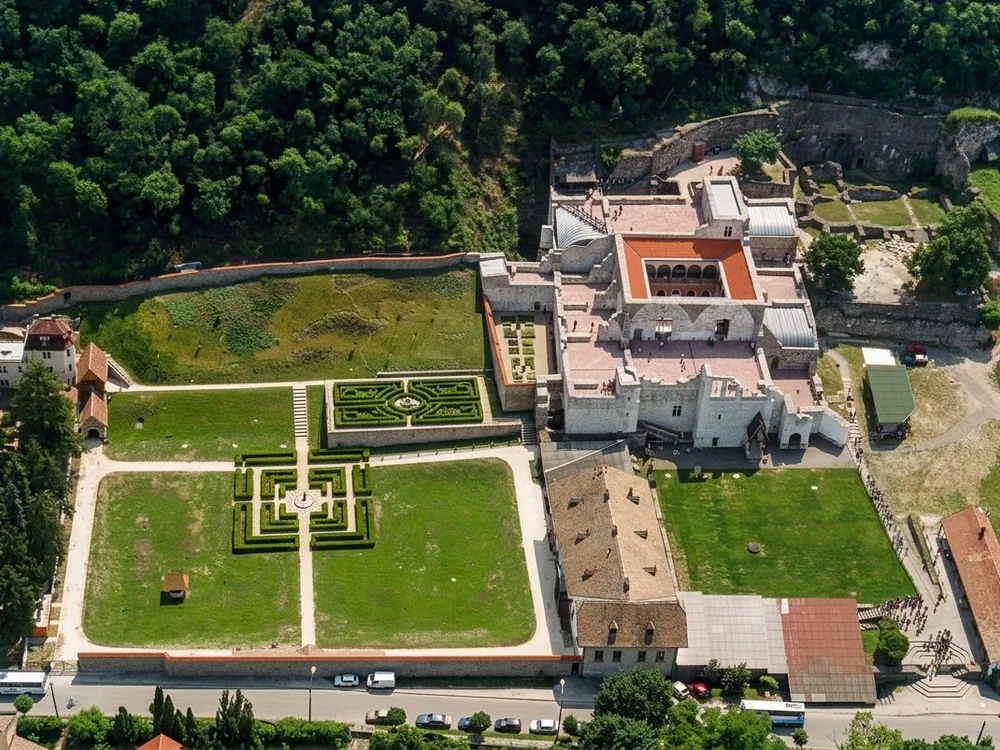
© Unsplash
Quick Facts
- Hours
- Tue–Sun 09:00–17:00. Closed Mon
- Day trip from
- €25
- Duration
- 1.5 hours
- Best time
- April to October
- Nearest city
- Budapest
Featured Tour
Full-Day Visegrád Cruise From Budapest
Cancellation available · Instant confirmation
Highlights
- ✦Most important Renaissance palace in Hungary
- ✦Residence of Matthias Corvinus — Hungary's greatest Renaissance king
- ✦Described by contemporaries as among the most splendid palaces in Europe
- ✦Stunning Danube Bend views from the hillside above the excavations
- ✦Adjacent Visegrád Upper Castle on the hilltop above
Tickets & tours
Book through GetYourGuide
The Royal Palace of Visegrád was once the most celebrated Renaissance court north of the Alps — a palace of fountains, hanging gardens, and gilded halls that dazzled the ambassadors of Renaissance Europe. Built from 1323 for King Charles I of Hungary at the heart of the spectacular Danube Bend, the palace reached its peak under Matthias Corvinus (r. 1458–1490), who transformed it into a Renaissance masterpiece with Italian marble, carved reliefs, and a celebrated Hercules Fountain. Contemporary accounts described it as unmatched in splendour outside Italy. After the Ottoman occupation the palace was abandoned and buried under centuries of silt and rubble, only rediscovered by archaeologists in 1934. Ongoing excavations have revealed the fountain court, chapel, and throne room, displayed in situ alongside a museum of carved stonework.
History
Angevin King Charles I of Hungary made Visegrád his royal residence in 1323, establishing the palace at the great curve of the Danube that would define Hungarian royal geography for over a century. Successive kings expanded and refined it, but the transformation that made Visegrád famous across Renaissance Europe was the work of Matthias Corvinus, who began his reign in 1458 and set about remaking the palace in the Italian Renaissance manner — importing craftsmen from Italy, commissioning marble fountains and carved reliefs, and assembling a library of illuminated manuscripts that contemporaries ranked among the finest north of the Alps.
When Matthias died in 1490, the palace's golden age ended almost immediately. Weak successors, political instability, and the catastrophe of the Battle of Mohács in 1526 left Hungary vulnerable; Ottoman forces occupied Visegrád in 1544. The palace was looted and over the following decades — as the site was abandoned and the terraced hillside gave way — successive landslides gradually buried the entire complex under metres of earth and debris. By the 18th century, the palace's location was uncertain even to local scholars.
Systematic archaeological excavation began in 1934 and has continued in phases ever since, progressively uncovering the palace terraces, the Hercules Fountain, and the layered evidence of both the Angevin and Corvinus-era construction. The work continues today, and the excavated sections — including the reconstructed fountain courtyard — are open to visitors.
How to Visit
Getting there: Visegrád is 45 km north of Budapest on the west bank of the Danube. Regular Volánbusz buses run from Budapest Árpád híd station (about 1 hour). In summer, Danube riverboats connect Budapest, Visegrád, and Esztergom — a highly recommended way to arrive. The palace is in the valley at Fő utca 27.
Tickets: Entry costs €5 (children €3). The GetYourGuide day trip is a 10.5-hour Visegrád Danube cruise from Budapest covering the town and palace in a full-day excursion.
Practical tips: The palace is closed Mondays. Allow 1.5 hours for the excavated courtyard and museum of carved stonework. The reconstructed Hercules Fountain stands in situ in the courtyard; original fragments are displayed in the museum.
Combine with: Visegrád Castle on the hilltop above (separate ticket, about 20 minutes on foot) for a full Visegrád day — then Esztergom Castle 20 km northwest to complete the Danube Bend circuit.
Frequently Asked Questions
After the Ottoman occupation and subsequent abandonment, the terraced palace was gradually buried by landslides from the hillside above, preserving it until 20th-century excavations revealed it.
Location
Fő utca 27, 2025 Visegrád, Hungary
Nearby Castles
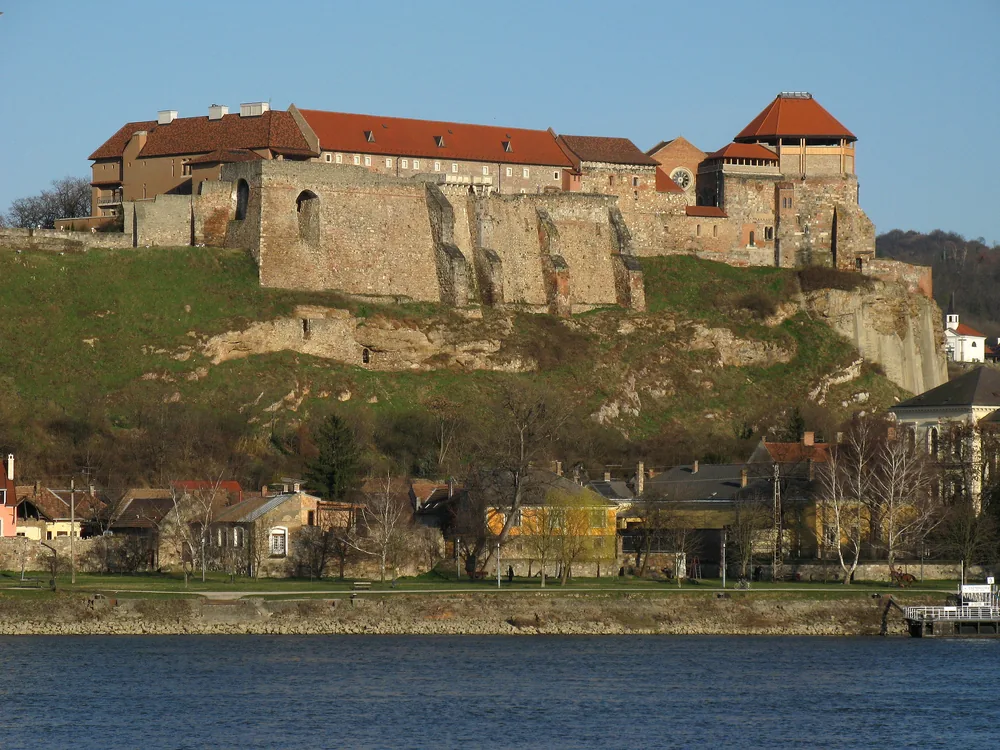
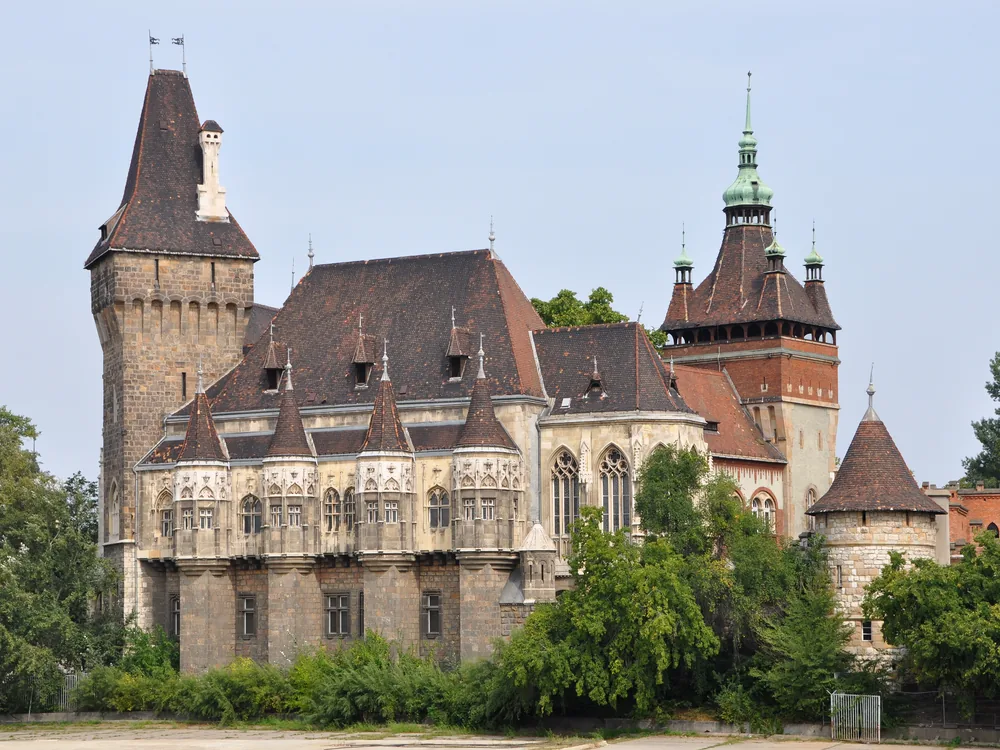
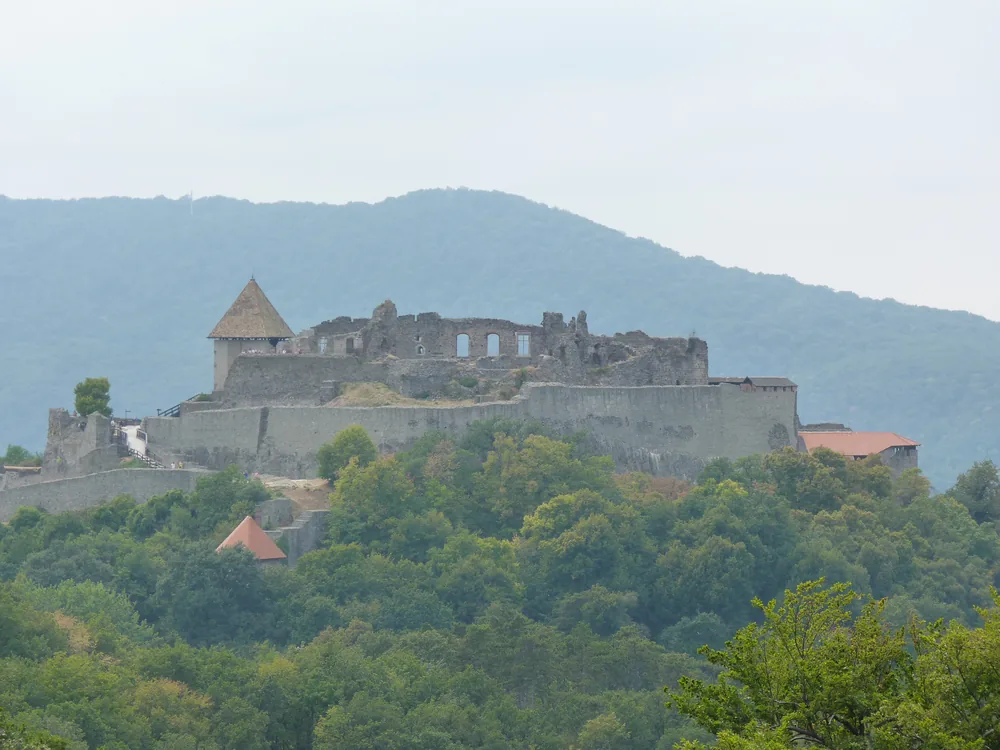
Tours & Tickets
Powered by GetYourGuide
From
€25/ person