Castle Rushen
Cashtal Rosien
Isle of-man · Castletown, Isle of Man · Near Castletown
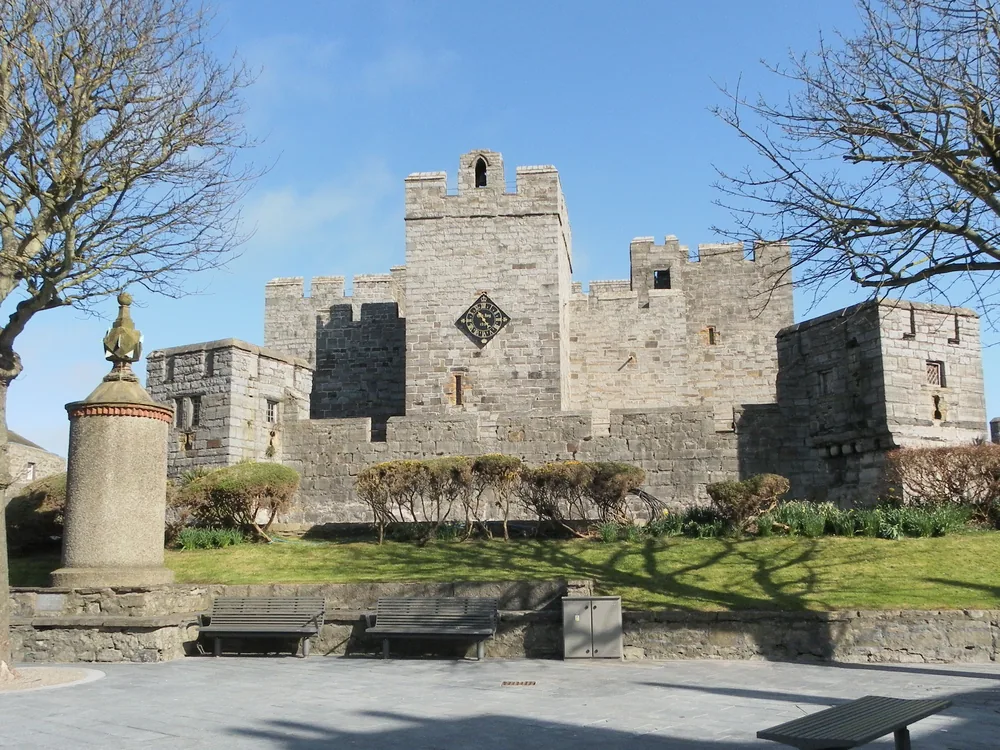
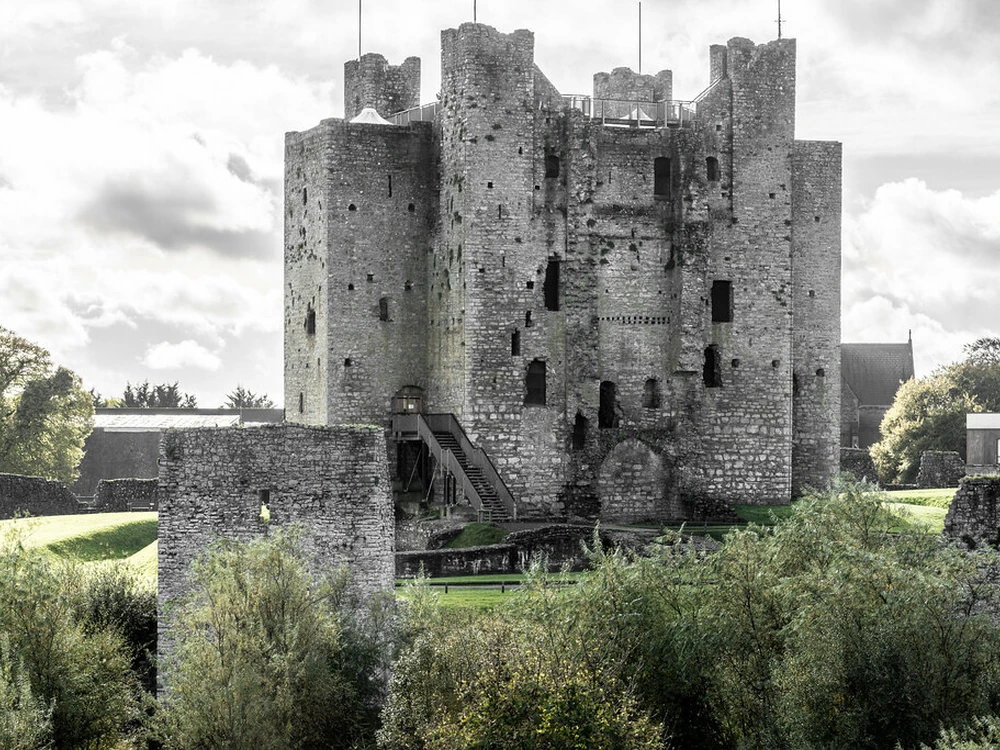
Built 1000 · One of the best-preserved medieval castles in Europe; the core structure is a Norse-period circular keep from the 10th–11th century, successively expanded by the Kings of Man and the Isles, the Scottish and English Lords of Mann, and the Stanley family (Earls of Derby); the Castle is built primarily of limestone with a substantial inner keep, curtain walls, towers, and a gatehouse; period-dress interpretation staff and lived-in presentation throughout
This page is part of an independent travel guide and is not affiliated with, endorsed by, or operated by Castle Rushen.
© Castles & Palaces
Quick Facts
- Hours
- Daily 10:00–17:00
- Guided tour from
- €275
- Duration
- 1.5–2 hours at Castle Rushen; 7 hours total on the GetYourGuide combined tour with Cregneash
- Best time
- May to September
- Nearest city
- Castletown
Featured Tour
Isle of Man: Cregneash Village & Castle Tour with Guide
Cancellation available · Instant confirmation
Highlights
- ✦Over 1,000 years of documented history — Castle Rushen's origins lie in a Norse fortification from the 10th or 11th century; it was expanded by the Kings of Man and the Isles, subsequently held by Scottish and English lords, and spent two centuries as a Stanley family residence before becoming the Isle of Man's most significant historic monument
- ✦The ancient capital of the Isle of Man — Castletown, where the castle stands, was the seat of Manx government and the island's capital for most of the medieval and early modern period, until the administrative centre moved to Douglas in the early 19th century; the castle was the seat of power for the Tynwald, claimed to be the world's oldest continuously functioning parliament
- ✦Period-dress interpretation throughout — Castle Rushen is presented as a lived-in castle rather than an empty ruin; knowledgeable staff in period costume animate the spaces, providing historical context and demonstration throughout the building, from the great hall to the dungeon
- ✦Battlements with views over the Irish Sea and Castletown Bay — the castle's upper parapet gives panoramic views over the Castletown harbour, the Langness peninsula, and (on clear days) the coastlines of Ireland, Scotland, and Wales across the Irish Sea
- ✦The GetYourGuide guided tour (from €275 per group of up to 10 people) combines Castle Rushen with Cregneash Folk Museum — home of Britain's first folk museum, the Loaghtan sheep breed, and the Isle of Man's living heritage — in a 7-hour day using the island's historic steam railway
Skip the queue with a guided tour
Skip-the-line tickets & expert guides
Castle Rushen stands in Castletown at the southern end of the Isle of Man — a medieval castle that has been continuously maintained, not merely preserved, for over a thousand years. The distinction matters: where most medieval castles have been consolidated as ruins or restored as shells, Castle Rushen remains substantially intact, with full roof cover, furnished interior spaces, and a presentation standard that places it among the best-interpreted medieval castles in the British Isles.
The castle's origins lie in the Norse period of Manx history, when the Isle of Man was part of the Kingdom of Man and the Isles — a maritime realm that controlled the Irish Sea and answered to the Norse kings of Scandinavia rather than to any English, Scottish, or Irish authority. A fortification on the Castletown site is documented from the 10th or 11th century; the form of the castle as it stands today developed through successive building campaigns under the Kings of Man and the Isles, the Scottish Guardians, the English crown, and most significantly the Stanley family — the Earls of Derby, who held the Lordship of Mann from 1405 to 1736 and used Castle Rushen as their Manx administrative seat.
The Stanleys' two centuries of occupation left significant physical traces and a particular historical significance: the Lordship of Mann under the Stanleys was a period in which the Isle of Man maintained its own laws, its own parliament (Tynwald), and its own administrative identity distinct from England — a semi-independence that persists today in the island's Crown Dependency status. Tynwald claims to be the world's oldest continuously functioning parliament, an assembly that has met on Tynwald Hill every year on July 5 since at least the 10th century; Castle Rushen was the seat from which the Lords of Mann who presided over Tynwald operated.
The GetYourGuide guided tour is the most comprehensive day-trip programme for Castle Rushen, combining it with Cregneash — a living heritage village in the island's southern uplands, home to the Loaghtan sheep (the indigenous Manx breed with four horns), thatched crofts, and the context for understanding the island's rural heritage before industrialisation. The tour uses the Isle of Man Steam Railway for part of the journey, itself a heritage experience: the narrow-gauge steam railway running between Douglas and Port Erin is one of the last Victorian steam railways still operating regular scheduled services in the British Isles.
**Pricing note:** the GetYourGuide tour is priced at €275 per group of up to 10 people — not per person. For a group of 4, the effective cost is €69 per person; for 10, €28 per person. This is one of the most cost-effective private guided experiences in the Irish Sea region at full group capacity.
History
The Isle of Man was settled by Norse Vikings from the late 9th century and became the centre of the Kingdom of Man and the Isles — a maritime realm controlling the Hebrides and the Irish Sea that was nominally subject to the Norwegian crown. A fortification at Castletown dates from this Norse period. The castle was developed through the reigns of the Kings of Man (notably Godred Crovan in the late 11th century and his successors), then held by Scottish Guardians after the Norwegian cession of the island to Scotland in 1266. English control was established in the early 14th century. The Stanley family — Earls of Derby — received the Lordship of Mann in 1405 and held it until 1736, during which period Castle Rushen served as their administrative seat and the practical headquarters of Manx governance. After the Atholls purchased the feudal rights in 1736 and then sold them back to the British Crown in 1765, the castle transitioned from active lordship residence to heritage monument. It is now managed by Manx National Heritage and is the Isle of Man's most-visited historic building.
How to Visit
Getting there: Castletown is 17 km south of Douglas, the Isle of Man's capital, connected by bus and by the Isle of Man Steam Railway from Douglas (approximately 35 minutes). The Isle of Man is reached from Liverpool (ferry, 2.75 hours) or Heysham (ferry, 3.5 hours) via Isle of Man Steam Packet Company services, or by air from several UK and Irish airports to Ronaldsway Airport (4 km from Castletown). The GetYourGuide tour departs from Douglas.
Tickets: Walk-up entry is approximately €8 per adult, €4 per child (Manx National Heritage rates; Manx National Heritage membership gives free entry). The GetYourGuide guided tour (from €275 per group of up to 10 people) includes the tour of Castle Rushen, the visit to Cregneash Folk Museum, journey to Cregneash (steam railway or bus), stories of history and legends, interaction with period-dress staff, and views from the battlements. Lunch and refreshments are the only exclusion. Note: this is a per-group price — the €275 covers up to 10 people total.
Practical tips: The period-dress interpretation at Castle Rushen is one of its strongest features — allow time to talk with the staff and see demonstrations in the individual rooms rather than moving quickly through. The battlements are the highlight for views: on a clear day, the Irish Sea panorama extends to Snowdonia (Wales), the Mull of Galloway (Scotland), and the Mountains of Mourne (Northern Ireland). The Steam Railway journey to Cregneash is a heritage experience in itself — the Victorian locomotive and period carriages are operational historic transport.
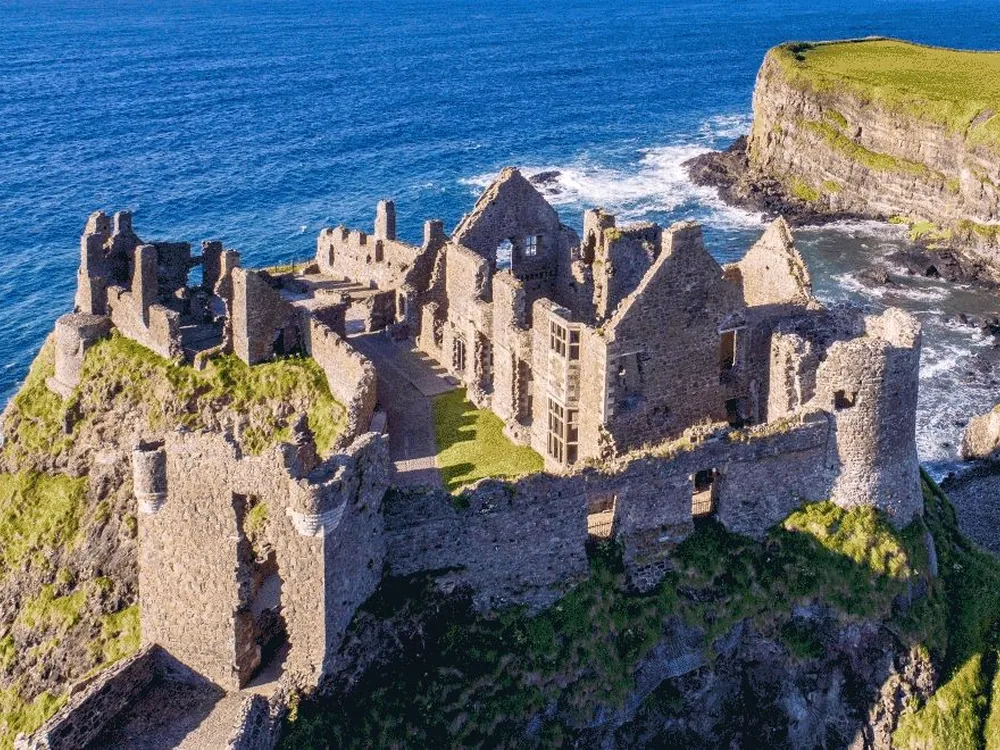
Combine with: Dunluce Castle (~160 km northeast by sea, North Antrim coast — one of the most dramatically positioned clifftop castle ruins in the British Isles, partly used as Harrenhal in Game of Thrones) and Trim Castle (~150 km southwest by sea, County Meath — the largest Anglo-Norman castle in Ireland, built by Hugh de Lacy, a contemporary of the builders who were also developing the Isle of Man in the same era).
Frequently Asked Questions
Tynwald (from the Old Norse 'þingvöllr', 'assembly field') is the parliament of the Isle of Man, which has met every year on July 5 at Tynwald Hill in St. John's village since at least the 10th century — a documented continuous sequence that no other parliament can match. Iceland's Althing (930 AD) and the Faroese Løgting have comparable origins, but both have experienced periods of dissolution: the Danish crown suspended the Althing from 1799 to 1845. Tynwald claims an uninterrupted meeting record throughout its history, making the 'oldest continuously functioning parliament' claim credible. Castle Rushen was the seat from which the Lords of Mann who presided over Tynwald governed the island — making it the closest thing the medieval parliament had to a fixed administrative base.
Location
Castle Rushen, Castletown IM9 1LD, Isle of Man
Nearby Castles
Tours & Tickets
Powered by GetYourGuide
From
€275/ group