
Dobroszyce Castle
Zamek Dobroszyce
Poland · Lower Silesia — Dobroszyce, Oleśnica County · Near Oleśnica
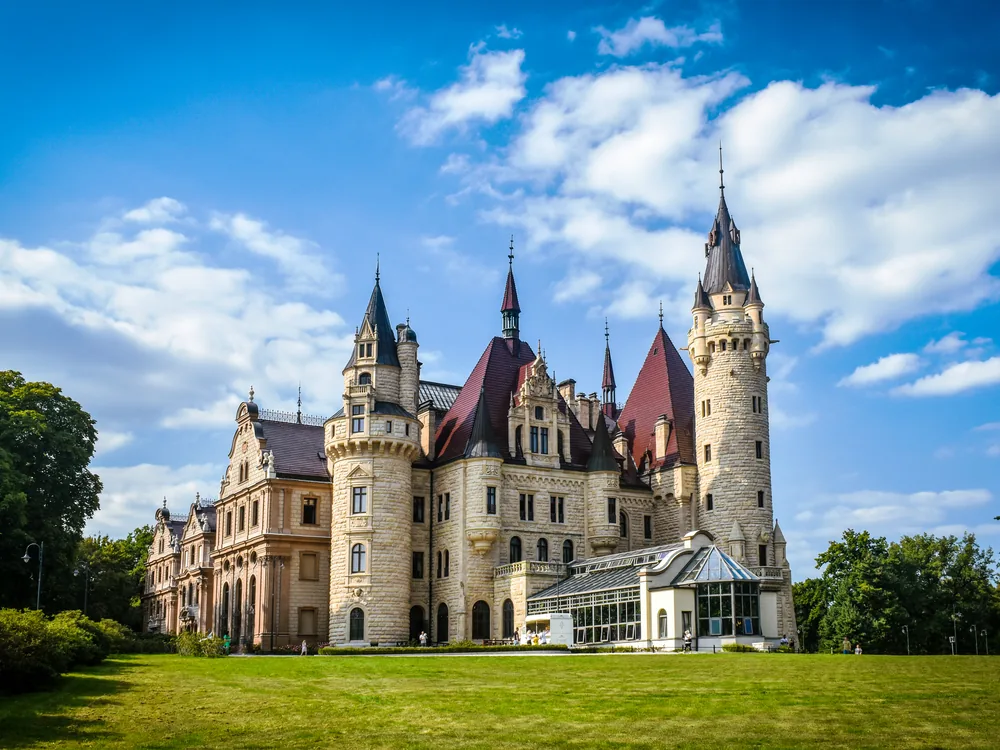
Late 16th century · A Renaissance fortress of the late 16th century rebuilt as a Renaissance-Baroque palace-fortress for the Dukes of Oleśnica, surrounded by a rampart and a moat
This page is part of an independent travel guide and is not affiliated with, endorsed by, or operated by Dobroszyce Castle.
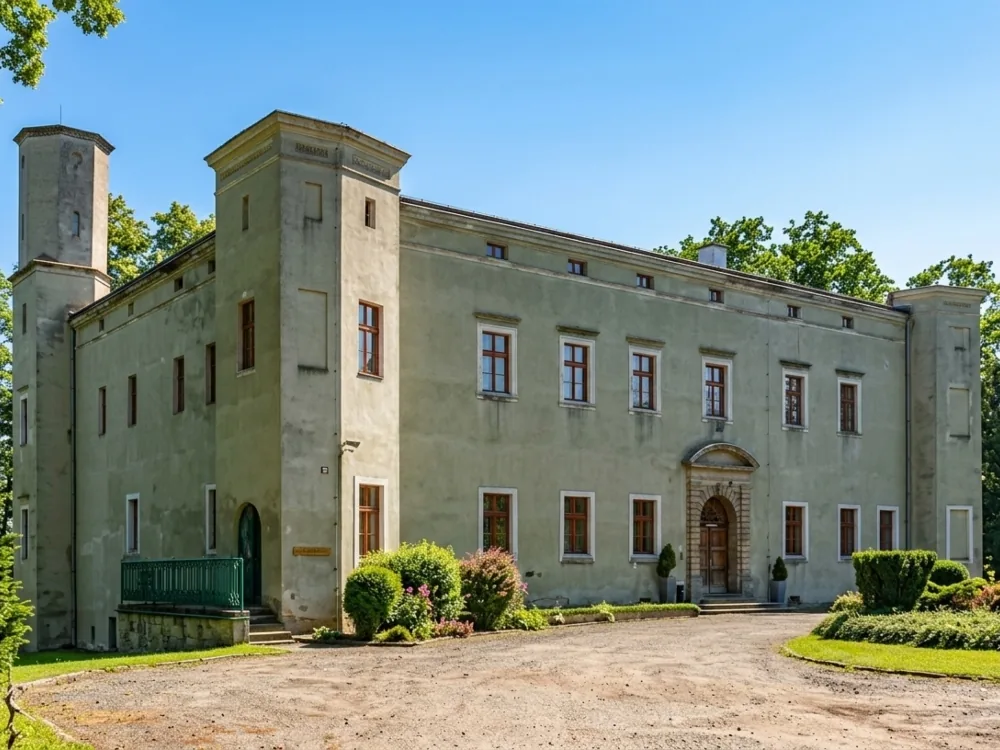
© Castles & Palaces
Stay Here
Zamek Dobroszyce
Rooms are in Zamek Dobroszyce, the castle hotel at Wojska Polskiego 25
Booked via Booking.com · Free cancellation on most rates
Highlights
- ✦The castle began as a Renaissance fortress at the end of the 16th century, built by the local landowner Andreas von Heugel
- ✦About half a century later the estate passed to Duke Sylwiusz Nimrod of Oleśnica, who expanded it and granted the settlement town rights
- ✦His son Julius Siegmund renamed the settlement Treszkin as Juliusburg in 1676 and rebuilt the castle as a Renaissance-Baroque palace-fortress
- ✦Until 1745 Juliusburg was a residence of the Dukes of Oleśnica; the palace is surrounded by a rampart and a moat
- ✦After the Second World War it housed a school, and today it is a hotel
Stay in the castle itself
Book a room via Booking.com
Dobroszyce Castle began as a Renaissance fortress built at the end of the 16th century by the local landowner Andreas von Heugel. About half a century later the estate passed to Duke Sylwiusz Nimrod of Oleśnica, who expanded it and granted the settlement town rights.
His son Julius Siegmund renamed Treszkin as Juliusburg in 1676 and rebuilt the castle as a Renaissance-Baroque palace-fortress; until 1745 it was a residence of the Dukes of Oleśnica. The palace is surrounded by a rampart and a moat.
After the Second World War it housed a school, and today it operates as a hotel.
History
Dobroszyce Castle began as a Renaissance fortress built at the end of the 16th century by the local landowner Andreas von Heugel. About half a century later the estate passed to Duke Sylwiusz Nimrod of Oleśnica, who expanded it and granted the settlement town rights. His son Julius Siegmund renamed Treszkin as Juliusburg in 1676 and rebuilt the castle as a Renaissance-Baroque palace-fortress; until 1745 it was a residence of the Dukes of Oleśnica. The palace is surrounded by a rampart and a moat. After the Second World War it housed a school, and today it is a hotel.
How to Stay
Getting there: At Wojska Polskiego 25 in Dobroszyce, Oleśnica County, in Lower Silesia; Booking lists free private parking.
Rooms & rates: From approx. €66/night for a 30 m² Double Room with a full bed, a private kitchenette, an attached bathroom, garden and inner-courtyard views and free Wi-Fi, taxes included, with free cancellation on the rate seen; only one unit was left for the dates checked. Smaller doubles of 18–22 m² started around €68. Breakfast is not included (about €9 extra).
On-site: Free private parking, free Wi-Fi and a shared kitchen.
Good to know: Breakfast is charged separately. The castle housed a school after the Second World War and was altered in the 20th century, so expect a historic building that has been remodelled several times.
Combine with: More castle hotels in Poland.
Frequently Asked Questions
It began as a Renaissance fortress built at the end of the 16th century by the landowner Andreas von Heugel, and was rebuilt as a Renaissance-Baroque palace-fortress by Julius Siegmund, Duke of Oleśnica, around 1676.
Location
Wojska Polskiego 25, 56-410 Dobroszyce, Poland
Nearby Castles
Rooms from
€66/ night