
Sortelha Castle
Castelo de Sortelha
Portugal · Beira Interior, Guarda District, Serra da Malcata · Near Guarda
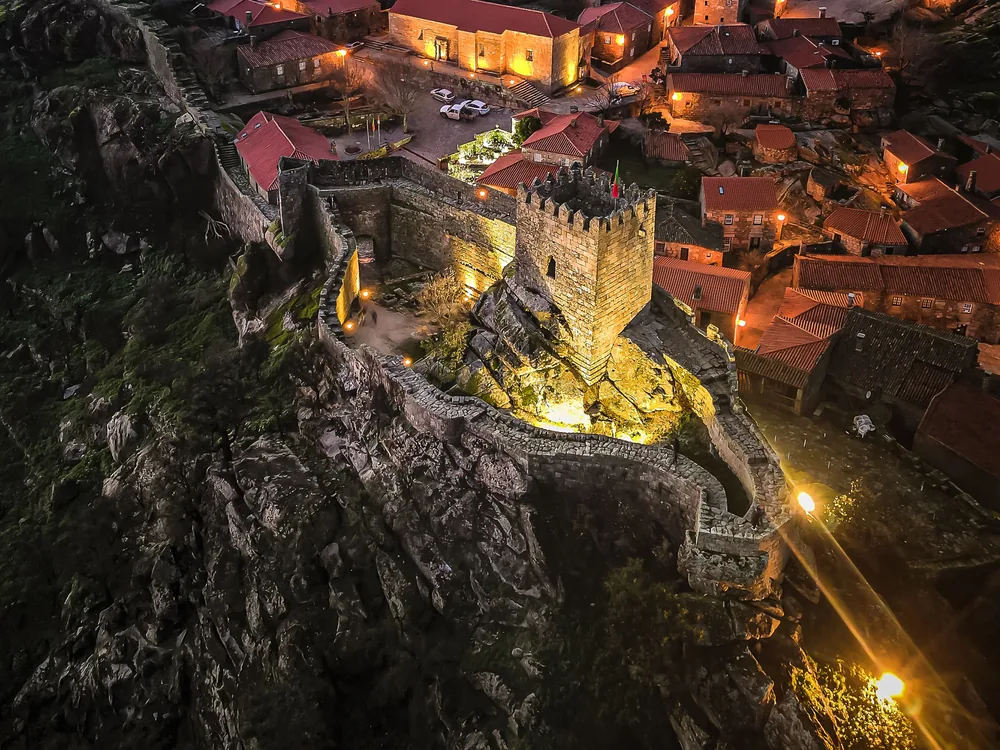
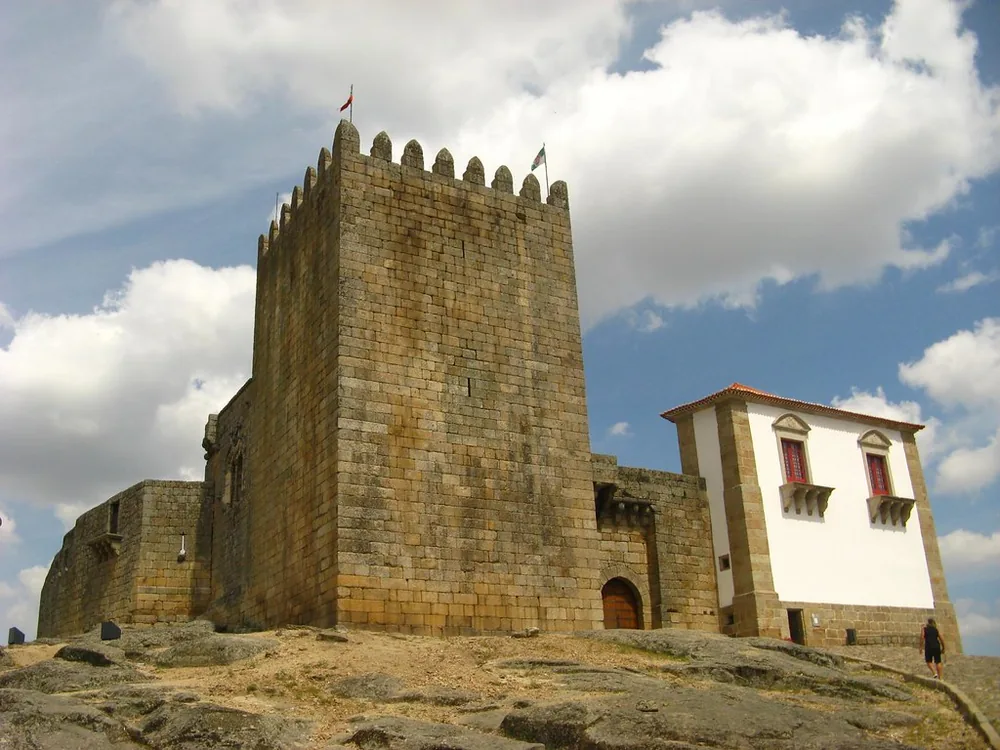
Built 1200 · Medieval hilltop fortified village (aldeia histórica) on the Serra da Malcata plateau, integrating the natural granite boulder landscape — known locally as pedra viva (living stone) — into its defensive walls and structures so completely that the boundary between built and natural rock is often indistinguishable; the current stone walls largely date from the 13th to 14th centuries, with Manueline refinements; the village received its municipal charter (foral) in 1510 from King Manuel I, though the site was fortified centuries earlier; the castle keep and the village wall form a single defensive system with the surrounding granite outcrops; Sortelha is one of Portugal's twelve aldeias históricas (historic villages), a classification that designates rural settlements of exceptional historical integrity and architectural preservation in the Beira Interior; the village has been continuously inhabited since medieval times; granite is the defining material of everything in Sortelha — walls, houses, streets, doorways, and the natural boulders between buildings are the same stone, making the settlement appear to have grown from the landscape rather than been built on it
This page is part of an independent travel guide and is not affiliated with, endorsed by, or operated by Sortelha Castle.
© Castles & Palaces
Quick Facts
- Hours
- Daily 09:00–18:00
- Guided tour from
- €195
- Duration
- 1.5–2 hours (village walk + castle walls)
- Best time
- April to October
- Nearest city
- Guarda
Featured Tour
From Covilhã: Sortelha, Belmonte & Monsanto Private Tour
Cancellation available · Instant confirmation
Highlights
- ✦The pedra viva principle — living stone — is the architectural and aesthetic concept that makes Sortelha unlike any other castle or fortified village in Iberia: the granite boulders of the Serra da Malcata plateau are not cleared, moved, or built around; they are incorporated directly into the walls, the house foundations, the floors, and the village topography; in many places it is impossible to determine where the natural outcrop ends and the built wall begins because the medieval builders used the existing rock surfaces as both structure and facing, adding dressed stone only where the natural rock did not already provide the necessary shape; walking through Sortelha is an experience of architecture that grew from geology rather than being imposed on it
- ✦The Netflix film Damsel (2024), starring Millie Bobby Brown, used Sortelha as its primary filming location specifically because the pedra viva landscape — the natural granite boulders incorporated into the village walls and the medieval street patterns between them — is visually distinctive in a way that CGI cannot replicate and that no purpose-built film set would produce; the film's dragon-and-princess narrative required a setting that looked genuinely ancient and organically medieval rather than constructed for a historical drama; Sortelha provided that setting authentically; the Damsel filming has brought significant attention to the village from audiences who would not otherwise encounter the aldeias históricas circuit
- ✦King Manuel I granted Sortelha its municipal charter (foral) in 1510 — the Manueline period, when Portugal was at the peak of its Atlantic expansion with revenues from the India trade funding royal patronage across the kingdom; receiving a foral from Manuel I was an administrative recognition of a settlement's established significance, and the 1510 charter marked Sortelha's formal integration into the Manueline administrative order; the timing means that the village's legal history as an institution coincides with the most prosperous moment in Portuguese imperial history, even though Sortelha's granite hill had been inhabited and fortified since at least the 12th century
- ✦The aldeias históricas programme — twelve rural villages in the Beira Interior of Portugal designated for their exceptional historical integrity and architectural preservation — is a Portuguese heritage and tourism initiative recognising that some of the country's most significant medieval settlement patterns survive not in cities or major monuments but in small granite villages that were too economically marginal to redevelop; Sortelha is among the most architecturally intact of the twelve, and the combination of the castle, the village wall, the pedra viva integration, and the surviving medieval street pattern makes it the most distinctive; the other aldeias históricas include Monsanto, Marvão, and Piódão, each with a different landscape and architectural character
- ✦The population of Sortelha's historic walled village is now very small — a few dozen permanent residents — and the village has the atmospheric quality of a living settlement that happens to be 800 years old rather than a heritage park or open-air museum; the houses within the walls are still owned and used by families; some are restaurants, guesthouses, or craft shops; but the daily life scale is intimate and the encounter with the medieval built environment is direct in a way that makes Sortelha feel less curated than major Portuguese heritage sites
Skip the queue with a guided tour
Skip-the-line tickets & expert guides
Sortelha Castle is inseparable from the aldeia histórica (historic village) of which it forms the uppermost point — a fortified settlement on a granite outcrop in the Serra da Malcata, in the Beira Interior of central Portugal. It is one of the twelve aldeias históricas of Portugal, a programme recognising rural settlements of exceptional historical integrity whose medieval structure survives largely intact because economic marginalisation prevented later redevelopment.
The site was fortified at least from the 12th century, though the current walls largely date from the 13th and 14th centuries, with Manueline additions from the reign of Manuel I, who granted the village its municipal charter (foral) in 1510. The strategic logic of the site is immediately apparent: the granite outcrop on which Sortelha sits commands the surrounding plateau and the Coa river valley below, and the natural boulder landscape of the Serra da Malcata is itself defensive — approaching the village means navigating between large granite boulders regardless of the built walls.
The defining characteristic of Sortelha is the pedra viva principle — living stone. The medieval builders did not clear or move the granite boulders that covered the hilltop; instead, they incorporated them directly into the construction, using natural rock surfaces as wall faces, house foundations, floor levels, and structural elements so completely that it is frequently impossible to determine where natural granite ends and built stone begins. The boundary between landscape and architecture dissolves throughout the village. Walls emerge from outcrops; doorways are cut into the rock; houses are built against boulders that form their rear walls. The result is a settlement that appears to have grown from the geology of the hill rather than been constructed on it — a visual and tactile quality that makes Sortelha unlike any other medieval village in Iberia.
The village received considerable international attention when Netflix selected it as the primary filming location for Damsel (2024), starring Millie Bobby Brown. The production chose Sortelha precisely because the pedra viva landscape — the natural boulders incorporated into the medieval built environment — produced a visual authenticity that neither CGI environments nor purpose-built film sets could replicate. The Damsel filming has brought the village to a new audience's attention.
The walled village is still inhabited by a small permanent population. Houses within the medieval walls are used as residences, restaurants, and guesthouses. The experience of walking through Sortelha is of a living medieval settlement rather than a heritage park — the scale is intimate, the stone is everywhere, and the encounter with the built environment is direct.
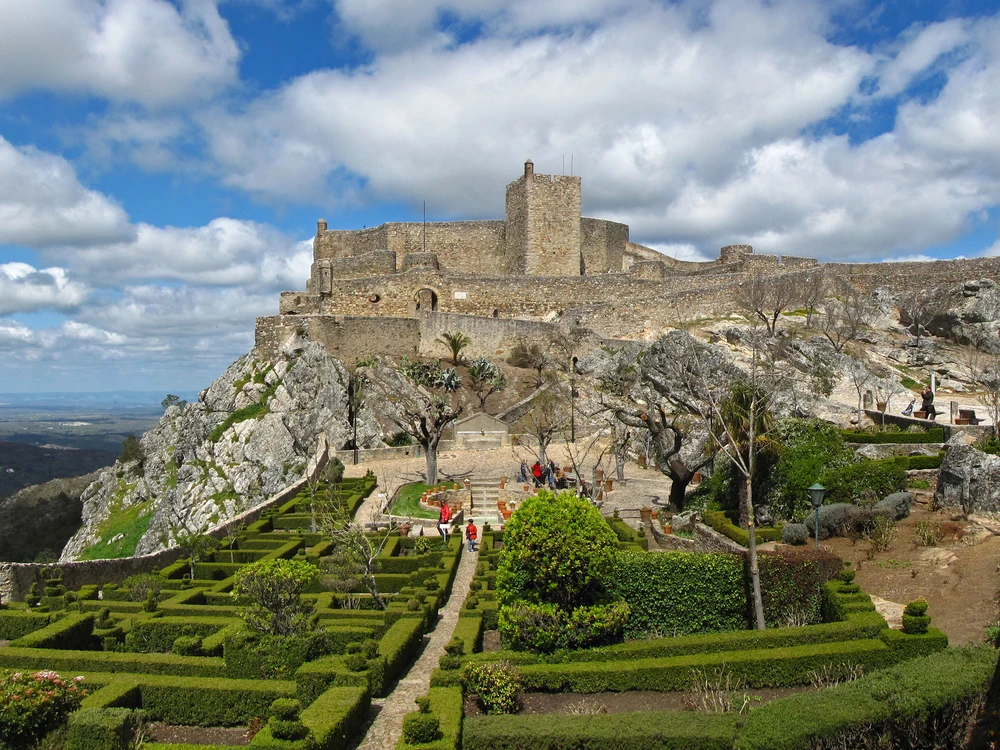
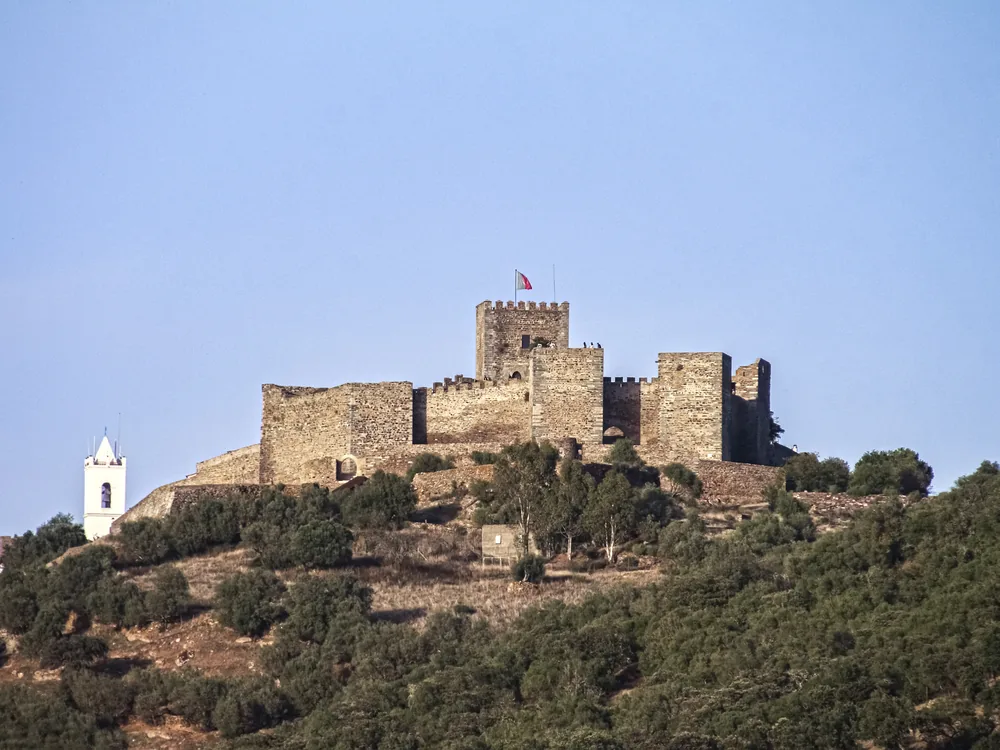
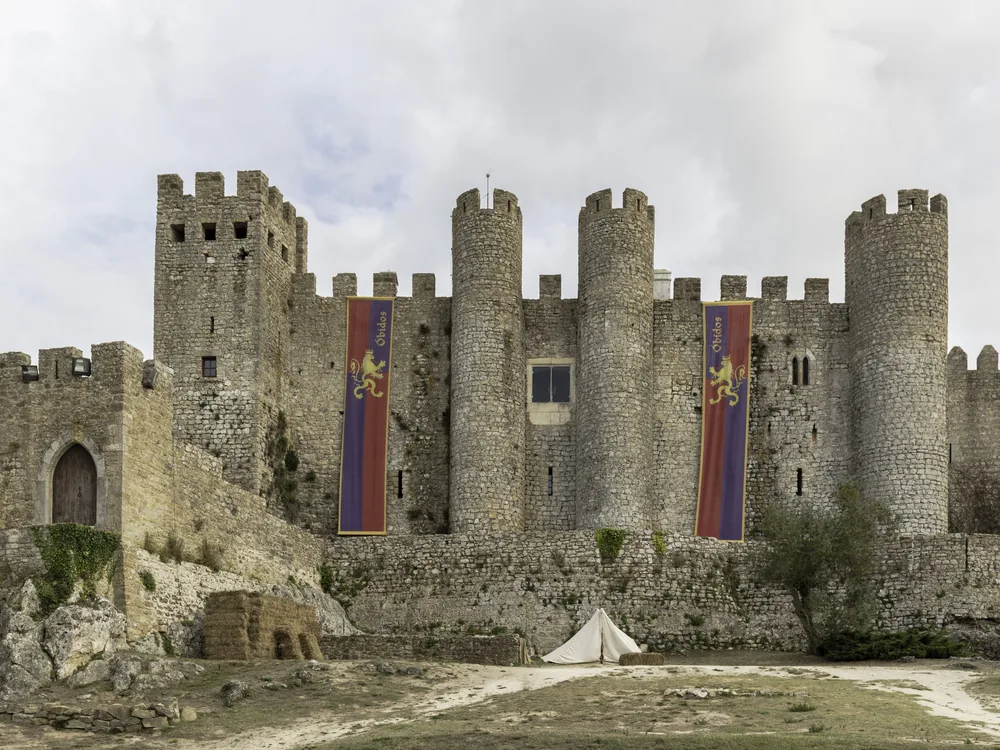
Access to the castle walls and the village is free. The GetYourGuide product is a private guided tour covering Sortelha alongside Belmonte and Monsanto — the €195 price is for a private group, not per person. Independent visitors can reach Sortelha by car from Guarda (35 km) or Covilhã (55 km). The site pairs naturally with [Marvão Castle](/castles/portugal/marvao-castle) and [Monsaraz Castle](/castles/portugal/monsaraz-castle) as part of the Portuguese walled-hilltop settlement cluster, and with [Óbidos Castle](/castles/portugal/obidos-castle) for visitors on a broader Portuguese medieval circuit.
History
12th century: Site fortified; Sortelha under the contest between Christian kingdoms and Almohad Moorish forces in the Reconquista. 13th–14th centuries: Current walls built by the Kingdom of Portugal; castle and village walls integrated with the natural granite boulders. 1510: King Manuel I grants Sortelha its municipal charter (foral) — formal recognition of the settlement's administrative status. 16th–18th centuries: Village continues under Portuguese Crown and local noble administration; economic significance limited by the plateau location. 19th–20th centuries: Village population declines as agricultural marginalisation reduces the rural interior; medieval fabric survives intact. Late 20th century: Aldeias Históricas programme designates Sortelha as one of twelve historic villages of the Beira Interior. 2024: Netflix Damsel filmed at Sortelha. Present day: Village freely accessible; small permanent population; tourist infrastructure (restaurants, guesthouses) within the walls.
How to Visit
Getting there: By car from Guarda (35 km southwest via N18 and local roads, about 35 minutes) — car is the only practical option as there is no direct public transport to Sortelha. Buses reach Sabugal town (8 km away) from where a taxi can be arranged. From Lisbon, the drive takes approximately 3 hours via the A23 motorway.
Tickets: Walk-up entry free — the village and castle walls are accessible year-round at no charge. The GetYourGuide tour — an 8-hour private guided day from Covilhã covering Sortelha, Belmonte, and Monsanto — book in advance.
Practical tips: Allow 1.5–2 hours for the full village and wall circuit; the pedra viva integration of natural granite into the built walls is best appreciated by walking slowly and examining where the natural rock face ends and the dressed stone begins — photograph those seams, not just the full walls from a distance. Sortelha has a handful of restaurants and guesthouses within the medieval walls — lunch in the village extends the visit naturally. Avoid midday in July and August as the exposed granite plateau heats up significantly.
Combine with: Marvão Castle (70 km southwest — another dramatic hilltop walled village in a different landscape) and Belmonte Castle (30 km northeast) for a Beira Interior aldeias históricas circuit.
Frequently Asked Questions
Yes. Netflix's Damsel (2024), starring Millie Bobby Brown, used Sortelha as its primary filming location. The production chose the village specifically because the pedra viva landscape — the natural granite boulders integrated into the medieval walls and buildings — produced a visual authenticity that could not be replicated by CGI or film sets. The village's medieval street patterns and the seamless transition between built stone and natural rock gave the film a distinctive setting unlike any purpose-built or digitally enhanced medieval environment.
Location
Aldeia Histórica de Sortelha, 6320 Sabugal, Portugal
Nearby Castles
Tours & Tickets
Powered by GetYourGuide
From
€195/ person