
Bánffy Castle
Castelul Bánffy (Bonțida)
Romania · Cluj County, Transylvania · Near Cluj-Napoca
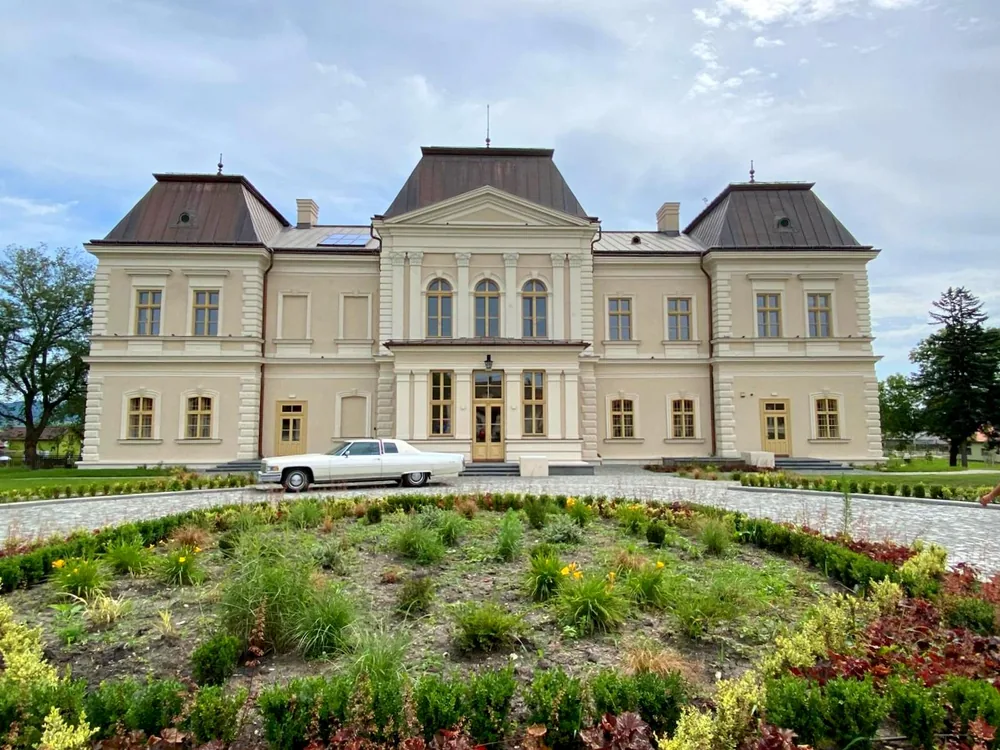
Built 1650 · Baroque palace, late 17th–18th century; U-shaped main wing with symmetrical lateral wings and a formal courtyard entrance; Italian-influenced Baroque detailing attributed to Italian masters working in Transylvania; partially ruined after WWII bombing and Soviet-era damage, now under active restoration by the Transylvania Trust
This page is part of an independent travel guide and is not affiliated with, endorsed by, or operated by Bánffy Castle.
© Castles & Palaces
Quick Facts
- Hours
- Daily 10:00–18:00
- Day trip from
- €146
- Duration
- 1.5–2 hours (castle and grounds); full day with the GetYourGuide tour from Cluj
- Best time
- May to September
- Nearest city
- Cluj-Napoca
Featured Tour
Hidden Transylvania: Bánffy Castle, Armenopolis & Delta Tour
Cancellation available · Instant confirmation
Highlights
- ✦Known as the 'Versailles of Transylvania' — the Bánffy family's grandest Baroque palace, a late 17th–18th century U-shaped composition with formal courtyards and Italianate detailing, now under active restoration
- ✦The Electric Castle music festival — one of Romania's largest music events, hosted annually in the castle grounds in late June/early July, bringing tens of thousands of visitors and significant international attention to the site
- ✦Active restoration by the Transylvania Trust — the castle was in ruins after WWII damage and Soviet-period neglect; an ongoing restoration programme has stabilised and partially opened the main structure since the late 1990s
- ✦The GetYourGuide hidden Transylvania full-day tour includes Bánffy Castle entry and pairs it with Gherla (Armenian heritage), a stained-glass workshop, and the Sic reed marshes — a distinctive alternative to the Brașov-area heritage circuit
- ✦Bánffy family legacy — the Bánffy were one of the most powerful Transylvanian noble families, holding the palatine dignity (the highest office) of the Kingdom of Hungary and shaping the political, cultural, and architectural landscape of Transylvania for centuries
Skip the queue with a guided tour
Skip-the-line tickets & expert guides
The Bánffy Castle at Bonțida, 25 kilometres north of Cluj-Napoca, was once the most ambitious aristocratic residence in Transylvania — a Baroque palace complex so grand in conception that it acquired the nickname 'the Versailles of Transylvania.' The comparison overstates the scale, but it captures something real about the ambition of the project: the Bánffy family, one of the most powerful noble dynasties in the Kingdom of Hungary, built their principal country seat here in the late 17th and 18th centuries as a deliberate statement of status, with a U-shaped main wing, formal courtyards, Italianate Baroque detailing, and a park extending toward the Someș river.
The castle's subsequent history is the kind that defines many great European houses of the 20th century. WWII brought bombing that damaged the structure, followed by Soviet-era neglect that accelerated the decay. By the 1990s, Bánffy was substantially ruinous — roofless sections, collapsed floors, walls open to the sky. The family had long since lost possession under the Communist nationalisations. What saved it was the Transylvania Trust, an organisation that began restoration work in the late 1990s and has continued systematically since: stabilising walls, rebuilding sections of roof, opening the main wing for limited visitor access. The restoration is ongoing and the castle is a work in progress, which is part of what makes a visit interesting — you see the Baroque bones of the building emerging from the ruin, with the physical evidence of both the original construction and the damage visible simultaneously.
Since 2012, the castle has also hosted Electric Castle — one of Romania's largest music festivals, drawing international artists across electronic, rock, and pop genres to a multi-stage event in the castle grounds in late June or early July. The festival has put Bánffy Castle on the map for a generation of Romanians who might not otherwise encounter the heritage context. The two identities — ruined Baroque palace and festival venue — coexist in a way that is unexpectedly complementary.
The GetYourGuide full-day tour from Cluj-Napoca (small group max 8) combines the castle visit (entry included) with a route through the nearby Armenian heritage town of Gherla, a traditional stained-glass workshop, the Armenian-Catholic cathedral, lunch featuring Armenian hurut soup, and a walk in the Sic reed marshes. The minimum is 2 participants.
History
The Bánffy family — one of Transylvania's most powerful noble dynasties, with roots in 13th-century Hungary — held Bonțida as part of their extensive estate network from the 15th century. The castle that exists today was built primarily in the late 17th and 18th centuries, incorporating and expanding earlier structures on the site. The Baroque construction programme reflected the family's peak political influence: Dénes Bánffy (1723–1780) was one of the architects of the late 18th-century Transylvanian Baroque, and his family invested heavily in making Bonțida a showpiece. The formal gardens, the Italian-influenced decorative programme, and the symmetrical courtyard arrangement all date from this period of peak aristocratic ambition.
The 20th century was catastrophic for the castle. The forced evacuation and bombing of the Second World War damaged the structure significantly; the postwar Communist government nationalised the estate and made no systematic effort to preserve the building. Decades of uncontrolled decay left the castle partially roofless and structurally compromised. The Transylvania Trust began restoration in the late 1990s, establishing a training programme for traditional craftsmen (stonemasons, carpenters, plasterers) as part of the restoration methodology — the work has been as much about skills preservation as architectural conservation. The Electric Castle music festival, launched in 2012, transformed the castle's visibility in contemporary Romanian culture.
How to Visit
Getting there: Bonțida is 25 km north of Cluj-Napoca on the DN1C highway. By car from Cluj, take the E60/DN1 northwest toward Dej and turn north at the Bonțida junction (~35 minutes). Public transport is limited — check connections via Gherla. The GetYourGuide full-day tour from Cluj provides transport, making it the most practical organised option.
Tickets: The castle grounds and accessible areas of the main wing charge approximately €10 for adults and €5 for children (confirm current prices at castelulbanffy.ro before visiting — the restoration programme may have updated access areas and pricing). The tour includes Bánffy Castle entry as an explicit line item — one of the few cases in Romania where tour entry is genuinely bundled. The tour requires minimum 2 participants; the small group is capped at 8.
Practical tips: Check whether your visit overlaps with the Electric Castle festival dates (typically late June/early July) — the castle and grounds are reserved for the festival and not accessible to independent visitors during the event. Restoration access areas change as work progresses; confirm what is open before driving out. The Sic reed marshes on the tour (where flamingos and hundreds of other species have been recorded) are an unexpected highlight for anyone with an interest in wildlife.
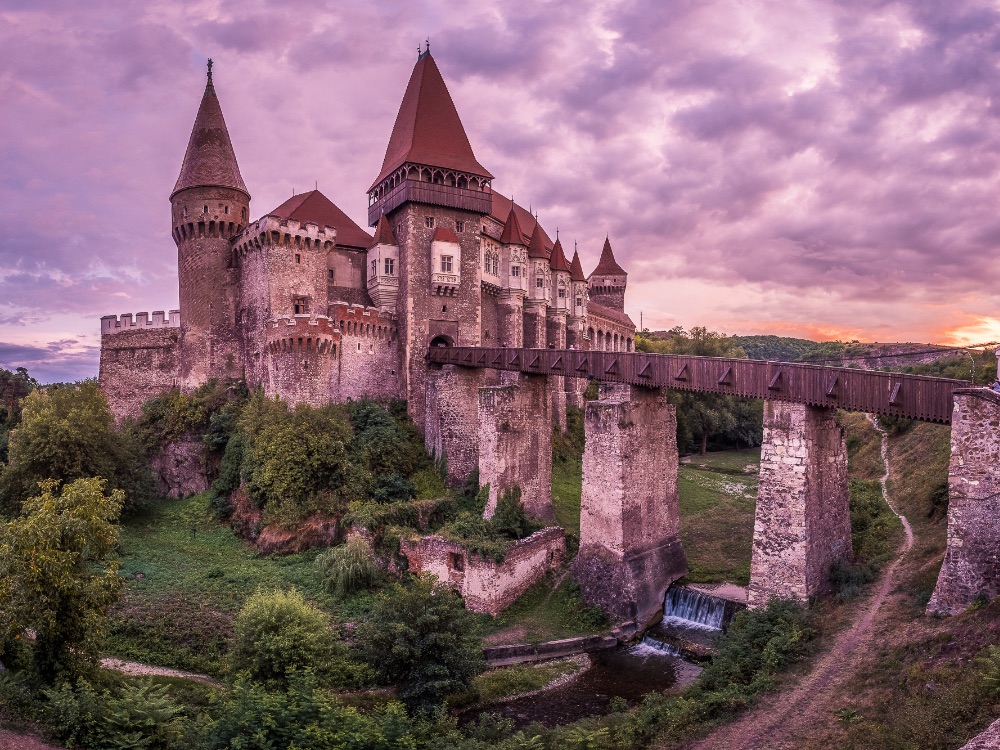
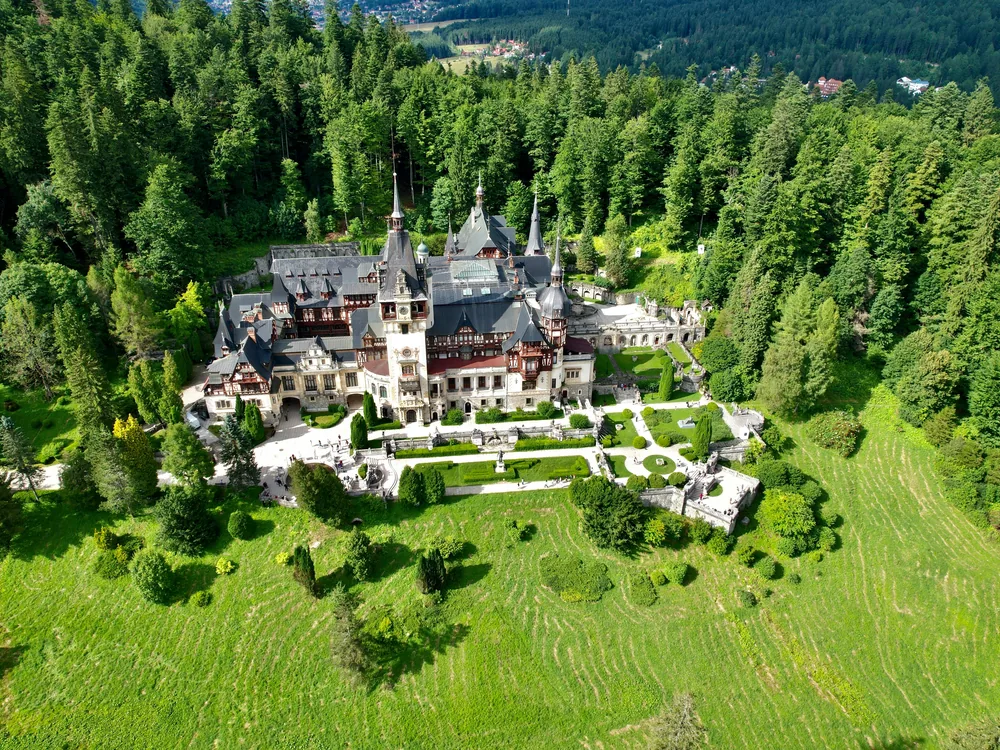
Combine with: Corvin Castle (~150 km south in Hunedoara — the most dramatically Gothic castle in Transylvania, with soaring towers above a river gorge; a very different register from Bánffy's Baroque grandeur) and Peleș Castle (~200 km southeast in Sinaia — the neo-Renaissance royal palace of Romania's Hohenzollern dynasty, perhaps the finest 19th-century castle interior in Eastern Europe).
Frequently Asked Questions
The comparison refers to the Baroque ambition of the complex — the U-shaped main wing with formal courtyards, symmetrical lateral wings, and Italianate decorative programme that the Bánffy family built in the late 17th and 18th centuries. It is not Versailles in scale (which is an order of magnitude larger) but shares the same conceptual vocabulary: a palace designed to project the power and cultural sophistication of its owners through architectural grandeur. Among the great Baroque palace complexes of Transylvania, Bánffy was the most ambitious — enough so that the nickname stuck even through the periods of ruin and abandonment that followed.
Location
Bonțida 402065, Cluj County, Romania
Nearby Castles
Tours & Tickets
Powered by GetYourGuide
From
€146/ person