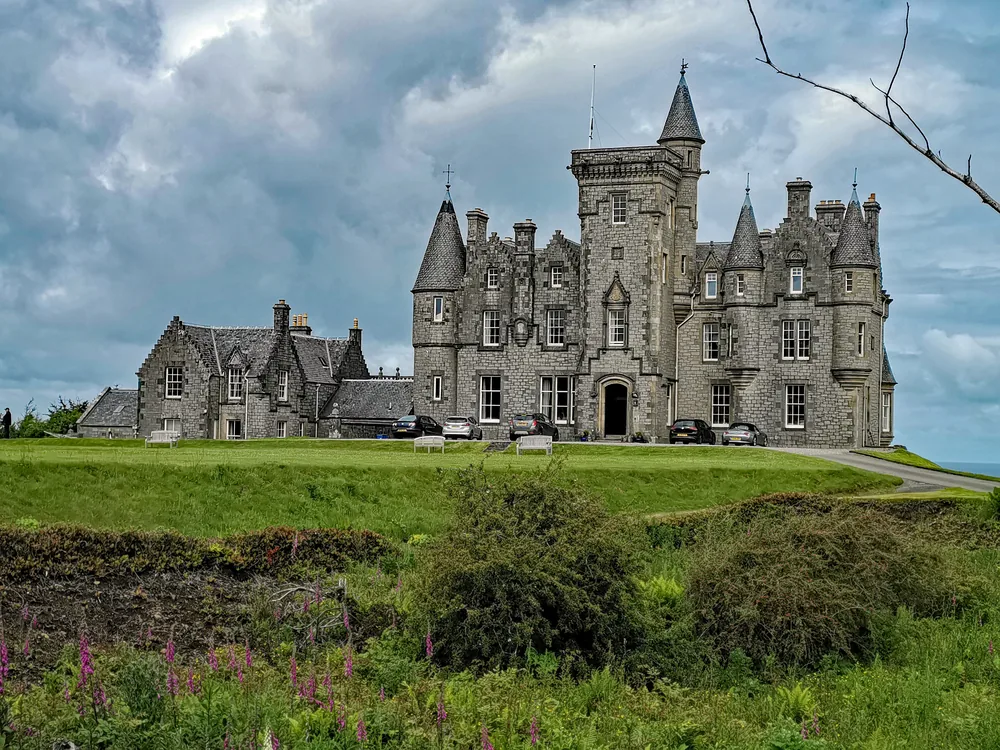
Glengorm Castle
Scotland · Isle of Mull, Argyll and Bute · Near Tobermory
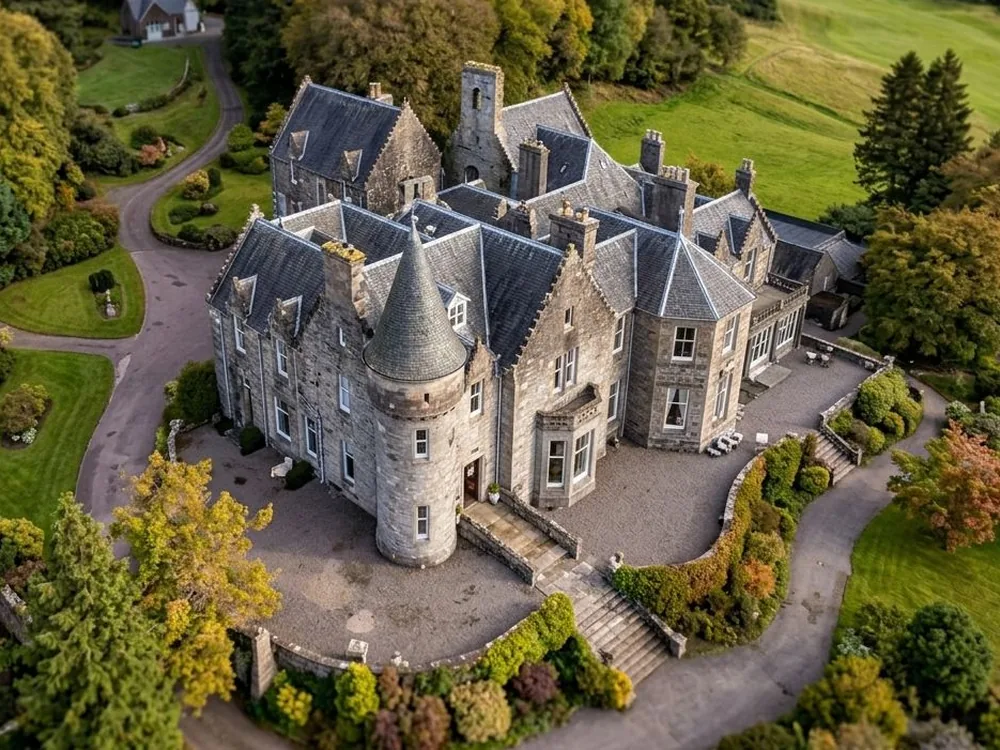
Built 1860 · Scots Baronial mansion, built 1860 for James Forsyth of Quinish by architects Kinnear and Peddie; also known historically as 'Castle Sorne'
This page is part of an independent travel guide and is not affiliated with, endorsed by, or operated by Glengorm Castle.
© Castles & Palaces
Quick Facts
- Rooms from
- £355 / night
- Duration
- Self-catering stay; estate grounds and café freely accessible
- Best time
- Spring through autumn, when the estate's wildlife-watching boat trips run alongside self-catering stays
- Nearest city
- Tobermory
Stay Here
Glengorm Castle
Rooms are split between the historic building and a newer wing
Booked via Booking.com · Cancellation terms vary by rate
No day-visitor access confirmed — self-catering apartments and cottages, not a conventional hotel
Highlights
- ✦Built in 1860 for James Forsyth of Quinish by the architects Kinnear and Peddie, on the Mishnish estate Forsyth had purchased in 1856
- ✦Also historically known as 'Castle Sorne'; protected as a Category B listed building
- ✦The estate's former stables and workshops now house a café open to visitors exploring the grounds
- ✦Ended its bed-and-breakfast operation in November 2022; accommodation today is exclusively self-catering, across a castle apartment and several cottages on the estate
- ✦A genuine, bookable wildlife tour — 'Guided Wildlife Watch at Glengorm Castle,' departing from the estate café — offers whale and dolphin watching off Mull's coast, distinct from any visit to the castle itself
Stay overnight
Book a room via Booking.com
Glengorm Castle occupies a dramatic position on the northernmost tip of the Isle of Mull, its sandstone walls rising above cliffs with sweeping Atlantic views toward Ardnamurchan and the Outer Hebrides. The castle was built in 1860 for James Forsyth of Quinish, who had purchased the surrounding Mishnish estate in 1856, and it was designed by the architectural partnership of Kinnear and Peddie in the confident Scots Baronial style typical of substantial Highland and island estates of the period. The building is also known historically as 'Castle Sorne,' and its architectural and historic value is formally recognised through Category B listed status.
The estate surrounding the castle extends across thousands of acres of coastal grazing, ancient woodland and hill, with more than three miles of shoreline and several lochs — a working Hebridean landscape that supports a pedigree livestock farm alongside its visitor-facing activities. The former stables and workshops on the estate have been converted into a café, open to anyone exploring the grounds, whether or not they are staying overnight, making Glengorm's outdoor spaces genuinely accessible even without a booking.
A significant change to Glengorm's accommodation model took effect in November 2022, when the estate's long-running bed-and-breakfast operation came to an end. Since then, all overnight accommodation at Glengorm has been offered on a self-catering basis: a apartment within the castle itself, known as the Tower Rooms, alongside several separate cottages and a converted stable apartment called the Steadings across the wider estate. This is a meaningful distinction from the more conventional hotel-style stays offered at most other properties in this collection — anyone booking Glengorm should expect a fully self-sufficient stay with their own kitchen facilities, rather than hotel service, restaurant access or daily housekeeping.
For visitors drawn to Mull's renowned wildlife, Glengorm's estate café also serves as the departure point for a genuinely bookable guided experience: 'Guided Wildlife Watch at Glengorm Castle,' a boat-based tour focused on spotting whales, dolphins, otters and the golden and white-tailed eagles that nest across the estate's cliffs and woodland. It's worth being clear about what this tour actually offers — it is a wildlife-watching excursion departing from the estate grounds, not a guided tour of the castle interior or a general visit to the building itself, since no such public visiting arrangement exists at Glengorm.
One further development is worth knowing before planning a stay: as of May 2026, the entire Glengorm estate — castle, self-catering accommodation, farm and surrounding land — has been placed on the market for the first time in more than half a century, listed through the international property agent Savills at offers over £9 million. A sale of this scale doesn't necessarily mean an immediate change to how the estate is booked or run, but it does introduce a real possibility that ownership, and potentially the accommodation offering itself, could shift at some point after this page was last checked. Anyone planning a stay is encouraged to confirm current booking availability directly before finalising travel plans, precisely because of this ownership transition in progress.
Glengorm's remote position also places it within one of the richest wildlife landscapes in the British Isles. Mull's coastline and surrounding waters support one of Scotland's densest populations of white-tailed eagles — Europe's largest bird of prey, reintroduced to the west coast of Scotland after being driven to extinction in the early 20th century — alongside golden eagles, otters, and regular sightings of minke whales, dolphins and porpoises in the Sea of the Hebrides just offshore. This ecological richness is precisely what makes the estate's wildlife-watching boat trips a genuine draw in their own right, entirely separate from any interest in the castle's architecture or history.
History
Glengorm Castle was built in 1860 for James Forsyth of Quinish, who had purchased the surrounding Mishnish estate in 1856, and was designed by the architects Kinnear and Peddie in the Scots Baronial style. Also known historically as 'Castle Sorne,' the building holds Category B listed status. The estate operated a bed-and-breakfast alongside its self-catering offerings for many years, until the B&B operation ended in November 2022, leaving self-catering as the only accommodation model. As of May 2026, the entire Glengorm estate has been placed on the market through Savills for offers over £9 million, the first sale of the property in more than fifty years.
How to Stay
Getting there: 4 miles from Tobermory, north coast of the Isle of Mull, Inner Hebrides.
Rooms & rates: 3 self-catering apartments are within the castle itself — including a two-bedroom Tower Rooms apartment inside the tower and a three-bedroom West Wing apartment — with 5 further cottages and a separate flat (The Steadings, a former farm stable) elsewhere on the estate.
On-site: Estate grounds; note the property is self-catering, so no shared restaurant.
Good to know: Specify a castle apartment (Tower Rooms or West Wing) if sleeping inside the historic building is the priority — the Steadings and cottages are converted farm buildings elsewhere on the estate. Note: the wider estate was listed for sale as of mid-2026 (see FAQ) — worth checking the Booking.com listing is still live before publishing.
Combine with: Tobermory's harbour and colourful waterfront, a short drive away.
Frequently Asked Questions
Glengorm's bed-and-breakfast operation closed in November 2022, and all accommodation today is self-catering — a castle apartment (the Tower Rooms) and several separate cottages and stable apartments across the estate, each with its own kitchen. There is no hotel-style room service, restaurant, or daily housekeeping included, so anyone expecting a conventional hotel stay should plan accordingly.
Location
Glengorm, Tobermory, Isle of Mull, Argyll and Bute PA75 6QE, Scotland
Nearby Castles
Rooms from
£355/ night