Kilchurn Castle
Caisteal Ceann Loch Aobha
Scotland · Argyll and Bute · Near Dalmally
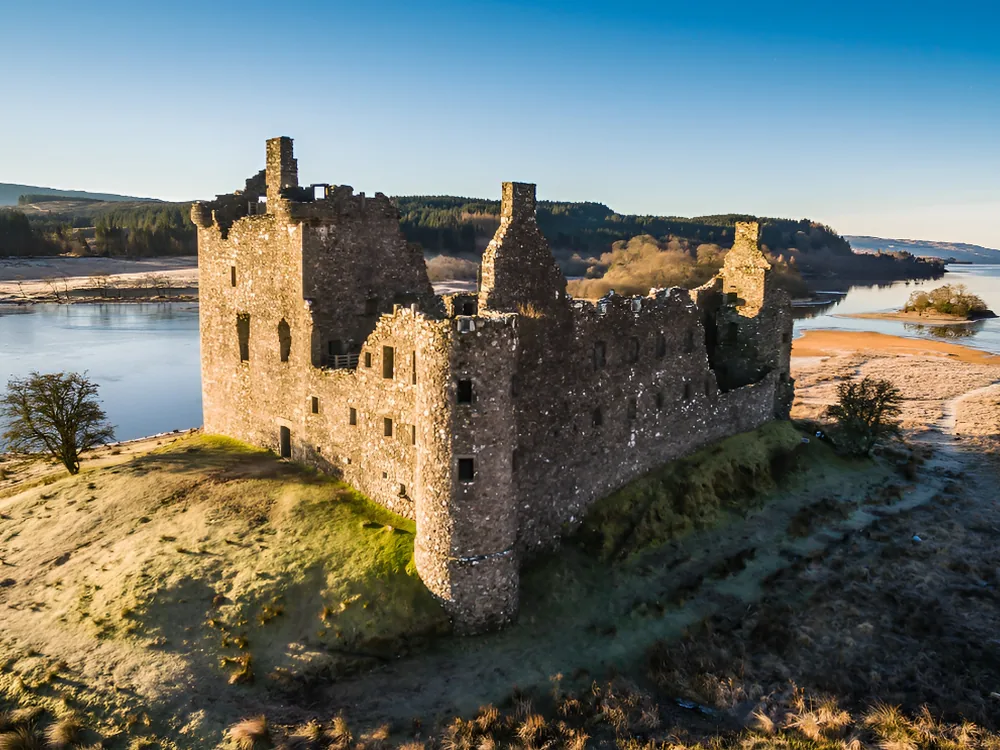
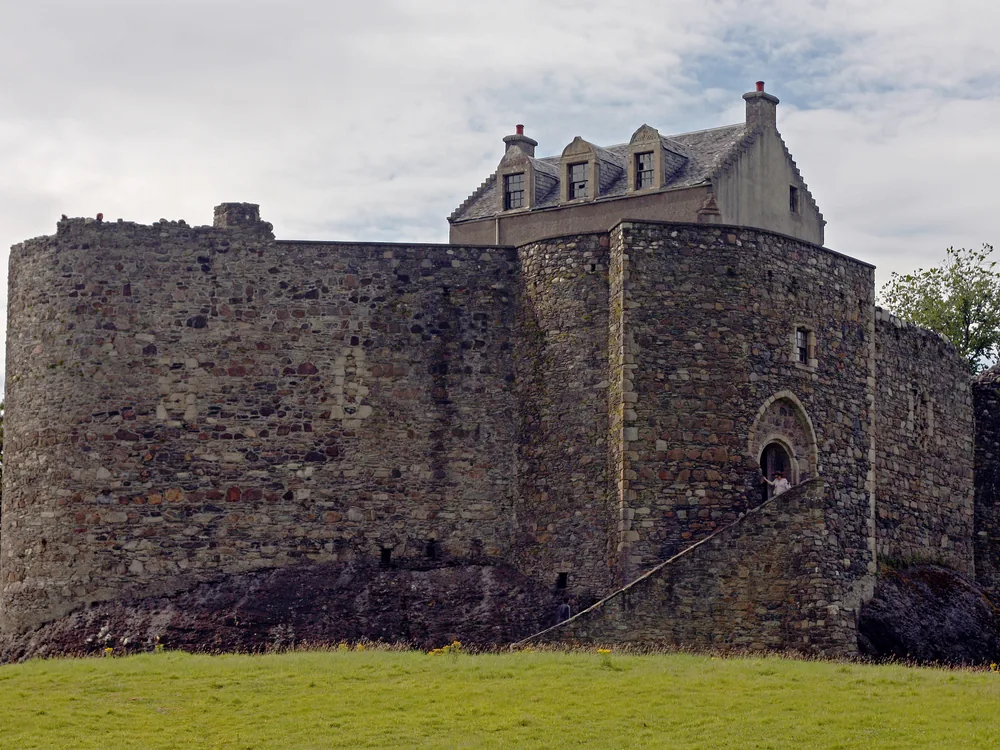
Built 1450 · Five-storey tower house on a former loch island, built by the Campbells of Glenorchy c.1450 as a standard defensive residential form for a Scottish laird of the period; expanded in the late 16th century with a new residential range and one of the earliest purpose-built barracks blocks in mainland Scotland, suggesting a permanent paid garrison; the tower house stands on a rocky promontory at the northeastern end of Loch Awe; the surrounding landscape of mountains, loch, and the Argyll hill country is integral to the castle's visual and historical identity; ruined since a lightning strike in 1760, now in the care of Historic Environment Scotland
This page is part of an independent travel guide and is not affiliated with, endorsed by, or operated by Kilchurn Castle.
© Castles & Palaces
Quick Facts
- Hours
- Mon–Sun Daylight hours
- Day trip from
- €69
- Duration
- 1–2 hours
- Best time
- April to September
- Nearest city
- Dalmally
Featured Tour
From Glasgow: Kilchurn Castle, Inveraray & Glencoe West Highland Tour
Cancellation available · Instant confirmation
Highlights
- ✦Kilchurn was originally built on a small island in Loch Awe — cut off from the shore by the loch's waters — until a 19th-century drainage programme lowered the water level and connected the promontory to dry land; the castle's design, positioning, and visual drama are products of its island origins
- ✦The Campbells of Glenorchy who built and held Kilchurn were the most powerful cadet branch of one of Scotland's most powerful clans — at times competing with the main Campbell line (the Earls of Argyll at Inveraray) for influence across Breadalbane and Argyll, with Kilchurn's control of the Loch Awe valley set against Inveraray's control of Loch Fyne
- ✦A late 16th-century barracks block added under the 7th Campbell of Glenorchy is one of the earliest purpose-built military barracks in mainland Scotland — suggesting that the Glenorchy Campbells were maintaining a permanent paid garrison rather than relying on feudal military obligation alone
- ✦A lightning strike in 1760 brought down part of one of the towers, beginning the rapid transition to ruin; the castle was open to the elements within a decade, and from that point it has been preserved as a stabilised ruin — a decision that created one of Scotland's most photogenic derelict structures
- ✦The combination of still water, mountain backdrop, and isolated tower makes Kilchurn the most frequently chosen 'misty morning' photography subject in Scotland — at dawn, when low cloud sits on Ben Cruachan and the loch surface mirrors the ruins, the image produced is one of the most widely reproduced in Scottish landscape photography
Tickets & tours
Book through GetYourGuide
Kilchurn Castle stands on a rocky promontory at the northeastern end of Loch Awe, in the Argyll hills, one of the most waterlogged and misty landscapes in mainland Scotland. When it was built in the mid-15th century, the promontory was an island — cut off from the surrounding hillside by the loch's waters. The construction of a drainage channel in the early 19th century lowered the loch's level and connected the former island to the shore, but the visual logic of the castle — a tower house positioned to dominate the loch and control movement along the valley — is still immediately legible. Kilchurn was built for water. The castle's reflection, on still mornings when Loch Awe mirrors the surrounding hills and the ruined tower appears to float at the loch's edge, is the image that most Scottish landscape photographers will know before they ever visit.
Sir Colin Campbell of Glenorchy, founder of the Glenorchy branch of Clan Campbell, began construction around 1450 on the loch island. The Campbells of Glenorchy were the most powerful cadet branch of one of Scotland's most powerful clans — technically subordinate to the Earls of Argyll (the main Campbell line) but, in practice, often operating in competition with them for land, influence, and the loyalty of smaller local clans across Breadalbane and Argyll. The tension between the cadet branch at Kilchurn and the chief's seat at Inveraray Castle to the south was one of the defining political dynamics of this corner of Scotland for a century and a half. Kilchurn's position on Loch Awe controlled the valley's north-south movement; Inveraray's position on Loch Fyne controlled sea access. Both were essential Campbell strongholds.
The original construction was a five-storey tower house — the standard defensive residential form for a Scottish laird of this period — with the hall on the first floor above storage and private chambers above that. In the late 16th century, under the 7th Campbell of Glenorchy, the castle was expanded with a new residential range and, most distinctively, an early barracks block — one of the first purpose-built military barracks in mainland Scotland, suggesting the Glenorchy Campbells were maintaining a permanent paid garrison rather than relying on feudal obligation.
The Campbells of Glenorchy eventually outgrew Kilchurn. By the 1590s, Sir Duncan Campbell had begun constructing Taymouth Castle in Perthshire as the new primary seat, and Kilchurn's role shifted from residential headquarters to occasional garrison use. The castle was last seriously occupied in the late 17th century; a lightning strike in 1760 brought down part of one of the towers, and by the 1770s the building was open to the elements. From that point it has been left to ruin — now preserved and stabilised by Historic Environment Scotland.
The access situation is unusual enough to be worth explaining clearly. There is no entry fee — Kilchurn is an unstaffed open-access site, open during daylight hours in the summer months (roughly April to September). The castle can be reached either by a walk of approximately one mile across open ground from the A85 layby near Dalmally, or by a seasonal passenger ferry from Loch Awe pier. The ferry is the more dramatic approach — the view of the castle from the water approximates what arriving at the island fortress by boat would have looked like in the 15th century. The walk has the advantage of approaching through the hillside landscape.
The interior of the ruin is accessible and has a quality of weathered grandeur that is very different from the managed heritage experience of a staffed castle. There are no interpretation panels, no audio guide, no gift shop. The worn stone stairs still climb inside the tower, masons' marks are visible where the plaster has fallen, and the rooftop of the main tower is accessible with views across Loch Awe to the surrounding hills on all sides.
The landscape around Kilchurn is the other argument for the visit. Loch Awe is the longest freshwater loch in Scotland by surface area — seventeen miles long, stretching southwest through increasingly steep Argyll hill country. The view from the castle tower encompasses the full width of the loch, the Pass of Brander (where Robert the Bruce ambushed the MacDougall clan in 1308) to the west, and the slopes of Ben Cruachan to the north — one of Scotland's most geologically complex mountains.
The Coffin Trail referenced in the Oban half-day tour takes its name from the route once used to carry the dead from the upper Orchy valley to the parish church at Glenorchy — in a period before each settlement had its own burial ground, bodies were carried on foot along defined paths through the glen. The trail's proximity to Kilchurn connects the castle to the broader ritual geography of Campbell territory in a period when controlling routes for the dead was as much a territorial marker as controlling roads for the living.
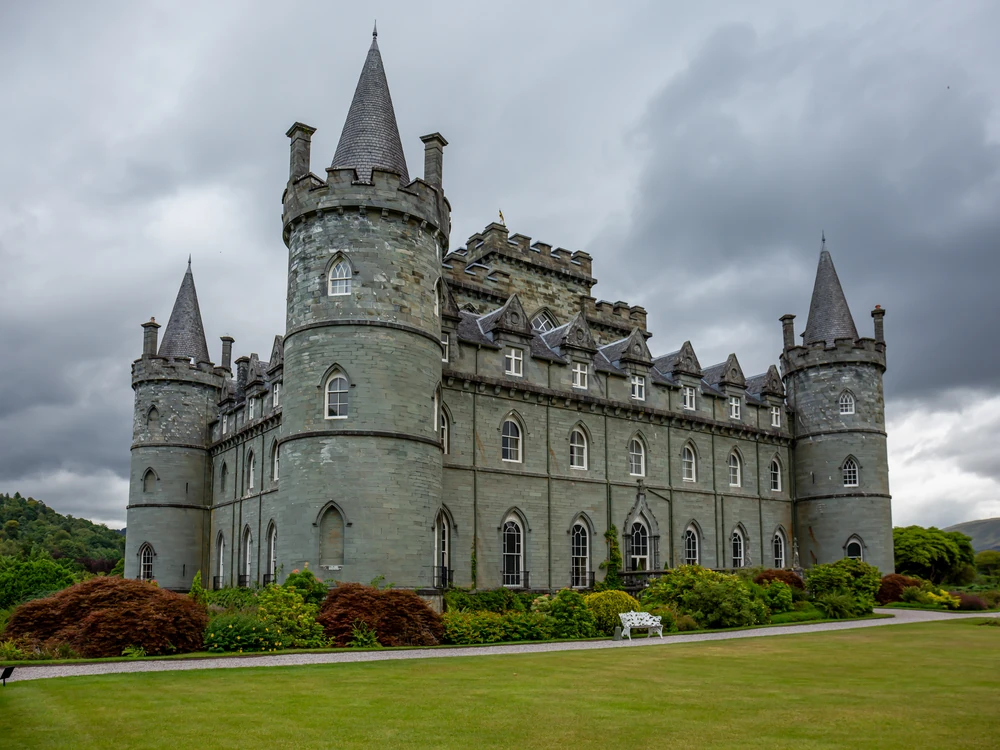
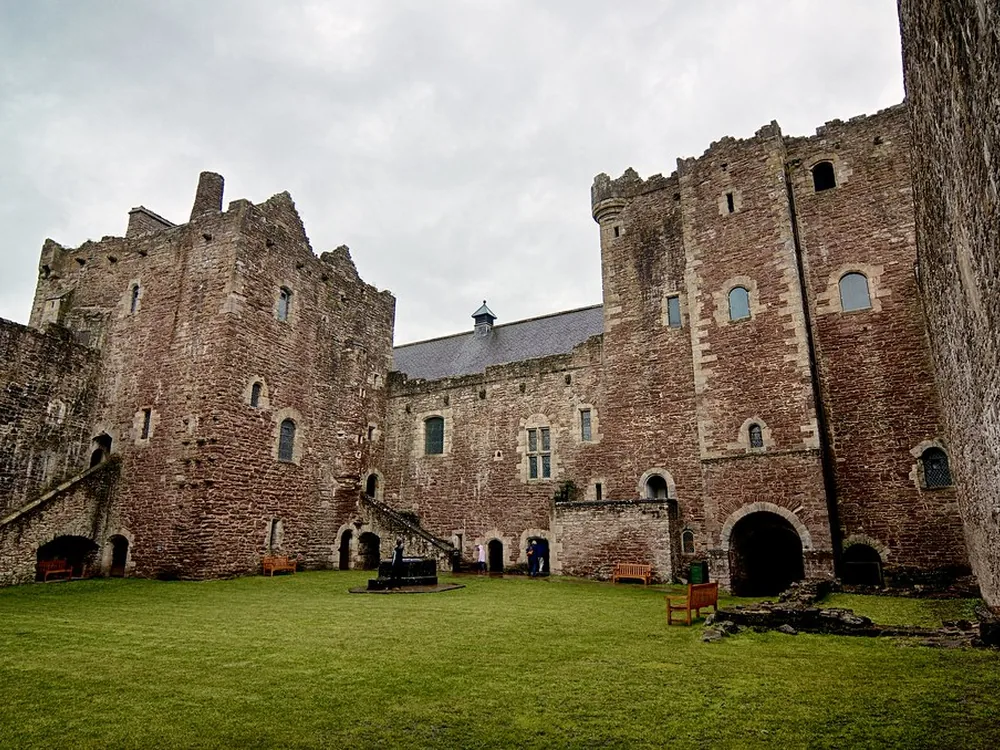
Kilchurn appears in two visitor circuits available from this site: the Glasgow Highlands day trip that combines it with [Inveraray Castle](/castles/scotland/inveraray-castle) and Glencoe, and the Oban-based half-day tour [Oban: Dunstaffnage Castle, Kilchurn Castle & the Coffin Trail](/tours/scotland/oban-dunstaffnage-kilchurn-coffin-trail) that approaches from the north. [Inveraray Castle](/castles/scotland/inveraray-castle), twenty miles southwest along the A83, is the current seat of the Duke of Argyll and the formal expression of the Campbell power that Kilchurn represented in its tower-house, cadet-branch form. [Doune Castle](/castles/scotland/doune-castle), associated with the Dukes of Albany and now famous as a filming location, represents a different branch of medieval Scottish castle-building — a great hall castle rather than a tower house — and makes an instructive comparison piece for visitors exploring Scotland's castle forms.
History
c.1450: Sir Colin Campbell of Glenorchy builds the five-storey tower house on an island in Loch Awe. Late 15th–early 16th centuries: Castle serves as the primary seat of the Campbells of Glenorchy. Late 16th century: 7th Campbell of Glenorchy (Black Duncan) adds a new residential range and one of Scotland's earliest barracks blocks. 1590s: Sir Duncan Campbell begins construction of Taymouth Castle in Perthshire; Kilchurn's role diminishes. Late 17th century: Castle garrisoned by government troops and used in Jacobite-era military operations. 1760: Lightning strikes one of the towers, beginning the rapid deterioration. 1770s: Castle substantially open to the elements and effectively ruined. 19th century: Drainage works lower Loch Awe's level, connecting the former island promontory to the shore. 20th century: Castle enters the care of Historic Environment Scotland; stabilised as an open-access ruin.
How to Visit
Getting there: Kilchurn Castle is near Dalmally, Argyll, off the A85. By car from Glasgow the drive takes about 1.5 hours via the A82 and A85; from Oban about 30 minutes east on the A85. By train: the Oban Line stops at Loch Awe station (about 1 mile from the castle) and Dalmally station (about 1.5 miles) — no bus connects directly to the site, so train access requires a walk or taxi. There are two routes to the castle: a 1-mile walk from the A85 layby near Dalmally, or a seasonal passenger ferry from Loch Awe pier (check current availability at loch-awe.com) — the ferry approach is the more dramatic option.
Tickets: Free entry — Kilchurn is an unstaffed HES open-access site with no entry fee, no ticket booth, and no staff on site. The Glasgow West Highland day tour — a full-day coach trip from Glasgow covering Kilchurn Castle, Inveraray Castle, and Glencoe — is the most convenient option for visitors without a car; book in advance.
Practical tips: April to September for open access; winter and wet conditions make the uneven path and interior stairs hazardous. Early morning in mist is the classic experience — arrive at the A85 layby before dawn in autumn for the famous loch reflection with Ben Cruachan behind; the shot is from the south shore looking northwest. The castle has no interpretation panels or facilities on site.
Combine with: Inveraray Castle, the Duke of Argyll's seat 20 miles southwest, is the formal counterpart to Kilchurn's ruined tower house and is combined with it on the GetYourGuide Glasgow day tour; Doune Castle, associated with the Dukes of Albany and now a famous filming location, offers an instructive contrast as a great hall castle rather than a tower house.
Frequently Asked Questions
No. Kilchurn Castle is a free, unstaffed open-access site in the care of Historic Environment Scotland. There is no entry fee, no ticket booth, and no staff on site during normal visiting hours (daylight hours, April to September approximately). You simply walk to the castle — either from the A85 layby (about 1 mile) or via the seasonal passenger ferry from Loch Awe pier.
Location
Kilchurn Castle, Loch Awe, Dalmally, Argyll PA33 1AQ, Scotland
Nearby Castles
Tours & Tickets
Powered by GetYourGuide
From
€69/ person