
Tulloch Castle
Scotland · Highlands — Dingwall · Near Inverness
Built 1166 · Scottish Baronial, with a possible 12th-century Norse fortress core, substantially rebuilt after an 1845 fire and expanded in 1891 and again in 1920–23 under architect Sir Robert Lorimer
This page is part of an independent travel guide and is not affiliated with, endorsed by, or operated by Tulloch Castle.
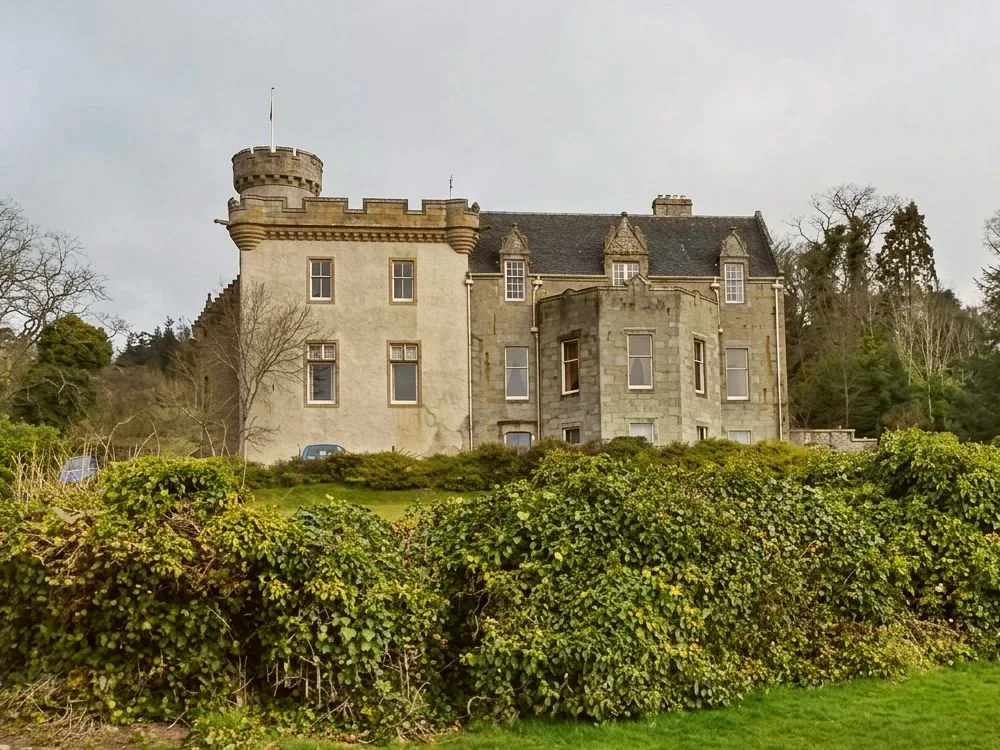
© Castles & Palaces
Quick Facts
- Rooms from
- £170 / night
- Hotel rating
- ★★★★ 4-Star Hotel
- Duration
- Overnight stay only
- Best time
- Year-round
- Nearest city
- Inverness
Stay Here
Tulloch Castle Hotel
★★★★ 4-Star HotelRooms are within the historic castle building itself
Booked via Booking.com · Cancellation terms vary by rate
No day-visitor access confirmed — verify directly whether the restaurant welcomes non-residents
Highlights
- ✦Possible origins as a 12th-century Norse fortress, with the first documented record tied to the Bayne family in the 16th century
- ✦Historic home of Clan Davidson — the last Davidson of the direct line, Duncan Davidson, died in 1917
- ✦Part of the castle was destroyed by fire in 1845; it was later expanded in 1891 and again in 1920–23 by the noted Scottish architect Sir Robert Lorimer
- ✦Passed by marriage to the Vickers family in 1917; served as a hospital for soldiers evacuated from Dunkirk in 1940
- ✦Sold to the local council in 1957 and used to house Dingwall Academy students until 1976, before becoming a hotel in 1996
Stay in the castle itself
Book a room via Booking.com
Tulloch Castle stands on a low ridge above Dingwall in the Scottish Highlands, and its earliest history is genuinely uncertain in the way that appeals to castle enthusiasts rather than frustrates them: local tradition holds that a Norse fortress may have occupied this site as early as the 12th century, long before any of the building visible today was raised. The first firmly documented record of Tulloch dates to the 16th century, when the castle was associated with the Bayne family. Ownership subsequently passed to the Davidsons, and Tulloch became one of the historic seats of Clan Davidson for the centuries that followed — a connection that lasted until 1917, when Duncan Davidson, the last of the direct Davidson line at Tulloch, died.
The castle's physical fabric has been reshaped more than once by both accident and design. Part of the building was destroyed by fire in 1845, requiring reconstruction, and Tulloch was subsequently expanded twice more: once in 1891, and again between 1920 and 1923 under the direction of Sir Robert Lorimer, one of the most significant Scottish architects of the early 20th century, known for his work reviving and reinterpreting the Scottish Baronial style across the country. Lorimer's imprint on Tulloch places it in interesting company — his work also touched Glencruitten House near Oban in the same decade, a coincidence of shared architectural authorship across two very different Highland and Argyll properties.
When Duncan Davidson died without continuing the direct family line at Tulloch in 1917, the castle passed by marriage to the Vickers family. Its subsequent 20th-century history moved well beyond private residential use. During the Second World War, Tulloch served as a hospital for soldiers evacuated from Dunkirk in 1940, a role shared by numerous Scottish country houses and castles pressed into wartime service. After the war, the castle was sold to the local council in 1957, and from then until 1976 it was used to house students attending Dingwall Academy — a genuinely unusual chapter of institutional use, closer to a boarding hall than either a private home or a hotel.
Tulloch has operated as a hotel since 1996, and its reputation today rests as much on atmosphere as architecture: it is widely described as one of the more reliably haunted castles in Scotland, with its ghost stories — centred on the so-called Green Lady — forming a well-established part of its identity as a destination. The Turrets Restaurant serves Highland produce and traditional Scottish dishes, and the Green Lady Bar, named for the castle's resident spirit, offers a well-stocked selection of malt whiskies, local gins and ales alongside hearty bar meals, all set beneath the castle's turrets a short drive from Dingwall's town centre.
For travellers building a Highlands itinerary around Inverness, Loch Ness and the surrounding glens, Tulloch's location just outside Dingwall places it within easy reach of the region's best-known sites, offering a genuinely historic and atmospheric base rather than a standard hotel room.
Dingwall itself is a market town with its own layered history, having served for centuries as a county town for Ross-shire, and its position at the head of the Cromarty Firth makes it a natural staging point for exploring both the eastern and western Highlands without committing to a base directly in the busier city of Inverness. Guests drawn to Tulloch's ghost stories will also find the castle sits within a region rich in its own folklore, from the Highland clearances history embedded in the surrounding glens to the older clan rivalries that shaped so much of this part of Ross-shire long before the Davidsons themselves arrived.
History
Local tradition holds that a Norse fortress may have occupied the ridge at Tulloch as early as the 12th century, though the first firmly documented record of the castle dates only to the 16th century, when it was associated with the Bayne family. Ownership passed to the Davidsons, who held Tulloch as one of the historic seats of Clan Davidson until 1917, when Duncan Davidson, the last of the direct line, died and the castle passed by marriage to the Vickers family. The castle's fabric was reshaped repeatedly: part of the building was destroyed by fire in 1845, and Tulloch was subsequently expanded in 1891 and again between 1920 and 1923 under the noted Scottish architect Sir Robert Lorimer. During the Second World War, Tulloch served as a hospital for soldiers evacuated from Dunkirk in 1940. It was sold to the local council in 1957 and used to house students of Dingwall Academy until 1976, before being converted into a hotel, which it has operated as since 1996.
How to Stay
Getting there: Dingwall, Ross and Cromarty, Highlands.
Rooms & rates: All 22 en-suite rooms are within the historic castle itself (12th-century core), starting on the first floor — each room individually shaped and sized as befits a genuinely old, listed building.
On-site: Restaurant.
Good to know: As a listed historic building, there are no accessible rooms and all bedrooms are reached via stairs — worth knowing if step-free access matters.
Combine with: Dingwall town centre and the Cromarty Firth, both close by.
Frequently Asked Questions
No official day-visit or non-resident dining access has been confirmed for Tulloch Castle. The Turrets Restaurant and Green Lady Bar operate primarily for hotel guests; while some general visits to the restaurant have been referenced informally, there is no explicit published policy confirming non-resident bookings, so the safest approach is to book a room or contact the hotel directly before planning a visit without staying overnight.
Location
Tulloch Castle Drive, Dingwall, Ross-shire IV15 9ND, Scotland
Nearby Castles
Rooms from
£170/ night