
Mali Grad Castle
Mali Grad (Kamnik)
Slovenia · Upper Carniola — Kamnik, Kamnik-Savinja Alps foothills, central Slovenia · Near Ljubljana
Built 1100 · High medieval castle, mostly ruined (deliberately dismantled 16th century); intact Romanesque Chapel of St. Eligius (c.1100) with Baroque interior rebuild c.1700; defensive tower recently restored
This page is part of an independent travel guide and is not affiliated with, endorsed by, or operated by Mali Grad Castle.
© Castles & Palaces
Quick Facts
- Hours
- Daily Verify locally
- Guided tour from
- €35
- Duration
- 2 hours total (Kamnik city tour including Mali Grad)
- Best time
- Year-round
- Booking
- Required — book 1+ days ahead
- Nearest city
- Ljubljana
Featured Tour
Kamnik: Guided City Tour with Drink
Cancellation available · Instant confirmation
Highlights
- ✦The hill beneath Mali Grad was a cult and settlement site in pre-Antiquity, protected by earthen ramparts and defensive ditches before the medieval castle was built — one of Slovenia's most continuously occupied hilltop sites
- ✦The Counts of Andechs minted their own coins here after 1220, stamped 'Civitas Stein' — an unusual distinction for a provincial Slovenian castle, indicating greater political weight than the ruins' modest scale suggests
- ✦The Romanesque Chapel of St. Eligius, built around 1100, is one of the oldest Romanesque chapels in Europe still in active preservation — original 12th-century fabric survives in the lower structure, with a Baroque interior rebuild added around 1700
- ✦Fire destroyed the castle's northeast wing around 1300, an earthquake in 1511 weakened the surviving structure, and the castle was deliberately dismantled in the 16th century — an unusually well-documented sequence of medieval decline
- ✦The castle's defensive tower has recently been restored, making Mali Grad an active heritage project with ongoing conservation investment rather than a purely static ruin
Skip the queue with a guided tour
Skip-the-line tickets & expert guides
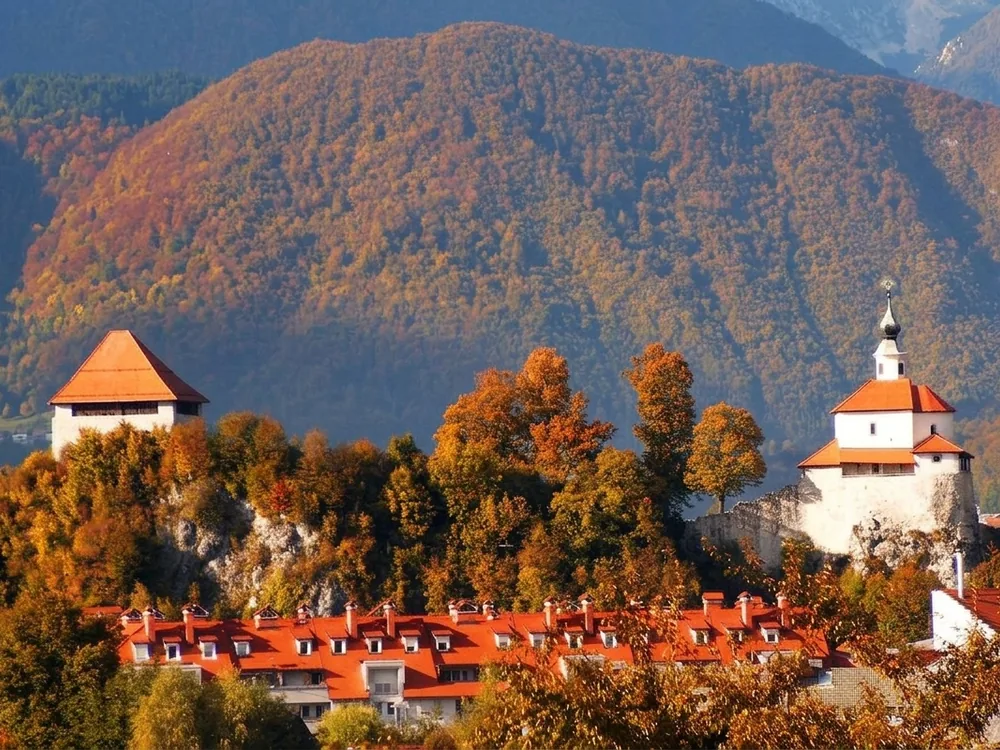
The hill now called Mali Grad has been a place of human significance far longer than any castle could document. Archaeological evidence indicates occupation and religious use in pre-Antiquity, with earthen ramparts and defensive ditches protecting a settlement long before the first medieval fortification was raised. This pre-medieval layer is not a footnote to the castle's history — it is the site's deepest identity, and it explains why a relatively modest medieval fortress in a small Slovenian town ended up with a history more layered than most.
The castle itself emerged in the 11th century — the likely date of construction is around 1100, though the first written documentation comes only in 1202. For the century following, Mali Grad was a more substantial centre of power than its surviving fabric suggests: the Counts of Andechs, who held the castle after 1220, minted their own coins here, stamping them 'Civitas Stein' — an unusual attribution for a provincial fortification that indicates genuine political and economic weight in medieval Upper Carniola.
The most complete surviving element is the Chapel of St. Eligius, a Romanesque structure dating to around 1100. Over four subsequent centuries, the chapel was extended and enriched: a second upper floor dedicated to Bartholomew the Apostle was added in the 13th century, a Gothic vault followed after 1470, and a thorough Baroque rebuild came around 1700 — each phase layering new architectural fabric onto the original Romanesque core. The chapel's survival through all the misfortunes that destroyed the castle proper makes it the primary reason to visit.
The castle's decline followed a particularly well-documented sequence. Fire destroyed the northeast wing around 1300; the earthquake of 1511 weakened the surviving structure; and in the 16th century the castle was deliberately dismantled, leaving the chapel as the most complete fragment of a once more substantial complex. A recent restoration of the defensive tower has made Mali Grad an active conservation project. Kamnik is an easy 25 km day trip from Ljubljana by train, and the castle hill is a short uphill walk from the main square — one of central Slovenia's most accessible medieval sites.
History
The site's human occupation predates the medieval castle by millennia, with evidence of early settlement protected by earthen ramparts before the first stone fortification appeared in the 11th century. Mali Grad is first documented in 1202, though its origins likely reach back to around 1100. From the 1220s onward, the Counts of Andechs established themselves as the principal holders, giving the site enough regional authority to mint their own coins here — stamped 'Civitas Stein' — a distinction that sets Mali Grad apart from contemporary fortifications whose significance was purely military. The Chapel of St. Eligius, built around 1100, was expanded with a second upper floor in the 13th century, received a Gothic vault after 1470, and was given a Baroque interior around 1700 — making the chapel a more continuous architectural record of the site's history than the castle walls themselves. Fire destroyed the castle's northeast wing around 1300, the earthquake of 1511 further weakened the surviving structure, and deliberate demolition in the 16th century reduced the fortification to the ruined condition visible today, with the chapel surviving as the most intact element. A recent restoration of the defensive tower has returned active heritage investment to the hill.
How to Visit
Getting there: Kamnik is approximately 25 km north of Ljubljana — about 30 minutes by car or by the frequent regional train service on the Kamnik line from Ljubljana station. The castle hill is a short uphill walk from Kamnik's main square, clearly visible from the town centre.
Tickets: Entry to the castle grounds and chapel is bundled into the Kamnik guided city walking tour — a 2-hour guided walk covering Kamnik's old town, Mali Grad Castle, and the Chapel of St. Eligius, including a coffee break. Book via the GetYourGuide link. Verify independent access to the chapel ruins and any entrance fee directly with the Kamnik tourist office if you prefer to visit without the guided tour.
Practical tips: Mali Grad is a compact visit best combined with Kamnik's old town, the Franciscan monastery, and the Mekinje Monastery — Kamnik has enough historic fabric to fill a half-day comfortably. The Kamnik-Savinja Alps visible to the north provide a striking backdrop; come on a clear day for the best views. The site itself is well-established as one of Kamnik's main historic attractions.
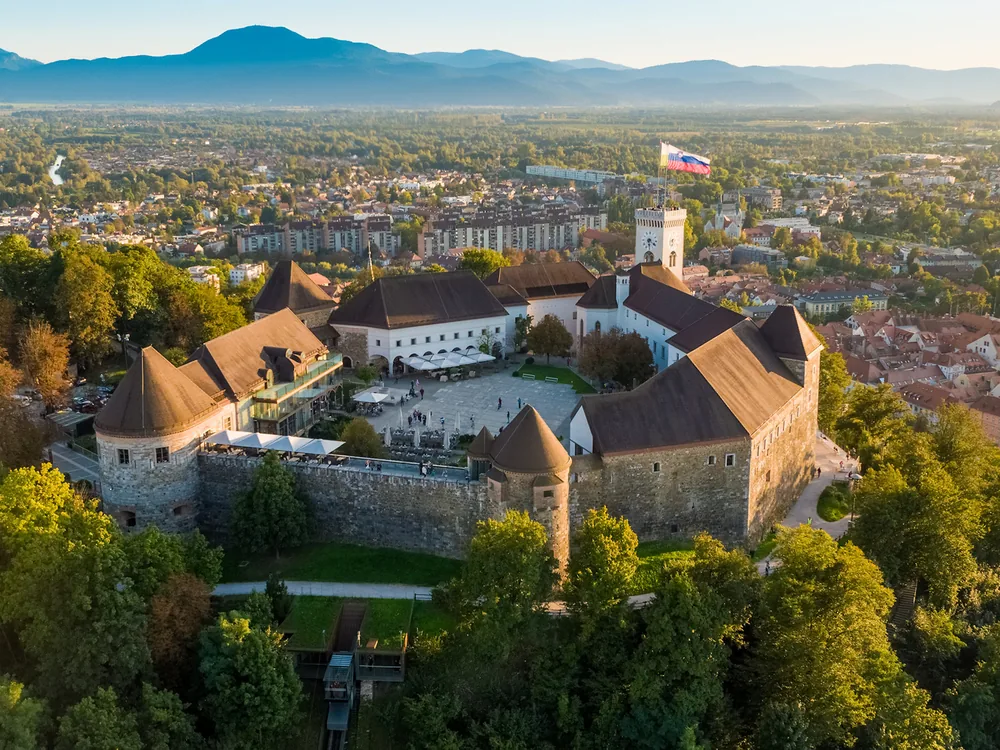
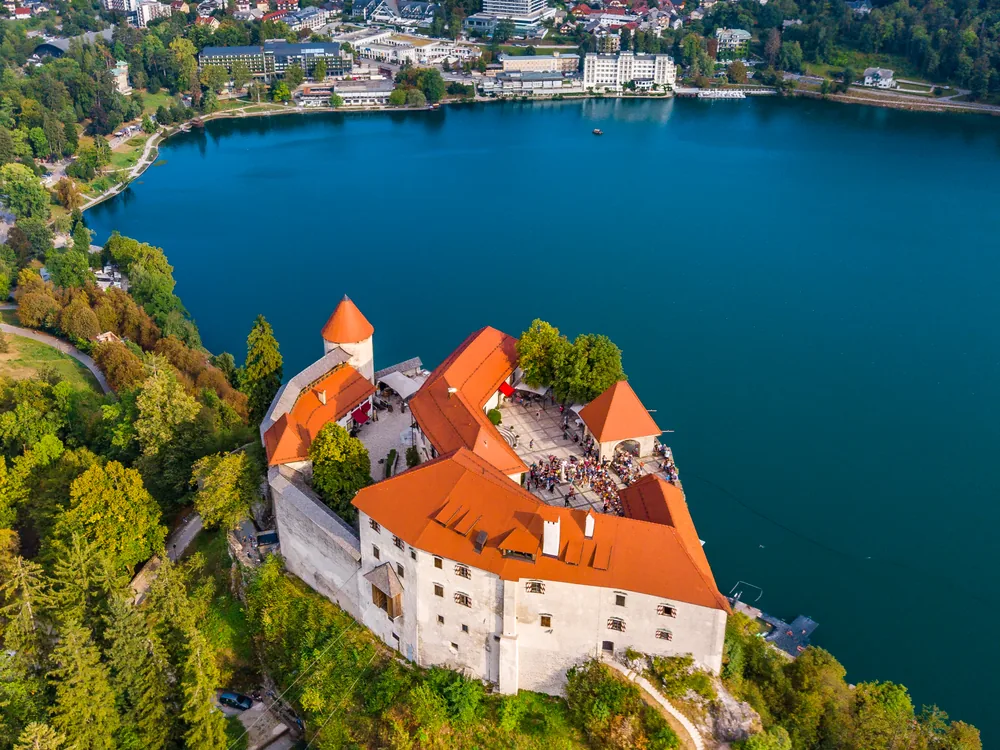
Combine with: Ljubljana Castle (~25 km south — the hilltop castle at the centre of the Slovenian capital, with panoramic views over Ljubljana's old town and the Ljubljanica river) and Bled Castle (~40 km northwest — Slovenia's most iconic castle, on a cliff above the glacial Lake Bled).
Frequently Asked Questions
Mostly yes — the fortification was deliberately dismantled in the 16th century following fire and earthquake damage. However, the Romanesque Chapel of St. Eligius (c.1100) survives in preserved condition with a Baroque interior from around 1700, and the defensive tower has recently been restored.
Location
Mali Grad, 1240 Kamnik, Slovenia
Nearby Castles
Tours & Tickets
Powered by GetYourGuide
From
€35/ person