
Läckö Castle
Läckö slott
Sweden · Västra Götaland County, Kållandsö peninsula, Lake Vänern · Near Lidköping
Built 1298 · Episcopal castle of the 13th century, substantially rebuilt as a lavish Baroque-Renaissance palace in the mid-17th century under Magnus Gabriel De la Gardie; the original 1298 fortification by Bishop Brynolf Algotsson was a modest episcopal stronghold on a rocky peninsula on Lake Vänern; expanded by subsequent Bishops of Skara through the 14th and 15th centuries; the defining transformation came under Magnus Gabriel De la Gardie (1622–1686), one of the most powerful and extravagant Swedish noblemen of the 17th century — Count Palatine, Lord High Chancellor, favourite of Queen Christina — who rebuilt Läckö into a palace of approximately 250 rooms with elaborate painted ceilings, gilded interiors, and a ceremonial main courtyard; the scale and quality of the 17th-century work placed Läckö among the grandest private residences in Sweden; confiscated by the Crown in 1681 under Charles XI's Great Reduction (reduktion), stripped of its furnishings and left largely unfurnished and unmaintained for over two centuries; restoration began in 1908 and continues into the 21st century; now considered one of the best-preserved Baroque castle ensembles in Scandinavia
This page is part of an independent travel guide and is not affiliated with, endorsed by, or operated by Läckö Castle.
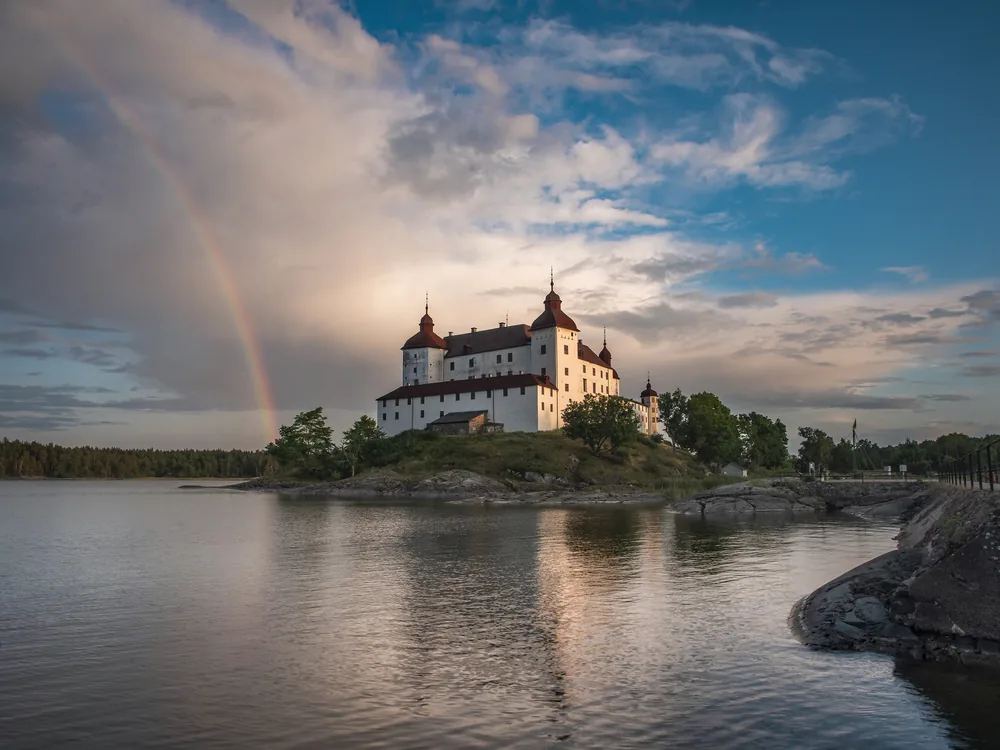
© Castles & Palaces
Quick Facts
- Hours
- Daily 10:00–17:00
- Day trip from
- €455
- Duration
- 1.5–2 hours
- Best time
- June to August
- Nearest city
- Lidköping
Featured Tour
Gothenburg: Private Day Trip to Lake Vänern & Läckö Castle
Cancellation available · Instant confirmation
Highlights
- ✦Magnus Gabriel De la Gardie (1622–1686) is the defining figure of Läckö's Baroque period and one of the most fascinating characters in Swedish 17th-century history: Count Palatine, Lord High Chancellor, favourite of Queen Christina, and prodigious cultural patron who imported Italian architects and Flemish painters to create a palace complex comparable in its ambitions to the great European baroque residences of his era; his relationship with Queen Christina — which contemporaries found ambiguous in its intimacy — funded an extraordinary cultural programme before Christina's abdication in 1654 exposed his political vulnerability; his subsequent fall from favour under Charles X Gustav and Charles XI stripped him of most of his holdings, culminating in the Great Reduction that took Läckö itself
- ✦The Great Reduction (reduktion) of 1681 — Charles XI's systematic confiscation of noble estates that had been granted by the Crown during the regency period of Queen Christina's minority — is the central event of Läckö's post-De la Gardie history; the reduktion was Sweden's most significant rebalancing of power between the Crown and the nobility in the 17th century, and Läckö was among its most prominent victims; the castle was stripped of the furnishings, artworks, and silverware that De la Gardie had accumulated over decades, leaving the elaborate Baroque interiors largely empty; over two centuries of minimal maintenance followed, and the castle decayed significantly before restoration began in 1908
- ✦The Baroque painted ceilings at Läckö — executed by Swedish and foreign painters working under De la Gardie's commission — are among the finest surviving examples of 17th-century Swedish secular decorative painting; the ceiling in the main ceremonial hall depicts allegories of royal and divine authority in the programmatic iconographic language of the European Baroque court; the quality of the painting was sophisticated enough that some ceilings are attributed to artists brought specifically from continental Europe for the commission
- ✦Lake Vänern — Vänern to Swedes — is the largest lake in Sweden, the third-largest in Europe by surface area, and one of the freshwater bodies that defines the Western Götaland landscape; Läckö's position on the Kållandsö peninsula, where the castle rises directly from the lake shoreline with water on three sides, gives it a maritime quality rare among inland Scandinavian castles; on clear summer days the reflections on Vänern make the castle appear to float, and the light across the lake in June and July — Sweden's midnight-sun-adjacent summer — has an unusual quality that the castle's seasonal visitor programme was clearly designed to exploit
- ✦The castle hosts an annual opera festival on its outer courtyard each summer — performances scheduled in a natural lakeside setting with the castle's Baroque facades as the backdrop; this is among the most atmospheric outdoor opera venues in Sweden, combining the historical drama of the building's own story with the natural setting of the lake; the opera festival, along with medieval and Baroque-themed cultural events, is part of Läckö's contemporary programming that keeps the castle as an active cultural venue rather than a static heritage display
Tickets & tours
Book through GetYourGuide
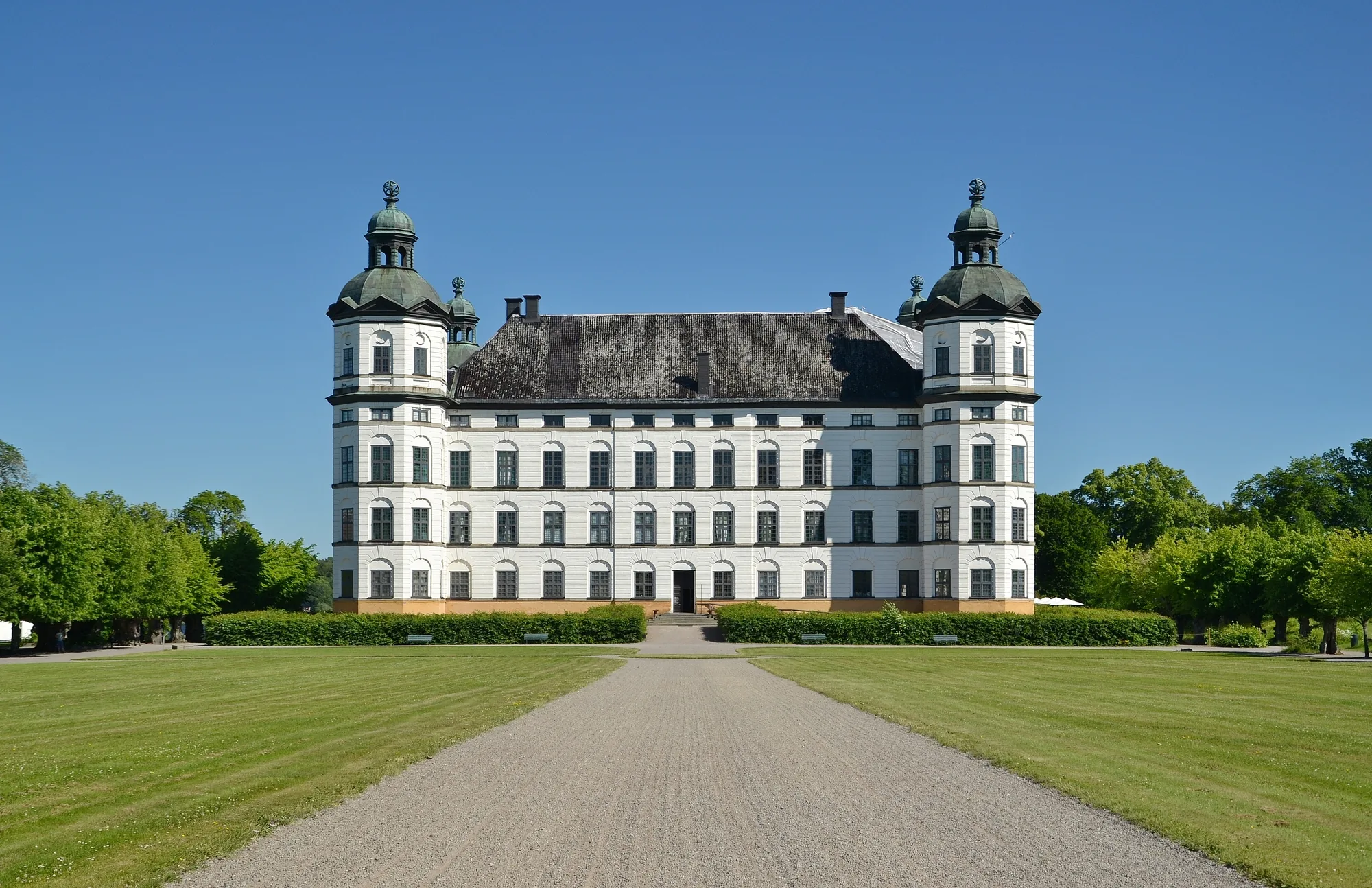
Läckö Castle stands on the Kållandsö peninsula in Lake Vänern, Sweden's largest lake and Europe's third-largest, approximately 25 kilometres from the city of Lidköping in Västra Götaland County. The castle rises directly from the lake shoreline with water on three sides — a position that gives it a maritime grandeur unusual for an inland fortification — and its Baroque towers and whitewashed facades are among the defining images of Swedish castle heritage.
The castle's history begins in 1298 when Bishop Brynolf Algotsson of Skara built a fortified episcopal residence on the peninsula. The site was a strategic ecclesiastical holding that controlled the southern reaches of Lake Vänern, and successive Bishops of Skara expanded the structure across the 14th and 15th centuries. When the Reformation transferred Swedish church property to the Crown in the 16th century, Läckö passed through royal hands before entering the phase that defines its current appearance.
Magnus Gabriel De la Gardie — Count Palatine, Lord High Chancellor, and the most prominent nobleman in Sweden under Queen Christina — received Läckö as a royal gift in 1652 and immediately began transforming it into the grandest private residence in Sweden outside the royal palaces. De la Gardie's relationship with Queen Christina had been exceptional by any standard: raised at court, educated alongside royalty, and favoured with titles, lands, and positions that made him the wealthiest nobleman in the kingdom. He channelled this wealth into cultural patronage of extraordinary ambition, bringing Italian architects, Flemish painters, and German craftsmen to remake Läckö in the image of a European Baroque palace. At its peak the castle contained approximately 250 rooms, with painted ceilings, gilded staterooms, and a ceremonial courtyard whose architecture announced De la Gardie's position as something approaching a co-regent.
The political reversals that followed Queen Christina's abdication in 1654 progressively weakened De la Gardie's position. Under Charles X Gustav and then Charles XI, the nobility's power was systematically curtailed. The decisive blow came in 1681 with the Great Reduction — Karl XI's systematic confiscation of noble estates that had been granted out during the regency period of Christina's minority. The reduktion was the most significant Crown-versus-nobility rebalancing in Swedish history, and Läckö was among its most prominent victims. The castle was taken from De la Gardie, its contents stripped — the furnishings, artworks, silverware, and decorative objects that he had accumulated over three decades were removed to royal storehouses — and the building left to the Crown with minimal maintenance. De la Gardie spent his last years at a small estate north of Stockholm, stripped of almost everything he had built.
For over two centuries after the reduktion, Läckö stood in various states of managed decline — too large for the Crown to maintain actively, too historically significant to demolish. Restoration work began in 1908 under the Swedish state, and the process of reinstating interiors, repairing structures, and researching the De la Gardie period has continued into the 21st century. The result is a castle that reads simultaneously as a magnificent Baroque achievement and as a document of a specific moment of aristocratic hubris — the painted ceilings, the ceremonial courtyard, and the lakeside silhouette all surviving from De la Gardie's commission, while the emptied staterooms and the long gap in the castle's biography speak equally clearly to the reduktion that ended it.
Läckö is today one of the most visited summer destinations in western Sweden, hosting an annual opera festival in the castle courtyard and a programme of Baroque and historical events that match the building's character. The GetYourGuide product linked on this page is a private door-to-door day trip from Gothenburg that includes transportation — its price of €455 reflects the private vehicle service, not the castle's own entrance fee, which is paid separately on-site. Independent visitors can reach Läckö from Lidköping (25 km by car) or from Gothenburg (160 km). The castle is closed in winter.
History
Bishop Brynolf Algotsson of Skara built an episcopal fortified residence on the Kållandsö peninsula in 1298, establishing the site that successive Bishops of Skara would expand through the 14th and 15th centuries. The Reformation transferred church property to the Swedish Crown in the 16th century, and Läckö passed with it.
The castle's most dramatically compressed period of rise and fall came in the mid-17th century. Queen Christina granted Läckö to Count Magnus Gabriel De la Gardie in 1652, and De la Gardie immediately began transforming the episcopal residence into a Baroque palace of approximately 250 rooms — one of the most ambitious Swedish architectural projects of the century. Christina abdicated in 1654, weakening De la Gardie's position at court. The Great Reduction (reduktion) of 1681, through which Charles XI reclaimed lands granted to the nobility, confiscated Läckö from De la Gardie: the contents were stripped, the palace entered managed decline, and the man who had built it watched his creation become a Crown possession with minimal maintenance — a state that persisted for over two centuries.
A restoration programme begun in 1908 gradually recovered the Baroque interior. Through the 20th and 21st centuries, ongoing restoration has been paired with the castle's development as a major summer cultural venue and opera festival host. The castle is open May to September and is one of the best-preserved Baroque castle ensembles in Scandinavia.
How to Visit
Getting there: Läckö Castle sits on the Kållandsö peninsula in Lake Vänern, 25 km from Lidköping in Västra Götaland. By car from Lidköping, the drive takes about 30 minutes; from Gothenburg the journey is around 160 km (approximately 2 hours on the E20 then regional roads). There is no direct public transport to the castle gate — a car or organised day trip are the practical options.
Tickets: Walk-up entry SEK 160 adult, SEK 80 child. The castle is open daily May to September; it closes completely in winter, so confirm dates at lackoslott.se before travelling. The GetYourGuide tour is a private 10-hour day trip from Gothenburg including door-to-door transportation to Lake Vänern and the castle — the price covers the private vehicle, and castle admission is paid separately on-site — book in advance.
Practical tips: Arrive before midday in July and August to beat the summer crowds that gather for the opera festival. The opera festival performances use the castle courtyard as a stage; if your visit overlaps, check lackoslott.se for the programme. Wear comfortable shoes — the peninsula paths and the upper castle floors both involve uneven surfaces.
Combine with: Gripsholm Castle for a second great Swedish royal castle, or extend the trip to Stockholm Royal Palace to close out a Sweden castle circuit.
Frequently Asked Questions
In 1681, Charles XI's Great Reduction (reduktion) confiscated Läckö from Magnus Gabriel De la Gardie, along with most of De la Gardie's other holdings. The reduktion was a systematic Crown clawback of noble estates that had been granted during the regency period of Queen Christina's minority; it was the most significant rebalancing of power between the Swedish Crown and its nobility in the 17th century. Läckö's furnishings, artworks, and silverware were removed to royal storehouses, and the castle was maintained with minimal resources for over two centuries until restoration began in 1908.
Location
Läckö Slott, 531 98 Lidköping, Sweden
Nearby Castles
Tours & Tickets
Powered by GetYourGuide
From
€455/ person