
Aigle Castle
Château d'Aigle
Switzerland · Vaud — Aigle, Chablais, mouth of the Rhône Valley above Lake Geneva · Near Aigle
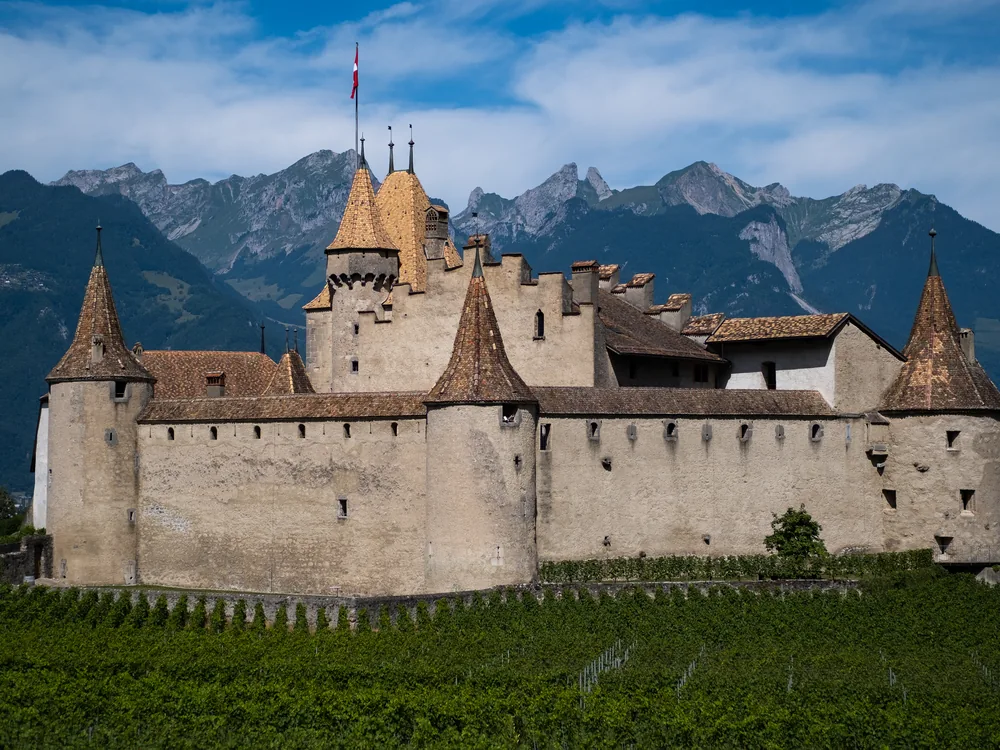
Built 1232 · Medieval castle rebuilt in Bernese Gothic style after the Bernese conquest of the Chablais in 1476 — the original 13th-century castle was built by the bishops of Sion (Sitten) to control the mouth of the Rhône Valley and the road connecting Lake Geneva to the Rhône corridor and the Alpine passes beyond; after the Bernese conquest, the castle was substantially rebuilt in the late 15th century as the seat of the Bernese bailiff (Landvogt) who administered the Chablais region; the current tower-and-curtain-wall composition with the distinctive round turrets reflects this Bernese Gothic reconstruction rather than the original episcopal structure; the castle is surrounded on three sides by active vineyards of the Aigle AOC appellation, making the setting of a medieval fortress embedded in working vines one of the most unusual in Switzerland and a natural fit for the Vine and Wine Museum (Musée de la Vigne et du Vin) housed within its walls
This page is part of an independent travel guide and is not affiliated with, endorsed by, or operated by Aigle Castle.
© Castles & Palaces
Quick Facts
- Hours
- Daily 10:00–13:00, 14:00–18:00
- Day trip from
- €419
- Duration
- 1–1.5 hours (Vine and Wine Museum + castle rooms + tower + vineyard surroundings)
- Best time
- May to October
- Nearest city
- Aigle
Featured Tour
Lausanne: Private Day Trip to Vevey, Montreux & Aigle Castle — Swiss Riviera Circuit (7 hours)
Cancellation available · Instant confirmation
Highlights
- ✦Vine and Wine Museum (Musée de la Vigne et du Vin) — the castle houses one of the most atmospheric wine museums in Switzerland, with permanent exhibitions covering the history of viticulture in the Vaud region from the Roman period through the medieval monastic cultivation of the Cistercians and Benedictines to the contemporary Aigle and Yvorne AOC appellations; the setting — medieval castle rooms and the tower — gives the viticultural history a physical context that a purpose-built museum building cannot replicate
- ✦Vineyard-embedded castle — the castle is surrounded on three sides by the vineyards of the Aigle AOC appellation (Chasselas grape, white wine, one of Switzerland's most celebrated wine zones); this is one of the very few medieval European castle complexes where the working agricultural landscape that the castle was historically built to control is still actively productive and physically present around the walls; the view from the castle tower over vines to Lake Geneva and the Alps is one of the most distinctive in Vaud
- ✦Aigle AOC and Chasselas — the Chablais wine zone around Aigle produces Chasselas — the principal white grape variety of the Swiss Vaud, producing a dry, lightly mineral, sometimes slightly sparkling white wine that is Switzerland's most widely planted and most distinctively local variety; Aigle and Yvorne are the Chablais appellations most consistently associated with the elegant, mineral-driven expression of Chasselas; the wine museum explains the appellation's character in the context where the vines grow
- ✦Bernese conquest of 1476 and the bailiff's seat — after the Bernese victory at the Battle of Grandson (1476) and the subsequent defeat of Charles the Bold of Burgundy, Bern took control of the Vaud Chablais from the Savoy rulers; Aigle Castle became the seat of the Bernese Landvogt (bailiff) who administered the region for the following three centuries until the French Revolution; this colonial administrative history is the political context of the castle's Bernese Gothic reconstruction in the late 15th century
- ✦Swiss Riviera circuit: Vevey, Montreux, and Aigle — the GetYourGuide private day trip from Lausanne covers the Swiss Riviera in a geographically coherent Lake Geneva loop: Vevey (optional Chaplin's World museum), Montreux (Freddie Mercury statue, Jazz Festival venue), and Aigle Castle (~1.5 hours at the castle); this is the most efficient way to see the three principal Swiss Riviera cultural stops from a Lausanne or Geneva base
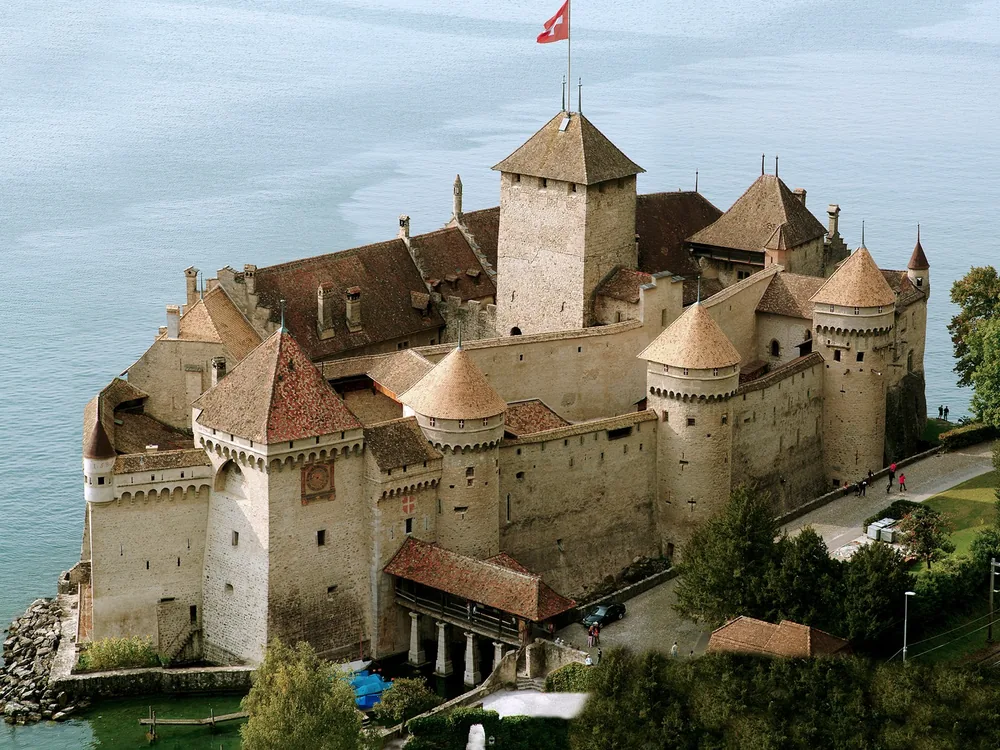
- ✦Château de Chillon regional pairing — [Château de Chillon](/castles/switzerland/chateau-de-chillon), approximately 15 kilometres north along the Lake Geneva shore, is the Swiss lake castle that most visitors associate with the Montreux Riviera; it inspired Lord Byron's 'The Prisoner of Chillon' (1816) and is the most-visited historic monument in Switzerland; the two castles together — Aigle for the wine estate and vineyard character, Chillon for the Byronic lake castle — make the most complete Lake Geneva castle day
Tickets & tours
Book through GetYourGuide
Aigle Castle stands at the mouth of the Rhône Valley, at the point where the river exits the Alps and the landscape opens from the steep gorge of the Valais into the broad plain approaching Lake Geneva. The castle was built here because this was one of the most strategically significant geographical positions in the western Alpine system: controlling the Aigle gap meant controlling the most direct route between the Rhône corridor (and the Alpine passes beyond), Lake Geneva, and the road north toward the Swiss Plateau. Every power that mattered in the western Alps — the bishops of Sion, the Counts of Savoy, the Bernese — spent time fighting over Aigle, and the castle was the object of the contest.
The first castle on the site is documented from 1232, built by the bishops of Sion to establish episcopal control over the Chablais region at a time when the bishops and the Counts of Savoy were competing for dominance in the Rhône Valley. The castle changed hands between these powers repeatedly across the 13th–15th centuries. The most consequential transfer came in 1476, following the Battle of Grandson — the decisive Burgundian Wars engagement at which the Swiss Confederacy's forces defeated Charles the Bold of Burgundy — which gave the Bernese the military and political momentum to extend their control south into the Vaud and the Chablais. Aigle Castle became the seat of the Bernese Landvogt (bailiff), the appointed administrator who governed the Chablais on behalf of Bern for the following three centuries. The Bernese rebuilt the castle in the late 15th century to serve as an administrative headquarters rather than a purely military outpost; the current tower-and-curtain-wall composition with the distinctive round corner turrets reflects this Bernese Gothic reconstruction.
The castle houses the Vine and Wine Museum (Musée de la Vigne et du Vin), which is both the principal institutional tenant and the most distinctive content element of the visit. The museum's permanent exhibitions cover the full history of viticulture in the Vaud: the Roman period (archaeological evidence of vine cultivation in the Rhône Valley predates the 1st century BC), the medieval period when Cistercian and Benedictine monasteries were the primary cultivators and wine traders of the Lake Geneva basin, the development of the Vaud canton's wine identity through the 17th–19th centuries, and the contemporary appellation system. The Aigle AOC and Yvorne AOC — both Chasselas white wines from the Chablais — are the most immediate examples of the museum's subject matter; the vineyards surrounding the castle are the same vineyards the museum describes.
Chasselas is Switzerland's most widely planted grape variety and the foundation of the country's distinctive white wine identity. The grape produces a dry, lightly mineral, often slightly effervescent white wine that is virtually unknown in international export markets (Switzerland consumes almost all its own Chasselas) but which in quality expressions — Aigle and Yvorne, Féchy, Dezaley, Epesses from the Lavaux — achieves the subtlety and terroir-expression of the finest Burgundy whites. The wine museum explains the Chasselas paradox (excellent quality, nearly invisible internationally) in a setting where the vines grow around the walls.
The GetYourGuide private day trip from Lausanne (7 hours) covers the Swiss Riviera in a Lake Geneva circuit: Vevey (Chaplin's World museum optional), Montreux (the Freddie Mercury statue, the site of the Jazz Festival), and Aigle Castle (~1.5 hours at the castle, including the wine museum). The Lausanne starting point is geographically rational — Lausanne is 35 kilometres from Aigle, in the same Vaud canton, connected by the Mont-Blanc Express railway in approximately 40 minutes. The alternative tour from Interlaken (8 hours) would involve a 100-kilometre journey over mountain roads from a different canton; the Lausanne tour is the coherent choice for Swiss Riviera coverage.
[Château de Chillon](/castles/switzerland/chateau-de-chillon) — 15 kilometres north along the Lake Geneva shore, at the base of the cliffs below Montreux — is the nearest major castle in the same region and the most visited historic monument in Switzerland. Byron's 'The Prisoner of Chillon' (1816), written after his visit to the castle's dungeon, made Chillon the most romantically famous castle in the Alpine world; the prisoner François Bonivard, whose story Byron adapted, was held at Chillon at the order of the Duke of Savoy from 1530 to 1536. Chillon for the Byronic Gothic romance; Aigle for the vineyard-embedded wine castle — the two together make the most complete Lake Geneva castle experience available in a single day.
History
The bishops of Sion built the first documented castle at Aigle in 1232 to control the mouth of the Rhône Valley — the geographical pinch point where the river exits the Alps and the Valais corridor opens toward Lake Geneva. Control of this crossing was commercially and politically valuable, and the castle was contested between the bishops of Sion and the Counts of Savoy through the 13th to 15th centuries in the pattern of episcopal-noble competition that characterised the western Alps.
The Battle of Grandson in 1476 transferred the Chablais to Bernese control, and the Bernese rebuilt the castle in the late 15th century as the seat of the Landvogt — the bailiff — of the Chablais, establishing the Gothic tower and curtain wall configuration that survives today. Bernese administration continued from Aigle Castle for over three centuries until French Revolutionary forces occupied the Vaud in 1798, ending the old regime's administrative geography.
The 19th century brought various uses and the maintenance of the surrounding vineyard; restoration in the 20th century was followed by the establishment of the Musée de la Vigne et du Vin (Vine and Wine Museum) in the castle. The castle and museum are open from April to October.
How to Visit
Getting there: From Lausanne: 40 minutes by the Mont-Blanc Express train; Aigle station is a 10-minute walk from the castle. From Geneva: approximately 50 minutes by train. By car from Lausanne: 35 km via the A9 motorway, around 30 minutes. The castle is open April to October only — confirm current season opening at chateauaigle.ch before visiting.
Tickets: Walk-up entry CHF 10 adult, CHF 5 child — includes the Vine and Wine Museum, castle rooms, and tower; no advance booking required. The GetYourGuide tour is a private 7-hour Swiss Riviera day trip from Lausanne covering Vevey, Montreux, and Aigle Castle — book in advance.
Practical tips: The wine museum labels and explanatory panels are detailed — allow a full hour inside rather than rushing. Visit in late September or October for the grape harvest period when the surrounding Aigle AOC vineyards are at their most visually dramatic. The tower staircase gives the best views of the Rhône Valley opening toward Lake Geneva — worth the climb even if you skip the upper museum rooms.
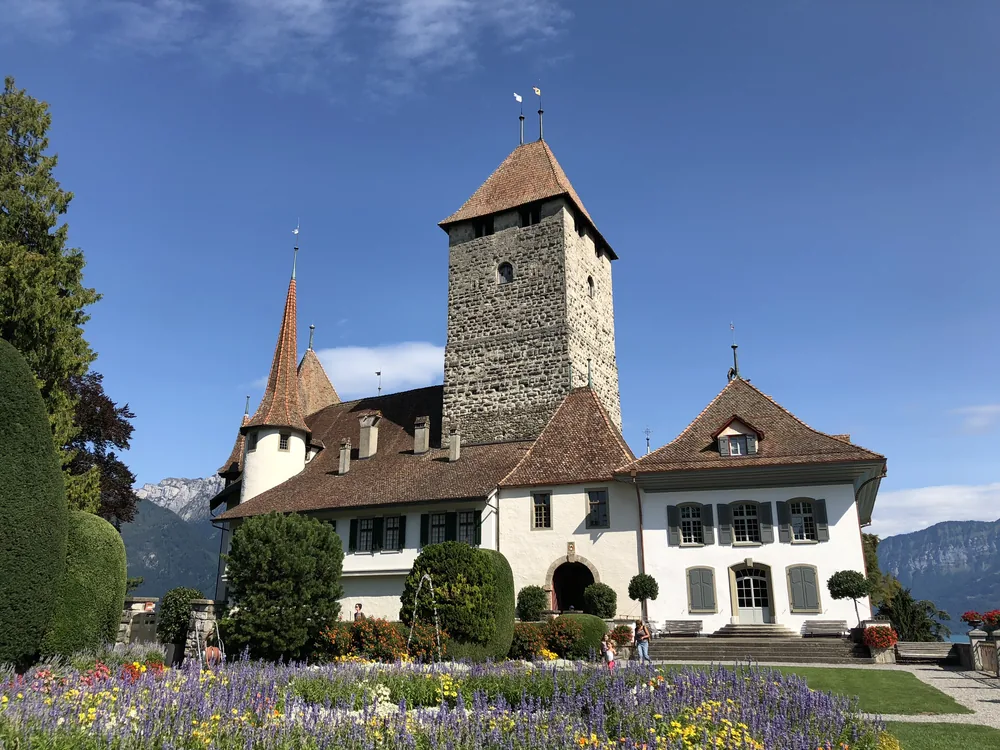
Combine with: Château de Chillon (15 km north on the Lake Geneva shore, Byron's 'Prisoner of Chillon' castle and the most visited historic monument in Switzerland) and Spiez Castle (45 km northeast on Lake Thun, a Romanesque tower castle with direct lake views).
Frequently Asked Questions
Chasselas is Switzerland's most widely planted white grape variety — a thin-skinned, early-ripening variety that produces a dry, lightly mineral, sometimes slightly effervescent white wine. It is virtually unknown outside Switzerland (the country exports almost none of its Chasselas production) but is taken seriously within the country as the expression of Swiss terroir. The Aigle and Yvorne appellations in the Chablais are among the most celebrated Chasselas zones, producing wines with the mineral character of the Rhône Valley limestone soils. The wine museum inside the castle covers the full history of Chasselas in the Vaud.
Location
Place du Château, 1860 Aigle, Vaud, Switzerland
Nearby Castles
Tours & Tickets
Powered by GetYourGuide
From
€419/ person