
Galata Tower
Galata Kulesi
Turkey · Istanbul — Beyoğlu district (Galata/Karaköy neighbourhood), European side · Near Istanbul
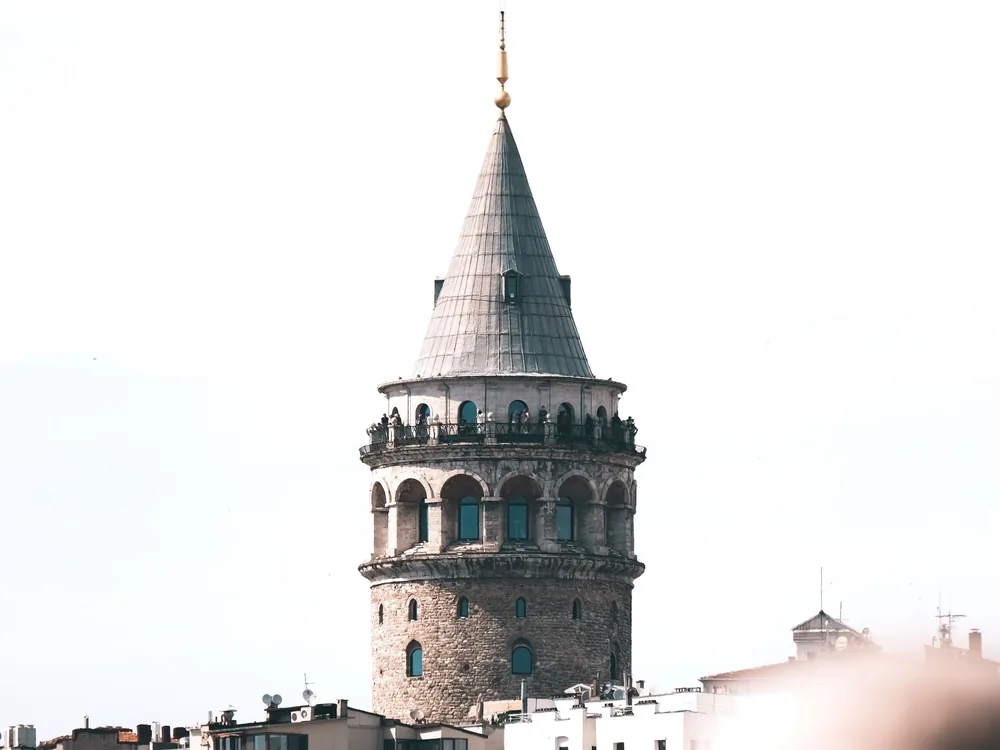
Built 1348 · Genoese cylindrical watchtower built by the Republic of Genoa in 1348 as the primary defensive structure of their Galata colony on the northern shore of the Golden Horn; the tower is a single massive cylindrical shaft of cut stone approximately 67 metres tall, with a conical roof added in the Ottoman period; the exterior is largely original Genoese construction of the 14th century; the interior has been adapted over the centuries for various functions (observatory, observatory/prison, fire watch station) and was most recently restored in 2020; the terrace at the top provides a 360-degree panorama of Istanbul — the Golden Horn, the Bosphorus, the Topkapı Peninsula, the Princes' Islands, and the Asian shore
This page is part of an independent travel guide and is not affiliated with, endorsed by, or operated by Galata Tower.
© Castles & Palaces
Quick Facts
- Hours
- Daily 08:30–22:00
- Skip-the-line from
- €40
- Duration
- 45–90 minutes (including queue time; the terrace itself takes 20–30 minutes)
- Best time
- October to April
- Nearest city
- Istanbul
Featured Tour
Istanbul: Galata Tower All-Day Skip-the-Line Entry + Audio Guide
Cancellation available · Instant confirmation
Highlights
- ✦360° panorama of Istanbul — the terrace at 67 metres provides an unobstructed view that simultaneously shows both the European and Asian shores of Istanbul: the Golden Horn directly below, the Bosphorus to the right, the Topkapı Peninsula with Hagia Sophia and the Blue Mosque beyond the Golden Horn, the Princes' Islands in the Marmara to the south, and the Anatolian hills across the Bosphorus to the east
- ✦Hezarfen Ahmed Çelebi's flight (1638) — according to the Ottoman court historian Evliya Çelebi, in 1638 the inventor Hezarfen Ahmed Çelebi fitted himself with wings based on Leonardo da Vinci's designs, launched from the Galata Tower's terrace, and glided across the Bosphorus to land at Doğancılar in Üsküdar on the Asian side — approximately 3km; whether entirely true or embellished, the legend is one of the most famous Ottoman stories and has made the tower a symbol of flight in Turkish popular culture
- ✦Genoese medieval engineering — the tower was built in 1348 by the Republic of Genoa as the main defensive structure of their Galata colony (Pera), a semi-autonomous trading colony on the north shore of the Golden Horn facing the Byzantine capital; the Genoese controlled Galata from the 1260s until the Ottoman conquest in 1453
- ✦Skip-the-line ticket caveat — the GetYourGuide product (All-Day Entry + Audio Guide) skips the physical ticket booth queue only; it does NOT skip the separate physical queue for the lift to the terrace, which is the actual bottleneck on busy days; on summer weekends, the total terrace queue (ticket + lift) can be 45–90 minutes even with a pre-purchased ticket
- ✦The Galata neighbourhood — the tower stands at the top of the steep Galata hill, surrounded by the most interesting neighbourhood in contemporary Istanbul for eating, drinking, and walking; Galata Bridge, Karaköy fish market, the antique shops of Çukurcuma, and the Jewish Museum are all within 15 minutes on foot
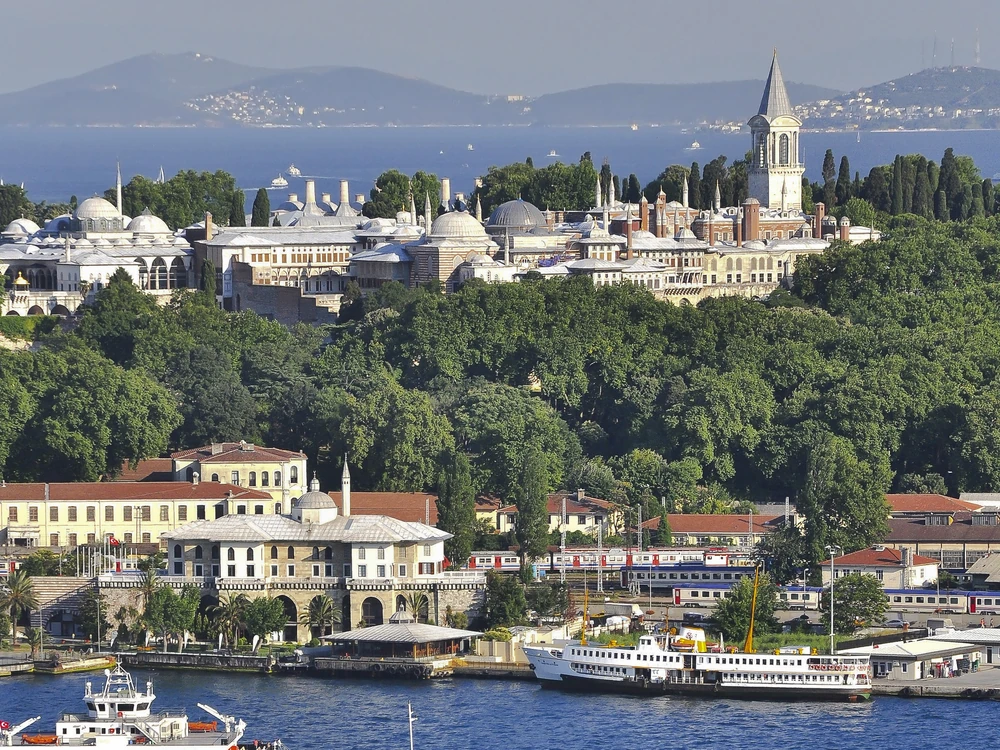
- ✦[Topkapı Palace](/castles/turkey/topkapi-palace) — 2km across the Golden Horn, visible from the Galata Tower terrace; the palace that governed the Ottoman Empire from 1465 to 1853 is the natural companion visit on the opposite bank
Skip the queue with a guided tour
Skip-the-line tickets & expert guides
The Galata Tower stands at the summit of the Galata hill in the Beyoğlu district of Istanbul, on the northern bank of the Golden Horn. It is 67 metres tall, cylindrical, and Genoese — built in 1348 by the Republic of Genoa as the main fortification of their Galata colony, a trading post and semi-autonomous commune established on the north shore of the Golden Horn when the Byzantines granted the Genoese trade concessions in the early 13th century in exchange for naval support. The tower was the tallest structure in its neighbourhood at the time of its construction and remains the most recognisable landmark in the Beyoğlu skyline today.
The Genoese called it the Christea Turris — the Tower of Christ. Its function was primarily military watchtower and the defensive anchor of the Galata colony's walls; the colony's territory extended from the shoreline up the Galata hill and was bounded by its own defensive circuit, of which the tower was the highest point and the most defensible element. The Genoese maintained their Galata colony, with considerable commercial success, until the Ottoman conquest of Constantinople in 1453, at which point the colony surrendered peacefully to Mehmed II and was gradually absorbed into the Ottoman administrative system. The tower passed into Ottoman use as a variety of things over the following centuries: a fire watchtower (its height above the surrounding city made it valuable for early warning of the fires that periodically destroyed Istanbul's wooden neighbourhoods), an observatory, and at various points a prison and a storage facility.
The 2020 restoration substantially improved the visitor infrastructure — a new lift was installed, the terrace walkway was widened, and the audio guide system was updated. These improvements have not, however, resolved the fundamental visitor management problem: the terrace is physically small, demand is high (the tower receives approximately 3 million visitors annually), and the lift has limited capacity. The GetYourGuide skip-the-line ticket (All-Day Entry + Audio Guide) skips the ticket booth queue. It does not — and cannot — skip the physical queue for the lift, which is the actual bottleneck. On summer weekends and during the peak July–August season, the combined time (ticket desk queue + lift queue) is 45–90 minutes even for visitors with pre-purchased tickets. The caveat is included in this listing because it affects planning decisions: visiting on a weekday, arriving at opening time (08:30), or visiting in shoulder season (May–June, September–October) significantly reduces the queue.
The tower's most famous story is the flight of Hezarfen Ahmed Çelebi. According to the Ottoman historian Evliya Çelebi, writing in the 17th century, the inventor and polymath Hezarfen Ahmed Çelebi studied the works of Leonardo da Vinci and constructed wings based on Leonardo's flying machine designs. In 1638, he mounted the Galata Tower's terrace with these wings, launched himself, and glided across the Golden Horn and the Bosphorus to land at Doğancılar on the Asian shore of Üsküdar — a distance of approximately 3 kilometres. Sultan Murad IV, watching from the Sarayburnu promontory, is said to have rewarded the flight with gold and then exiled Çelebi to Algeria, allegedly saying that a man capable of such a thing was dangerous to keep close. The story has been debated by historians — the physics of such a flight are possible in principle, the distance is achievable with the right lift conditions, and the documentation comes from the same Evliya Çelebi who embellished many accounts — but regardless of its precise historical accuracy, it has entered deeply into Istanbul's popular mythology and makes the tower's terrace a place where standing in the wind and looking across the Bosphorus feels charged with a specific human ambition.
The view from the terrace is genuinely exceptional. Istanbul is one of very few world cities where the view from a single point encompasses two continents simultaneously: the tower's terrace shows the European city (the Topkapı Peninsula with Hagia Sophia, the Blue Mosque, the Sultanahmet mosques, and the Grand Bazaar neighbourhood) on one side and the Asian shore (the Anatolian hills above Üsküdar and Kadıköy) on the other, with the Bosphorus strait — a working commercial shipping lane as well as a body of exceptional natural beauty — between them. [Topkapı Palace](/castles/turkey/topkapi-palace), 2 kilometres across the Golden Horn, is visible directly from the terrace.
History
Byzantine Emperor Michael VIII Palaiologos granted the Republic of Genoa trade concessions in Galata in 1261, establishing the Genoese colony on the northern shore of the Golden Horn as the commercial counterpart to Byzantine Constantinople across the water. The Galata Tower was constructed by the Republic of Genoa in 1348 as the primary defensive tower of the colony walls — named Christea Turris, the Tower of Christ — rising 67 metres above the Galata hill and serving as the cornerstone of the Genoese fortification that enclosed their trading quarter.
The Ottoman conquest of Constantinople in 1453 ended the Byzantine and Genoese phases simultaneously: the Galata colony surrendered peacefully, and the tower passed into Ottoman use for a succession of purposes — fire watchtower, observatory, prison, and storage. The traveller Evliya Çelebi's 17th-century account records the legendary flight of Hezarfen Ahmed Çelebi, who allegedly glided from the tower to the Asian shore of the Bosphorus using artificial wings in 1638 — a story that has never been verified but has remained attached to the tower's identity for four centuries.
The tower continued as a fire watchtower through the 19th and 20th centuries. Multiple 20th-century restorations maintained the structure, and a major restoration in 2020 installed a new lift and improved the terrace. It now receives approximately 3 million visitors annually.
How to Visit
Getting there: Galata Tower stands at the top of the Galata hill in Beyoğlu. From Karaköy tram stop (T1 line), the walk up the hill takes about 10 minutes, or take the Tünel funicular (one of the world's oldest underground railways, running since 1875) for a 2-minute ride to the Tünel square — the tower is 3 minutes' walk from the top station. From Galata Bridge and Eminönü, allow about 15 minutes on foot. The tower is open daily until 22:00.
Tickets: Walk-up entry €25 adult, €15 child. The GetYourGuide tour is an all-day skip-the-line entry with audio guide — it skips the ticket booth queue but does not skip the separate lift queue for the terrace, which is the real bottleneck; on summer weekends the lift queue alone can be 30–60 minutes — book in advance.
Practical tips: Visit on a weekday and arrive at opening time (08:30) to minimise the lift queue; May–June and September–October are significantly better than July–August for crowd levels. The tower is open until 22:00, making an evening visit — for sunset and night views over the Golden Horn — worth considering. The Galata neighbourhood directly around the tower is one of Istanbul's best for cafes, antique shops, and walking after the visit.
Combine with: Dolmabahçe Palace in Beşiktaş — a 20-minute walk or short tram ride along the European Bosphorus shore — or Beylerbeyi Palace across the strait on the Asian side for a full Bosphorus palace day.
Frequently Asked Questions
Partially. The GetYourGuide skip-the-line ticket skips the physical ticket booth queue — you enter with your QR code without buying a ticket on-site. It does NOT skip the separate queue for the lift to the observation terrace, which is the main capacity constraint. On summer weekends, this lift queue alone can be 30–60 minutes. For the best experience, visit on a weekday, arrive at opening time (08:30), or visit in shoulder season.
Location
Bereketzade, Galata Kulesi Meydanı, 34421 Beyoğlu/İstanbul, Turkey
Nearby Castles
Tours & Tickets
Powered by GetYourGuide
From
€40/ person