
Frederiksborg Palace
Frederiksborg Slot
Denmark · North Zealand · Near Copenhagen
Built 1620 · Dutch Renaissance
This page is part of an independent travel guide and is not affiliated with, endorsed by, or operated by Frederiksborg Palace.
© Unsplash
Quick Facts
- Hours
- Daily 10:00–17:00
- Entry via GetYourGuide
- €17
- Duration
- 2–3 hours
- Best time
- Late spring and summer when the baroque garden is in full bloom
- Nearest city
- Copenhagen
Featured Tour
Hillerød: Frederiksborg Castle Entry Ticket
Cancellation available · Instant confirmation
Highlights
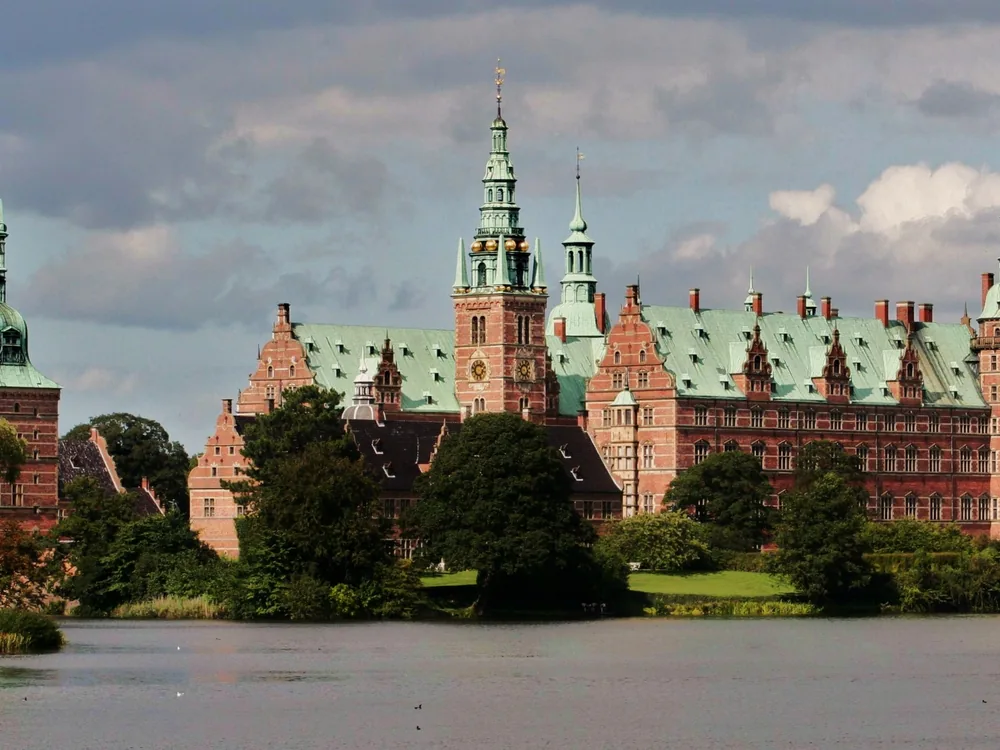
- ✦The grandest Renaissance palace in Scandinavia, built by King Christian IV between 1600 and 1620 across three artificial islands in a lake
- ✦Houses the Museum of National History — Denmark's most important collection of portraits, furniture, and silver tracing 500 years of Danish history
- ✦The Great Hall (Riddersalen) with its extraordinary gilded ceiling, tapestries, and one of the finest Renaissance interiors in Northern Europe
- ✦The Palace Chapel — original 17th-century interior surviving intact, where Danish monarchs were anointed from 1671 to 1840
- ✦The baroque garden restored to its 1720s design — formal terraces, fountains, and canal gardens descending to the lake
Tickets & tours
Book through GetYourGuide
Frederiksborg Palace is the most architecturally ambitious royal building in Denmark — a Dutch Renaissance masterpiece of red brick, sandstone spires, and copper rooflines spread across three artificial islands in the lake at Hillerød, 40 km north of Copenhagen. King Christian IV, the most prolific builder in Danish history, constructed it between 1600 and 1620 as a statement of royal power and personal taste, replacing an earlier Renaissance structure on the same site. The result — a complex of connected buildings, towers, and bridges reflected in still water — is among the finest ensemble views of any royal palace in Northern Europe.
The palace is now home to the Museum of National History, established by the Carlsberg Foundation in 1878 after a catastrophic fire in 1859 destroyed much of the original interior. The museum traces Danish history through portraits, furniture, silver, and decorative arts from the 16th century to the present. The Great Hall (Riddersalen) was meticulously reconstructed after the fire and remains one of the great Renaissance interiors of Scandinavia — gilded ceiling, elaborate tapestries, and a room scaled for royal ceremony.
The Palace Chapel survived the fire intact and retains its complete 17th-century interior, including the original organ by Esaias Compenius (1610) — one of the oldest playable organs in Europe. Danish monarchs were anointed in this chapel from 1671 to 1840, and it retains the coats of arms of the Danish Orders of Chivalry arranged around the walls, creating a heraldic panorama of the nobility.
History
The Frederiksborg estate was originally acquired by King Frederick II, who built a Renaissance manor here in the 1560s. His son Christian IV inherited it in 1588 and immediately set about replacing the modest structure with a palace worthy of the wealthiest king in Scandinavia. Construction began around 1600 and continued until 1620, employing Dutch and Flemish craftsmen who gave the palace its distinctive Dutch Renaissance character.
Christian IV used Frederiksborg as his primary residence and the ceremonial centre of the Danish court. The Peace of Roskilde (1658), which ceded significant Norwegian and Swedish territories and fundamentally altered the Scandinavian map, was negotiated in the vicinity. The palace served the Danish royal family until King Frederik IV moved the court to Frederiksberg Palace in the early 18th century, after which Frederiksborg declined as a residence.
The devastating fire of December 1859 destroyed almost the entire interior of the main building, leaving only the chapel and audience chamber intact. The Carlsberg brewery magnate J. C. Jacobsen financed a reconstruction and proposed converting the palace into the Museum of National History, which opened in 1878. The museum has been expanded continuously since then and now holds over 400 years of Danish history across more than 80 rooms.
How to Visit
Getting there: Trains from Copenhagen Central Station (København H) to Hillerød run on lines A and E (~1 hour). The palace is a 10-minute walk from Hillerød station, clearly signposted through the town centre. By car from Copenhagen, 40 km north (~45 minutes).
Tickets: Walk-up entry is €15 adult; children are free. The GetYourGuide entry ticket is the advance booking for the same museum access, valid all day.
Practical tips: The Great Hall (Room 21), Chapel (Room 4), and Golden Room (Room 26) are the three most important interior spaces. The baroque garden below the palace terraces is free and restored to its 1720s appearance — approach via the garden for the classic lake-reflection view of the palace.
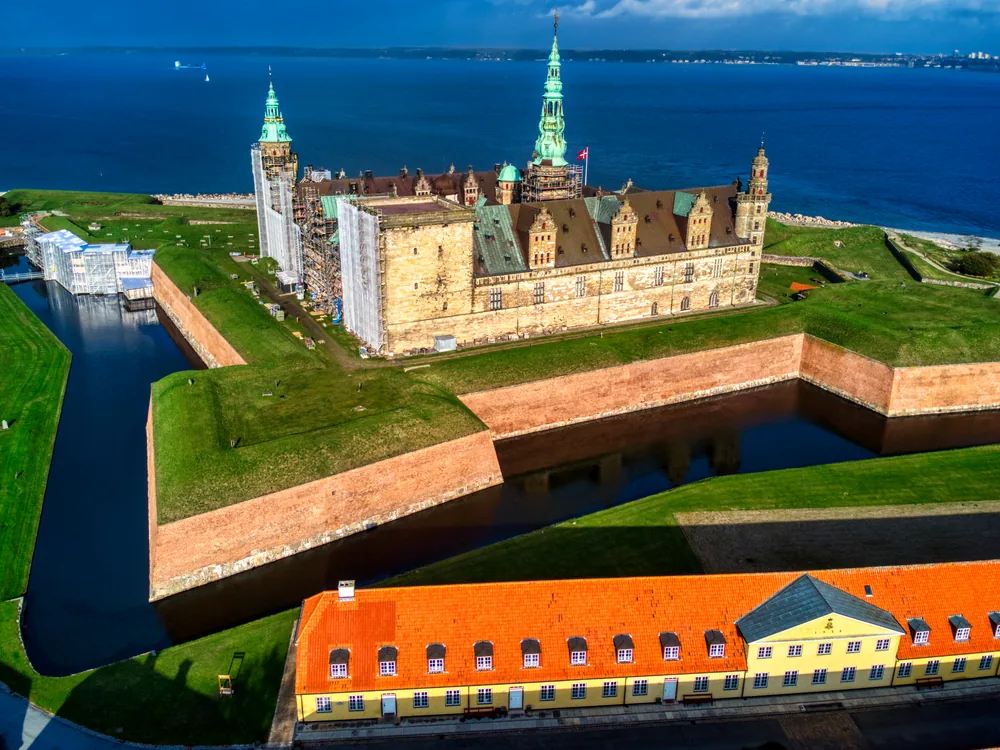
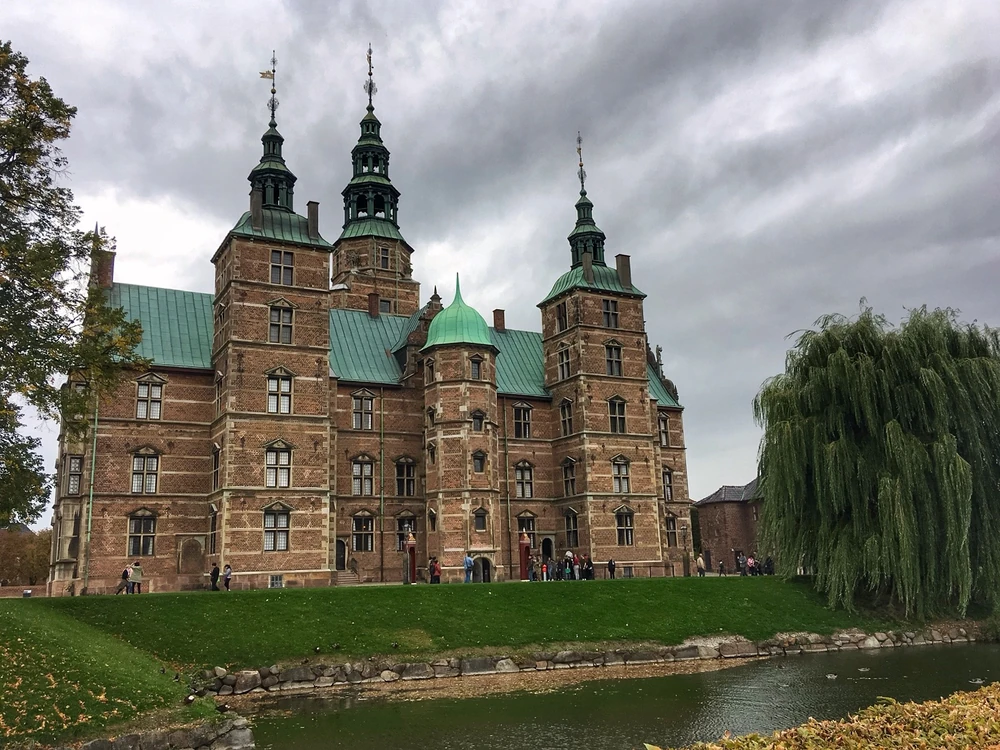
Combine with: Kronborg Castle — Shakespeare's Elsinore, 30 minutes by train from Hillerød; both castles can be covered in a single North Zealand day from Copenhagen. Rosenborg Castle — the Crown Jewels castle in central Copenhagen, 40 km south.
Frequently Asked Questions
Kronborg (Elsinore/Helsingør) is a defensive Renaissance castle guarding the Sound between Denmark and Sweden — famous as the setting of Hamlet and a UNESCO World Heritage Site. Frederiksborg (Hillerød) is a Dutch Renaissance palace built for royal ceremony and residence, now housing the Museum of National History. Both are in North Zealand and easily combined in one day from Copenhagen.
Location
Frederiksborg Slot, 3400 Hillerød, Denmark
Nearby Castles
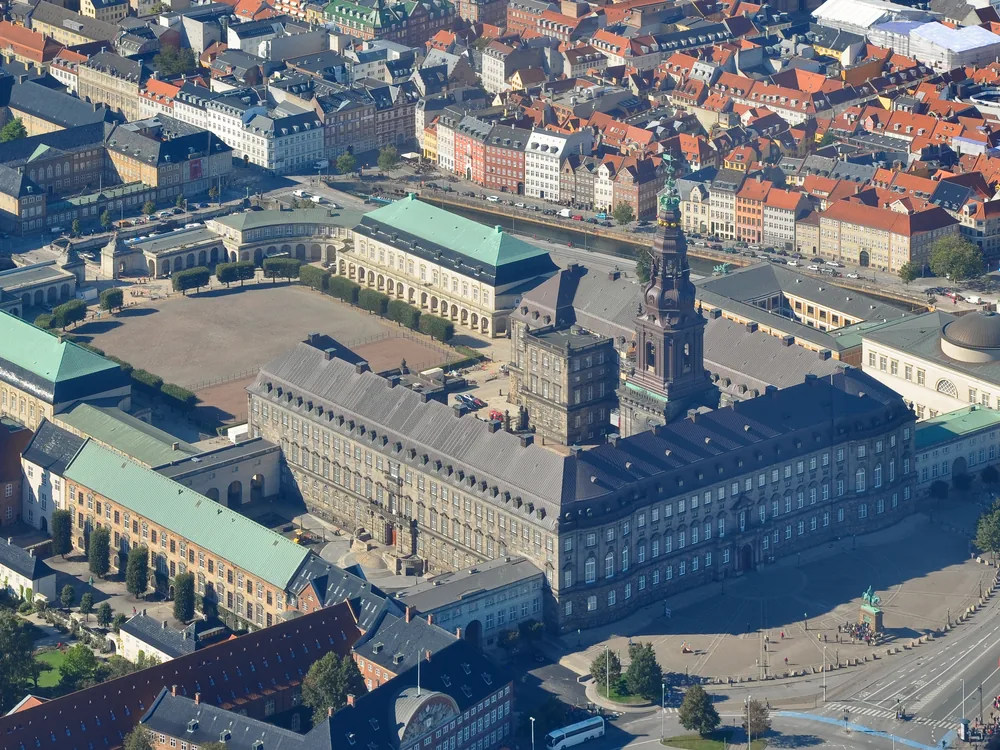
Tours & Tickets
Powered by GetYourGuide
From
€17/ person