
Eltham Palace
Eltham Palace and Gardens
England · London (Royal Borough of Greenwich) · Near London
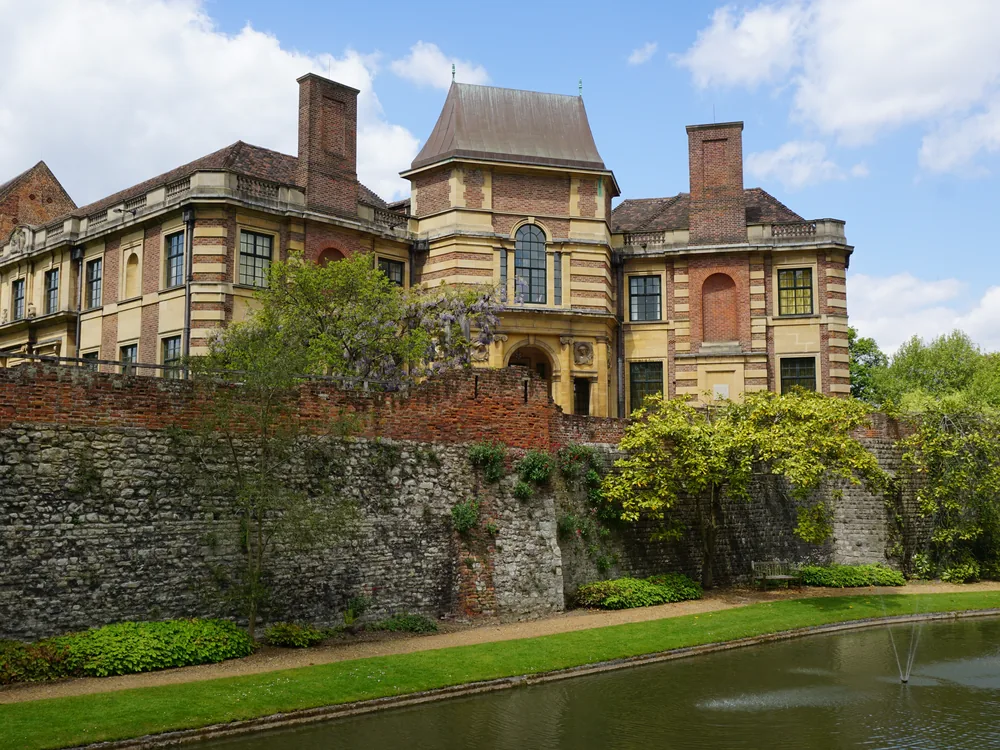
Built 1305 · Medieval royal palace with origins in the early 14th century, the site's most significant medieval survival being the Great Hall (completed c. 1480 under Edward IV) with its hammerbeam roof — the third-largest surviving medieval hammerbeam roof in England; the medieval ruins were leased in 1931 by Stephen and Virginia Courtauld, who constructed a luxury Art Deco mansion directly alongside the Great Hall, designed by Seely and Paget with Art Deco interiors by Italian designers Renzo Mongiardino and others; the completed 1936 mansion combined central heating, an intercom system, an en-suite bathroom with a triangular bath in onyx and gold, and heated rooms for the Courtaulds' pet ring-tailed lemur named Mah-Jongg; managed by English Heritage
This page is part of an independent travel guide and is not affiliated with, endorsed by, or operated by Eltham Palace.
© Castles & Palaces
Quick Facts
- Hours
- Daily 10:00–17:00
- Entry via GetYourGuide
- €19.78
- Duration
- 2–3 hours
- Best time
- April to October
- Nearest city
- London
Featured Tour
Entry Ticket to Eltham Palace and Gardens
Cancellation available · Instant confirmation
Highlights
- ✦Eltham Palace contains two completely distinct architectural periods under one roof: the 14th–15th-century royal palace Great Hall with its hammerbeam roof (the third-largest surviving medieval hammerbeam roof in England, after Westminster Hall and Christ Church Oxford) and the 1930s Art Deco mansion the Courtauld family built directly alongside it — a juxtaposition that exists nowhere else in English heritage
- ✦Mah-Jongg, the Courtaulds' pet ring-tailed lemur, had his own centrally heated quarters in the 1936 mansion — specifically designed by the architects with a temperature-controlled environment, a spiral staircase leading to the outdoor gardens, and connection to the rest of the house; this is a documented architectural detail, not a popular myth, and it remains the most memorable specific fact about the building
- ✦The Great Hall was completed around 1480 under Edward IV — the Plantagenet king who built it as a major royal residence — and the hammerbeam roof is one of the finest examples of late medieval English carpentry, with carved timber figures on the hammerbeams and a structural elegance that bridges engineering and decoration in the manner that characterises the best 15th-century English carpentry
- ✦The Art Deco interiors of the 1936 Courtauld mansion were designed by Italian decorator Renzo Mongiardino and others, with a complete set of rooms in different Art Deco idioms — Virginia Courtauld's circular bedroom in Venetian-style decoration, Stephen Courtauld's more restrained study, a dining room with a marquetry frieze of Australian wildlife — the whole representing one of the most complete surviving examples of 1930s British luxury interior design
- ✦Eltham Palace was a favourite residence of Henry IV, Henry V, Henry VI, and Henry VIII in his early years before Greenwich Palace superseded it — and served as the site of Henry VIII's adolescence, when the young prince kept a court here before his accession; the palace's Plantagenet and early Tudor royal history adds genuine historical weight to the architectural spectacle
Skip the queue with a guided tour
Skip-the-line tickets & expert guides
The problem with Eltham Palace is where to start. The building has two completely distinct and equally remarkable things happening under one roof, separated by approximately 450 years, and both are specific and checkable in ways that most heritage attractions are not. Starting with the medieval side is logical chronologically. Starting with the lemur is probably more effective.
Mah-Jongg was a ring-tailed lemur. Stephen and Virginia Courtauld, who leased the ruins of Eltham Palace from the Crown in 1931 and built a luxury Art Deco mansion directly alongside the medieval Great Hall, kept him as a pet. When they commissioned Seely and Paget to design the new house in 1933, the brief included accommodating Mah-Jongg. The architects responded with heated quarters specifically designed for a lemur: temperature-controlled, with a spiral staircase connecting to the outdoor gardens, positioned so that Mah-Jongg could move between his private suite and the house's communal spaces in a way that suited his behavioural requirements. This is architectural history that the standard survey texts do not typically cover, but it is documented in the building record and is visible in the surviving structure: a room designed for a lemur, built in 1936, in a mansion that sits directly adjacent to a 15th-century Great Hall.
The Great Hall is the other remarkable thing. Completed around 1480 under Edward IV — the Yorkist king who used Eltham as a major royal residence and invested significantly in its buildings — the hall has a hammerbeam roof that is among the finest surviving examples of late medieval English carpentry. Hammerbeam roofs are a specifically English medieval structural form: rather than a simple pitched roof on vertical walls, the hammerbeam system uses a series of horizontal timber brackets projecting from the wall-heads, each carrying a vertical post that supports the next tier, creating a structural vault of timber that achieves much greater spans than simple roof trusses can manage. Westminster Hall (completed 1399) has the largest surviving hammerbeam roof in England; Christ Church Great Hall in Oxford has the second-largest. Eltham's Great Hall roof is third. The hierarchy matters because it establishes the scale of royal investment the 1480s building represented: Eltham was not a minor royal property but a major residence where kings held court and large-scale assembly was regular.
The medieval history of Eltham makes this clear. The site was acquired by the crown in the early 14th century from Anthony Bek, Bishop of Durham. Henry IV — the first Lancastrian king, who spent significant time at Eltham during his reign from 1399 to 1413 — used it as one of his principal residences. Henry V held Eltham court as well. Henry VI was here. The young Henry VIII, before his accession in 1509, was raised partly at Eltham; his children's households were maintained here, and the palace appears in the records of his early years in a way that gives the site a specific claim on Tudor history. After Henry VIII moved his principal south London base to Greenwich Palace, Eltham declined gradually in royal favour and was eventually left to fall into ruin — which is what the Courtaulds found when they arrived in 1931.
The Courtauld family's involvement requires brief context. Stephen Courtauld was a member of the same family that founded the Courtauld textile business, the Courtauld Institute of Art in London, and the Courtauld Gallery. They were wealthy in the way that early 20th-century industrial families were wealthy when the industrial money was managed with intelligence across generations, and they spent the money in the way that cultivated wealthy people spent it in interwar Britain: collecting art, supporting cultural institutions, and commissioning ambitious buildings. The decision to lease Eltham and build a house there rather than purchase a conventional country estate was characteristic of Virginia Courtauld's specific aesthetic interests: she wanted something that combined modern comfort with historical resonance, and the ruins of a royal palace in southeast London provided both.
The house they built is, by any measure, extraordinary. The Art Deco interiors designed by Renzo Mongiardino and other Italian decorators include a series of rooms each in a different idiom: Virginia's circular bedroom with a domed ceiling in Venetian gold-leaf decoration, Stephen's quieter study, a dining room with a marquetry frieze depicting Australian wildlife (including kangaroos, platypuses, and birds of paradise), a gold-tiled bathroom, and — back to Mah-Jongg — a specialist room for a ring-tailed lemur with its own climate control. The Courtaulds also installed central heating throughout (unusual in British domestic buildings of 1936), an intercom system between rooms, and an en-suite bathroom featuring a triangular bath in black and gold onyx. The building is one of the most complete surviving examples of 1930s British luxury interior design, preserved intact and now managed by English Heritage.
The GetYourGuide entry ticket covers the Art Deco mansion, the Great Hall, and the gardens. The gardens are modest by palace-garden standards but well maintained and provide a pleasant outdoor element to the visit. The total visit time is two to three hours for a thorough engagement with both the medieval and Art Deco elements. Getting there from central London is straightforward: trains from Charing Cross or London Bridge to Eltham take 20–25 minutes, with a 10-minute walk from the station.
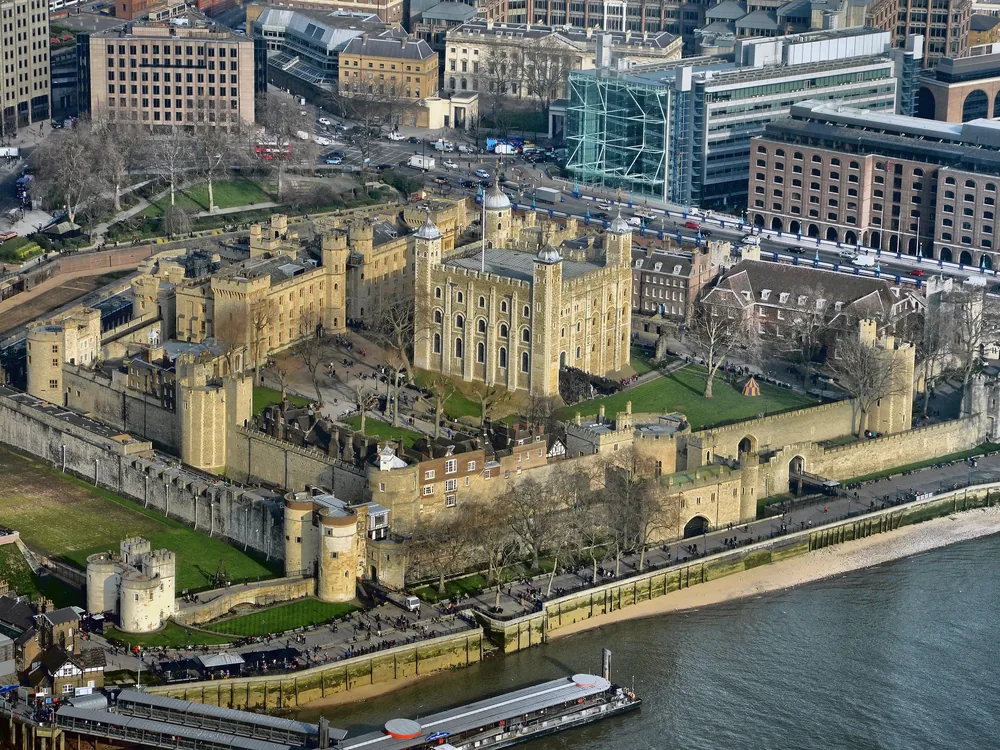
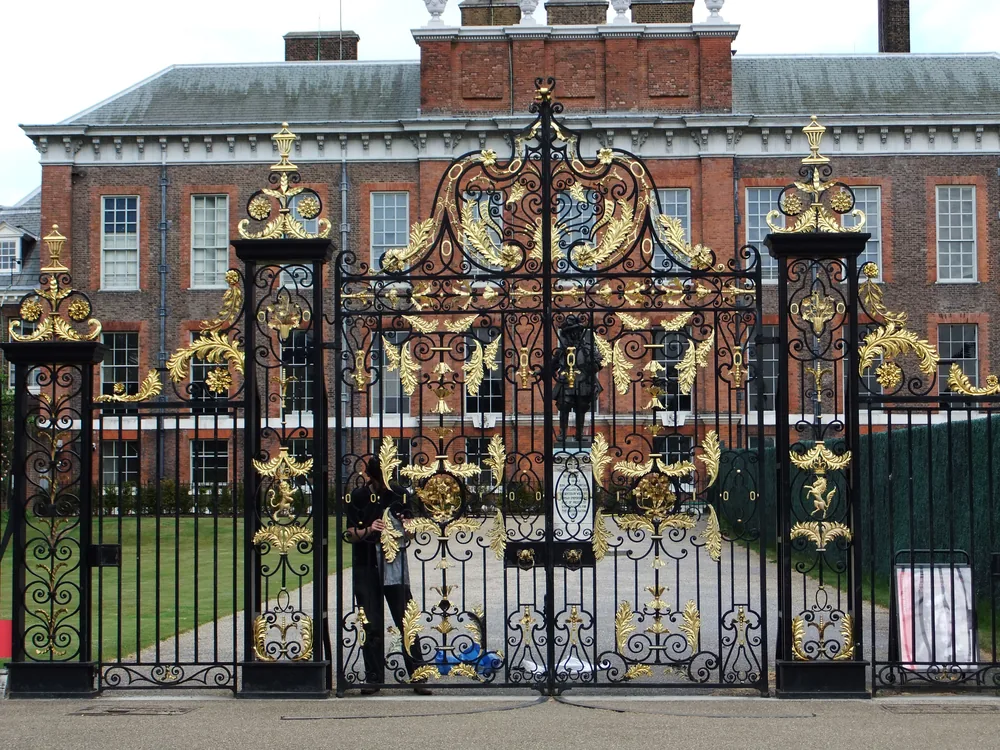
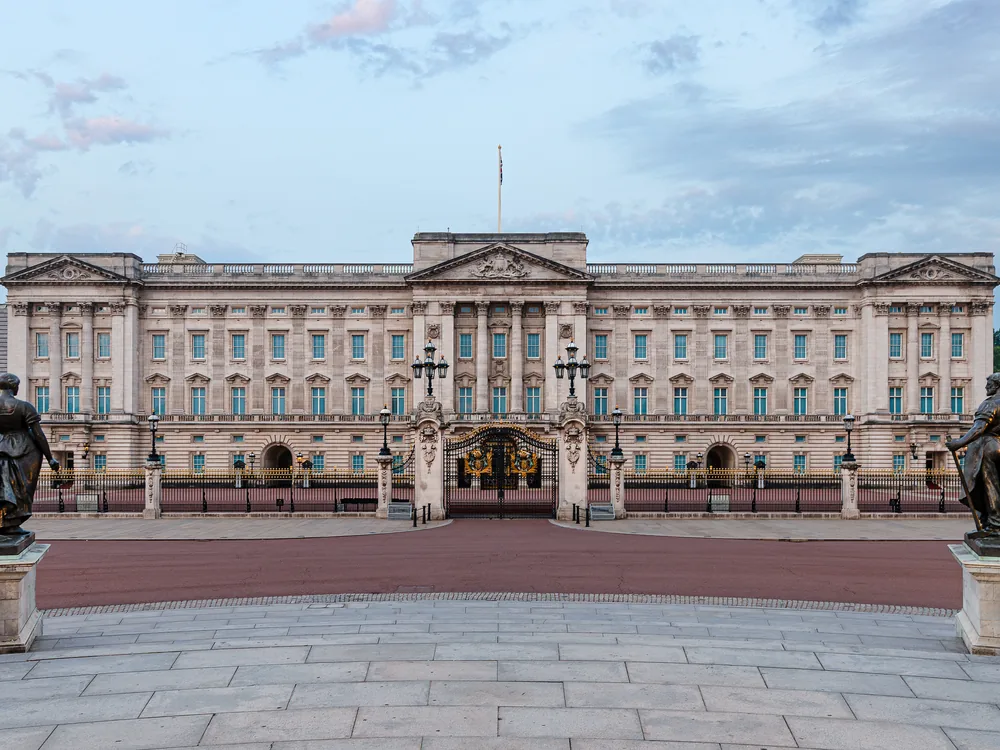
The Tower of London, Kensington Palace, and Buckingham Palace — all already on this site — represent the standard London royal heritage circuit. Eltham adds the outer-London medieval-to-Art Deco layer that none of the central London sites provide, and it does so in a format that is never crowded in the way that the Tower or Kensington are crowded. The combination of three genuinely remarkable specific facts — the hammerbeam roof, the Courtauld Art Deco interiors, and the lemur — gives Eltham Palace a density of memorable detail that buildings ten times its size sometimes lack.
History
Eltham Palace was acquired by the English crown from Anthony Bek, Bishop of Durham, in the early 14th century and became a favoured residence of successive English monarchs. The Great Hall was completed circa 1480 under Edward IV. Henry IV, Henry V, Henry VI, and the young Henry VIII all used Eltham as a significant royal residence. After Henry VIII moved his primary south London base to Greenwich Palace, Eltham gradually fell into disuse and ruin. In 1931 Stephen and Virginia Courtauld leased the ruins from the Crown and commissioned architects Seely and Paget to build a luxury Art Deco mansion alongside the surviving medieval Great Hall, completed in 1936. The property passed to the Crown after the Courtaulds departed in 1944 and was managed variously before passing to English Heritage, which manages it today.
How to Visit
Getting there: Trains from London Charing Cross or London Bridge to Eltham station take 20–25 minutes, followed by a 10-minute walk to the palace. By car from central London, Eltham is about 25 minutes via the A2 or A20; parking is available on site.
Tickets: Walk-up admission is £17 for adults and £10 for children; English Heritage members enter free. The GetYourGuide entry ticket covers the Art Deco mansion, Great Hall, and gardens with convenient pre-booked self-paced access.
Practical tips: Plan to spend roughly equal time in the Great Hall and the Art Deco mansion — both are remarkable on their own terms and the contrast between them is the defining experience of the visit. Ask on arrival where Mah-Jongg's purpose-built lemur quarters are; they are easily missed without guidance. The site is rarely crowded compared to central London heritage attractions.
Combine with: Tower of London, around 30 minutes northwest by car, and Kensington Palace in west London, for a full day of London royal heritage.
Frequently Asked Questions
Yes. Mah-Jongg was a ring-tailed lemur kept by Stephen and Virginia Courtauld at Eltham Palace. When the architects designed the 1936 mansion, the brief included accommodating the lemur in purpose-built heated quarters with a spiral staircase to the gardens. The rooms designed for Mah-Jongg are part of the building's documented architectural record and can be seen during the English Heritage visit. This is not a popular myth but a documented feature of the commission.
Location
Court Yard, Eltham, London SE9 5QE, England
Nearby Castles
Tours & Tickets
Powered by GetYourGuide
From
€19.78/ person