
Lowther Castle
Lowther Castle
England · Lake District · Near Penrith
Built 1806 · Gothic Revival; built 1806–1814 by Sir Robert Smirke for the 1st Earl of Lonsdale; Smirke's first major commission (he later designed the British Museum); the castle was deliberately unroofed in 1957 by the 6th Earl, stripping it to a romantic ruin; 130 acres of restored gardens designed by Dan Pearson (Chelsea Gold Medal); located in the Lake District National Park, a UNESCO World Heritage Site
This page is part of an independent travel guide and is not affiliated with, endorsed by, or operated by Lowther Castle.
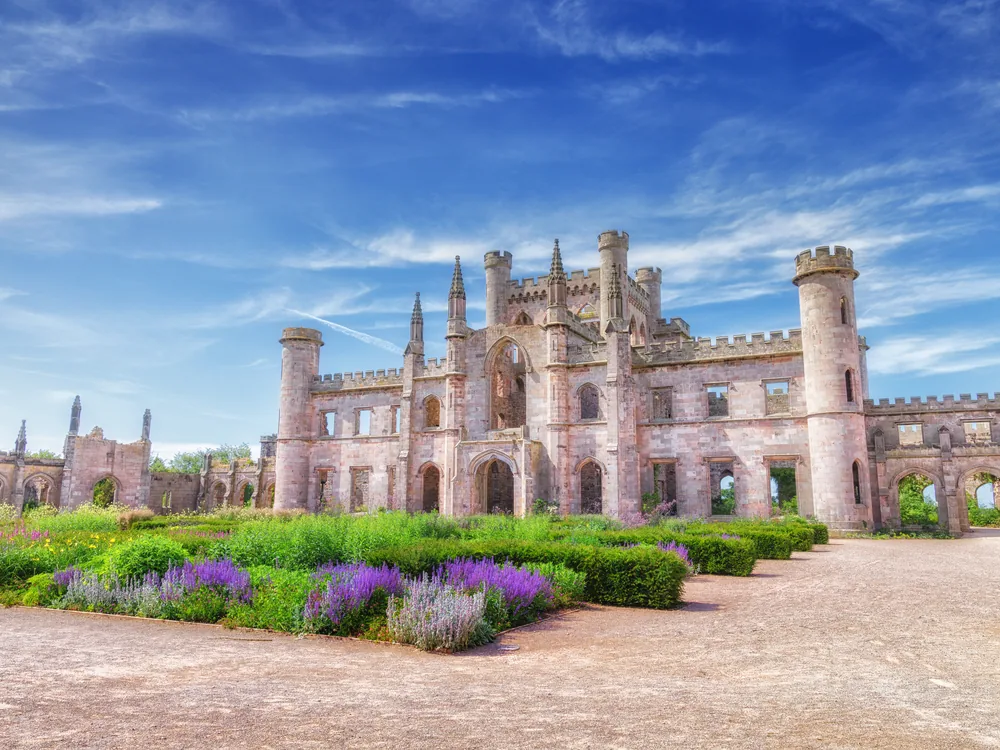
© Castles & Palaces
Quick Facts
- Hours
- Daily 10:00–17:00
- Entry via GetYourGuide
- €19
- Duration
- 2–3 hours
- Best time
- April to October
- Nearest city
- Penrith
Featured Tour
Penrith: Lowther Castle & Gardens Entry Ticket
Cancellation available · Instant confirmation
Highlights
- ✦A Gothic Revival castle completed in 1814 to a design by Sir Robert Smirke, his first major commission before he went on to design the British Museum
- ✦Deliberately stripped of its roof in 1957 by the cash-strapped 6th Earl of Lonsdale, creating a dramatic, intentional ruin rather than one produced by neglect or war
- ✦Closely associated with Hugh Lowther, the 5th Earl of Lonsdale, the 'Yellow Earl,' a legendary sporting and social figure who entertained the Kaiser here in 1895
- ✦130 acres of gardens restored over a 20-year plan by Chelsea Gold Medal-winning designer Dan Pearson, beginning in 2012
- ✦Set within the Lake District National Park, a UNESCO World Heritage Site, with views across the Eden Valley to the Pennine hills
Skip the queue with a guided tour
Skip-the-line tickets & expert guides
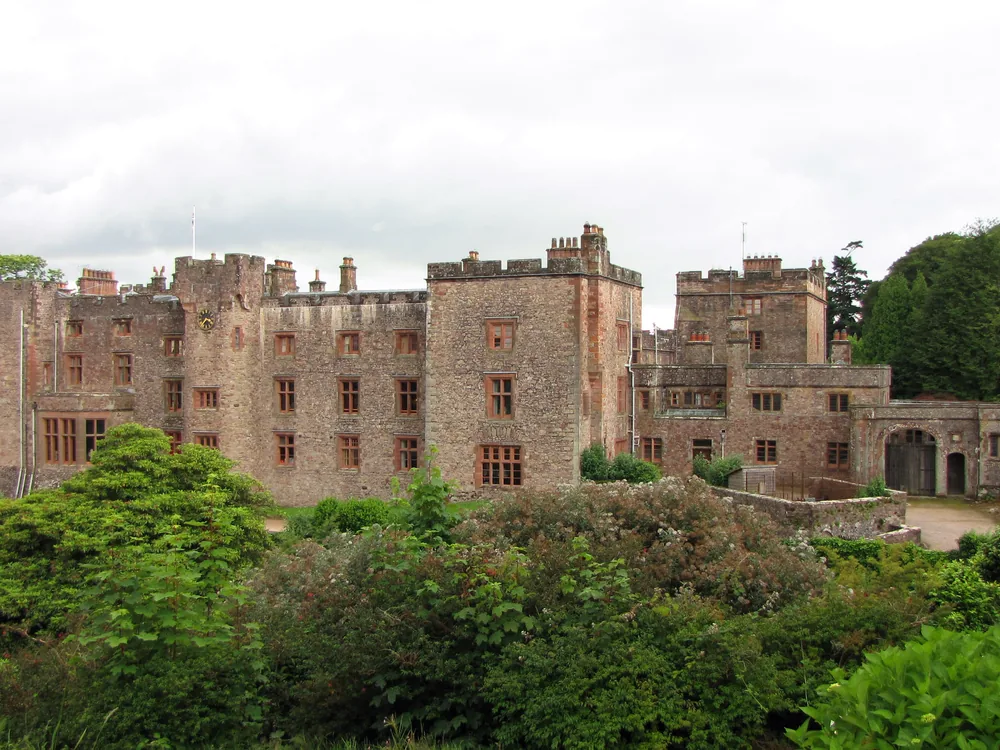
In the Eden Valley on the eastern edge of the Lake District, on a dramatic escarpment above the River Lowther with views across to the Pennine hills, stand the walls of a castle that has been a ruin since 1957. Lowther Castle is not an ancient ruin — it is a 19th-century Gothic Revival building, completed in 1814, deliberately stripped of its roof and left to decay by a cash-strapped earl who could no longer afford to maintain it. The decision to unroof the castle rather than demolish it entirely was taken for tax reasons; it turned out to be an act of considerable aesthetic consequence. The resulting ruin, roofless walls, intact towers, open doorways giving onto sky, is one of the most romantic architectural experiences in the north of England, and the 130-acre restored gardens that surround it are among the finest created in Britain in the past two decades.
The Lowther family has held land in Cumbria since the medieval period, and their history is dominated by the figure of Hugh Lowther, the 5th Earl of Lonsdale (1857–1944), known as the Yellow Earl for his tendency to dress everything, from his livery to his carriages, in chrome yellow, still today the colour of the Automobile Association, which he helped found. The Yellow Earl was one of the richest men in England, a legendary sportsman, a friend of the Kaiser, the man who donated the Lonsdale Belt to boxing, and a spender of such spectacular recklessness that he managed to run through most of the family fortune within his own lifetime. He entertained the Kaiser at Lowther in 1895; the house had enough rooms, by some accounts, to visit a different one each day of the year. His successor, the 6th Earl, faced with the cost of maintaining this vast pile and with no money to do so, stripped the roof in 1957 rather than continue an unwinnable financial battle.
The castle was designed by Sir Robert Smirke, who was just 24 years old when he received the commission, his first major work. Smirke would go on to design the British Museum, the General Post Office, and several other large public buildings, but Lowther was where he first established his reputation. The design is Gothic Revival in its exterior treatment, towers, battlements and a general air of medieval romance, but the interior was planned according to modern Regency principles of comfort and circulation. The building was large by any standard: roughly 80 rooms, a reputed 365 windows, and a front elevation that extended across the hillside for a considerable distance.
The exhibition inside the ruins, The Story of Lowther, tracks 850 years of Lowther history, from the Viking settlement of the Eden Valley through the medieval period, the turbulent career of the Yellow Earl, the deliberate unroofing of the castle, and the extraordinary 20-year restoration of the gardens that began in 2012. The exhibition is well designed: large-format historical photographs, personal objects, and contextual material that explains the specific economic and social history that produced a building of this size in this place, and then left it standing open to the sky.
The restoration of the Lowther gardens, begun in 2012 to the design of Dan Pearson, a Chelsea Gold Medal-winning garden designer and one of the most respected in Britain, is the project that transformed Lowther from a curiosity into a genuine destination. Pearson's 20-year plan has introduced contemporary planting into the Victorian structure of the grounds: a Great Yew Avenue, restored rose gardens, the Tapestry Garden, and a series of new plantings that reference the wider Lake District landscape beyond the estate boundary. The result is one of the most accomplished large-scale garden restorations undertaken anywhere in England in recent decades.
The Lost Castle, a large adventure playground hidden in the surrounding woodland, is aimed primarily at children but has been praised by adult visitors for its quality of design: zip wires, swings and climbing structures integrated into the woodland without disrupting the landscape's character. It consistently ranks among the most highly reviewed elements of the visit for families, a useful counterweight to the more contemplative experience of the ruins and gardens themselves.
History
Sir Robert Smirke designed Lowther Castle for the 1st Earl of Lonsdale, completing construction in 1814 in the Gothic Revival style as his first major architectural commission, several decades before he would go on to design the British Museum. The Lowther family, prominent in Cumbria since the medieval period, occupied the castle through the 19th century, a period dominated by the colourful and financially reckless tenure of Hugh Lowther, the 5th Earl of Lonsdale, known as the Yellow Earl, who entertained Kaiser Wilhelm II at the house in 1895.
By the mid-20th century, the cost of maintaining the castle had become unsustainable, and the 6th Earl had the roof deliberately removed in 1957, a tax-driven decision that left the building as a dramatic, intentional ruin rather than a habitable house. The surrounding 130 acres of gardens fell into parallel decline before undergoing a major restoration beginning in 2012, designed by Dan Pearson, which has since established Lowther as one of the most significant garden restoration projects in contemporary England, paired with The Story of Lowther exhibition housed within the ruined walls themselves.
How to Visit
Getting there: Lowther is 8 km south of Penrith. There is no public transport to the castle; a car or taxi from Penrith is required. Parking is available on site. Penrith is on the West Coast Main Line (London Euston, around 3h15).
Tickets: Adult admission is £21; children enter free. The GetYourGuide entry ticket covers the ruins, gardens, The Story of Lowther exhibition, and The Lost Castle adventure playground. Note the castle is open April to October only; closed in winter.
Practical tips: Allow at least 2–3 hours: the ruins are one part of a much larger estate with 130 acres of Dan Pearson's restored gardens and extensive woodland. The Story of Lowther exhibition inside the ruins is well designed — worth reading before you walk the grounds to understand the specific history of what you're seeing. The Lost Castle adventure playground in the woods is excellent for families.
Combine with: Ullswater, one of the finest lakes in the Lake District National Park (a UNESCO World Heritage Site), is 8 km to the west and pairs naturally with a Lowther visit for a full Eden Valley and Lakes day.
Frequently Asked Questions
In 1957, the 6th Earl of Lonsdale had the roof of Lowther Castle removed for tax reasons, as the family could no longer afford to maintain the building as a habitable house. Rather than demolishing the castle entirely, unroofing it allowed the structure's walls and towers to remain standing while avoiding the ongoing costs and liabilities of a fully roofed building, creating what has since become one of the more striking deliberate architectural ruins in England.
Location
Lowther, Penrith CA10 2HH, Cumbria, England
Nearby Castles
Tours & Tickets
Powered by GetYourGuide
From
€19/ person