
Tregenna Castle
England · Cornwall — St Ives · Near St Ives
Built 1774 · 1774 castellated country house, designed from the outset as a 'castle' rather than any medieval fortification — attributed to the Wood family of Bath architects
This page is part of an independent travel guide and is not affiliated with, endorsed by, or operated by Tregenna Castle.
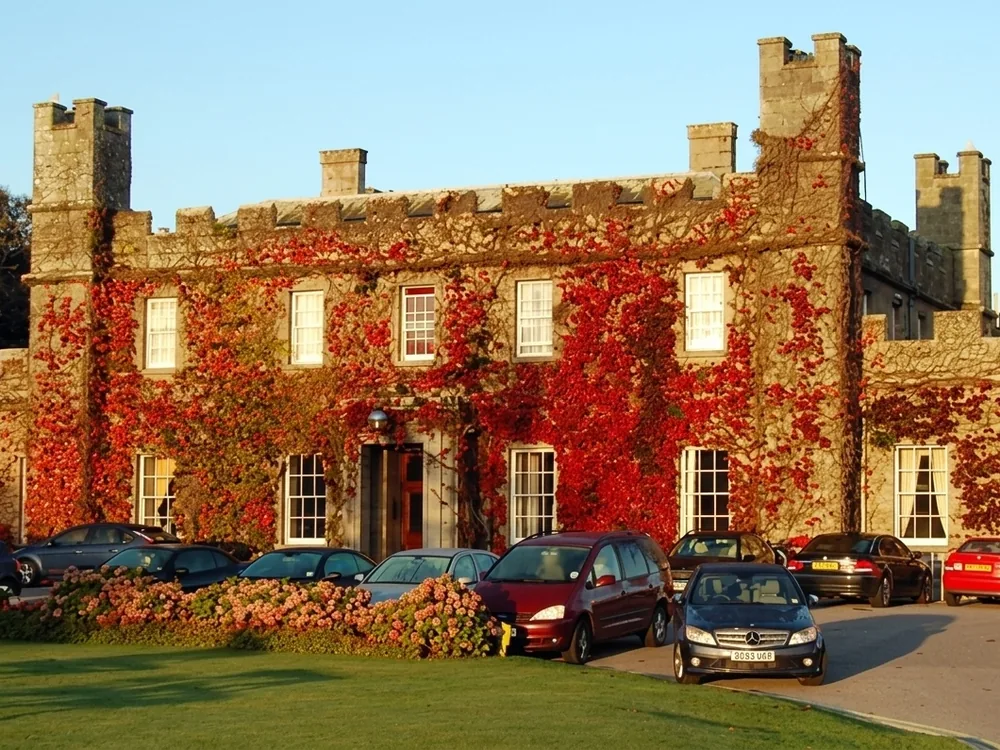
© Castles & Palaces
Quick Facts
- Rooms from
- £104 / night
- Hotel rating
- 3-Star Hotel
- Duration
- Restaurant dining, golf or pool access: 1–2 hours; overnight stay separately bookable
- Best time
- Year-round
- Nearest city
- St Ives
Stay Here
Tregenna Castle Resort
3-Star HotelBooked via Booking.com · Free cancellation on most rates
Open to day visitors without booking a room — see How to Visit below.
Highlights
- ✦Built in 1774 for Samuel Stephens, Esquire, of St Ives, with the architect John Wood — likely John Wood the Younger of the celebrated Bath architectural family — and master builder Daniel Freeman of Penryn
- ✦Conceived as a 'castle' from its very origin, not a medieval fortress converted or restyled later
- ✦The estate was sold in 1871 and has operated as a hotel ever since; purchased by the Great Western Railway in 1895
- ✦Grade II listed, set within 72 acres with panoramic views over St Ives Bay
- ✦Confirmed multiple angles of non-resident access: the Godrevy View Restaurant and Olives Bar welcome non-residents with reservation recommended; the 9-hole golf course is open to non-members for a £10 green fee paid at Leisure Reception with no fixed tee times; the indoor pool is accessible to non-residents for £8 per person
Stay in the castle itself
Book a room via Booking.com
Tregenna Castle stands on high ground above St Ives in Cornwall, commanding panoramic views over St Ives Bay, and unlike most of the properties in this collection, it was designed as a 'castle' from the very beginning rather than starting life as a genuine medieval fortress or an unstyled country house later remodelled into castle form. The house was built in 1774 for Samuel Stephens, Esquire, a local figure of St Ives, working with the architect John Wood — most likely John Wood the Younger, part of the celebrated Wood family of architects responsible for much of Bath's iconic Georgian streetscape, including the Royal Crescent — alongside the master builder Daniel Freeman of Penryn. This puts Tregenna in an interesting architectural lineage: a Cornish country house designed with input from the same architectural dynasty that shaped one of England's most famous Georgian cities.
The castellated styling Wood and Freeman applied to Tregenna reflects an 18th-century taste for romantic, castle-like architecture in country house design, a trend that predates the more widespread Gothic Revival movement of the 19th century by several decades and places Tregenna among the earlier examples of English country houses deliberately built to evoke castle grandeur without any genuine defensive function or medieval history behind the styling.
Tregenna's transition into hospitality use began relatively early compared to many comparable properties: the estate was sold in 1871 and has operated continuously as a hotel ever since, making it one of the longer-running castle-hotel conversions among England's properties. Its most notable subsequent owner was the Great Western Railway, which purchased Tregenna in 1895 — a period when British railway companies were actively acquiring seaside and resort hotels across the country to encourage rail travel to their newly connected destinations, a pattern also seen at Bovey Castle in Devon, purchased by the same railway company decades later.
Today Tregenna Castle holds Grade II listed status and operates as a 3-star resort set within 72 acres of grounds, its position above St Ives Bay giving guests and visitors some of the most striking coastal views available at any English castle-hotel. What makes Tregenna especially notable within this collection, however, is the sheer breadth of confirmed, explicit non-resident access across multiple distinct amenities rather than a single restaurant or afternoon tea offer. The Godrevy View Restaurant and the Olives Bar both welcome non-residents, with reservation recommended given the resort's popularity. The estate's own 9-hole golf course is open to non-members without any membership requirement, for a straightforward £10 green fee paid directly at Leisure Reception, with no fixed tee-time restrictions to navigate. And the resort's indoor swimming pool is separately accessible to non-residents for £8 per person.
This combination of a genuinely 18th-century castellated design, a long and continuous hospitality history connected to one of Britain's most significant railway companies, and three independently confirmed and clearly priced forms of non-resident access, makes Tregenna one of the more comprehensively documented public-access cases in this entire pilot collection — a useful destination for visitors to St Ives who want a specific, affordable activity (golf, a swim, or a meal with a view) rather than simply booking a room.
St Ives itself, immediately below the estate, has long been one of Cornwall's most celebrated destinations for both its beaches and its arts scene, home to Tate St Ives and a concentration of galleries and studios that trace back to the artists' colony that grew here from the late 19th century onward. Tregenna's elevated position gives guests and visitors a genuinely different vantage point on the town than the harbourside hotels clustered below — a quieter, more removed base with sweeping bay views, a short walk or drive from St Ives' beaches, restaurants and gallery quarter.
History
Tregenna Castle was built in 1774 for Samuel Stephens, Esquire, of St Ives, with the architect John Wood — likely John Wood the Younger of the Bath architectural family — and master builder Daniel Freeman of Penryn, conceived as a castellated house from its outset rather than a converted fortress. The estate was sold in 1871 and has operated as a hotel continuously since. The Great Western Railway purchased the property in 1895, part of a wider pattern of British railway companies acquiring resort hotels to encourage travel to their newly connected destinations. Tregenna Castle holds Grade II listed status and today operates as a 3-star resort set within 72 acres above St Ives Bay.
Frequently Asked Questions
Yes, both explicitly. The estate's 9-hole golf course is open to non-members for a £10 green fee, paid directly at Leisure Reception with no fixed tee times required. The resort's indoor swimming pool is separately accessible to non-residents for £8 per person, and the Godrevy View Restaurant and Olives Bar also welcome non-residents for dining, with reservation recommended.
Location
Tregenna Hill, St Ives, Cornwall TR26 2DE, England
Nearby Castles


Rooms from
£104/ night