Château de Luc
Château de Luc
France · Occitanie, Aude — Minervois wine country, 50km northwest of Carcassonne · Near Carcassonne
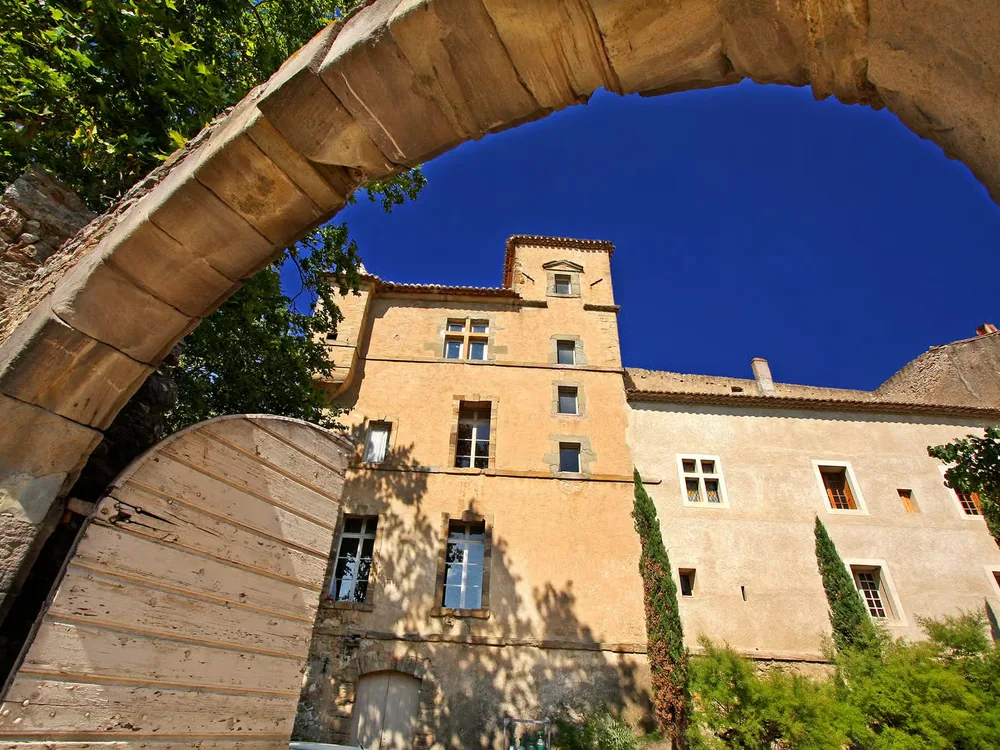
Built 1350 · Medieval fortified castle (château-fort) of the mid-14th century — a compact rectangular keep with corner towers, defensive walls, and a working wine estate added successively over the following centuries; the 14th-century cellar is a significant surviving medieval structure, with barrel-vaulted stone ceilings used continuously for wine production from the castle's founding period to the present; the castle's exterior maintains its medieval character while the interior has been adapted for contemporary wine production and visitor reception
This page is part of an independent travel guide and is not affiliated with, endorsed by, or operated by Château de Luc.
© Castles & Palaces
Quick Facts
- Hours
- Daily 10:00–18:00
- Guided tour from
- €13
- Duration
- 1.5–2 hours (château visit + cellar tour + organic wine tasting)
- Best time
- September to November
- Booking
- Required — book 1+ days ahead
- Nearest city
- Carcassonne
Featured Tour
Château de Luc: Guided Castle Visit & Organic Wine Tasting
Cancellation available · Instant confirmation
Highlights
- ✦14th-century wine cellar — the barrel-vaulted stone cellar built with the original castle circa 1350 has been in continuous use for wine production ever since; standing in the same subterranean vault where medieval inhabitants aged their wine is the anchor of the château visit
- ✦Organic wine production — the estate has converted to organic viticulture; wines are produced under AOP Corbières and AOP Minervois appellations from vineyards on the estate; the tasting included in the GetYourGuide visit covers the estate's current production
- ✦Guided château visit — the tour covers the castle architecture (the medieval keep, towers, and walls), the history of the estate and the Minervois region, and the evolution of wine production on the site from the 14th century to the present biodynamic approach
- ✦Minervois wine country — Château de Luc is surrounded by the garrigue (aromatic limestone scrubland with wild thyme, rosemary, and lavender) characteristic of the Languedoc; the landscape is Cathar Country, with fortified villages and ruined Cathar castles visible from the higher ground around the estate
- ✦50km from [Carcassonne](/castles/france/carcassonne) — the most complete surviving medieval walled city in Western Europe; combining the Château de Luc visit with a morning or afternoon in Carcassonne makes a natural day itinerary in the Aude
- ✦Small group visits — the GetYourGuide product runs in small groups (not a large-scale tourist operation), maintaining the atmosphere of a genuine estate visit rather than a mass-market wine tour
Skip the queue with a guided tour
Skip-the-line tickets & expert guides
Château de Luc sits in the village of Luc-sur-Orbieu, deep in the wine country of the Aude department between Narbonne and Carcassonne. This is the Languedoc's core territory: garrigue-covered limestone hills, villages of pale stone houses around Romanesque churches, and vineyards on terraces that have been producing wine continuously since the Roman occupation of southern Gaul. The château was founded in the mid-14th century as a fortified residence for a local noble family — the compact keep, corner towers, and defensive wall date from this period — at a time when the Languedoc was recovering from the devastating consequences of the Albigensian Crusade of the 13th century, which had wiped out the region's Cathar religious culture and substantially depopulated its territories.
The defining element of Château de Luc for a contemporary visitor is the cellar. The barrel-vaulted stone underground room built in approximately 1350 to store the castle's wine production has been in continuous use since that date — through the Hundred Years War, the Wars of Religion, the Revolution, the phylloxera epidemic that destroyed the French vineyards in the 1870s and 1880s, and two world wars. The stone walls, the form of the vault, and the essential function of the space have remained unchanged for nearly seven centuries. Visiting it, particularly during the harvest season when the new vintage is being produced in the same room, creates a kind of temporal compression unusual in wine tourism.
The estate produces wine under the AOP Corbières and AOP Minervois appellations, the two major geographical designations of the Languedoc wine region. The Corbières and Minervois are predominantly red wine appellations, based on Grenache, Syrah, Mourvèdre, and Carignan, producing full-bodied wines from vines grown in relatively poor limestone soils under intense Mediterranean sun. The estate has converted to organic viticulture, reflecting a broader movement among Languedoc producers that began in the 2000s and has accelerated since, driven partly by consumer demand and partly by the Languedoc's naturally dry, disease-resistant growing conditions that make organic certification less operationally challenging than in wetter northern wine regions.
The guided visit covers the castle architecture and its history, the medieval cellar, and a tasting of the estate's current production. Groups are kept small — the product is not a mass-market wine tour but a château visit with genuine historical context and access to the working winery. The combination — medieval architecture, continuous agricultural use, living wine production, and the Languedoc landscape — is what distinguishes it from the more conventional wine-tasting experiences available in the Minervois and Corbières regions.
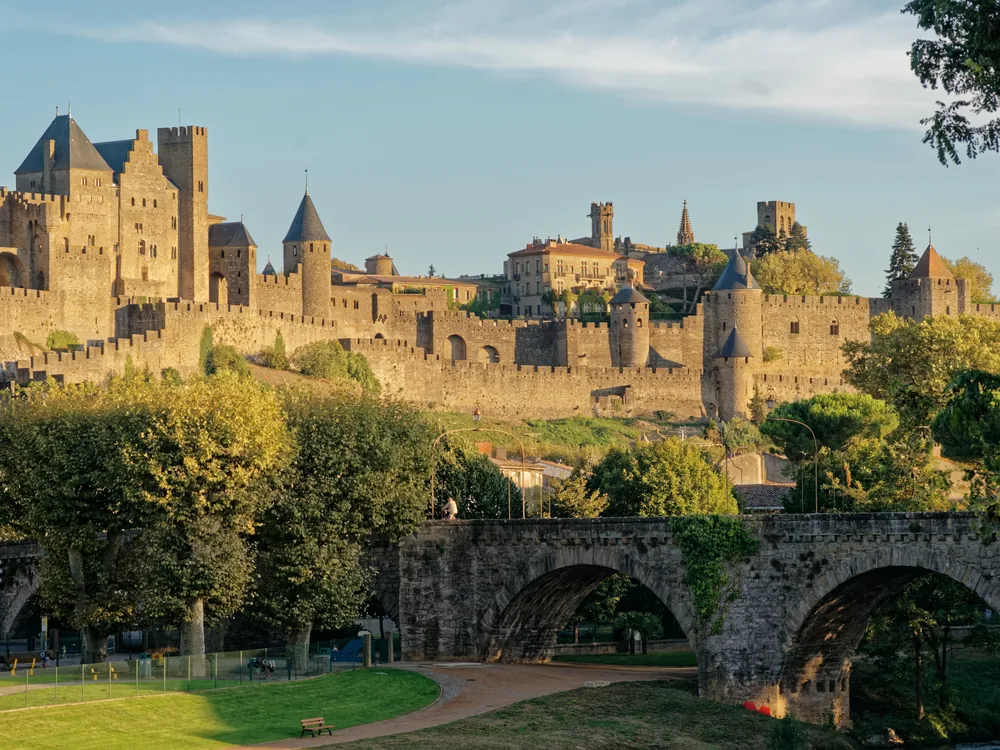
Fifty kilometres northwest, [Carcassonne](/castles/france/carcassonne) is the natural companion to a Château de Luc visit. Carcassonne's double-walled medieval city (La Cité) is the most complete surviving example of a medieval fortified city in Western Europe — 52 towers, a double circuit of walls, a castle within the walls — and is one of the most visited heritage sites in France. The two sites represent complementary aspects of 14th-century Languedoc castle culture: Carcassonne at full military-urban scale and Château de Luc at the intimate rural estate scale, with the additional dimension of continuous wine production connecting the medieval world to the present one.
History
Château de Luc founded mid-14th century (~1350) as a fortified noble residence in the Languedoc; the barrel-vaulted wine cellar constructed at the same period has been in continuous use since. Estate produces wine through successive centuries of ownership. Phylloxera epidemic of the 1870s–1880s destroys original vine stock; replanting follows. 20th century: continued wine production. Current period: conversion to organic viticulture; guided castle and winery visits open to the public under GetYourGuide and direct booking.
How to Visit
Getting there: Luc-sur-Orbieu is ~50 km southeast of Carcassonne. By car via D613 or A61 motorway: ~45 minutes. Limited public transport from Carcassonne — a car or taxi is recommended.
Tickets: Adults €13, children €8; advance booking required. The GetYourGuide guided visit covers the medieval castle, the 14th-century cellar, and an organic wine tasting in small groups — not a walk-in experience.
Practical tips: The 14th-century barrel-vaulted cellar, in continuous wine production since ~1350, is most atmospheric during September–November harvest when new wine is being produced in the same space. The cellar is cool year-round and involves stone steps; bring a light layer even in summer.
Combine with: Carcassonne (50 km northwest) — morning in the medieval walled city followed by an afternoon at Château de Luc makes a complete Languedoc castle-and-wine day.
Frequently Asked Questions
Yes — the guided visit runs in small groups and is not a walk-in experience. Book via GetYourGuide or contact the château directly at chateau-de-luc.com. GetYourGuide lists it as a small-group activity with limited places per session.
Location
Château de Luc, 11200 Luc-sur-Orbieu, France
Nearby Castles
Tours & Tickets
Powered by GetYourGuide
From
€13/ person