
Château de Miromesnil
Château de Miromesnil
France · Normandy · Near Dieppe
Built 1590 · French Renaissance / Louis XIII
This page is part of an independent travel guide and is not affiliated with, endorsed by, or operated by Château de Miromesnil.
© Castles & Palaces
Quick Facts
- Hours
- Wed–Sun 14:00–18:00. Closed Mon & Tue
- Guided tour from
- €21
- Duration
- 1.5–2 hours
- Best time
- May to October
- Nearest city
- Dieppe
Featured Tour
Château de Miromesnil — Guided Tour
Cancellation available · Instant confirmation
Highlights
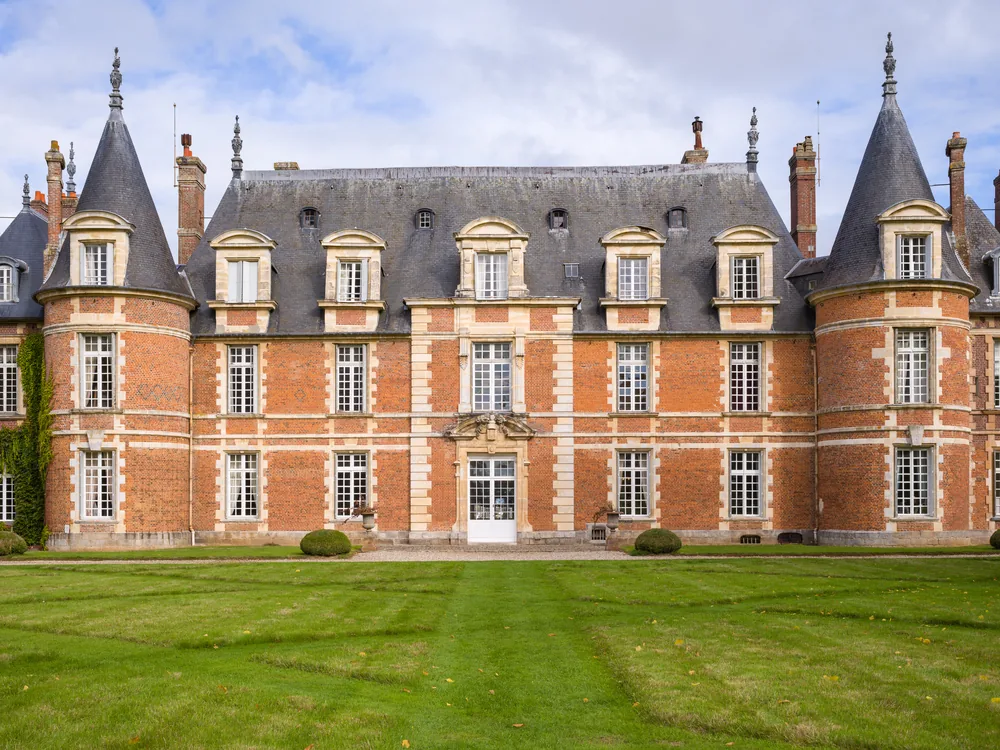
- ✦Louis XIII brick-and-limestone façade virtually unchanged since the 1640s
- ✦Official birthplace of Guy de Maupassant (5 August 1850)
- ✦Formal seventeenth-century parterre garden with sculpted topiary
- ✦American tree garden planted through transatlantic colonial-era connections
- ✦Intact seventeenth-century chapel with original furnishings
Skip the queue with a guided tour
Skip-the-line tickets & expert guides
Château de Miromesnil stands on a forested ridge above the gentle valleys of Seine-Maritime, its warm brick-and-limestone façades catching the filtered Atlantic light that Normandy painters have chased for centuries. Built in two main campaigns between 1590 and 1640 in the restrained Louis XIII style then fashionable across northern France, the château replaced an earlier medieval stronghold and has remained essentially unchanged ever since — a remarkable continuity for a region scarred by the religious wars that preceded its construction and the world wars that followed.
The family behind the château belongs to history as much as to architecture. The Hue de Miromesnil produced Armand Thomas Hue de Miromesnil (1723–1796), Louis XVI's Keeper of the Seals and one of the Ancien Régime's most capable reformist jurists. He presided over the Parlement de Normandie before being called to Versailles, and his career represents the kind of earnest institutional improvement that the Revolution eventually swept away along with everything else. His portrait hangs inside; the rooms retain the character of a working family seat rather than a curated public museum.
For most visitors, however, Miromesnil means one name: Guy de Maupassant. In 1850, his father Gustave de Maupassant had taken a summer lease on the château, and the great Norman short-story writer was born here on 5 August of that year. The family moved on within months — Maupassant grew up elsewhere and spent his productive adult years between Paris and Provence — but literary tradition has long anchored his origins at Miromesnil. The current owners honour that connection carefully: a room is dedicated to the writer, and the surrounding Norman countryside, with its farms, church steeples, and sharply observed social hierarchies, remains recognisably the landscape of his fiction.
The gardens are reason enough to visit even without the literary associations. The formal parterre, planted in the seventeenth century and maintained with evident devotion, frames the main approach with geometric topiary beds. Behind the château, a so-called 'American garden' reflects an unusual chapter: the Miromesnil family's friendships with American colonists during the revolutionary period led to the planting of tulip trees, magnolias, and other New World species that now tower agreeably above the Norman hedgerows. A chapel from the same period, with its original furnishings intact, completes the ensemble.
The château remains privately owned by the de Vogüé family and open seasonally — that sense of living occupation, of a family home rather than a nationalised monument, gives Miromesnil a warmth that grander state-managed châteaux sometimes cannot quite replicate.
History
A fortified manor stood on this Seine-Maritime ridge from at least the fourteenth century, commanding the valley of the Arques river. The present château was built between approximately 1590 and 1640, in the aftermath of the French Wars of Religion that left much of Normandy in disrepair, adopting the Louis XIII brick-and-stone style fashionable across northern France. The property's name derives from the Hue de Miromesnil family, whose most distinguished member, Armand Thomas Hue de Miromesnil, served as Louis XVI's Keeper of the Seals from 1774 to 1787 — a reformist jurist who worked to modernise French legal procedure in the Ancien Régime's final decades. The château changed hands during and after the Revolution and eventually passed to the de Vogüé family, who own it today. Its defining moment in literary history came in the summer of 1850, when tenant Gustave de Maupassant brought his wife Laure here for the season and their son Guy was born within these walls on 5 August — making Miromesnil the birthplace of one of France's most celebrated short-story writers, a distinction the family has honoured ever since.
How to Visit
Getting there: Château de Miromesnil is in Tourville-sur-Arques, approximately 10 km south of Dieppe. By car from Dieppe, take the D1 south and follow signs for Tourville-sur-Arques — about 15 minutes. From Rouen (~65 km), take the A151 north toward Dieppe and exit for Tourville-sur-Arques. There is no direct public transport to the château; visitors without a car typically take a taxi from Dieppe station or join the featured GetYourGuide guided tour.
Tickets: Walk-up admission is available at the gate — no advance booking is required. Adults pay approximately €12; children €7. Guided tours of the interior (included in the admission price) depart at set afternoon times — ask at the entrance for the current schedule. A GetYourGuide guided tour (from approximately €21) is also available for visitors who prefer to arrange a licensed guide in advance; it is a new listing with no published reviews yet.
Practical tips: The château is open afternoons only (14:00–18:00), Wednesday through Sunday, from May through October only — do not arrive in the morning expecting entry. The interior can be visited only on the guided tour; the gardens — both the formal parterre and the American tree garden — can be explored independently. Wear comfortable shoes as the gravel paths can be uneven. The chapel is small and fills quickly; aim for an early afternoon slot in July and August.
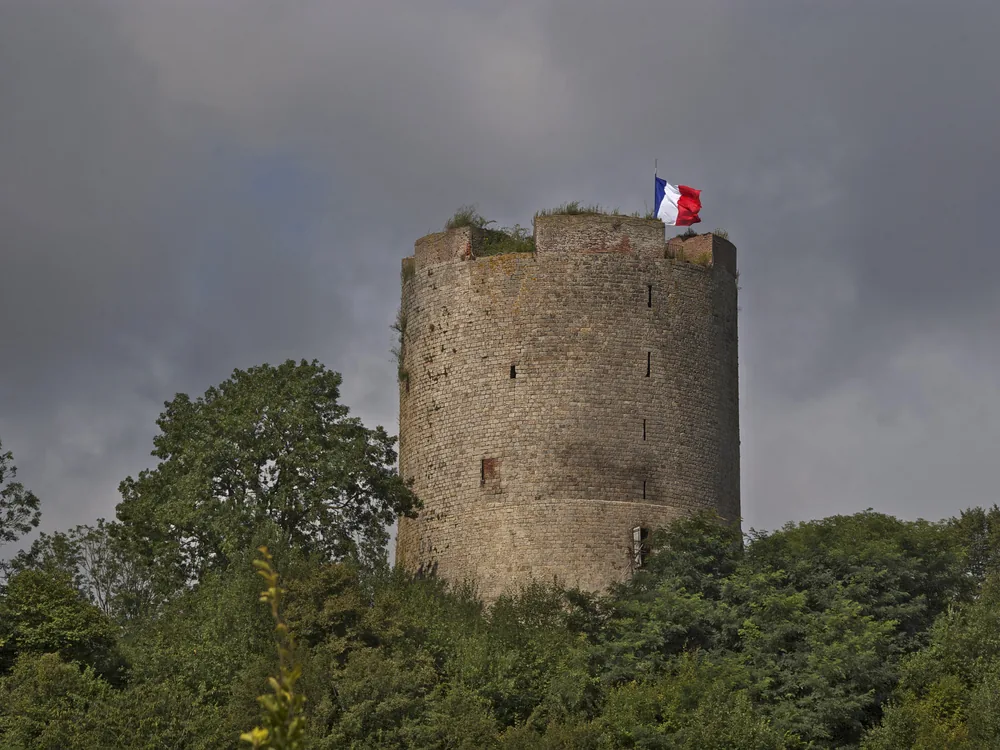
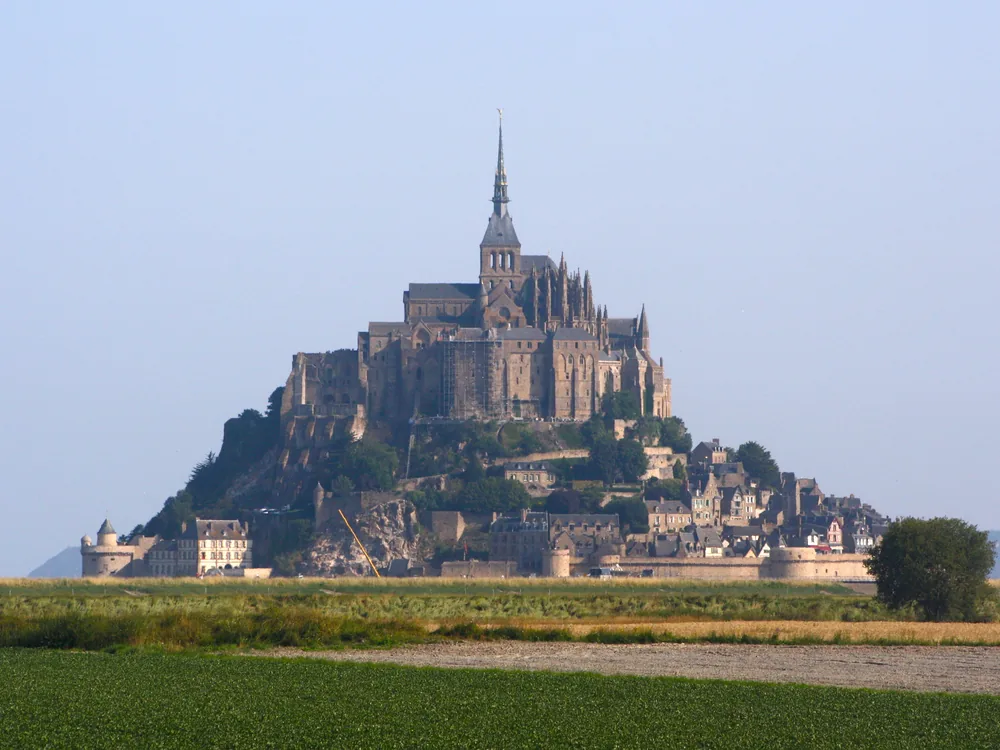
Combine with: Château de Guise (~2 hours east via the D1028 — a formidable medieval fortress in the Aisne associated with the powerful Guise family and the Catholic League, the very forces that defined the Wars of Religion in which Miromesnil was built) or Mont-Saint-Michel (~3 hours west via Caen — Normandy's defining monument, an island abbey rising from dramatic tidal flats at the Breton border, a completely different register of Norman heritage).
Frequently Asked Questions
By accepted literary tradition, yes. Maupassant's father Gustave had taken a summer lease on the château, and Guy was born here on 5 August 1850. Some scholars have raised questions about the precise birth record, but Miromesnil has been the officially recognised birthplace for generations, and the current owners maintain it as such — a dedicated room inside the château is given to the writer and his work.
Location
Château de Miromesnil, 76550 Tourville-sur-Arques, Seine-Maritime, France
Nearby Castles
Tours & Tickets
Powered by GetYourGuide
From
€21/ person