
Wesenberg Castle
Burg Wesenberg
Germany · Mecklenburg-Vorpommern · Near Neustrelitz
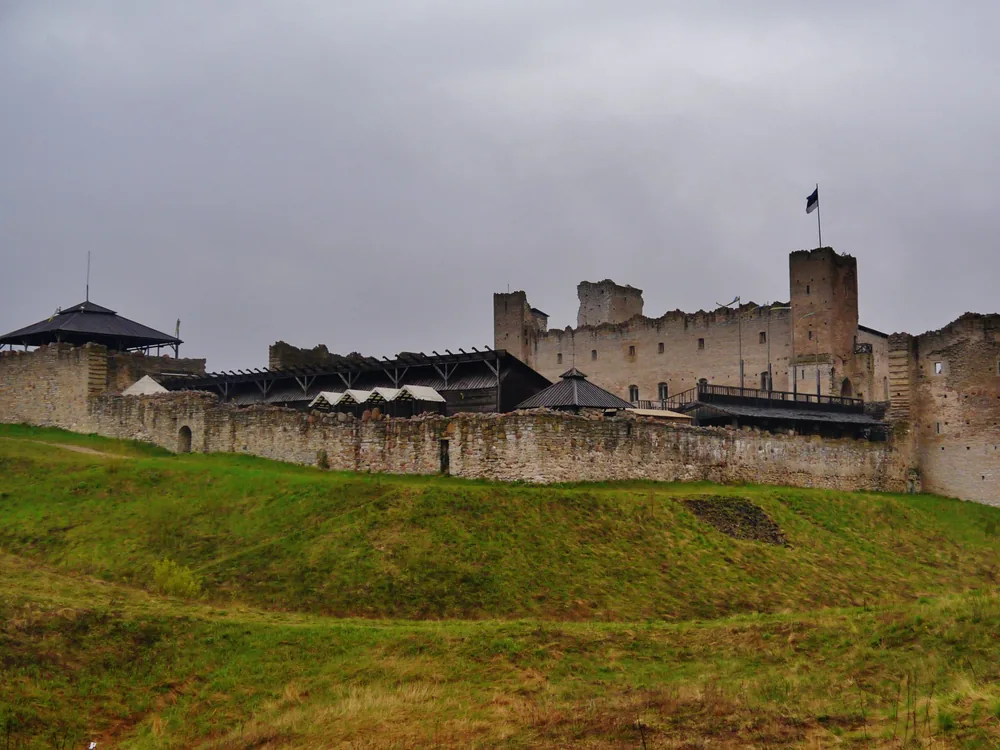
Built 1200 · Medieval Slavic/German origins c.1200; round tower (Bergfried) from the 13th century is the oldest surviving element; the castle controlled the crossroads of trade routes through the Mecklenburg lake district; significantly rebuilt in the 19th century; the town of Wesenberg sits on a peninsula between two lakes (Woblitzsee and Labussee); now a local history museum
This page is part of an independent travel guide and is not affiliated with, endorsed by, or operated by Wesenberg Castle.
© Castles & Palaces
Quick Facts
- Hours
- Tue–Sun 10:00–16:00. Closed Mon
- Entry via GetYourGuide
- €2
- Duration
- 1 hour
- Best time
- May to September
- Nearest city
- Neustrelitz
Featured Tour
Admission to the exhibitions at Wesenberg Castle
Cancellation available · Instant confirmation
Highlights
- ✦A 13th-century Bergfried, the oldest surviving element of the castle, built during the German Ostsiedlung expansion into formerly Slavic Mecklenburg territory
- ✦Set on a peninsula between the Woblitzsee and the Labussee, controlling a historic crossroads of trade routes through the Mecklenburg lake district
- ✦Part of a vast connected lake and canal system linked to the Müritz, Germany's largest lake located entirely within its own borders
- ✦One of the most affordable castle admissions on this site, at roughly €2 / €2
- ✦A local history museum reflecting the genuine, unglamorous material culture of a small Mecklenburg lake town rather than a grand royal narrative
Skip the queue with a guided tour
Skip-the-line tickets & expert guides
Mecklenburg-Vorpommern is one of the least-visited regions in Germany, a flat, lake-scattered landscape in the northeast that was, for forty years, among the least accessible parts of the country, sitting behind the Iron Curtain. Its lakes, forests and small medieval towns are now largely given over to quiet summer tourism, kayaking and cycling. In the middle of this lake district, on a small peninsula between the Woblitzsee and the Labussee, the town of Wesenberg sits around a medieval castle that has stood here since the 13th century. Burg Wesenberg is a minor castle by any objective measure, a single preserved tower and some later additions, but it costs roughly two euros to enter and it exists in a landscape of exceptional quietness and beauty that more than compensates for its architectural modesty.
The castle at Wesenberg was established around 1200, at a time when German settlers were pushing east into the territories of the Western Slavic peoples, a process known as the Ostsiedlung, the eastward colonisation that reshaped the demographic and cultural landscape of central Europe between the 10th and 14th centuries. The Mecklenburg region had previously been Slavic territory, and the construction of castles at strategic points, road crossings, lake peninsulas and river fords, was the principal mechanism by which incoming German lords consolidated control over the conquered land. Wesenberg sat at a junction of trade routes running through the lake district, controlling movement between the Baltic coast and the interior, a position whose logic remains legible simply by looking at the surrounding water.
The oldest surviving element of the castle is the Bergfried, the round defensive tower, dating from the 13th century. In medieval German castle design, the Bergfried functioned as the last line of defence: a tall, narrow tower with its entrance set at high level, accessible only by ladder, to which a garrison would retreat if the outer walls were breached. The Wesenberg Bergfried survives in good condition, having been stabilised and restored during the 19th century. From the top, the view across the two lakes, east to the Labussee and west to the Woblitzsee, makes the site's original strategic logic immediately obvious in a way that no amount of historical description quite manages on its own.
The landscape around Wesenberg forms part of the wider Müritz National Park system, which covers roughly 320,000 hectares of lakes, fens and forest across eastern Mecklenburg. The Woblitzsee, on which Wesenberg stands, connects by waterway to the Müritz, the largest lake located entirely within Germany, and the surrounding network of canals and lakes is navigable by kayak or houseboat across a remarkable distance. The region has a particular quality of light and silence that has drawn artists and writers since the Romantic period: the painter Carl Blechen worked here in the 1820s, and the novelist Theodor Fontane described the wider Mecklenburg and Brandenburg lake landscape in his Wanderungen durch die Mark Brandenburg.
For forty years between 1949 and 1990, this part of Germany formed part of the German Democratic Republic. The inner-German border lay some 300km to the west, but the GDR's own eastern coastal and lake regions were separately restricted, with the Baltic coastline and border areas designated as controlled zones even within East Germany itself. The castle was maintained throughout this period as a local heritage site but received few visitors beyond the immediate region, a pattern that has persisted in modified form ever since. Since reunification in 1990, the lake district has gradually become a destination for German domestic tourism, while remaining almost entirely unknown to international visitors. The castle reflects this pattern precisely: well cared for, locally loved, and almost invisible outside Germany.
The museum inside the castle holds a collection focused specifically on the history of Wesenberg and the surrounding Mecklenburg lake district: medieval artefacts recovered from the castle itself, objects relating to traditional lake-based trades such as fishing, reed harvesting and boat-building, and material documenting the 19th-century period when the region was connected to the Prussian rail network. The collection is modest in scale, but it is specific, locally grounded, and entirely honest about what it represents, which is itself a kind of quiet virtue increasingly rare among more heavily curated heritage attractions.
History
The castle at Wesenberg was established around 1200 during the German Ostsiedlung, the eastward medieval colonisation movement that brought German settlers and lords into formerly Slavic Mecklenburg territory, with the site chosen for its control over a crossroads of trade routes through the surrounding lake district. The castle's Bergfried, its round defensive tower, dates from the 13th century and remains the oldest surviving structural element, having been stabilised and restored in the 19th century alongside other modifications to the wider complex.
The castle functioned as a regional administrative and defensive point through the medieval and early modern periods, and continued in local use through the 20th century, including the four decades during which Mecklenburg formed part of the German Democratic Republic and the wider lake region remained relatively isolated from outside visitors. Since German reunification in 1990, Burg Wesenberg has operated as a local history museum, documenting the town's medieval origins and the traditional lake-based economy of the surrounding Mecklenburg lake district.
How to Visit
Getting there: Wesenberg is 35 km from Neustrelitz by car (about 40 minutes), with a regional bus connection from Neustrelitz (line 510, running hourly on weekdays). The nearest train station is Wesenberg itself, on the Berlin–Stralsund regional line, 10 minutes' walk from the castle.
Tickets: Walk-up admission is approximately €2 for adults; children enter free — among the most affordable castle tickets in Germany. The GetYourGuide entry ticket is available for advance booking.
Practical tips: The castle is open May to September only, Tuesday to Sunday; it closes entirely in winter, so check dates before travelling. A canoe or kayak trip on the Woblitzsee pairs naturally with the castle visit for a half-day in the area.
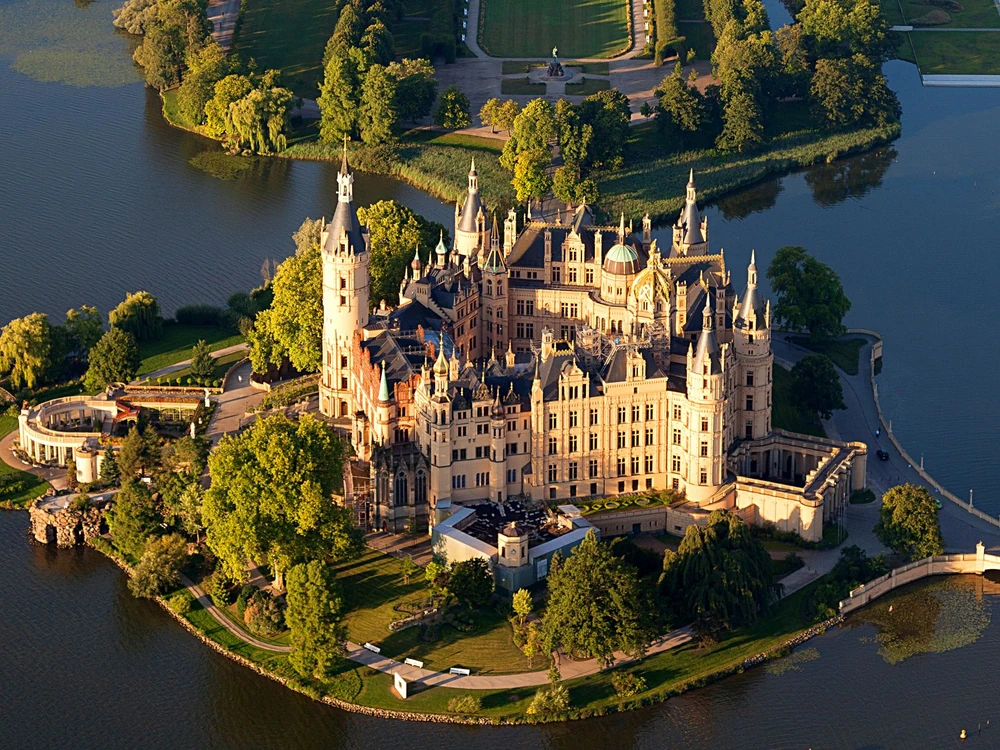
Combine with: Schwerin Castle, the neo-Gothic island palace of Mecklenburg's ducal family, is 90 km west and the region's standout castle — a rewarding full-day extension that makes the most of a trip through Mecklenburg-Vorpommern.
Frequently Asked Questions
Burg Wesenberg is a small, locally run museum in a modestly sized rural German town, without the large operating costs, extensive conservation programmes or international visitor infrastructure associated with major castles. Its roughly €2 entry fee reflects its scale and its role as a community heritage institution rather than a major tourist attraction, and the museum itself is correspondingly compact, focused tightly on local and regional history rather than broad national narratives.
Location
Schlossberg 1, 17255 Wesenberg, Germany
Nearby Castles
Tours & Tickets
Powered by GetYourGuide
From
€2/ person