
Castel Gandolfo
Palazzo Apostolico di Castel Gandolfo
Italy · Lazio · Near Castel Gandolfo
Built 1596 · Baroque papal summer residence established from 1596, designed as a sequence of interconnected palaces, gardens, and villas above Lake Albano in the Castelli Romani hills; part of the broader Pontifical Villas estate and included within the UNESCO World Heritage listing of the Villas Tuscolane; the complex includes the Apostolic Palace itself, the Secret Garden (Giardino del Moro), the papal gardens, and access to the grounds of Villa Cybo and Villa Barberini within the wider estate; historically one of the most exclusive addresses in the world, opened to public visits by Pope Francis in 2016
This page is part of an independent travel guide and is not affiliated with, endorsed by, or operated by Castel Gandolfo.
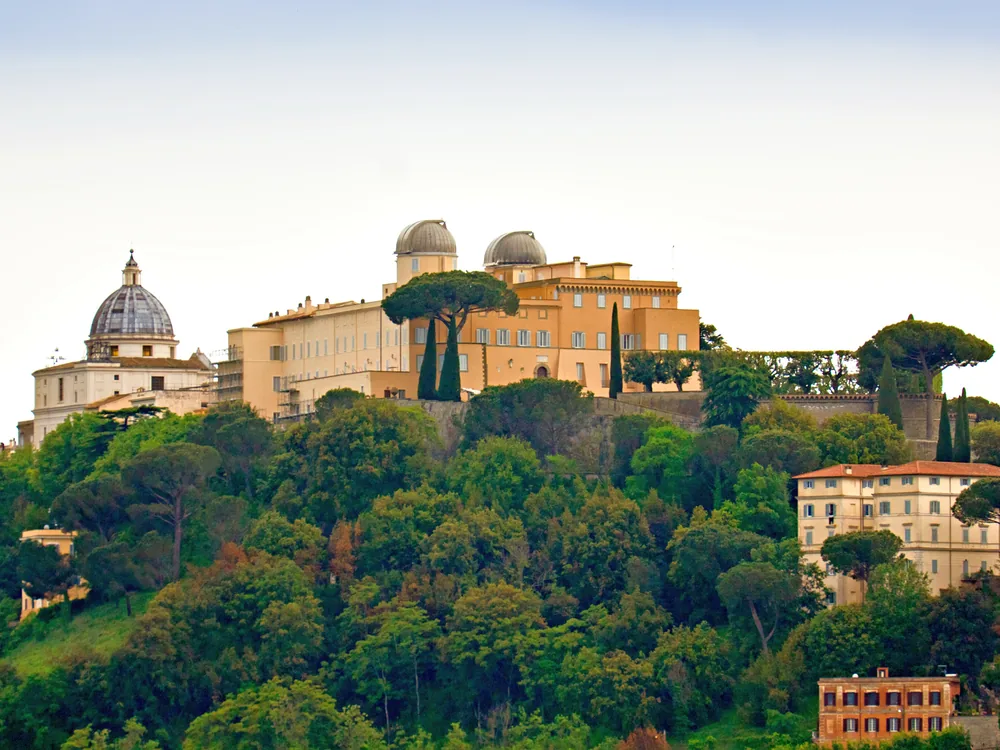
© Castles & Palaces
Quick Facts
- Hours
- Tue–Fri 09:00–13:00. Sat 09:00–16:00. Sun 09:00–13:00. Closed Mon
- Entry via GetYourGuide
- €42
- Duration
- 2.5 hours
- Best time
- April to October
- Booking
- Required — book 3+ days ahead
- Nearest city
- Castel Gandolfo
Featured Tour
Castel Gandolfo: Apostolic Palace and Secret Garden with digital guide
Cancellation available · Instant confirmation
Highlights
- ✦From 1596 until 2016, an entirely private papal residence — one of the most exclusive addresses in the world, inaccessible to anyone without a personal papal invitation. Pope Francis opened it to public visits in 2016, making one of the great inaccessible interiors of European history suddenly available to any visitor who books ahead
- ✦The Secret Garden (Giardino del Moro), a meticulously maintained private garden within the palace grounds, with views over the Castelli Romani landscape and Lake Albano — available on Saturday and Sunday visits; confirm current access hours before booking
- ✦Part of the UNESCO-listed Pontifical Villas estate at Castel Gandolfo, associated with the broader Villas Tuscolane heritage area; the setting above Lake Albano in the volcanic Castelli Romani hills is as significant as the interiors
- ✦During World War II, Pope Pius XII used Castel Gandolfo to shelter thousands of refugees from the bombing of Rome and the surrounding countryside — making the palace a humanitarian sanctuary within what had been a purely private papal domain
- ✦GetYourGuide tags this tour as 'Rare find — usually unavailable.' This is accurate: available slots are genuinely limited and sell out. Book at least 3 days ahead as a minimum; further ahead is strongly advisable. Groups are capped at 10 participants
Skip the queue with a guided tour
Skip-the-line tickets & expert guides
For most of its four-century history, Castel Gandolfo was the definition of a closed door. The Apostolic Palace above Lake Albano in the Castelli Romani hills was the pope's private summer residence — used by successive popes from Urban VIII in the early 17th century through to Benedict XVI — and access was a matter of personal invitation rather than public ticket. The surrounding town took its name from the papal presence; the pontifical villas extended across the volcanic hillside; and the whole ensemble operated as a private world within a world, a papal enclave above Rome where the formal apparatus of the Vatican was suspended in favour of something approaching ordinary life, with gardens, walks, and an escape from the Roman summer heat that had been killing prominent people for two millennia.
In 2013, Pope Francis made the decision not to use Castel Gandolfo as a summer residence — a deliberate break with tradition that reflected his broader choice of personal simplicity. In 2016, he opened the Apostolic Palace and gardens to public visits, managed by the Vatican Museums (Musei Vaticani). The decision turned one of the most consistently exclusive addresses in modern European history into something any visitor with a booking can now experience.
The access arrangement is deliberately managed rather than open. The GetYourGuide tour is tagged by GetYourGuide as a 'Rare find — it's your lucky day, this activity is usually unavailable.' This reflects genuine scarcity: the visit is limited to groups of 10 participants, the available slots are not numerous relative to demand, and this is not a site where showing up without a booking is a realistic strategy. Book as far ahead as possible. The palace is also not suitable for visitors with mobility impairments — stairs and uneven historic surfaces throughout, no elevator access.
The 2.5-hour visit uses a self-guided digital audio guide accessed via smartphone, covering the Apostolic Palace's principal rooms and the gardens. The Secret Garden (Giardino del Moro) — a meticulously maintained private garden within the palace grounds — is part of the visit on Saturday and Sunday; access may be seasonal, with different hours in winter months (in January–February 2026, last garden entry at 4 pm on Saturdays and Sundays). Exhibition rooms clear 30 minutes before closing.
The palace's history is not only papal ceremony and summer retreats. During World War II, as the Allied forces advanced northward through Italy and Rome was declared an open city to spare it from bombing, Pope Pius XII used Castel Gandolfo to shelter thousands of refugees — civilians displaced by the fighting in the Castelli Romani area who found sanctuary within the pontifical estate. The palace grounds housed people in numbers well beyond any normal residential capacity. This episode gives the building a humanitarian dimension that sits alongside its centuries of papal exclusivity.
The setting above Lake Albano is itself the argument for combining the palace visit with time in the broader Castelli Romani area. The volcanic crater lake below the castle, the hilltop towns of Albano Laziale, Frascati, and Nemi within short driving distance, and the general quality of the Lazio countryside make this a natural half-day from Rome — the palace itself is the specific draw, but the landscape around it rewards exploration beyond the ticket entry.
History
Castel Gandolfo has been used as a papal summer residence since Pope Urban VIII commissioned the Apostolic Palace in 1626 on the site of a pre-existing 13th-century castle. The town itself takes its name from the Gandolfi family, who built the original medieval structure. Successive popes used the palace through the 17th, 18th, 19th, and 20th centuries as an escape from the Roman summer heat, maintaining it as an entirely private papal domain.
During World War II, Pope Pius XII sheltered thousands of refugees from the fighting in the surrounding Castelli Romani region within the pontifical estate. In 2013, Pope Francis declined to use Castel Gandolfo as a summer residence; in 2016, he opened the Apostolic Palace and gardens to public visits, managed by the Vatican Museums. The estate is part of the broader UNESCO-listed Pontifical Villas ensemble at Castel Gandolfo.
How to Visit
Getting there: Castel Gandolfo is approximately 25km southeast of Rome in the Castelli Romani hills. By train from Roma Termini, take the regional line toward Albano Laziale; the Castel Gandolfo station is approximately 40 minutes, then a 15-minute uphill walk to the palace. By car, take the Via Appia Nuova (SS7) south from Rome; parking is available in the town.
Tickets: Entry is €48 for adults (children free); advance booking is essential — walk-in is not available. The GetYourGuide entrance ticket with digital guide includes a self-guided smartphone audio guide for the 2.5-hour visit. GetYourGuide tags this as a 'Rare find — usually unavailable' — slots sell out quickly. Book at least 3 days ahead; further ahead is strongly advisable.
Practical tips: Bring a charged phone and earphones for the audio guide. Exhibition rooms clear 30 minutes before closing; the Secret Garden (Giardino del Moro) is accessible on Saturdays and Sundays — confirm hours when booking. Not suitable for visitors with mobility impairments: stairs and uneven surfaces throughout, no elevator access. Groups are capped at 10 participants.
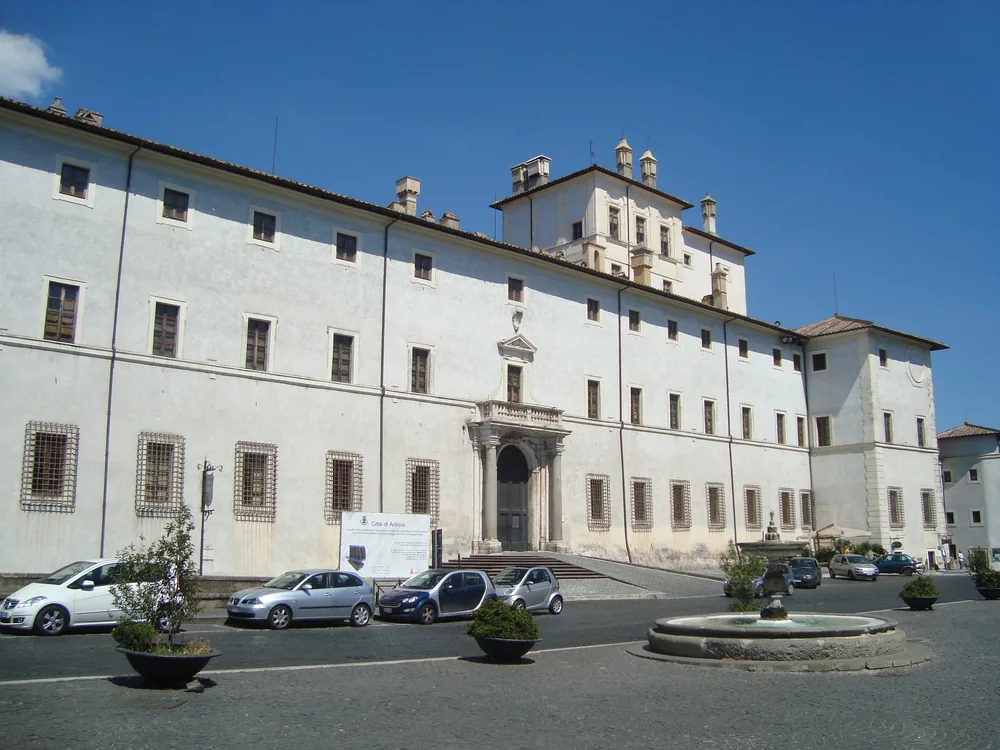
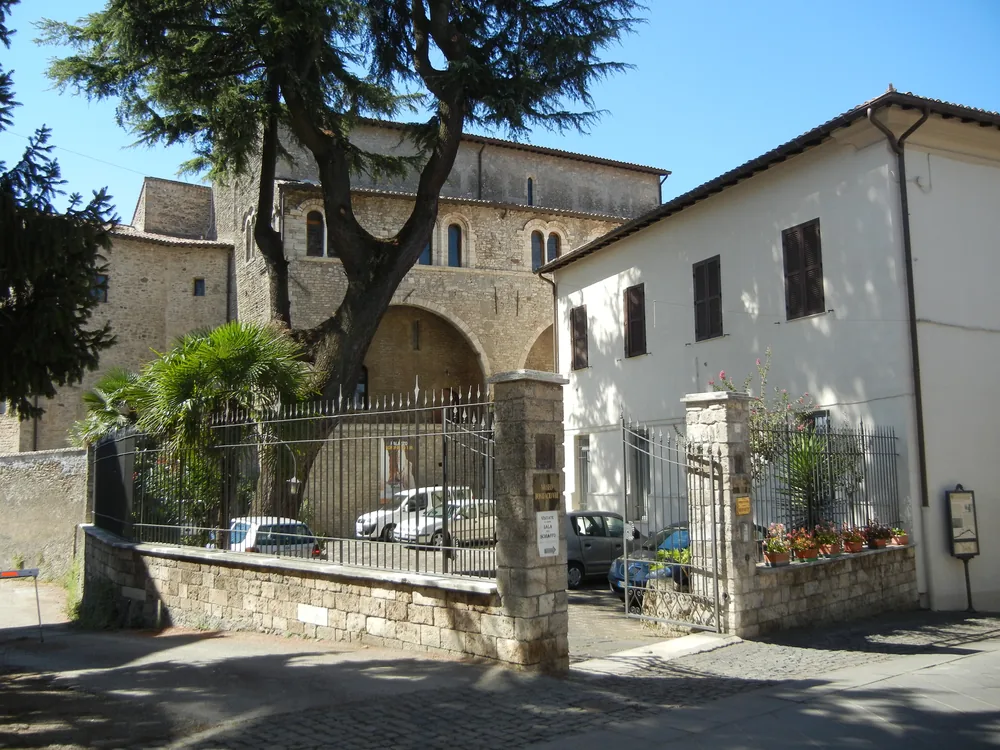
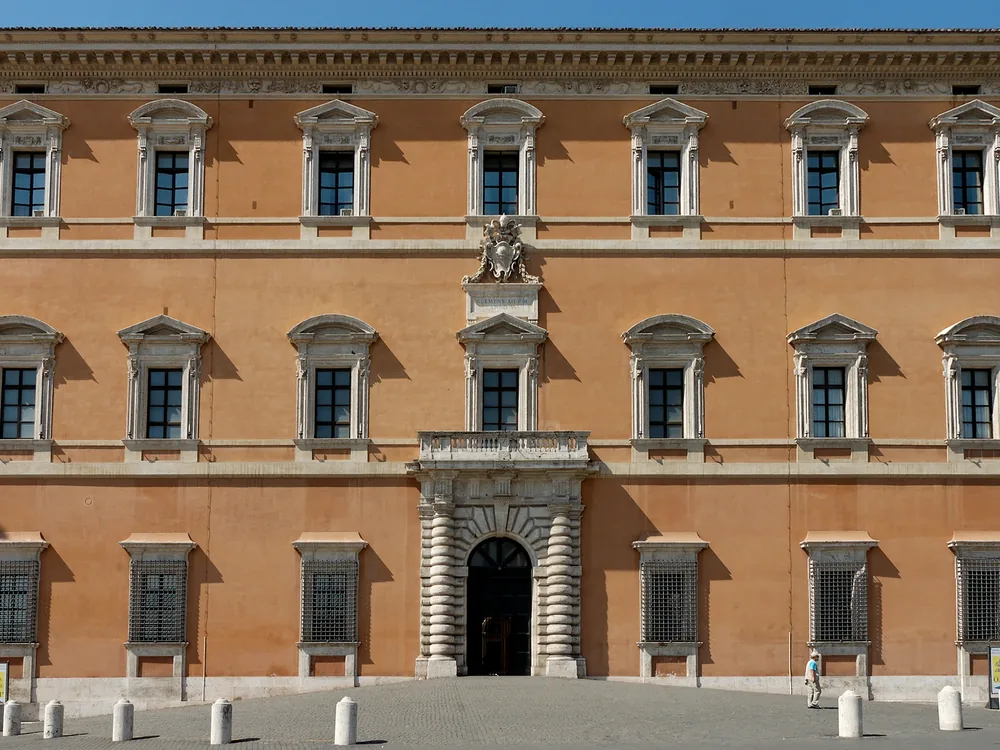
Combine with: Chigi Palace in nearby Ariccia and Boniface VIII Palace in Anagni make a natural Lazio papal heritage itinerary from Rome.
Frequently Asked Questions
Pope Francis opened the Apostolic Palace and gardens to public visits in 2016. He had declined to use Castel Gandolfo as a summer residence from 2013, consistent with his broader personal preference for simplicity. The opening — managed by the Vatican Museums — turned one of the most consistently private addresses in modern European history into a publicly accessible site. For most of the palace's four-century history, access required a personal papal invitation.
Location
Piazza della Libertà, 00073 Castel Gandolfo RM, Italy
Nearby Castles
Tours & Tickets
Powered by GetYourGuide
From
€42/ person