
Castello di Masino
Castello di Masino
Italy · Piedmont · Near Turin
Built 1070 · Medieval Canavese castle; fortified core dating to 11th century under the Valperga family; expanded and refined through the 17th and 18th centuries; formal Italian garden of the Baroque period; FAI (Fondo Ambiente Italiano) property since 1988
This page is part of an independent travel guide and is not affiliated with, endorsed by, or operated by Castello di Masino.
© Castles & Palaces
Quick Facts
- Hours
- Sat & Sun 10:00–18:00. Closed Mon–Fri
- Entry via GetYourGuide
- €16
- Duration
- 1.5–2 hours (castle and gardens)
- Best time
- March to November
- Nearest city
- Turin
Featured Tour
Caravino: Masino Castle Entry Ticket
Cancellation available · Instant confirmation
Highlights
- ✦Held by the Valperga family for nine centuries, from a 1070 grant by the House of Savoy until donation to FAI in 1988 — one of the longest single-family tenures of any European castle
- ✦A medieval defensive core of walls, round towers and keep, built on a naturally defensible rock spur with steep drops on three sides
- ✦A 15,000-volume private library accumulated across three centuries of Valperga bibliophilia, maintained in situ by FAI
- ✦17th- and 18th-century Baroque state apartments with coffered ceilings, gilded ornament and a picture gallery of family portraits
- ✦A formal Italian terrace garden, later softened in the English landscape style, restored by FAI to its 18th-century appearance
Skip the queue with a guided tour
Skip-the-line tickets & expert guides
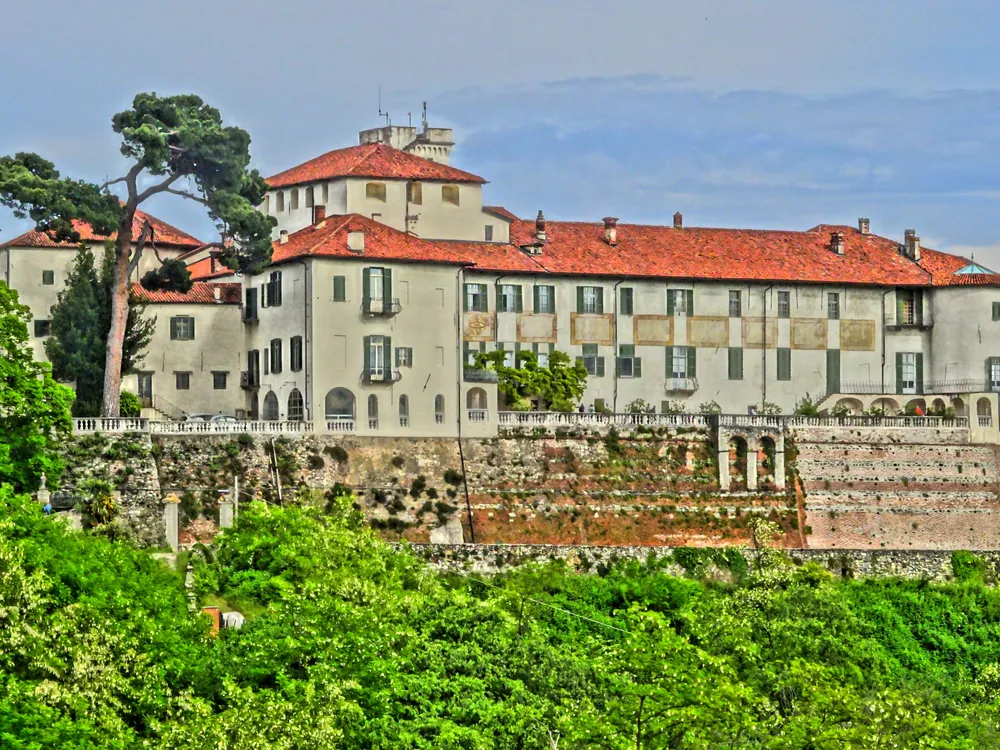
In the Canavese plain northeast of Turin, where the foothills of the Alps begin their slow rise toward the Gran Paradiso massif, Castello di Masino occupies a natural spur above the town of Caravino. It is one of the oldest continuously inhabited castle complexes in Piedmont, and its transformation from a medieval military fortress into a refined Baroque residence follows the trajectory of the entire Italian aristocracy: less war, more art, more garden. The Valperga family held it for nine centuries, longer than almost any other noble family retained a single property in Italian history.
The Valperga family received Masino as a fief from the House of Savoy in 1070, following the Battle of Pavia. For nine centuries, through the Renaissance, the Savoyard expansion, the French and Napoleonic occupations, the Risorgimento and the World Wars, the family held the property. The castle passed through male-line succession, female-line inheritance and cousin inheritance, but never left Valperga hands until 1988, when the last Count donated it to the Fondo Ambiente Italiano. Nine centuries of family occupation is exceptionally rare for any European castle; for a Piedmontese castle, it is unique.
The earliest surviving fabric dates to the 12th and 13th centuries. The defensive circuit of walls, the round towers and the keep form the core of the complex. The castle's position on a spur of rock with steep drops on three sides made it naturally defensible; the walls reinforced the natural obstacle rather than overcoming it. The Savoyard alliance that gave the Valperga family their original grant also defined their subsequent history: loyal Savoyard vassals, the family rose and fell with Savoyard fortunes and never committed to the independent adventures that destroyed most of Piedmont's other noble houses.
In the 17th and 18th centuries, successive Valperga counts converted the fortress into a residence: state apartments with coffered ceilings, a library of 15,000 volumes, a picture gallery with portraits of the family and works by minor Piedmontese masters. The Baroque renovation followed the conventions of the period — high ceilings, gilded ornament, theatrical perspectives — while preserving the medieval defensive structure as its armature. The result is a castle that was a fortress before it was a palace, and looks like both simultaneously.
The Masino library, accumulated across three centuries of Valperga bibliophilia, contains 15,000 volumes and is one of the most significant private libraries to survive intact in Piedmont. FAI has maintained it in situ. For visitors interested in the material culture of Italian aristocratic intellectual life — the annotated editions, the correspondence volumes, the runs of ephemera that the major state libraries rarely preserve — this library is unusually accessible and well-labelled.
The terrace garden below the castle walls was laid out in the formal Italian style in the 17th century: geometric compartments, clipped hedges, an orangery. The garden was later modified in the English landscape style that became fashionable in the late 18th century, producing a hybrid common in Italian villas of this period. FAI has restored the garden to its 18th-century appearance, and the views from the garden terraces across the Canavese plain to the Alps are exceptional.
History
The House of Savoy granted Masino to the Valperga family as a fief in 1070, following the Battle of Pavia, and the family's fortified core dates from the 12th and 13th centuries, built on a naturally defensible rock spur. The Valperga remained loyal Savoyard vassals throughout the medieval and early modern periods, a strategic alignment that protected the family from the political upheavals that destroyed many other Piedmontese noble houses during the same centuries.
From the 17th century onward, successive Valperga counts converted the medieval fortress into a Baroque residence, adding state apartments, a substantial library and a formal garden while retaining the original defensive walls and towers as the underlying structure. The family's tenure continued unbroken through the Napoleonic period and the Italian Risorgimento, finally ending in 1988 when the last Count donated the castle to the Fondo Ambiente Italiano, Italy's leading heritage conservation charity, which has managed and opened it to the public ever since.
How to Visit
Getting there: Masino is 40km northeast of Turin by road, about 45 minutes by car. No public transport reaches the castle directly; a car or taxi from Ivrea station (15km away) is the practical approach.
Tickets: Entry costs €18 for adults (children €9); walk-up tickets available with no booking required. The GetYourGuide entry ticket can be booked in advance at a slightly lower price for a self-guided visit of the castle and gardens.
Practical tips: Open Saturdays, Sundays, and public holidays only, March to November — check the FAI calendar at fondoambiente.it for occasional weekday openings. Allow 1.5–2 hours for the Baroque state apartments, the 15,000-volume library, and the terrace garden. The garden views over the Canavese plain to the Alps are outstanding.
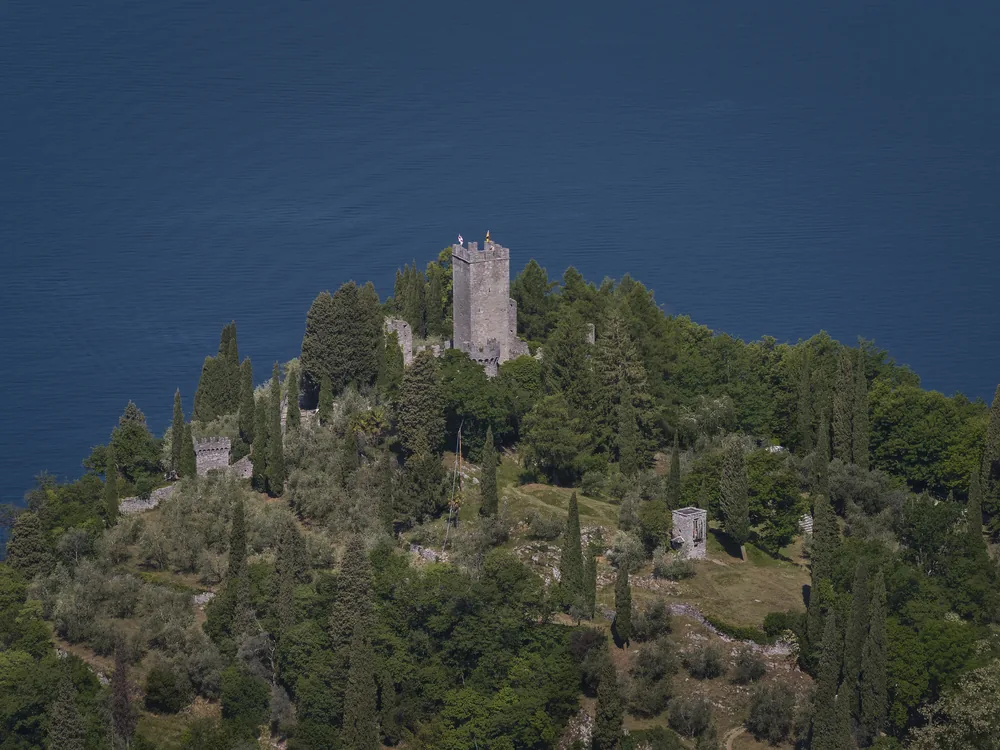
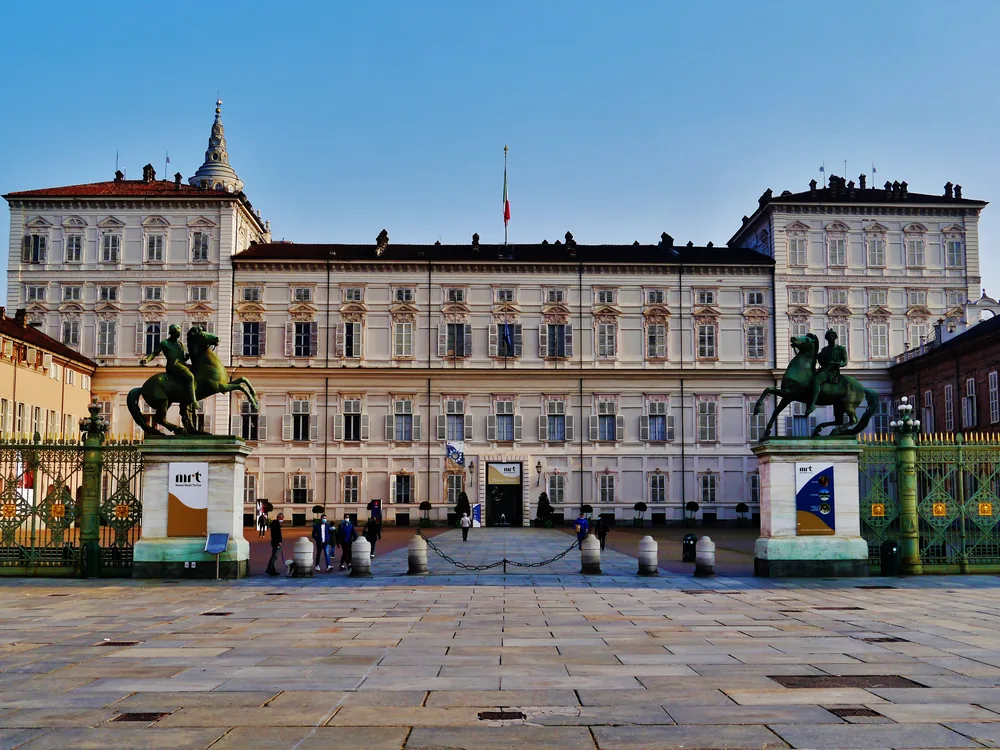
Combine with: Turin Royal Palace in Turin (40km southwest) for a Savoy heritage day, or Castello di Vezio on Lake Como for a broader northern Italy castle itinerary.
Frequently Asked Questions
The Valperga family held Masino for nine centuries, from a 1070 grant by the House of Savoy until 1988, when the last Count donated the castle to the Fondo Ambiente Italiano. This makes it one of the longest single-family tenures of any castle in Europe, and an exceptional case even within Piedmont's long history of noble family estates.
Location
Via al Castello 1, 10010 Caravino TO, Italy
Nearby Castles
Tours & Tickets
Powered by GetYourGuide
From
€16/ person