
Castello di Rivoli
Castello di Rivoli — Museo d'Arte Contemporanea
Italy · Piedmont, Metropolitan City of Turin · Near Turin
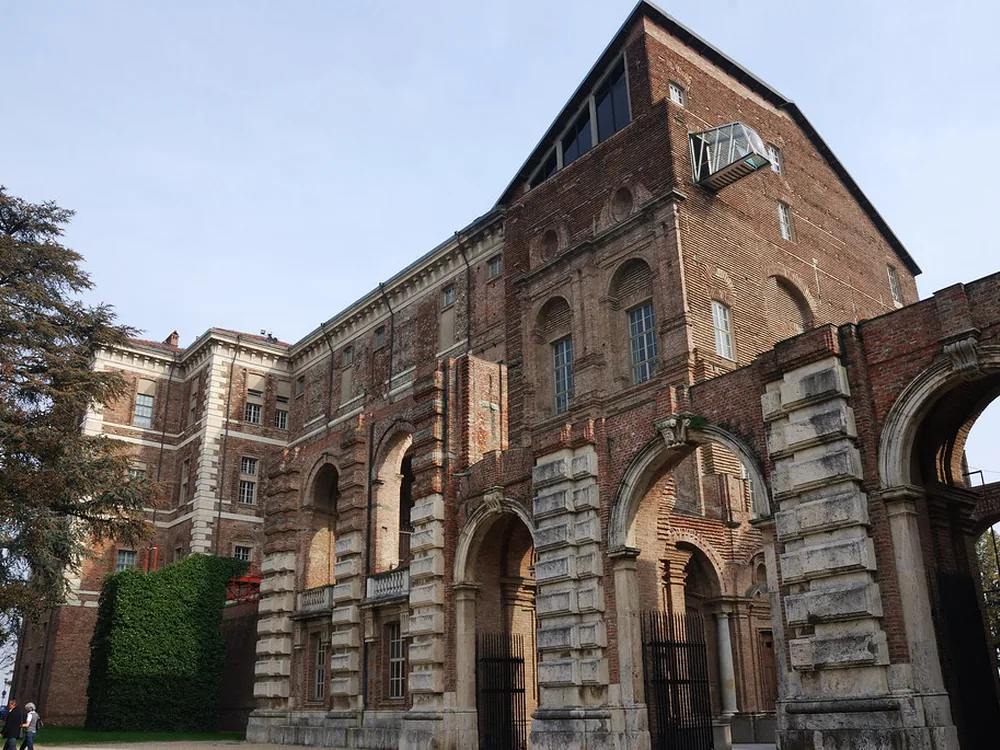
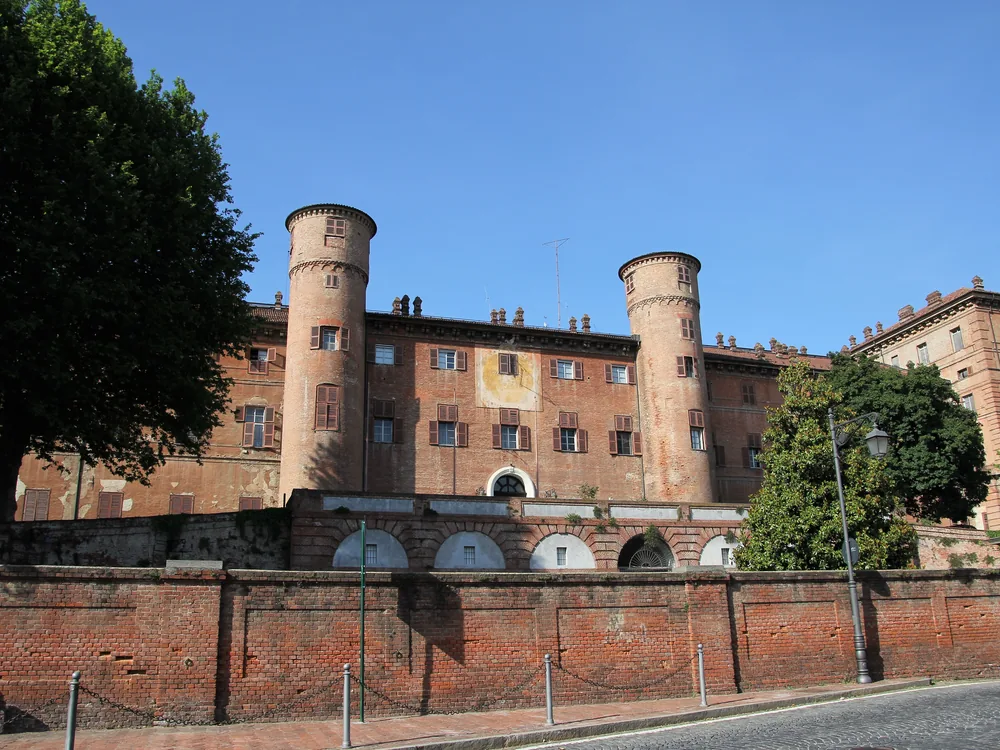
Built 1180 · Medieval castle rebuilt as Baroque royal residence; original 11th–12th century fortress on the hill above Rivoli; substantially rebuilt and expanded by the Savoy under Emmanuel Philibert (16th century) and then by Victor Amadeus II, who in 1717 commissioned Filippo Juvarra to create a grand new Baroque palace on the site — Juvarra's project was only partially executed before it was abandoned in the 1730s; the result is one of Europe's most architecturally unusual buildings: a central pavilion of completed Baroque construction attached to the ruined shell of Juvarra's intended east wing, which was never finished and has remained an open ruin for 300 years; the deliberate integration of the ruin into the museum design (by architect Andrea Bruno, 1984) is itself a significant work of 20th-century architectural intervention; UNESCO World Heritage Site since 1997 as part of the 'Residences of the Royal House of Savoy' inscription
This page is part of an independent travel guide and is not affiliated with, endorsed by, or operated by Castello di Rivoli.
© Castles & Palaces
Quick Facts
- Hours
- Thu & Fri 10:00–17:00. Sat & Sun 10:00–21:00. Closed Mon–Wed
- Entry via GYG
- €53
- Duration
- 2–3 hours
- Best time
- Year-round
- Nearest city
- Turin
Featured Tour
Turin: Torino and Piemonte 5-Day City Card
Cancellation available · Instant confirmation
Highlights
- ✦Italy's first museum of contemporary art — opened 1984, the Castello di Rivoli is the most important institution for Arte Povera and contemporary Italian art, with a permanent collection including works by Jannis Kounellis, Giuseppe Penone, Mario Merz, and Michelangelo Pistoletto
- ✦Juvarra's unfinished ruin — Filippo Juvarra began an ambitious Baroque palace extension in 1717 for Victor Amadeus II; it was abandoned in the 1730s with only the central pavilion complete; the east wing has remained an open roofless ruin for 300 years, now integrated into the museum as a dramatic exhibition space
- ✦Andrea Bruno's architectural intervention — the 1984 renovation by architect Andrea Bruno deliberately preserved the ruin rather than completing or concealing it, treating the unfinished Baroque stonework as a ready-made context for contemporary art; the dialogue between 17th-century masonry and 20th-century art is the museum's defining spatial experience
- ✦UNESCO World Heritage Site — part of the 'Residences of the Royal House of Savoy' inscription since 1997; one of the few UNESCO sites where the primary visitor draw is contemporary art rather than historic fabric
- ✦The hilltop position — the castle stands on a hill above the town of Rivoli with views east over the Turin plain toward the Alps; on clear days the full arc of the western Alps is visible from the upper terraces
Skip the queue with a guided tour
Skip-the-line tickets & expert guides
The Castello di Rivoli is one of the most architecturally unusual museums in Europe — a building that has been simultaneously a medieval fortress, a Baroque royal residence, and an abandoned ruin, all at the same time, for three centuries. The situation is not accidental: it is the direct result of a royal commission that ran out of money and ambition halfway through.
There has been a fortification on the hill above Rivoli since at least the 11th century. The Savoy acquired the castle in the 13th century and used it as a strategic observation point over the Turin plain. Emmanuel Philibert rebuilt it substantially in the 16th century. Then in 1717, Victor Amadeus II — the same Savoy duke who was simultaneously building the Reggia di Venaria and commissioning Stupinigi — hired Filippo Juvarra to transform Rivoli into a grand Baroque palace comparable to the other Savoy residences. Juvarra designed an enormous new building on the hilltop and began work.
The project was abandoned in the 1730s with only the central pavilion complete. The intended east wing — Juvarra's most ambitious element — was partially built before the money and political will ran out. The walls rose, the structure took shape, and then construction stopped. And stopped for good. The shell of Juvarra's unfinished wing has stood roofless on the hilltop ever since — a 300-year-old construction site, slowly acquiring the character of a deliberate ruin.
When the Piedmont region decided to create a contemporary art museum at Rivoli in the early 1980s, the architect Andrea Bruno made the decisive curatorial and architectural choice that defines the museum today: instead of completing or concealing Juvarra's ruin, he integrated it. The open-air shell became an exhibition space. The rubble and exposed masonry became the backdrop for Arte Povera installations. The dialogue between 17th-century Baroque ambition and 20th-century conceptual art — between a building that was meant to express absolute power and an art movement that deliberately used worthless materials — became the museum's organising logic.
The permanent collection focuses on Arte Povera and its international contemporaries from the 1960s to the present. Arte Povera ('Poor Art') was a movement born in Turin in the late 1960s — artists including Jannis Kounellis, Giuseppe Penone, Mario Merz, Michelangelo Pistoletto, and Giovanni Anselmo working with materials that seemed deliberately unmonumental (earth, coal, glass, newspaper, living plants) in spaces that the Savoy had designed to project magnificence. The tension is the point.
The Torino+Piemonte City Card (t17051, €53, 5 days) is the most practical way to visit — it includes Castello di Rivoli entry alongside 20+ Turin attractions and is the only GYG product that specifically names Rivoli among its inclusions.
History
Rivoli's hill has supported a fortification since at least the 11th century — its position controlling the western approach to Turin made it a natural military priority for whoever held Piedmont. The Savoy acquired the castle in the 13th century, and Emmanuel Philibert rebuilt it as a combined residential and military complex in the 16th century. French forces occupied the site in 1707 during the War of Spanish Succession.
The castle's most consequential moment arrived in 1717, when Victor Amadeus II commissioned Filippo Juvarra — simultaneously working on Venaria and Stupinigi — to replace the existing structure with a grand Baroque palace. Construction began and then stalled in the 1730s with only the central pavilion complete. Juvarra's intended east wing was partially built and then simply left: walls standing, rooms open to the sky, stonework exposed to three centuries of Piedmontese weather. After Italian unification in 1861, the site passed to the Italian state.
The transformation came in 1984, when architect Andrea Bruno completed a renovation that made the decisive choice to integrate Juvarra's 300-year-old ruin rather than complete or remove it. The Castello di Rivoli Museo d'Arte Contemporanea opened as Italy's first contemporary art museum, with the exposed ruin treated as an exhibition space rather than a problem to be solved. UNESCO listed the castle in 1997 as part of the Residences of the Royal House of Savoy inscription.
How to Visit
Getting there: Rivoli is 13km west of Turin. By public transport: Turin Metro Line 1 to Fermi station, then GTT bus 36 to Rivoli (approximately 20 minutes from Fermi). By car: follow the Corso Francia west from central Turin (approximately 25 minutes).
Tickets: Walk-up entry costs €12 for adults (children €6); no booking required. The Torino+Piemonte City Card (t17051, €53, 4.8★/470 reviews) includes Castello di Rivoli alongside 20+ Turin attractions over 5 days. The Turin Royal Pass (t65698, €30, 4.5★/23 reviews) covers 9 Savoy residences including Rivoli over 4 days — the better option if focusing specifically on the Savoy circuit.
Practical tips: Check castellodirivoli.org for current exhibitions before visiting; major shows significantly change the experience. Open Thursday–Friday 10:00–17:00, Saturday–Sunday 10:00–21:00; closed Monday–Wednesday. Allow 2–3 hours for both the permanent Arte Povera collection and Juvarra's dramatic 300-year-old unfinished ruin — the open roofless shell is the museum's most memorable space.
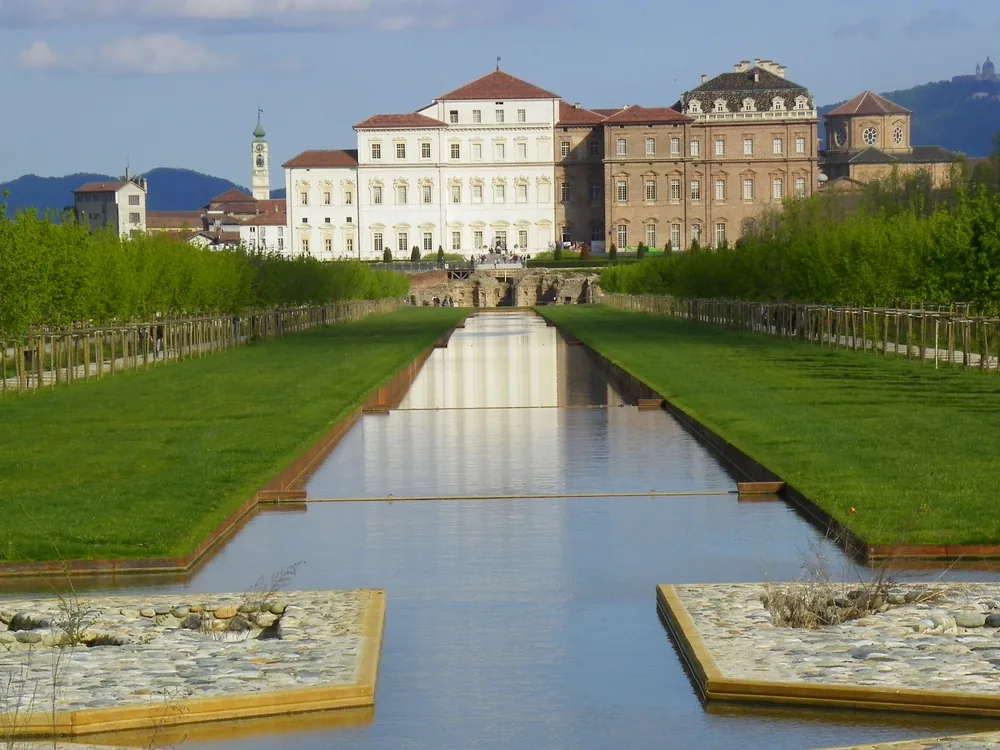
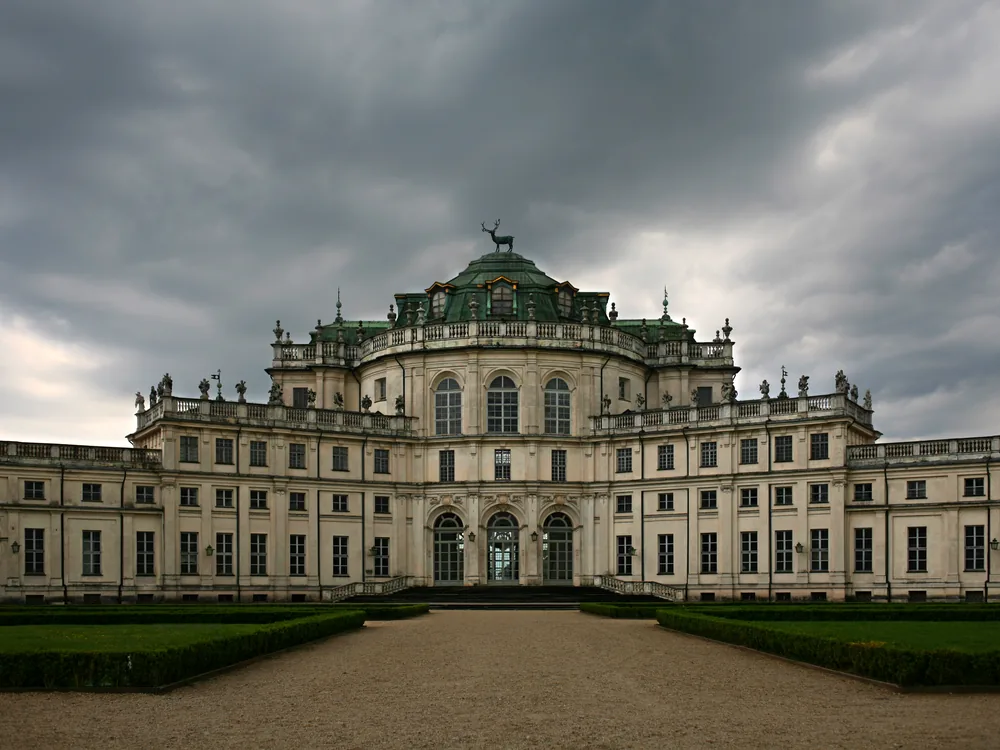
Combine with: [Reggia di Venaria](/castles/italy/reggia-di-venaria) and [Palazzina di Caccia di Stupinigi](/castles/italy/palazzina-di-caccia-di-stupinigi) — both Juvarra-designed Savoy residences, both included in the Royal Pass (t65698) and City Card (t17051), making a natural three-palace Juvarra day from Turin.
Frequently Asked Questions
Castello di Rivoli is UNESCO-listed not for its art collection but for its historic fabric — it is part of the 'Residences of the Royal House of Savoy' inscription (1997), which covers 16 Savoy sites across Piedmont recognised for their collective significance as a royal architectural ensemble. The inscription covers the castle's physical structure (medieval fortress + Baroque pavilion + Juvarra's unfinished ruin) as a royal residence. The fact that it now houses a contemporary art museum does not affect the inscription.
Location
Piazza Mafalda di Savoia, 10098 Rivoli TO, Italy
Nearby Castles
Tours & Tickets
Powered by GetYourGuide
From
€53/ person