
Palazzina di Caccia di Stupinigi
Palazzina di Caccia di Stupinigi
Italy · Piedmont, Metropolitan City of Turin · Near Turin
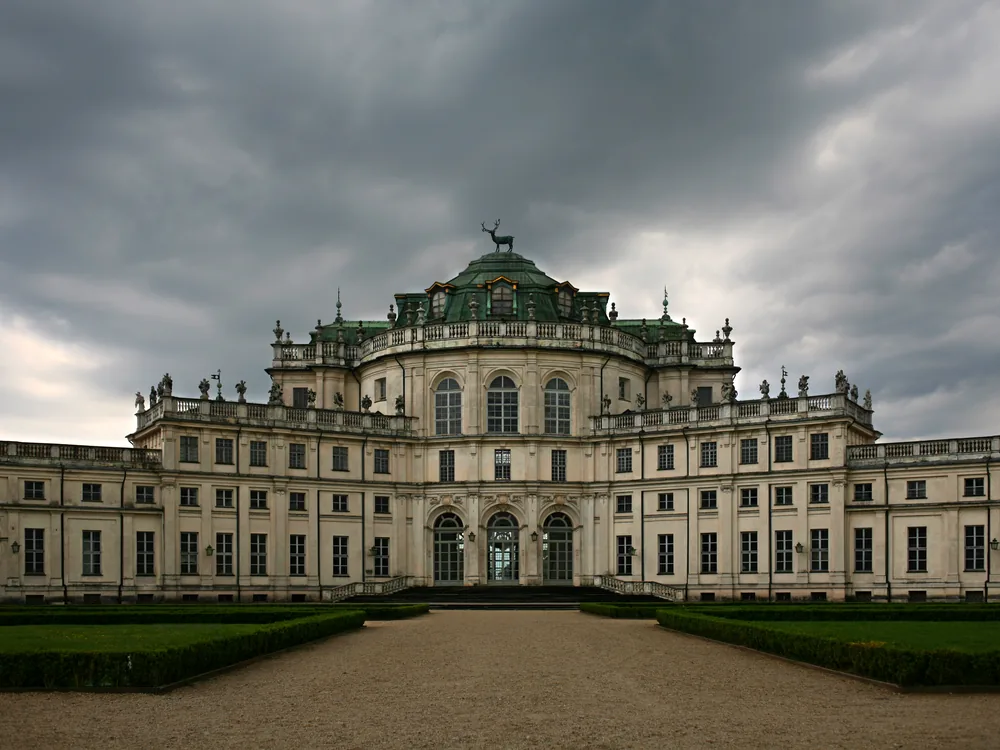
Built 1729 · Late Baroque hunting lodge; designed by Filippo Juvarra for Victor Amadeus II of Savoy; construction 1729–1733; star-shaped plan — four wings radiating from a central oval hall at 45-degree angles, creating a cross with diagonal arms when seen from above; the central oval hall is topped by a shallow dome crowned by a bronze stag weather vane, the heraldic symbol of the Savoy hunting tradition; the building materials are predominantly brick with stone dressing, giving the exterior a warm terracotta tone unusual for a royal residence of this scale; the interior decoration is among the finest examples of Piedmontese rococo, particularly in the central hall and the royal apartments; UNESCO World Heritage Site since 1997 as part of the 'Residences of the Royal House of Savoy' inscription; now houses the Museo Nazionale dell'Arredamento (National Museum of Furniture and Decorative Arts)
This page is part of an independent travel guide and is not affiliated with, endorsed by, or operated by Palazzina di Caccia di Stupinigi.
© Castles & Palaces
Quick Facts
- Hours
- Tue–Fri 10:00–17:30. Sat & Sun 10:00–18:30. Closed Mon
- Entry via GYG
- €14
- Duration
- 1.5–2 hours
- Best time
- April to October
- Nearest city
- Turin
Featured Tour
Turin: Stupinigi Royal Hunting Lodge Entry Ticket
Cancellation available · Instant confirmation
Highlights
- ✦The star-shaped plan — Filippo Juvarra's unique architectural solution: four wings radiating at 45-degree angles from a central oval hall, creating a building that looks like a compass rose from the air; no other royal residence in Europe has this plan
- ✦The central oval hall — the heart of the palace, a two-storey oval space topped by a shallow dome and crowned by the bronze stag weather vane that is Stupinigi's symbol; the hall's painted vault and carved stucco decoration are among the finest examples of Piedmontese Baroque interior design
- ✦Napoleon Bonaparte's residence — Napoleon stayed at Stupinigi in 1800 before his triumphant entry into Turin following the Battle of Marengo; the apartments he occupied are preserved and labelled
- ✦Queen Margherita of Savoy's birthplace — the first Queen of unified Italy (wife of Umberto I, for whom Margherita pizza is named) was born at Stupinigi in 1851
- ✦The Museo Nazionale dell'Arredamento — the National Museum of Furniture and Decorative Arts occupies the royal apartments, displaying some 40,000 objects spanning four centuries of Italian aristocratic interior design
Skip the queue with a guided tour
Skip-the-line tickets & expert guides
The Palazzina di Caccia di Stupinigi is one of the most unusual royal buildings in Europe — a hunting lodge on the scale of a palace, with a floor plan unlike any other royal residence. Filippo Juvarra, the most gifted architect working in early 18th-century Europe, designed it for Victor Amadeus II of Savoy in 1729 with a single decisive idea: a cross-shaped building where the arms meet at 45-degree angles rather than 90, creating a star when seen from above, with four wings of apartments radiating from a central oval hall.
The logic was practical as well as spectacular. Each wing pointed toward a different section of the Stupinigi hunting forest, allowing courtiers to be assigned quarters oriented toward the area they would use during the hunt. The central hall was the assembly point before and after — a grand space where the entire court gathered, with a painted vault depicting the Triumph of Diana (goddess of the hunt) and a bronze stag weather vane on the dome above. The building stood at the edge of the forest with an unobstructed view down the straight approach avenue, designed to be seen from Turin on clear days.
Juvarra's genius was the fusion of practical function with theatrical effect. A hunting lodge needs efficiency — easy movement between apartments, quick access to stables and kennels, clear lines of sight to the hunting grounds. Stupinigi achieves all of this while simultaneously producing a building that looks, from any distance, like a royal declaration of intent. The warm brick exterior, the curvature of the central hall, the bronze stag catching the light at the dome's peak — the building announces itself without ostentation.
Napoleon stayed at Stupinigi in June 1800 following his victory at the Battle of Marengo, using the palace as his Turin base before reorganising northern Italy under French authority. Queen Margherita, born here in 1851, grew up to become the first Queen of unified Italy — wife of Umberto I and the person for whom the Margherita pizza is named (a Neapolitan pizzaiolo created it in her honour during a royal visit in 1889). The palace passed to the Italian state after the Second World War and has housed the Museo Nazionale dell'Arredamento (National Museum of Furniture and Decorative Arts) since 1946 — some 40,000 objects in the royal apartments.
The GYG entry ticket (t447755, €14) includes an audioguide app that covers the main rooms. Stupinigi is the most affordable of the major Savoy residences to visit independently — the architecture alone justifies the trip.
History
Victor Amadeus II of Savoy commissioned the Palazzina di Caccia in 1729 not merely as a functional hunting lodge but as an architectural declaration: Filippo Juvarra — the most celebrated architect in early 18th-century Europe — would replace an older structure on the estate with something unprecedented. Juvarra's solution was the star plan: four wings radiating at 45-degree angles from a central oval hall, each arm of the building pointing toward a different section of the surrounding hunting forest. Construction completed in 1733, and Giovanni Antonio Merli led the subsequent decade of rococo interior decoration — the painted vault, carved stucco, and furnishings that make the central hall the most spectacular room in the complex.
Two events punctuated the palace's later history. In June 1800, Napoleon used Stupinigi as his Turin headquarters following his victory at the Battle of Marengo; French occupation left some damage to the interiors, prompting a substantial restoration under Charles Albert of Savoy in 1832. And in 1851, Queen Margherita of Savoy — future first Queen of united Italy, the person for whom Margherita pizza was named — was born at Stupinigi.
After Italian unification in 1861, the palace became the property of the Order of Mauritian Knights (Ordine Mauriziano), which still manages it today. Classified as a national monument in 1919, Stupinigi opened to the public in 1946 as the Museo Nazionale dell'Arredamento and received UNESCO World Heritage listing in 1997 as part of the Residences of the Royal House of Savoy.
How to Visit
Getting there: Stupinigi is 10 km southwest of Turin in the municipality of Nichelino. By public transport: GTT bus 41 from Lingotto (Turin, served by Metro Line 1) to Stupinigi in approximately 20 minutes. By car: follow the Corso Unione Sovietica south from central Turin, then the Corso Giovanni Agnelli to Nichelino (approximately 20–25 minutes). By bike: the cycling path along the Sangone river connects to the Stupinigi estate.
Entry and audioguide: The GYG entry ticket (t447755, €14) includes the audioguide app — download before you go. Walk-up tickets are also available at the entrance. The museum circuit covers the central hall, the main wing apartments, and the decorative arts collections; allow 1.5–2 hours minimum.
Tickets: Walk-up entry €14 adult, €7 child. The GYG tour (t447755, 4.3★/230 reviews, from €14) — Turin — offers a guided visit; book in advance.
Practical tips: April to October — the estate grounds are best in spring and summer.
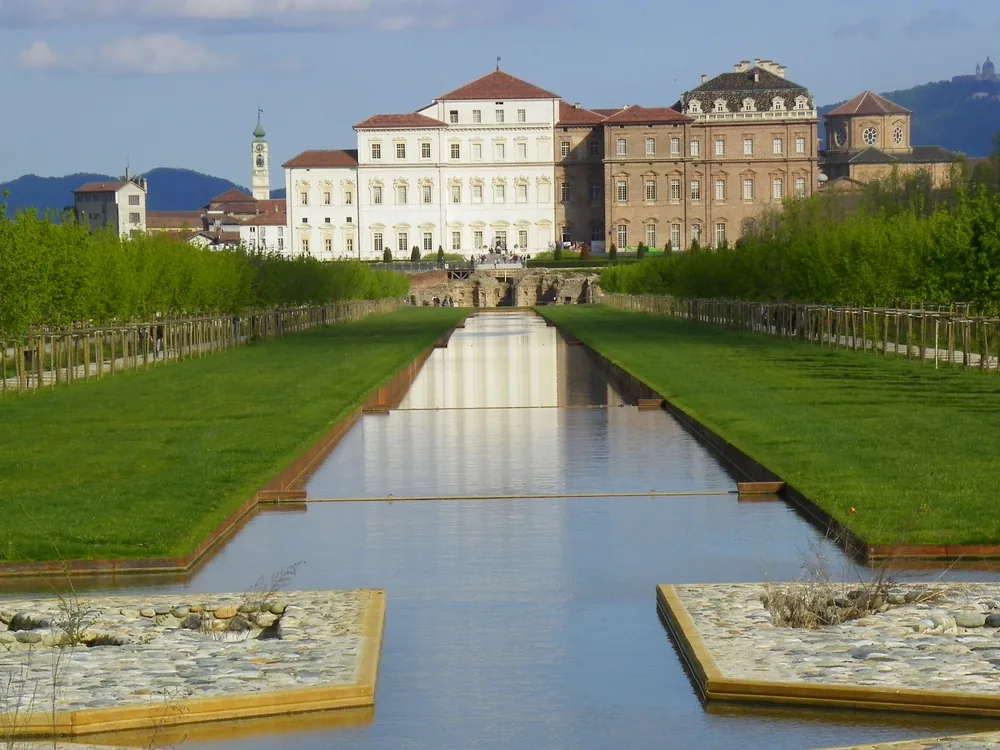
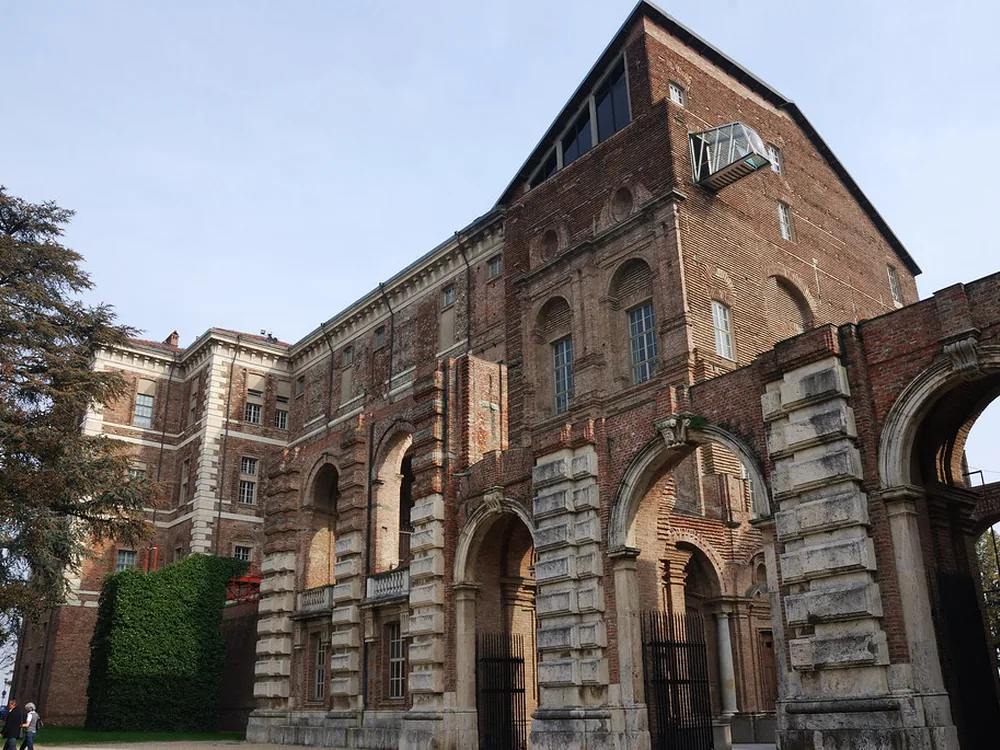
Combine with: [Reggia di Venaria](/castles/italy/reggia-di-venaria) (11 km north of Turin — Juvarra's other great Piedmontese palace, 80 hectares of formal Baroque garden). [Castello di Rivoli](/castles/italy/castello-di-rivoli) (13 km west of Turin — Savoy castle turned contemporary art museum). The Turin Royal Pass (t65698, €30, 4 days) and the Torino+Piemonte City Card (t17051, €53, 5 days) both include Stupinigi entry and cover multiple Savoy residences.
Frequently Asked Questions
Filippo Juvarra's star plan (four wings at 45-degree angles from a central oval hall) solved a practical problem: each wing pointed toward a different section of the Stupinigi hunting forest, orienting the apartments toward the area of the hunt each courtier's party would use. The central oval hall was the gathering point before and after the hunt. The design is unique among European royal residences — no other hunting lodge or palace has this arrangement. From the air, the building reads as a compass rose or a hunting-themed geometric abstraction.
Location
Piazza Principe Amedeo 7, 10042 Nichelino (Stupinigi) TO, Italy
Nearby Castles
Tours & Tickets
Powered by GetYourGuide
From
€14/ person