
Priamàr Fortress
Fortezza del Priamàr
Italy · Liguria / Savona Province · Near Savona
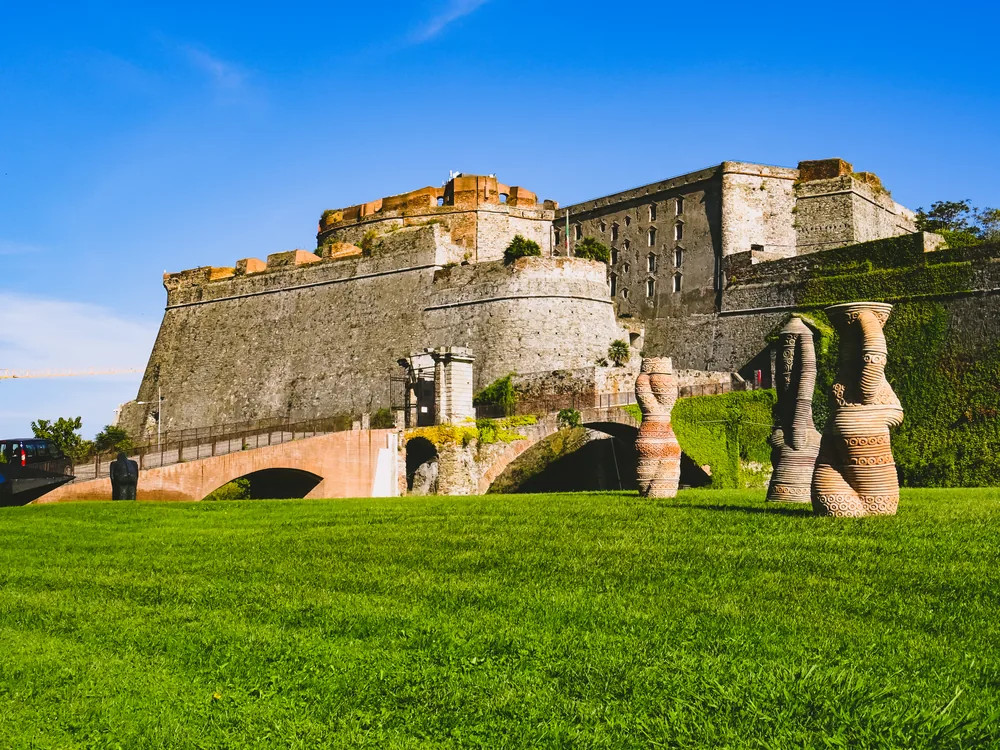
Built 1542 · 16th-century Genoese military fortress — the Priamàr was built by the Republic of Genoa starting in 1542 on the site of the demolished medieval city of Savona, as both a military fortress to control the Ligurian coast and a deliberate act of political punishment against the rival city; the construction followed the Italian trace italienne school of artillery fortification (low, thick-walled, angled bastions), designed by Genoese military engineers and expanded in the 17th century; the fortress complex covers the entire rocky headland jutting into the Ligurian Sea and now houses the Savona civic museum system
This page is part of an independent travel guide and is not affiliated with, endorsed by, or operated by Priamàr Fortress.
© Castles & Palaces
Quick Facts
- Hours
- Tue–Sun 10:00–13:00 and 15:00–18:00. Closed Mon
- Guided tour from
- €15
- Duration
- 1 hour (guided tour); 1.5–2 hours self-guided for the full museum circuit
- Best time
- April to October
- Booking
- Required — book 2+ days ahead
- Nearest city
- Savona
Featured Tour
Savona: Guided Tour of the Priamàr Fortress & Civic Museum
Cancellation available · Instant confirmation
Highlights
- ✦Built on the ruins of Savona's medieval city — the Priamàr Fortress is one of the few fortresses in Europe built as an act of deliberate urban destruction: the Republic of Genoa, which conquered Savona in 1528, demolished the entire medieval city of Savona on the rocky headland in 1542 to build the fortress in its place; the original Savona — cathedral, bishop's palace, municipal buildings — was physically erased; the new settlement (Savona nova) was built in the lower area; the fortress was simultaneously a military installation and a permanent reminder of Genoese conquest
- ✦The official Savona civic museum — the fortress now houses the Civica Museo di Palazzo dell'Episcopio (with works from the demolished original Savona), the Museo Storico Artistico del Tesoro della Cattedrale, and archaeology sections covering Ligurian prehistory and Roman Savona; the GetYourGuide guided tour covers the fortress's military architecture and the museum collections
- ✦Genoese artillery fortification — the Priamàr is a well-preserved example of 16th-century Italian trace italienne artillery fortification: low, thick-walled, with angled bastions designed to deflect cannon fire and provide artillery platforms; the fortress was designed by Genoese military engineers and expanded across the 16th and 17th centuries; the bastions, ravelins, and internal structures are largely intact
- ✦The prison section — the fortress served as a state prison for Genoese and later (under French and Piedmontese occupation) other political prisoners; the prison cells are accessible on the guided tour and include documentation of notable prisoners; one of the most historically significant prisoners was the Risorgimento martyr Giuseppe Mazzini, who was briefly held at the Priamàr in 1830–31 before his exile
- ✦Giuseppe Mazzini at the Priamàr — Mazzini (1805–1872), the Genoese political philosopher and revolutionary whose concept of republican Italian nationalism was the intellectual foundation of the Risorgimento, was arrested in 1830 and held briefly at the Priamàr before his sentence to exile; the prison where one of Italy's founding ideological figures was held is an important stop in any Risorgimento heritage itinerary
- ✦First Liguria / Savona entry on this site — the site has no previous Ligurian entries; the Priamàr opens the western Ligurian coast portfolio
Skip the queue with a guided tour
Skip-the-line tickets & expert guides
The Priamàr Fortress occupies the rocky headland that juts into the Ligurian Sea at the western edge of Savona's port — a strategic promontory that controlled both the harbour approaches and the coastal road between Nice and Genoa. It is a 16th-century Italian artillery fortress of considerable architectural interest, a civic museum of regional importance, and the site of one of the most deliberate acts of urban destruction in Renaissance Italian history: in 1542, the Republic of Genoa demolished the entire medieval city that had previously occupied the headland and replaced it with a military fortress.
Savona and Genoa were rival Ligurian cities of comparable antiquity and ambition. Savona had been a significant port city in the medieval period — seat of the della Rovere family (which produced two popes, Sixtus IV and Julius II) — and its commercial competition with Genoa was a recurring source of conflict. Genoa finally conquered Savona in 1528, imposing a treaty that restricted Savona's harbour and gave Genoese merchants preferential terms. Then, in 1542, the Genoese went further: they demolished the entire historic Savona that occupied the rocky headland (the cathedral, the bishop's palace, the civic buildings, the medieval street plan) and in its place built the Priamàr Fortress. The new fortress was not simply a military installation — it was a demonstration that the old Savona no longer existed. The original settlement was literally erased from the headland; the new Savona (Savona nova) was rebuilt in the lower area of the city, separated from the now-Genoese fortress above.
The fortress that replaced the medieval city followed the Italian trace italienne school of military engineering: low, thick-walled, with angled bastions at the corners designed to resist cannon fire and provide artillery platforms that covered all approaches. This was the dominant military engineering paradigm of the mid-16th century, developed by Italian architects in response to the destructive capacity of gunpowder artillery on the tall thin walls of medieval fortifications. The Priamàr is one of the larger examples of the type on the Ligurian coast, and its construction quality reflects the Republic of Genoa's substantial investment in the fortification of its newly secured Ligurian territory.
The fortress served multiple functions across its 400-year active life: military coastal defence, administrative centre of Genoese control over Savona, and state prison. The prison function is historically significant. Among the many political prisoners held at the Priamàr, the most important to Italian national history was Giuseppe Mazzini — the Genoese republican philosopher and revolutionary whose concept of Italian national unity (a democratic republic of citizens rather than a federation of Italian states) provided the intellectual framework for the Risorgimento. Mazzini was arrested in 1830 and held briefly at the Priamàr before his sentence to exile from the Piedmontese state; he spent the following decades in London and elsewhere, writing and organising the nationalist movement from abroad. His brief confinement at the Priamàr makes the fortress prison a site of direct Risorgimento historical contact.
Today the fortress complex houses the Savona civic museum system — collections covering Ligurian prehistoric archaeology, the Roman city of Vada Sabatia (Savona's ancient predecessor), medieval Ligurian ecclesiastical art, and the heritage of the original medieval Savona that was demolished in 1542. The GetYourGuide guided tour (1 hour) covers the fortress's military architecture (bastions, ravelins, the internal street plan), the museum collections, and the prison section with Mazzini documentation.
History
Medieval city of Savona demolished by the Republic of Genoa in 1542; Priamàr Fortress constructed in its place as a military installation and symbol of Genoese dominance. Fortress expanded in the 17th century with outer defensive works. Served as state prison under Genoese and subsequent (French, Piedmontese) occupation. Giuseppe Mazzini held briefly 1830–31 before exile. Incorporated into unified Italy 1861. Military use ended late 19th/early 20th century. Now houses the Savona civic museum system (Civici Musei di Savona). Open to the public as heritage and museum site.
How to Visit
Getting there: Priamàr Fortress is on the central Savona headland, a 5-minute walk from Savona railway station. Savona sits on the Genoa–Nice coastal rail line: ~45 minutes from Genoa Piazza Principe and ~2 hours from Nice. By car from Genoa: ~50 km on the A10 autostrada (~50 minutes); from Turin: ~100 km via the A6 (~1h15).
Tickets: Walk-up entry €5 adult, €3 child. The GetYourGuide guided tour covers the fortress military architecture, museum collections, and prison section including Mazzini documentation, in 1 hour; book at least 2 days ahead. Self-guided museum entry is available at the box office without advance booking.
Practical tips: April to October is the best season — the headland has panoramic Ligurian Sea views that reward clear weather. The museum is closed Mondays and open in split sessions Tuesday–Sunday (10:00–13:00 and 15:00–18:00); confirm extended summer hours at museosavona.it. Allow 1.5–2 hours for a complete self-guided museum circuit.
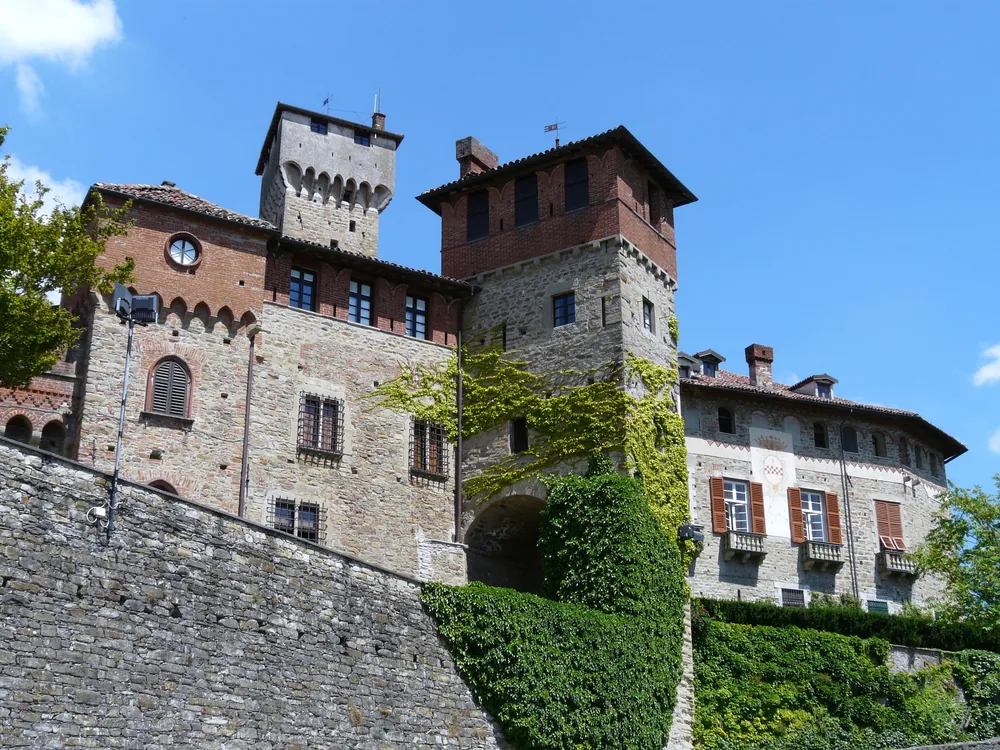
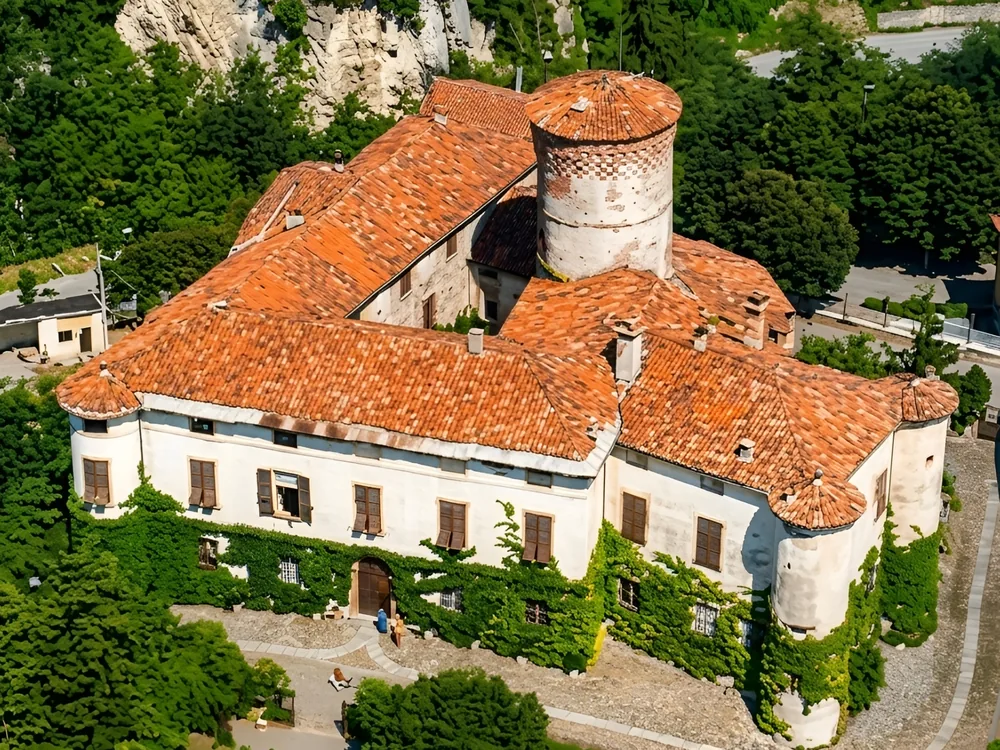
Combine with: Tagliolo Monferrato Castle is ~70 km north in the Piedmontese wine hills; Castello di Manta in the Cuneo valleys is a similar distance inland — both make logical additions to a northwest Italy circuit based on Savona or Genoa.
Frequently Asked Questions
The demolition of medieval Savona in 1542 was both militarily rational and politically symbolic. The rocky headland was the obvious position for a Ligurian coastal fortress — it commanded the harbour and the coastal road — and building there required clearing the existing city. But the Genoese chose to demolish rather than incorporate the existing structures: the cathedral, the episcopal palace, the civic buildings were all razed. This deliberate erasure was also a message: the old Savona — with its independent history, its della Rovere papal connections, its commercial rivalry with Genoa — was physically removed. The Priamàr Fortress was built not just for coastal defence but as a monument to Genoese conquest.
Location
Corso Mazzini, 1, 17100 Savona SV, Italy
Nearby Castles
Tours & Tickets
Powered by GetYourGuide
From
€15/ person