
Turaida Castle
Turaidas pils
Latvia · Vidzeme, Gauja National Park · Near Sigulda
Built 1214 · Livonian brick Gothic
This page is part of an independent travel guide and is not affiliated with, endorsed by, or operated by Turaida Castle.
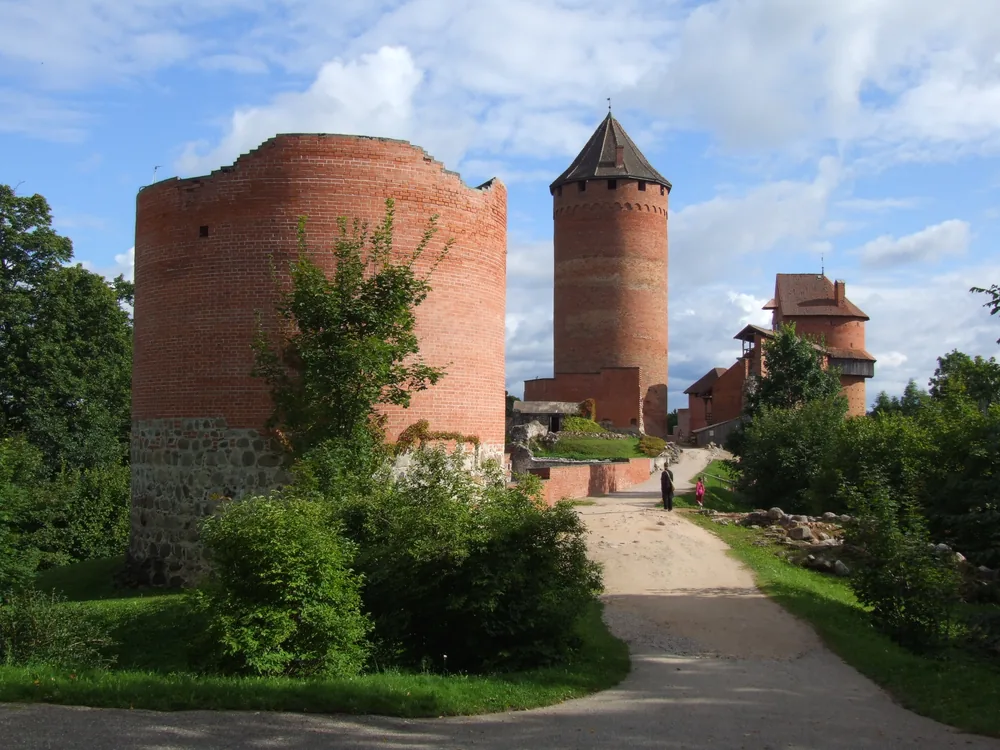
© Unsplash
Quick Facts
- Hours
- Daily 10:00–17:00
- Day trip from
- €99
- Duration
- 2 hours
- Best time
- May to October
- Nearest city
- Sigulda
Featured Tour
From Riga: Sigulda & Turaida Day Tour, Castles & Nature
Cancellation available · Instant confirmation
Highlights
- ✦Latvia's most recognisable castle and a national symbol
- ✦Restored round tower with panoramic views over the Gauja valley
- ✦Open-air Turaida Museum Reserve covering castle, estate, and folk sculpture garden
- ✦Grave of the Rose of Turaida — Latvia's most famous romantic legend
- ✦Beautiful forest setting within Gauja National Park
Tickets & tours
Book through GetYourGuide
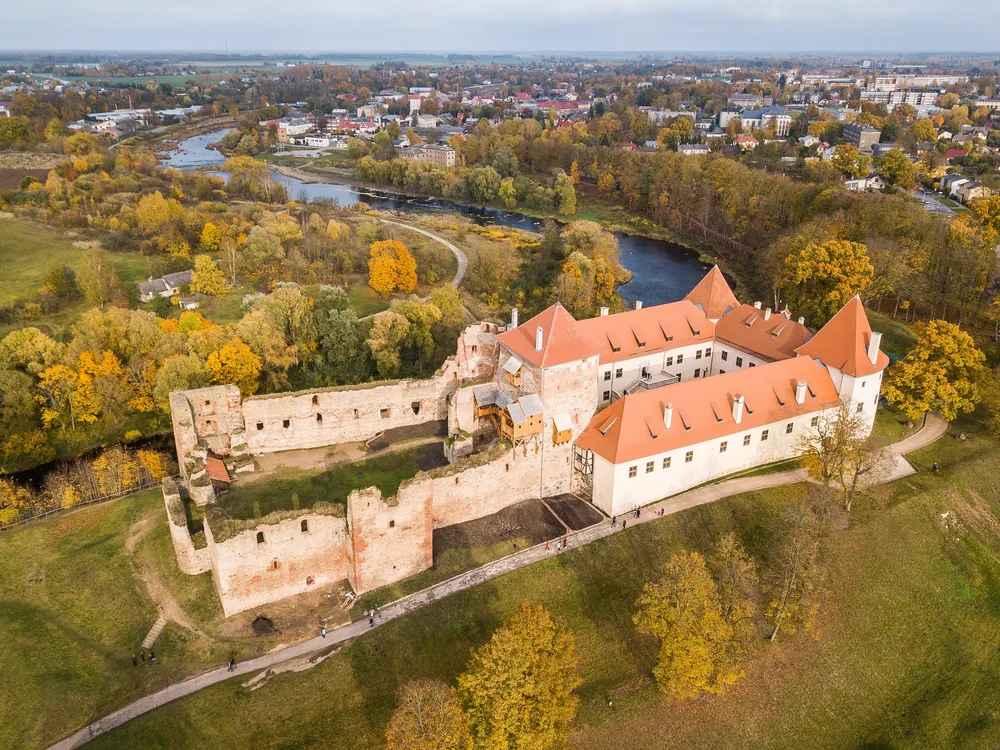
Turaida Castle is Latvia's most recognisable medieval monument — a striking ensemble of red-brick towers rising from a forested cliff above the Gauja River gorge, enclosed within the protected landscape of Gauja National Park. Built by the Archbishop of Riga from 1214 on the site of a Livonian hill fort, the castle served as an ecclesiastical administrative centre for three centuries. Today it forms the centrepiece of the Turaida Museum Reserve, an extensive open-air complex covering the castle ruins and restored towers, a 19th-century estate, a folk sculpture garden, and the grave of the 'Rose of Turaida' — Maija, a young woman of local legend who died in 1620 rather than betray her betrothed, becoming Latvia's most celebrated romantic heroine. The main tower, fully restored, offers exceptional views over the river gorge and forests.
History
Archbishop Albert of Riga began building Turaida Castle in 1214 on the site of the Liv tribal fort of Turaida — a deliberately symbolic choice, placing the Archbishop's administrative centre on the same ridge the indigenous Livonian Livs had used for their own fortification. The castle served as the administrative headquarters of the Archbishop's Latvian territories for over three centuries, controlling the Gauja River valley and the approaches to Riga from the east.
Lightning struck and fire badly damaged the castle in 1776, and the damaged structure was abandoned rather than rebuilt — a decision that left the complex to deteriorate into the state of partial ruin that archaeological excavation would later reveal. Soviet-era archaeological work began uncovering and stabilising the site, with major restoration works in the 1970s and 1980s recovering the main tower and the castle's principal surviving fabric. The distinctive red-brick tower, now the dominant visual element of the site, was substantially restored in this period.
The surrounding estate and grounds were developed into the Turaida Museum Reserve in the 1980s and 1990s, incorporating the castle ruins, the surrounding landscape, and the associated folklore of the Gauja valley — including the legend of the Rose of Turaida, whose grave in the castle grounds has become a site of particular local significance.
How to Visit
Getting there: Turaida is in Sigulda, 50 km from Riga — trains run hourly from Riga Central Station (1 hour). From Sigulda station, walk 4 km through the Gauja valley gorge to the castle (passing Gutmanis Cave, the largest cave in the Baltic states), or take a taxi (10 minutes).
Tickets: €7 adult / €3 child, covering the castle, museum reserve, folk sculpture garden, and grounds. The GetYourGuide Sigulda & Turaida Day Tour from Riga covers both Sigulda Castle and Turaida on a 6-hour guided circuit with transport included.
Practical tips: Allow 2 hours minimum — the Turaida Museum Reserve is extensive, covering the restored tower, a 19th-century estate, and the folk sculpture garden across forested grounds. Climb the main tower for the panoramic view over the Gauja gorge. The grave of the Rose of Turaida (Maija, 1620) in the castle grounds is the site's most emotionally resonant spot and easy to locate on the estate path.
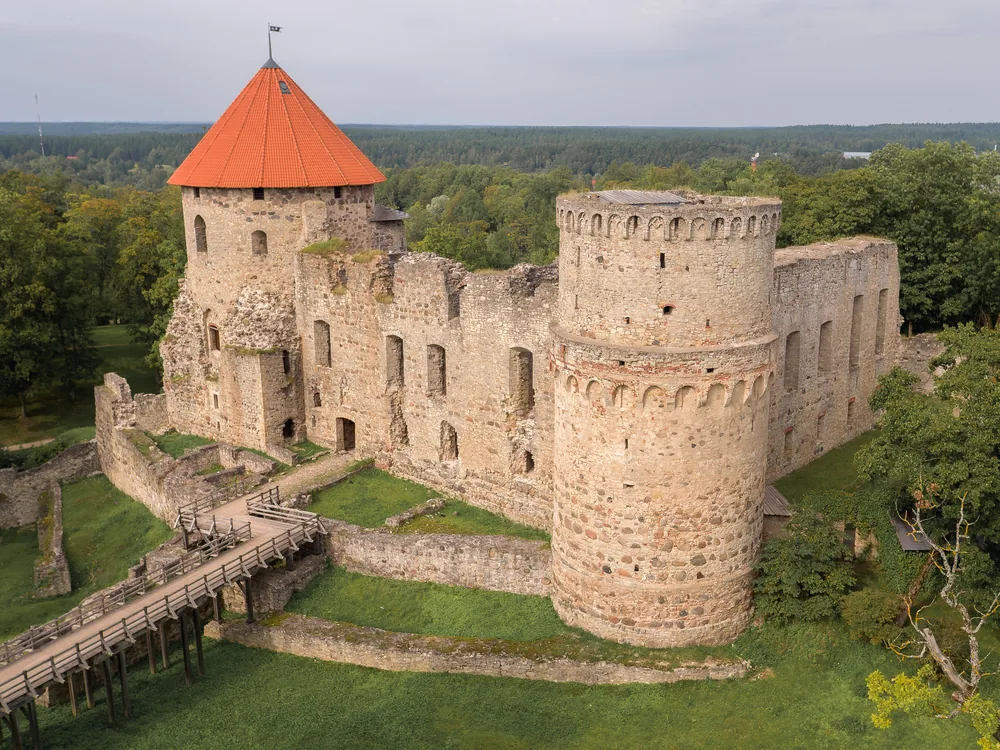
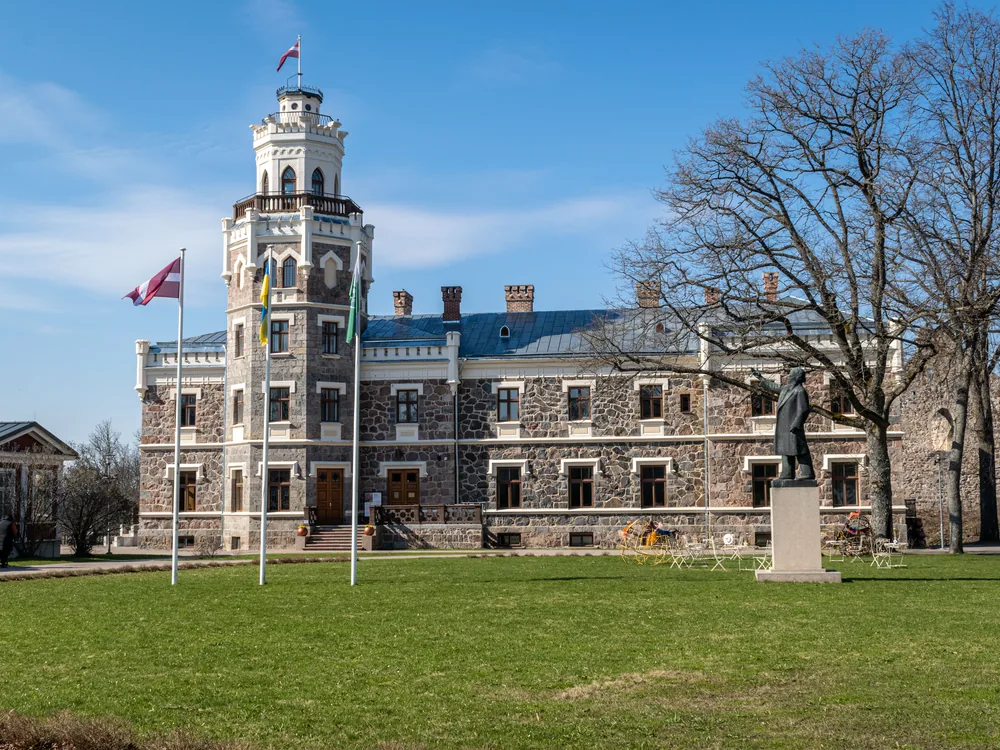
Combine with: Sigulda Castle, across the gorge, is the natural pairing — the two castles were built by different medieval powers (Archbishop of Riga vs. Livonian Order) and represent the political contest for the Gauja valley. Cēsis Castle, 30 km north, extends the Livonian castle circuit for a full day in the Gauja Valley.
Frequently Asked Questions
Maija, an orphan raised at Turaida Castle, became the subject of Latvia's most famous romantic legend after her death in 1620. Her grave in the castle grounds is visited as a monument to fidelity.
Location
Turaidas iela 10, Sigulda, LV-2150, Latvia
Nearby Castles
Tours & Tickets
Powered by GetYourGuide
From
€99/ person