Žabljak Crnojevića
Žabljak Crnojevića
Montenegro · Rijeka Crnojevića, Cetinje Municipality, Montenegro · Near Podgorica
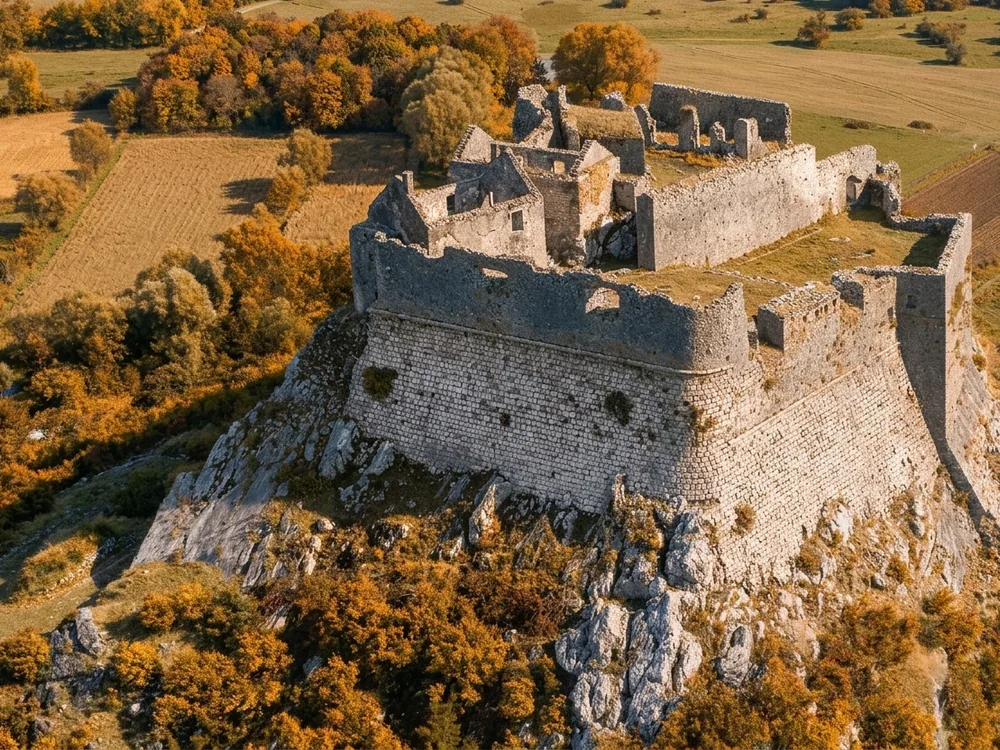
Built 1440 · Ruined late-medieval Montenegrin hilltop fortress; stone curtain walls up to 15m surviving in parts with six towers; built on a natural limestone promontory above the confluence of the Crnojevića River and Lake Skadar; no formal conservation or visitor infrastructure — free and open access ruin
This page is part of an independent travel guide and is not affiliated with, endorsed by, or operated by Žabljak Crnojevića.
© Castles & Palaces
Quick Facts
- Hours
- Mon–Sun Open site (no formal hours)
- Guided tour from
- €99
- Duration
- 30–45 minutes at the ruin; half-day as part of the GetYourGuide full-day programme
- Best time
- April to October
- Nearest city
- Podgorica
Featured Tour
Podgorica Historic, Safari and Winery Tour - Skadar Lake
Cancellation available · Instant confirmation
Highlights
- ✦The oldest capital in Montenegro — Žabljak Crnojevića served as the seat of the Crnojević ruling dynasty from the mid-15th century, governing the Zeta region from this hillfort above the Crnojevića River before the Ottoman advance forced the capital to Cetinje in 1478
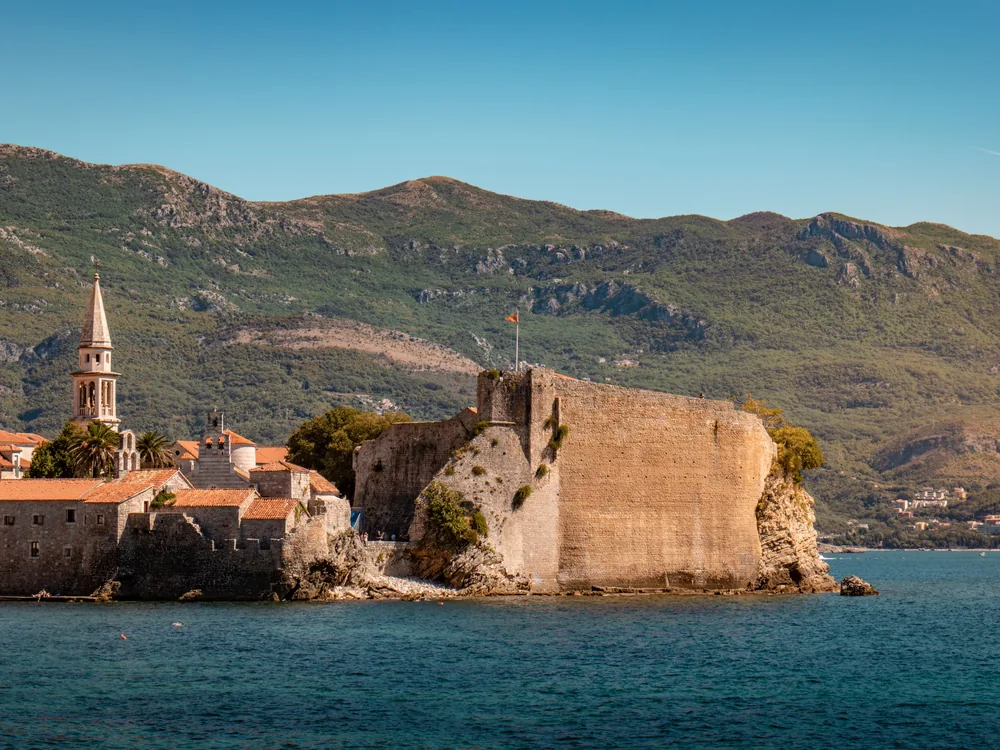
- ✦Walls up to 15 metres high surviving on a limestone promontory — the ruined curtain walls and six tower bases rise directly from the rock, and the dramatic position above the lake and river confluence shows immediately why this hilltop was chosen as a defensible seat of power
- ✦Completely free and unguarded — Žabljak Crnojevića has no ticket booth, no entrance fee, and no visitor infrastructure; access is unrestricted at all hours, which makes it an unusual find in an era when most comparable medieval sites in the Balkans have formalised admission
- ✦Lake Skadar panoramas from the fortress walls — the surviving wall-tops give unobstructed views over Skadar Lake, the largest lake in the Balkans and one of Europe's most important wetland bird sanctuaries; the confluence of the Crnojevića River below the fortress is the classic view
- ✦The GetYourGuide full-day private tour from Podgorica combines the fortress stop with the Bishevina wild-horse savanna, Besac Fortress, and a wine and food tasting at Mrkan winery — the most complete one-day circuit of the Lake Skadar hinterland
Skip the queue with a guided tour
Skip-the-line tickets & expert guides
Žabljak Crnojevića sits on a limestone spur above the point where the Crnojevića River enters Lake Skadar — a position chosen by the Crnojević ruling family in the mid-15th century for reasons that are immediately legible from the hilltop: the river canyon is defensible, the lake provides a visual moat on three sides, and the surrounding marshland and savanna make approach difficult for any force without detailed local knowledge.
The Crnojević dynasty governed the medieval Zeta (the predecessor state to Montenegro) from this fortress from approximately the 1440s. They were the ruling family of one of the most stubbornly independent territories in the western Balkans during the period of Ottoman expansion — a region where geography consistently frustrated conquest. Ivan Crnojević, the dynasty's most significant figure, built the first printing press in the South Slavic world here in the 1490s, producing the earliest surviving printed book in the Cyrillic script (the Oktoih) — a cultural achievement that made this hilltop fortress simultaneously a military stronghold and an unlikely centre of early Balkan printing technology. When Ottoman pressure finally made the fortress untenable, Ivan relocated the capital to Cetinje, in the more defensible highland interior. The fortress was progressively abandoned through the 16th and 17th centuries and has stood in ruin since.
What makes Žabljak Crnojevića unusual among sites of this historical significance is the complete absence of formal visitor infrastructure. There is no ticket booth, no entrance fee, no warden, and no path system — visitors walk in freely across the hillside. The walls survive to up to 15 metres in places, and six tower bases can be identified around the circuit, but much of the interior is open rubble. The view from the highest surviving section of wall, over the Crnojevića River confluence and the lake beyond, is the reward for the scramble up.
The GetYourGuide full-day private tour from Podgorica combines the fortress stop with several other sites in the Lake Skadar hinterland: the Bishevina savanna and its resident wild horses, a coffee stop at Besac Fortress (a smaller Venetian-era fortress at lake level), viewpoints over the Crnojevića River canyon, and a wine and food tasting at the Mrkan winery. The €99/person price covers the full day — not a castle ticket (there is none), but a comprehensive guided circuit through one of Montenegro's least-visited and most scenically varied hinterlands.
History
The Crnojević family emerged as the dominant ruling family of Zeta — the medieval Montenegrin principality — in the mid-15th century. Žabljak Crnojevića became the administrative and military seat of this dynasty, and the fortress was developed through the reigns of Đurađ Crnojević and his son Ivan Crnojević during the second half of the century. Ivan Crnojević's cultural legacy extended beyond military resistance: he established the first printing press using the Cyrillic script in the South Slavic world at Žabljak Crnojevića in 1493–1494, where the Oktoih, the earliest surviving printed book in the Cyrillic script, was produced. Ottoman military pressure ultimately made the Crnojevića River position indefensible, and Ivan relocated the capital to Cetinje in the highland interior in 1478. The fortress continued to be used intermittently through the 16th century before being abandoned definitively in the 17th century, as the new Ottoman administrative boundaries made the site redundant. It has not been formally excavated or conserved.
How to Visit
Getting there: Žabljak Crnojevića is approximately 25 km west of Podgorica, reached by road through Rijeka Crnojevića village. By car from Podgorica, the drive takes 40–50 minutes on the road along the Crnojevića River canyon — the canyon drive itself is one of the more scenic approaches in Montenegro. The GetYourGuide full-day private tour from Podgorica provides a private vehicle throughout and handles navigation to all stops.
Tickets: There is no entrance fee, no ticket booth, and no formal entry system at Žabljak Crnojevića — the ruin is freely and openly accessible at any hour. The GetYourGuide full-day private tour from Podgorica covers the fortress stop as part of a 7-hour programme also covering the Bishevina savanna, Besac Fortress, Crnojevića River viewpoints, and a wine and food tasting at Mrkan winery. The price includes an air-conditioned private vehicle, professional guide, bottled water and snacks, and the winery tasting. Lunch is the only excluded item.
Practical tips: The uphill approach to the ruins takes 15–20 minutes from the nearest vehicle access point. Wear sturdy shoes — the terrain is uneven rubble and there is no formal path. The best views over the lake are from the surviving sections of the highest wall. Visiting in late afternoon gives the most flattering light over the lake; morning visits avoid summer heat on the exposed hillside. The Crnojevića River canyon road back toward Podgorica is worth driving slowly — the canyon walls are dramatic.
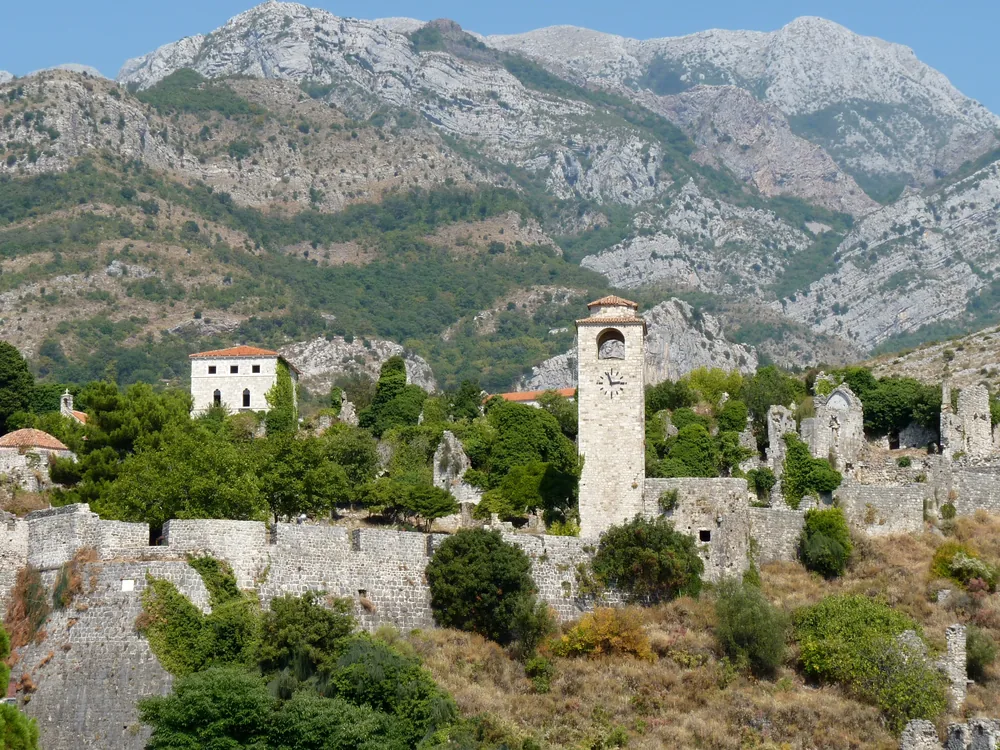
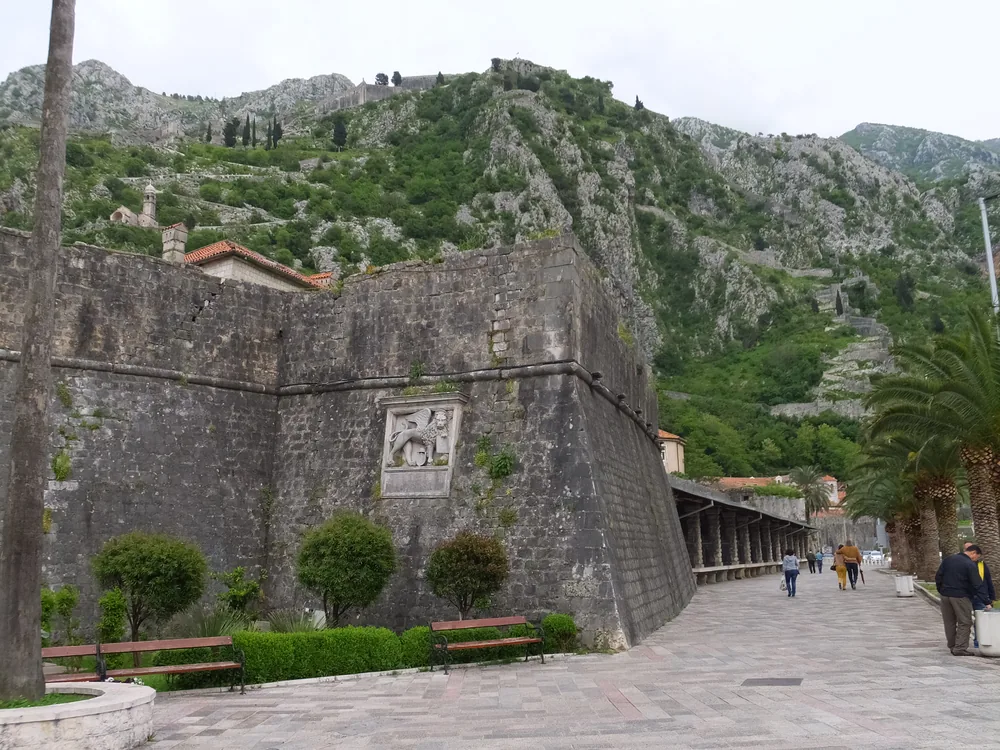
Combine with: Stari Bar (~120 km southwest — another abandoned medieval Montenegrin city, the largest ruined urban complex in the western Balkans, set above the Bar coastal plain) and Kotor City Walls (~85 km southwest — the UNESCO-listed Venetian city walls of Kotor, with the 4.5 km wall climb to St. John's Fortress above the Bay of Kotor).
Frequently Asked Questions
Žabljak Crnojevića served as the seat of the Crnojević dynasty — the ruling family of the medieval Zeta principality, which was the predecessor state to Montenegro — from the mid-15th century. The dynasty governed from this hilltop fortress above the Crnojevića River, making it the de facto political capital of the region during their rule. When Ivan Crnojević relocated to Cetinje in the highland interior in 1478 under Ottoman pressure, Cetinje became the new capital. Žabljak Crnojevića is therefore the earliest documented seat of the ruling authority that eventually became the Montenegrin state, and is recognised as Montenegro's original capital in that historical sequence.
Location
Žabljak Crnojevića, Rijeka Crnojevića, Montenegro
Nearby Castles
Tours & Tickets
Powered by GetYourGuide
From
€99/ person