
Prejmer Fortified Church
Biserica Evanghelică Fortificată Prejmer (German: Tartlau)
Romania · Brașov County, Transylvania · Near Brașov
Built 1213 · Gothic hall church begun by the Teutonic Knights (1211–1225); fortified by the Saxon community with a massive circular defensive wall (~12m high, 4.5m thick) containing 272 storage rooms across four galleries; the tallest and most massive fortification wall of any Saxon church in Transylvania
This page is part of an independent travel guide and is not affiliated with, endorsed by, or operated by Prejmer Fortified Church.
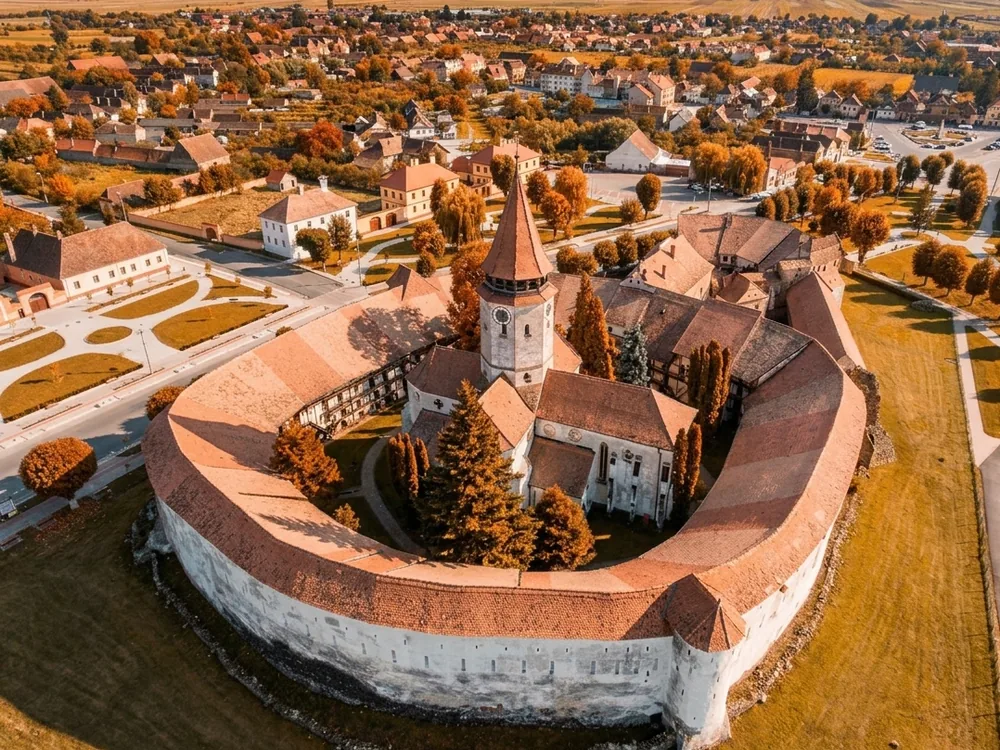
© Castles & Palaces
Quick Facts
- Hours
- Mon–Sat 09:00–17:00. Sun 12:00–17:00
- Guided tour from
- €65
- Duration
- 1–1.5 hours
- Best time
- April to October
- Nearest city
- Brașov
Featured Tour
Private from Brașov: UNESCO & Teutonic Fortresses Tour
Cancellation available · Instant confirmation
Highlights
- ✦UNESCO World Heritage Site — the largest fortified church in southeastern Europe by the scale of its defensive wall: a circular ring nearly 12 metres high and 4.5 metres thick with 272 individual storage rooms on four gallery levels
- ✦Teutonic Knights origins — the church was begun in 1211 by the Teutonic Order during their 14-year presence in the Burzenland (Brașov County), before they were expelled by the Hungarian king; the Gothic structure they began was then fortified by the Saxon community over the following centuries
- ✦The 272 storage rooms — individual vaulted chambers within the defensive wall where families stored food, valuables, and sleeping quarters for use during sieges; the room numbers correspond to the village households, each family having its own assigned shelter
- ✦Cathedral-like acoustics — the fortified circular inner courtyard is noted for exceptional reverberation; sound from the courtyard carries clearly around the entire circuit of the wall
- ✦14 km from Brașov — one of the most accessible UNESCO fortified churches; paired with Hărman Fortified Church in the GetYourGuide private half-day tour from Brașov
Skip the queue with a guided tour
Skip-the-line tickets & expert guides
Prejmer is the starting point for understanding what Saxon fortified churches were actually for. The defensive wall that encircles the Gothic church here is not decorative: it is a 12-metre-high, 4.5-metre-thick circular ring of masonry, containing 272 individual vaulted rooms across four gallery levels where the village's entire population could shelter during raids. Each room was assigned to a specific household — the family's number was painted on the door — and stocked with food, water, bedding, and whatever valuables needed protection. The community could close the single gate and hold out for extended periods. The Ottoman and Tatar raids that swept through Transylvania between the 14th and 17th centuries made this kind of fortification genuinely necessary: records show Prejmer was attacked and partially damaged multiple times.
The church inside the defensive ring was begun by an unlikely builder: the Teutonic Knights, a crusading military order that held the Burzenland (Brașov County) frontier region from 1211 to 1225 before being expelled by the Hungarian king who had invited them. They were brought in to defend the southeastern border of the Kingdom of Hungary against the Cumans — a nomadic steppe people — and their 14-year presence left a Gothic church whose structural type reflects the Order's building traditions from the Holy Land and Central Europe. The Saxon community that followed completed and repeatedly expanded and fortified what the Teutonic Knights began.
The inner courtyard of Prejmer is one of the most atmospheric spaces in any of the fortified churches — a circular arena of wooden-galleried walls rising on all sides, with the Gothic church at the centre and the 272 numbered doors visible in their four tiers around the perimeter. The courtyard is noted for exceptional acoustics: sound in the open space carries with unusual clarity around the full circuit of the wall, a quality remarked on by every visitor who claps or speaks aloud from the centre.
Prejmer is paired with Hărman (Honigberg) Fortified Church in the GetYourGuide private half-day tour from Brașov (max 6 guests). Note that the entrance fee to Prejmer's fortified church is paid separately on-site and is not included in the tour price.
History
The Teutonic Knights arrived in the Burzenland in 1211, invited by the Hungarian king Andrew II to defend his southeastern frontier and convert the Cumans. They began constructing a Gothic church at Tartlau (Prejmer) using the architectural vocabulary of the Order's building tradition. In 1225 they were expelled for overreaching their mandate — attempting to establish an independent state — and the Burzenland was settled by Saxon colonists. The Saxon community inherited the Teutonic Knights' unfinished church and completed it as a Gothic hall structure, then fortified it progressively through the 14th–16th centuries as Ottoman raids intensified. The circular defensive wall with its 272 shelter rooms was expanded to its current dimensions in the 15th century. The fortification was put to use repeatedly: documented attacks include raids in 1421, 1432, 1438, and 1600. The Saxon population of Prejmer emigrated largely to West Germany after 1989; the Lutheran church maintains the site. UNESCO inscribed Prejmer as part of the 'Villages with Fortified Churches in Transylvania' heritage group.
How to Visit
Getting there: Prejmer is 14 km northeast of Brașov, on the road toward Sfântu Gheorghe (DN10). Regular buses run from Brașov bus station to Prejmer (approximately 30 minutes). By car from Brașov, follow the DN10 northeast; the fortified church is signposted in the village centre. The GetYourGuide private half-day tour from Brașov covers Prejmer, Hărman, and Feldioara Citadel in 4.5 hours.
Tickets: Entry to the fortified church is paid on-site (approximately €5 per adult, €2 per child) and is NOT included in the tour price (€65/person). The tour notes explicitly state: 'Entrance fees to the three fortresses (approximately €7-10 per person total) are paid on-site in cash or card.' Bring cash for the church entries at all three stops on the tour. The tour itself covers private guide and transport only.
Practical tips: The numbered shelter rooms within the defensive wall are accessible — you can walk into individual family rooms and see the vaulted interiors. Stand in the centre of the inner courtyard and speak or clap to experience the notable acoustics. The custodian on-site provides context on the room numbering system and the history of siege use. Combine with Hărman (10 km away) if you have your own car, or use the tour for both.
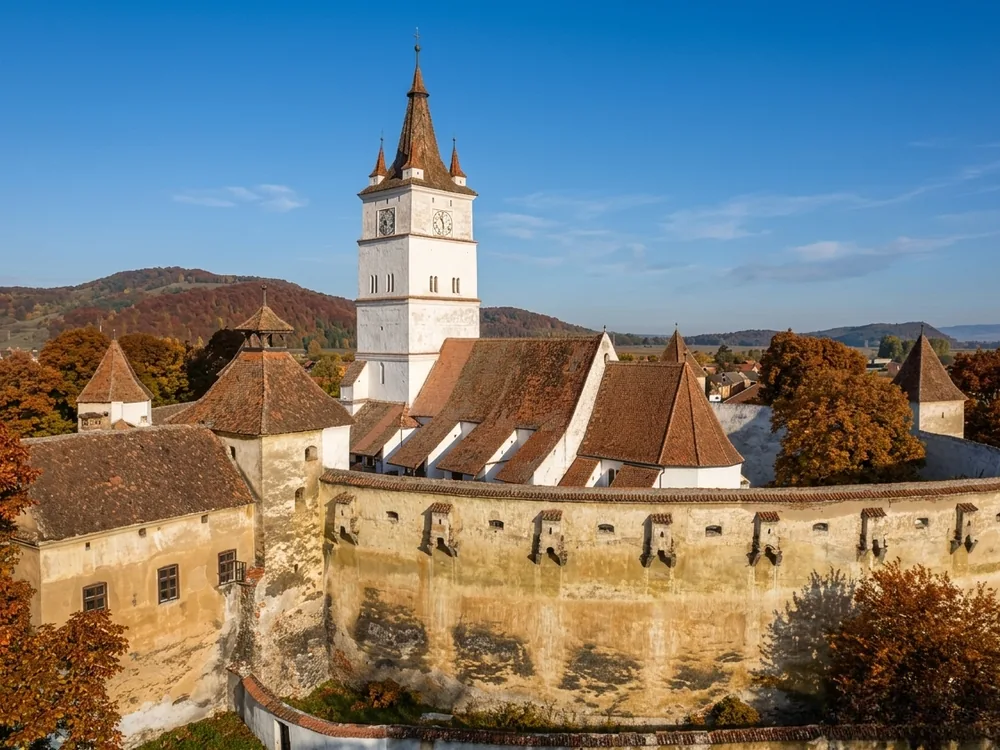
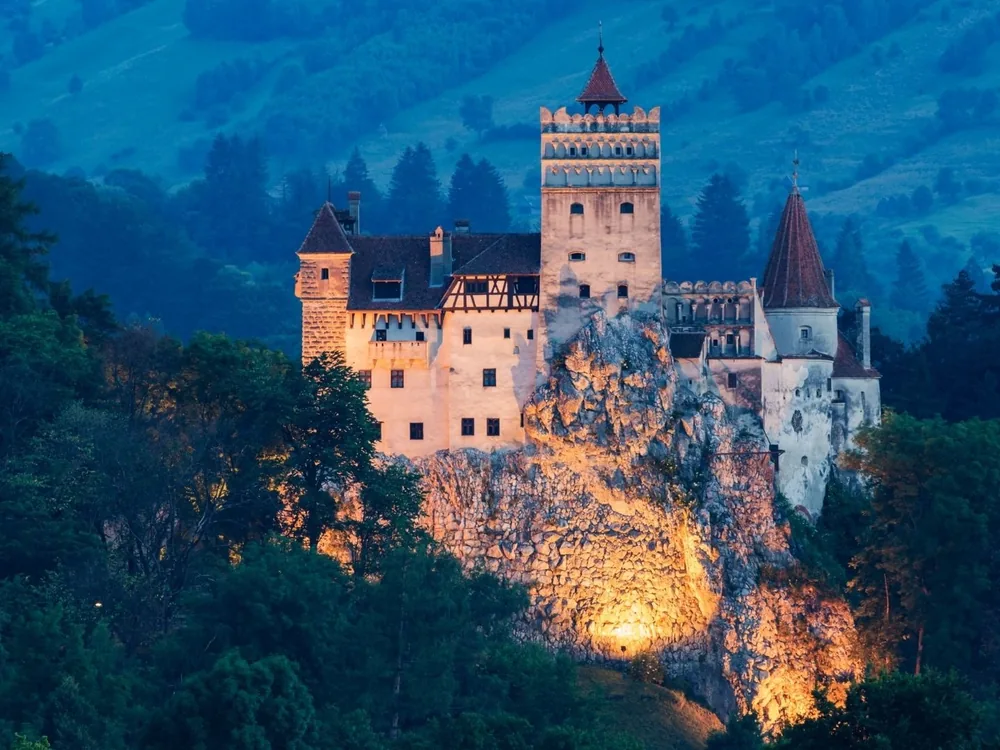
Combine with: Hărman Fortified Church (~10 km southwest — a Saxon fortified church with a distinctive seven-story tower and rare 15th-century frescoes; covered by the same tour ) and Bran Castle (~30 km southwest — the Gothic clifftop castle associated with the Dracula legend, the most-visited castle in Romania).
Frequently Asked Questions
The 272 vaulted rooms built into Prejmer's circular defensive wall were individual family shelters — each assigned to one household from the village, numbered on the door to match a register. During sieges or raids, the entire village population would retreat inside the fortified perimeter, closing the single gate. Each family stored food, water, bedding, and valuables in their room for extended stays. The rooms are arranged on four gallery levels, accessed by wooden staircases. Yes, the rooms are open to visitors and you can walk inside the individual vaulted chambers — a remarkable experience that makes the fortification's purpose concrete in a way that no description fully conveys.
Location
Str. Bisericii nr. 2, 505300 Prejmer, Brașov County, Romania
Nearby Castles
Tours & Tickets
Powered by GetYourGuide
From
€65/ person