
Bran Castle
Castelul Bran
Romania · Transylvania · Near Brașov
Built 1388 · Gothic fortress
This page is part of an independent travel guide and is not affiliated with, endorsed by, or operated by Bran Castle.
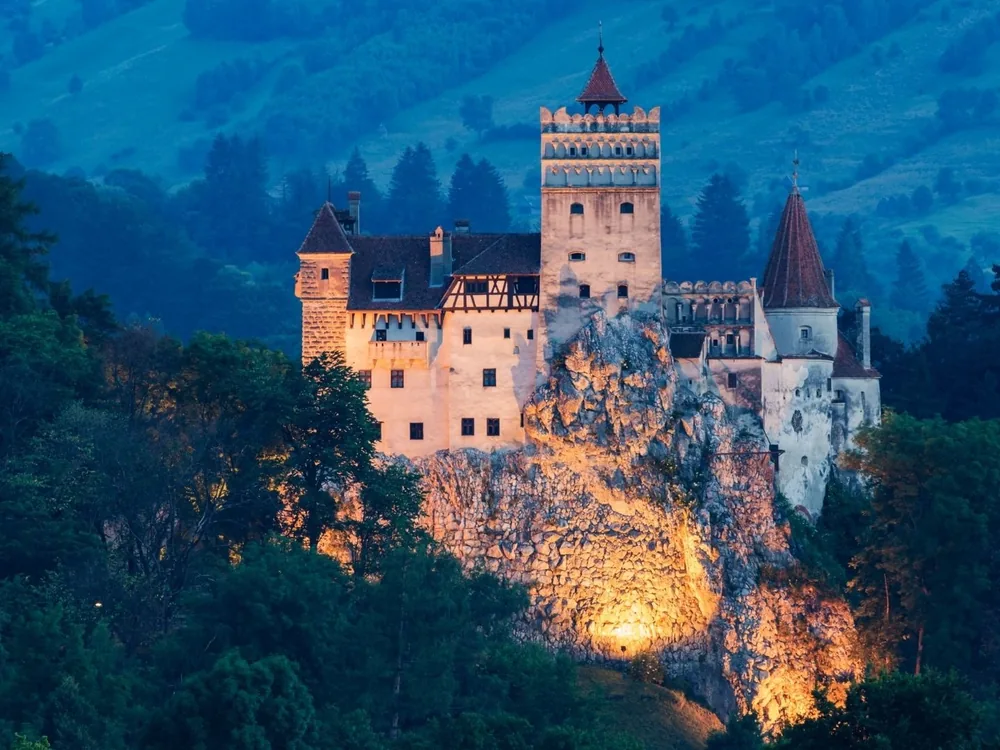
© Unsplash
Quick Facts
- Hours
- Mon 12:00–18:00. Tue–Sun 09:00–18:00
- Entry via GetYourGuide
- €34
- Duration
- 1.5–2 hours
- Best time
- September to October for the autumn colours in the Carpathians and pre-Halloween atmosphere
- Nearest city
- Brașov
Featured Tour
Bran Castle (Dracula's Castle) Entry Ticket with Audio Guide
Cancellation available · Instant confirmation
Highlights
- ✦The most dramatic Gothic castle in Eastern Europe, perched on a 60-metre rock above a mountain pass
- ✦Inspired Bram Stoker's description of Dracula's castle — though Stoker never visited Romania
- ✦Queen Marie of Romania's beloved residence — her heart is buried here by royal request
- ✦Secret passages, hidden staircases and a well shaft that descends to underground tunnels
- ✦Spectacular Carpathian mountain scenery visible from every tower window
Tickets & tours
Book through GetYourGuide
Bran Castle is one of the world's great examples of a building hijacked by a story it had almost nothing to do with. The connection to Dracula is real but indirect: Bram Stoker researched his 1897 novel using library books and never visited Romania. His fictional count's castle description matches Bran's profile closely enough that Romanians adopted it — and built an entire tourism industry around the association.
The truth is that the real Vlad the Impaler, the 15th-century Wallachian prince who partly inspired Stoker's character, may have been briefly imprisoned at Bran in 1462 but never lived there. Yet the association has given Bran a global recognition that its genuine history — which is actually more interesting — doesn't command on its own.
The castle itself is spectacular on purely architectural terms. Built on a 60-metre limestone rock at the Bran Pass between Transylvania and Wallachia in 1388, it functions as a series of levels connected by narrow staircases, wooden galleries, hidden passages and a shaft through the rock that descends to an underground well. The rooms are furnished with Central European antiques from the 14th to 19th centuries, giving the interior a genuine period atmosphere rather than a horror-movie set.
The castle's most poignant resident was not a fictional vampire but a real queen. Queen Marie of Romania, granddaughter of Queen Victoria, fell in love with Bran in 1920 and restored it as her summer residence. A gifted writer and formidable diplomat who helped secure Romania's post-WWI borders at the Paris Peace Conference, Marie requested that her heart be buried at Bran after her death in 1938. The golden casket containing it is displayed in the chapel — an affecting counterpoint to the Dracula legend that surrounds everything else.
History
The Bran Pass between Transylvania and Wallachia has been a strategic crossing point for as long as the Carpathians have had people on both sides. The Teutonic Knights built an early wooden fortification here in the 13th century, but the stone castle was commissioned by the city of Brașov in 1377 and completed by 1388, built to control trade on the Brașov–Câmpulung road and to defend the mountain pass against Ottoman incursions from the south.
For the first two centuries of its existence, Bran was primarily a customs post and defensive stronghold. The Wallachian princes used it intermittently; Hungarian kings garrisoned it. Vlad III — 'Vlad the Impaler', ruler of Wallachia and the partial inspiration for Stoker's Dracula — is documented as having crossed the Bran Pass with his armies, and may have been briefly held as a prisoner at the castle in 1462 when Matthias Corvinus of Hungary had him arrested. The connection ends there.
Bran passed to the Habsburg Empire in 1836 and fell into disrepair. In 1920, following Romania's enormous territorial gains after the First World War, the city of Brașov donated the castle to the newly-crowned Queen Marie as thanks for her role in securing Romania's borders at the Paris Peace Conference. Marie, who was an extraordinary figure — grande-dame of the Paris Conference, war nurse, writer, passionate Anglophile with an equally passionate love for Romania — undertook extensive renovations and used Bran as her main summer residence.
Marie died in 1938, and the castle passed to her daughter Princess Ileana. In 1947, the communist government confiscated it. After the fall of communism, a decades-long restitution dispute was resolved in 2006 when the castle was returned to Ileana's son, Dominic von Habsburg. His family owns it today and reopened it as a museum.
How to Visit
Getting there: Brașov is the main base, 30km away by road. Regular buses (Autogara 2 Brașov) run to Bran village every 30–60 minutes, taking 45 minutes (€2). Taxis from Brașov take 30 minutes and cost approximately €15–20. By train: Brașov is well connected to Bucharest (2.5 hours), Sinaia (45 min) and Cluj-Napoca (2.5 hours).
The approach: The castle is visible from the village as you arrive — a grey stone fortress on a red rock, with towers at different heights connected by wooden galleries. The ticket office is at the base. The museum is self-guided; start at ground level and work upward through the interconnected rooms, staircases and galleries.
What to see beyond Dracula: The basement tunnel and well, the secret passage between levels hidden in a wardrobe, and Queen Marie's personal rooms on the upper floor — furnished with her own objects including her writing desk and the golden casket containing her heart — are the highlights that most Dracula-focused tour groups miss.
Tickets: Walk-up entry €14 adult, €7 child. The GetYourGuide tour — Bran Castle (Dracula's Castle) Entry Ticket with Audio Guide — offers a guided visit; book in advance.
Practical tips: September to October for the autumn colours in the Carpathians and pre-Halloween atmosphere.
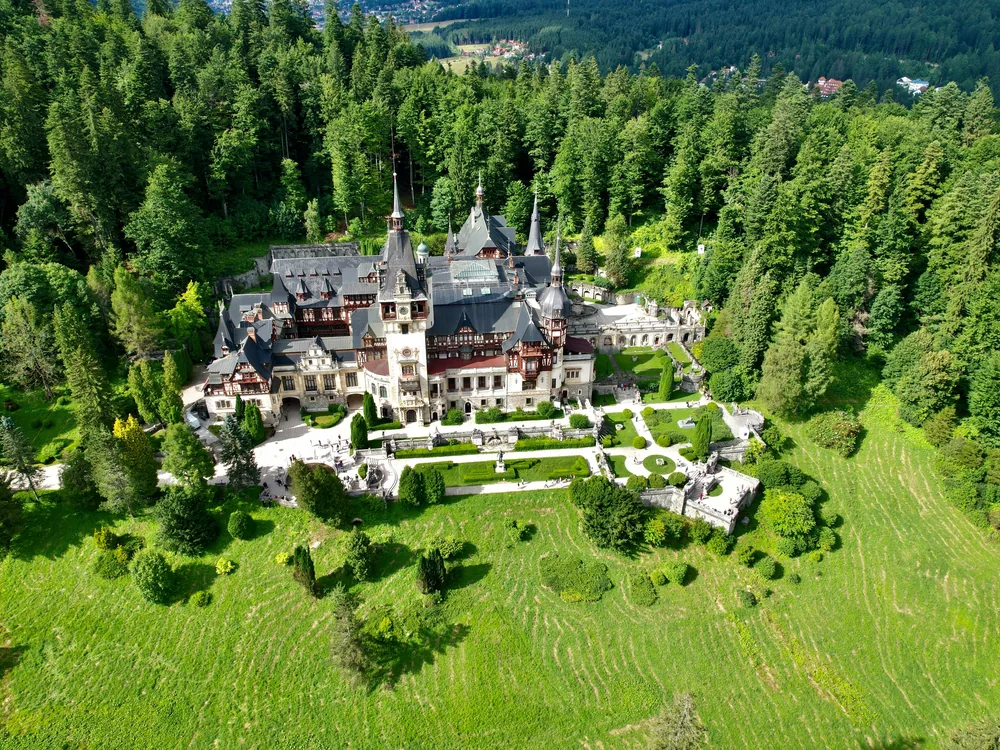
Combine with: Peleș Castle (described elsewhere on this site), 35km south in Sinaia, is Romania's most extraordinary palace and an easy half-day pairing with Bran. The town of Brașov itself has one of the best-preserved medieval old towns in Eastern Europe, with the Black Church (largest Gothic church in Eastern Europe), well-preserved city walls and a lively café scene. Together, Bran + Brașov + Peleș makes an excellent 2-night base.
Frequently Asked Questions
The connection is based on resemblance, not fact. Bram Stoker researched his 1897 novel from library books in London and Whitby and never visited Romania. His description of the fictional count's castle resembles Bran closely enough — a castle on a rocky crag at a mountain pass in Transylvania — that the association was adopted by Romanian tourism. The real Vlad the Impaler (partial inspiration for Dracula's name and some characteristics) may have passed through or been briefly imprisoned at Bran in 1462, but never lived there. The castle's real human story — centred on Queen Marie of Romania — is arguably more interesting.
Location
Strada General Traian Moșoiu 24, Bran 507025, Romania
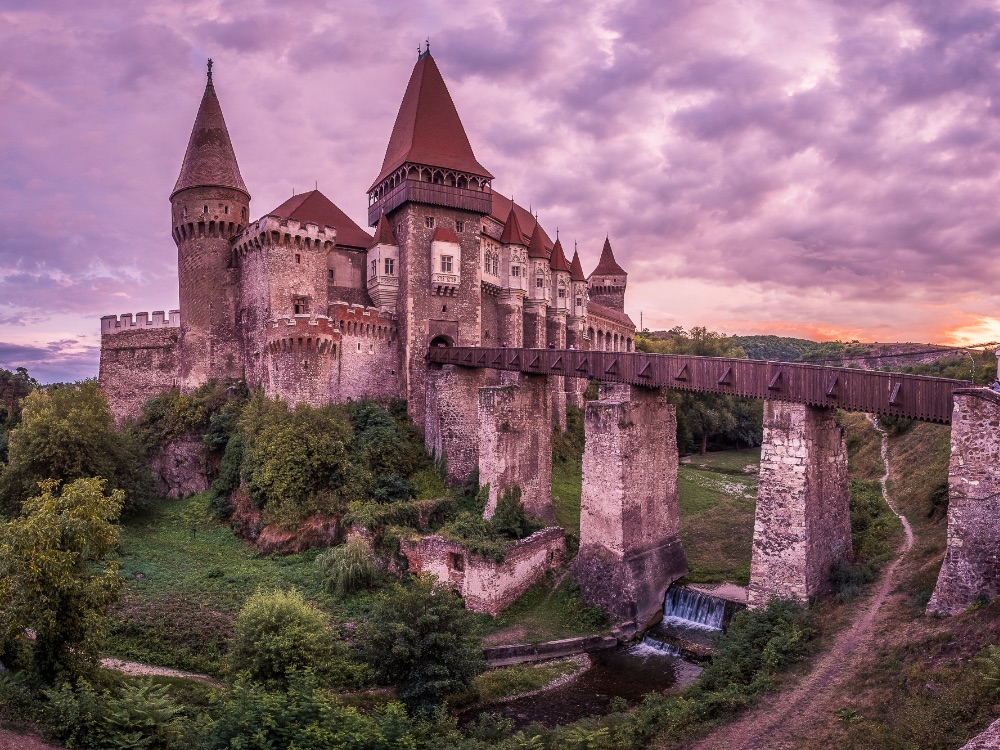
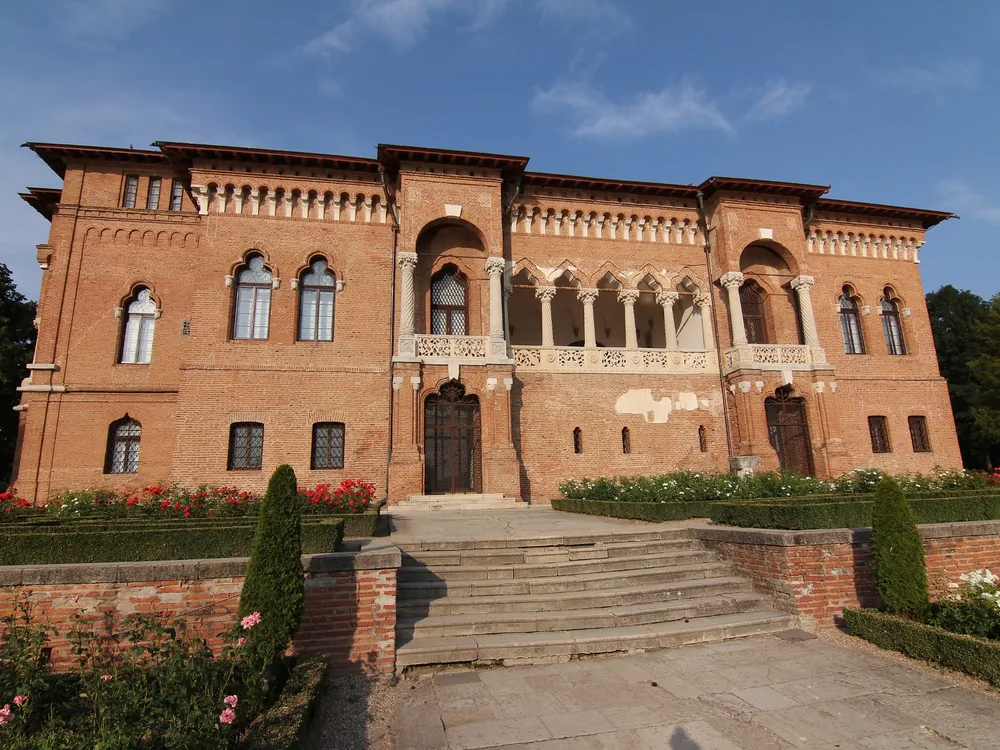
Nearby Castles
Tours & Tickets
Powered by GetYourGuide
From
€34/ person