Atholl Palace
Scotland · Perth and Kinross — Pitlochry · Near Pitlochry
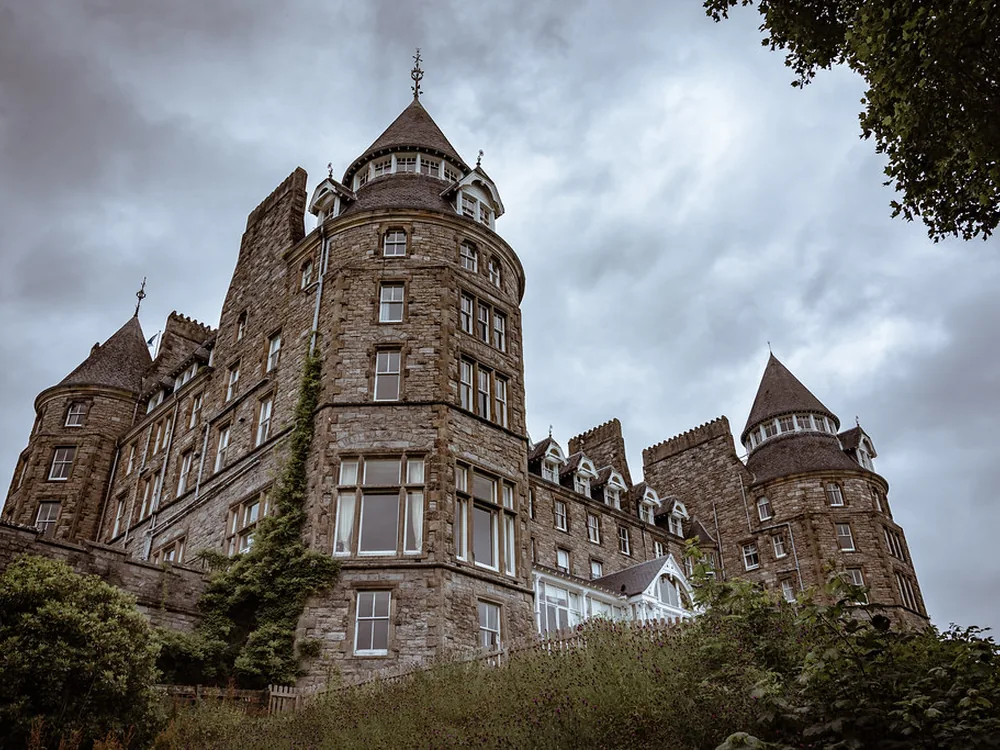
Built 1874 · Grand Victorian hydropathic establishment built 1874–1878 by Perth architect Andrew Heiton Jr., designed for water cures, Turkish baths, and temperance-era wellness — now a country house hotel with an on-site museum in the former servants' wing
This page is part of an independent travel guide and is not affiliated with, endorsed by, or operated by Atholl Palace.
© Castles & Palaces
Quick Facts
- Rooms from
- £140 / night
- Day-visit entry
- £3
- Hotel rating
- ★★★★ 4-Star Hotel
- Duration
- Museum visit: 30–45 minutes; overnight hotel stay separately bookable
- Best time
- Year-round for the museum
- Nearest city
- Pitlochry
Stay Here
The Atholl Palace
★★★★ 4-Star HotelRooms are within the historic castle building itself
Booked via Booking.com · Cancellation terms vary by rate
Atholl Palace Museum (Victorian spa/Turkish baths) open to the public without booking a room — see Highlights above
Highlights
- ✦Built 1874–1878 as the Athole Hydropathic, one of the grand Victorian 'hydros' built for water-cure treatments, Turkish baths, and the temperance principles fashionable among the Victorian middle and upper classes
- ✦Designed by Andrew Heiton Jr., the same Perth architectural family responsible for Fonab Castle elsewhere in Pitlochry — built at a scale requiring 150 workers and four years to complete
- ✦Sold in 1886 to Perth businessman William MacDonald, and later, between 1940 and 1945, home to Cambridge's evacuated Leys School, converted into a military hospital housing 168 boys
- ✦The Atholl Palace Museum, opened following the most extensive restoration in the property's history after Castle Collection's 2001 purchase, uncovered the original Victorian spa and Turkish baths in the basement — now the museum's centrepiece
- ✦One of the largest Scottish castle hotels in room count, with 107 bedrooms plus self-catering lodges, apartments, and 10 function suites across the estate
Stay in the castle itself
Book a room via Booking.com
Atholl Palace occupies a striking position above Pitlochry, and its origins have nothing to do with the aristocratic country house tradition that produced most of Scotland's castle hotels. It was built between 1874 and 1878 as the Athole Hydropathic — one of the grand Victorian 'hydros' that spread across Britain in the second half of the 19th century, institutions built around the fashionable belief in water cures, therapeutic bathing, and a broader temperance-era ethos of wellness through abstinence and regimen rather than indulgence. The Perth architect Andrew Heiton Jr. designed the building at genuinely institutional scale: construction required around 150 workers and took four years, producing a building substantial enough to house the treatment facilities, communal spaces, and guest accommodation a hydropathic establishment of this ambition demanded.
The Athole Hydropathic's own operating history under its founders was relatively brief. The property was sold in 1886 to William MacDonald, a Perth businessman, beginning a long period of change in ownership and function that would eventually take the building far from its original therapeutic purpose. Its most unusual chapter came during the Second World War, when between 1940 and 1945 the building housed the evacuated Leys School from Cambridge, converted for the duration into a military hospital accommodating 168 boys — a use that, like Fonab Castle's Red Cross hospital service in the same town during the First World War, reflects how thoroughly large country houses and institutional buildings across Britain were repurposed for wartime medical and educational needs.
The modern era of Atholl Palace began in 2001, when Castle Collection purchased the property and undertook what the current owners describe as the most extensive restoration in the building's history. That restoration had an unexpected archaeological payoff: work in the basement uncovered the original Victorian spa facilities and Turkish baths, largely intact beneath later alterations, along with other physical traces of the building's hydropathic origins. Rather than simply restoring these spaces for private hotel use, the owners converted them into the Atholl Palace Museum, telling the story of the building's transformation from Victorian water-cure institute to country house hotel, using the excavated spa and bath spaces as its centrepiece.
The museum operates independently of an overnight stay: it is open to day visitors for a modest £3 admission (children under 16 free, and hotel guests admitted at no additional charge), with opening hours running daily from 10am to 5pm. This makes Atholl Palace one of the more accessible Scottish castle-hotel properties for visitors who simply want to see inside a piece of Victorian institutional architecture without committing to a room. The museum sits within the former servants' wing of the hotel, a detail that itself says something about the social structure a Victorian hydropathic establishment of this scale required to operate.
Today's hotel is large by the standards of Scotland's castle-hotel sector: 107 bedrooms, supplemented by self-catering lodges and apartments scattered across the estate grounds, plus 10 function suites that make Atholl Palace a significant events and wedding venue as well as a leisure hotel. The estate's award-winning gardens — including a dedicated kitchen and herb garden and a Japanese garden — along with the nearby Black Spout Waterfall, extend the property's appeal well beyond the museum and the guest rooms themselves, and afternoon tea in the hotel's lounge is a popular way for day visitors to extend a museum trip into a fuller half-day out.
History
The Athole Hydropathic was built between 1874 and 1878 by the Perth architectural firm associated with Andrew Heiton Jr., part of the wider Victorian boom in hydropathic institutions built around water-cure treatments, Turkish baths, and temperance-era wellness principles. Construction employed around 150 workers over four years, reflecting the scale of the ambition. The property was sold in 1886 to William MacDonald, a Perth businessman, beginning several decades of changing ownership. Its most distinctive historical episode came during the Second World War, when between 1940 and 1945 the building was requisitioned to house the evacuated Leys School from Cambridge, converted into a military hospital for the duration and accommodating 168 boys. Castle Collection purchased the property in 2001 and undertook the most extensive restoration in its history, in the process uncovering the original Victorian spa and Turkish bath facilities in the basement — structures that now form the centrepiece of the on-site Atholl Palace Museum.
How to Stay
Getting there: Pitlochry, Perth and Kinross.
Rooms & rates: All 106 en-suite rooms are within the original 1870s building, spread across its upper three floors — no separate wings or annexes.
On-site: The Atholl Palace Museum (the restored Victorian spa and Turkish baths in the basement), landscaped grounds.
Good to know: As a large Victorian building without a modern extension, room character varies a lot floor to floor — worth checking specific room photos before booking if a particular style matters to you.
Combine with: Fonab Castle's spa and Loch Faskally, both a short walk from central Pitlochry.
Frequently Asked Questions
Yes. The Atholl Palace Museum is open daily from 10am to 5pm, with admission of £3 for non-resident adults and free entry for children under 16; hotel guests are admitted at no additional charge. The museum occupies the former servants' wing of the hotel and centres on the original Victorian spa and Turkish bath facilities uncovered during the 2001 restoration, telling the story of the building's transformation from a 19th-century hydropathic institute to today's hotel.
Location
Atholl Road, Pitlochry PH16 5LY, Scotland
Nearby Castles
Rooms from
£140/ night