
The Black Watch Castle and Museum
Caisteal an Fhrìth Dhuibh
Scotland · Perth and Kinross · Near Perth
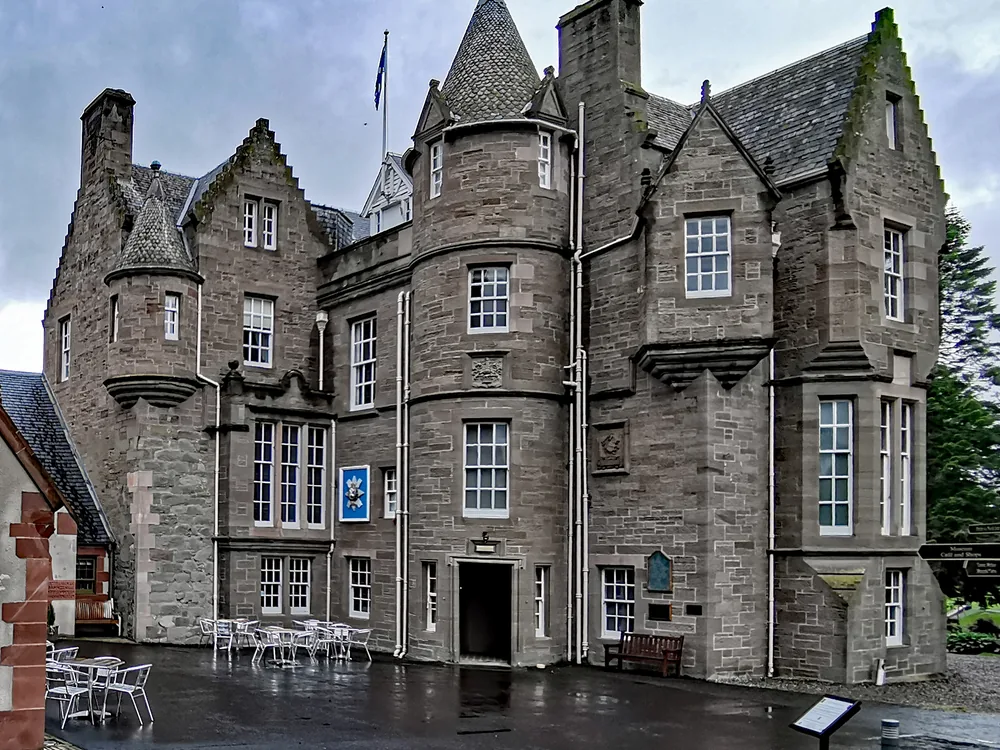
16th century · 16th-century tower house with substantial 19th-century additions and Baronial-style remodeling; the original Balhousie Castle core dates to the early 1500s, with the present castellated exterior resulting primarily from Victorian restoration work; the castle has served since 1962 as the permanent home of the Black Watch Regimental Museum, which occupies the main building and houses a collection spanning nearly three centuries of continuous regimental service from 1739 to the present
This page is part of an independent travel guide and is not affiliated with, endorsed by, or operated by The Black Watch Castle and Museum.
© Castles & Palaces
Quick Facts
- Hours
- Mon–Sat 09:30–16:30. Sun 11:00–16:30
- Entry via GetYourGuide
- €15
- Duration
- 1.5–2 hours
- Best time
- Year-round
- Nearest city
- Perth
Featured Tour
Perth: The Black Watch Castle and Museum Entry Ticket
Cancellation available · Instant confirmation
Highlights
- ✦The Black Watch (Royal Highland Regiment) was raised in 1739/1740 specifically to police the Highlands after the 1715 Jacobite rising — its name comes from both the dark tartan worn and the surveillance role ('watch') assigned to these independent companies; the museum covers the regiment's full evolution from Highlands gendarmerie to one of Britain's most decorated infantry regiments
- ✦The collection includes multiple Victoria Crosses, campaign medals from the Seven Years' War, American War of Independence, Napoleonic Wars, Crimea, both World Wars, Korea, and Afghanistan — nearly three centuries of continuous service compressed into a single building in an accessible provincial Scottish city
- ✦Regimental silver, officers' dress uniforms, and material culture spanning from 18th-century Highland kit to 21st-century operational equipment illustrate how a regiment founded to suppress Highland identity evolved into one of the primary carriers and international symbols of Highland military tradition
- ✦Balhousie Castle itself has 16th-century origins and stands in a residential Perth neighbourhood — a more intimate setting than the big Scottish heritage circuit castles, which gives the visit an unhurried quality that allows the museum content to be absorbed properly
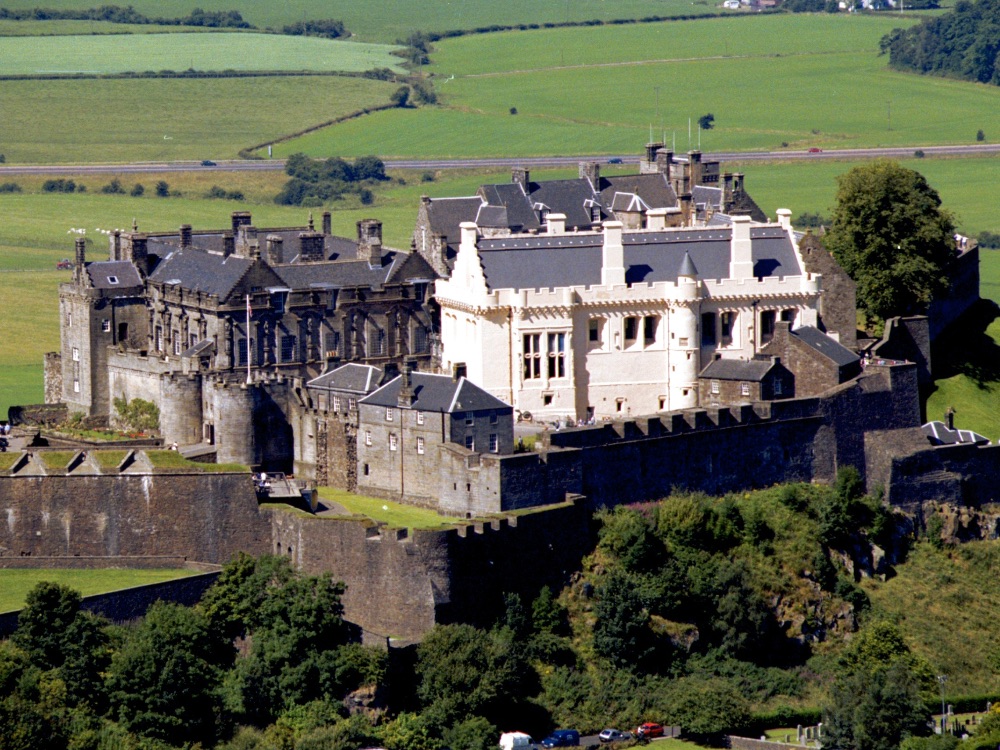
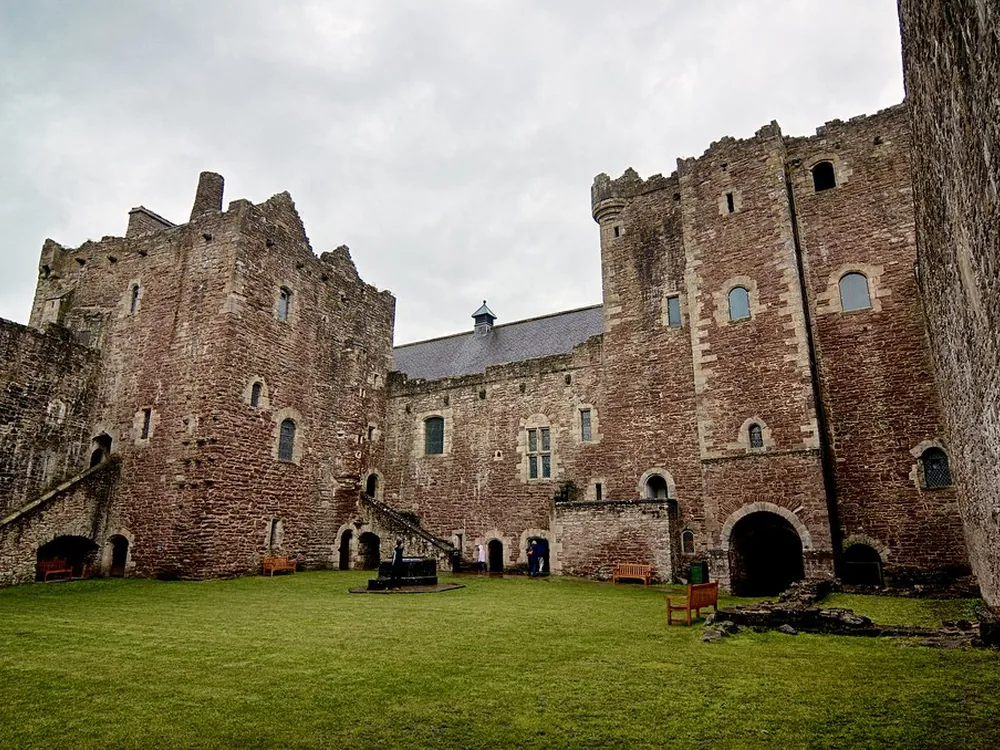
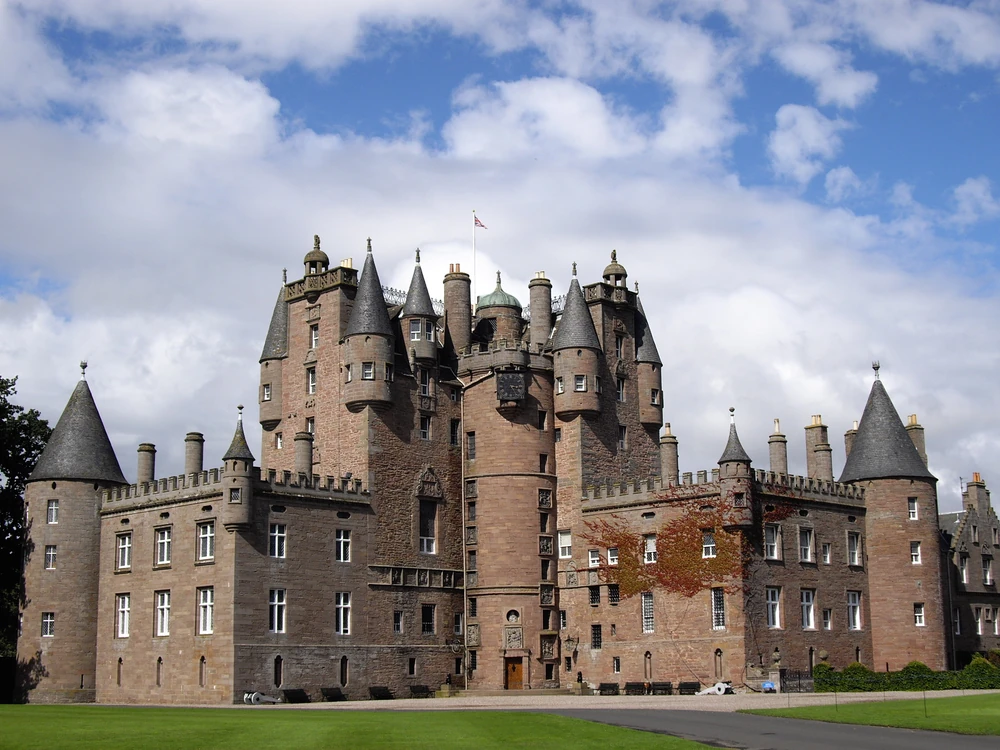
- ✦Located in the same region as Stirling Castle, Doune Castle, and Glamis Castle, this is a natural and undervisited addition to the central Scotland castle circuit for anyone with an interest in military history or Highland regimental culture
Skip the queue with a guided tour
Skip-the-line tickets & expert guides
The name 'Black Watch' requires some unpacking before the regiment and its museum can be understood. When independent Highland companies were raised in the 1720s and formalised into a regiment in 1739 and 1740, their specific assignment was surveillance: policing the Highlands in the aftermath of the failed 1715 Jacobite rising, watching the movements of disaffected clans and reporting potential insurgency to Hanoverian authorities. The 'watch' in the name referred to this literal observation role. The 'black' came from the dark tartan adopted for the companies — a deliberate contrast with the red coats of the regular British army, intended to allow the companies to pass as ordinary Highlanders in territory where a red coat would signal outsider status immediately.
This origin is worth dwelling on because it establishes the central irony of the regiment's subsequent history. A regiment created to suppress Highland identity and police the clansmen in the interests of Hanoverian stability eventually became one of the primary international symbols of Highland military culture and the embodiment of the romantic Scottish warrior tradition that 19th-century novelists and Queen Victoria would celebrate and the world would adopt as Scotland's defining image. The arc from Hanoverian constabulary to Highland cultural ambassador runs through nearly three centuries of military service and is the underlying story of the museum at Balhousie Castle.
The regiment's battle honours tell most of that story efficiently. The Black Watch fought in the Seven Years' War — at Ticonderoga in 1758, suffering casualties that earned recognition even in defeat. They served in the American War of Independence, fighting in the campaigns that ended British colonial authority on the eastern seaboard. The Napoleonic Wars brought the regiment to the Peninsula and Waterloo. The Crimean War added further honours. The First World War — Neuve Chapelle, the Somme, Passchendaele — resulted in the highest casualty rates in the regiment's history, with battalions effectively destroyed and rebuilt multiple times across four years of Western Front warfare. The Second World War took the Black Watch from the Western Desert to Normandy to Germany. Korea followed, then Northern Ireland, then Iraq and Afghanistan. The accumulation of campaign service across nearly 300 years is comprehensively documented in the museum's medal and document collection.
The Victoria Crosses in the collection are the most visually dramatic objects on display, but the broader collection — regimental silver, dress uniforms, personal letters, and photographs — tells the human story alongside the institutional one. Scottish regimental museums tend to preserve material culture that army regimental headquarters in England often discarded, and the Black Watch collection has benefited from this Scottish institutional habit of keeping things. The result is a museum where the evolution from 18th-century Highland kit (the belted plaid, the broadsword, the dirk) to 21st-century operational equipment can be traced through actual objects rather than replicas, and where individual soldiers' stories emerge alongside the larger regimental narrative.
Balhousie Castle itself is a 16th-century tower house substantially remodeled in the Victorian Baronial style — the castellated exterior seen today is primarily 19th-century work on earlier fabric. The castle stands in a residential area of Perth, between the North Inch park and the town centre, in a setting that feels genuinely domestic compared to the theatrical highland-landscape settings of better-known Scottish castles. This is both a practical virtue (Perth is a functional small city with good transport links to Edinburgh, Glasgow, and Stirling) and an interpretive one: the museum's collection of military history rewards unhurried attention, and the absence of tour groups and coachloads means a visit here often has the quality of exploring something genuinely undiscovered.
For the central Scotland castle circuit, the Black Watch Museum slots naturally between Stirling Castle to the southwest (less than an hour's drive) and Glamis Castle to the northeast (similar distance). Stirling Castle covers the medieval and royal history of the Scottish crown; Glamis provides the romantic Baronial country-house experience with genuine royal connections; Doune Castle, between Perth and Stirling, is the ruined medieval fortress most familiar from its use as a film location. The Black Watch Museum adds the military and regimental dimension to this triangle, covering a strand of Scottish history — the Highland regiment tradition — that neither of the other sites addresses directly.
The GetYourGuide entry ticket covers full museum access. Perth city centre is compact enough that the museum visit can be combined with a walk along the Tay and lunch in the city without the need for a car.
Black Watch regimental identity is built on specific material culture that the museum preserves with care. The Sutherland tartan — the regimental tartan, a dark blue-green weave understated by Highland tartan standards — appears throughout the collection on uniforms spanning three centuries. The regimental march, 'The Highland Laddie,' can be heard in archive recordings. The specific battle honours painted on drums and carried on colours are documented from the regiment's first engagements in the 1740s through its last operational deployments in Afghanistan, creating a continuous thread of institutional identity across an unusually long period of continuous service. For visitors interested in how military institutions construct and transmit identity through dress, music, honours systems, and shared narrative, the Black Watch Museum offers a more coherent and accessible collection than most large national military museums, because it covers one institution across a single continuous history rather than trying to represent the full range of military activity.
The museum's collection is particularly strong on the two World Wars, where the Black Watch's casualty rates on the Western Front and in the Western Desert were severe enough to require multiple rebuilds of the regimental rolls. Letters, diaries, photographs, and operational maps from individual soldiers in these campaigns give the institutional history a human dimension that medals and honours boards alone cannot provide. Perth as a city has its own claims on the visitor's attention — the river Tay frontage, the medieval city layout, and the position as gateway to Highland Perthshire — and the museum visit slots naturally into a broader Perth itinerary without requiring it.
History
Balhousie Castle has 16th-century origins as a tower house, with the present castellated exterior resulting from Victorian Baronial-style remodeling. The castle became the permanent home of the Black Watch Regimental Museum in 1962. The Black Watch itself was raised as independent Highland companies from 1725, formally constituted as a regiment in 1739/1740, and served continuously from the Jacobite-era Highlands through the Seven Years' War, Napoleonic Wars, both World Wars, Korea, and Afghanistan, accumulating nearly three centuries of campaign honours before amalgamation into the Royal Regiment of Scotland in 2006 as 3rd Battalion (3 SCOTS).
How to Visit
Getting there: Balhousie Castle is on Hay Street in Perth, a 15-minute walk from Perth railway station. Perth is accessible from Edinburgh (1.5 hours by train), Glasgow (1 hour), and Inverness (2 hours). Street parking is available in the residential streets around the castle.
Tickets: GetYourGuide entry ticket covers full museum access. Walk-up entry also available during opening hours.
Visit length: 1.5–2 hours for a thorough visit. The collection rewards slow looking — allow enough time to read the personal documents and campaign diaries alongside the medals and uniforms.
Practical tips: Allow 1.5–2 hours for the visit.
Combine with: Stirling Castle (45 min southwest), Doune Castle (40 min southwest), and Glamis Castle (45 min northeast) make natural same-day or same-trip pairings for a central Scotland castle circuit.
Frequently Asked Questions
The Black Watch was raised in the 1720s–1740s to police the Scottish Highlands after the 1715 Jacobite rising. The 'watch' referred to its surveillance role — literally watching for signs of Jacobite activity. The 'black' came from the dark tartan worn by the companies, which allowed them to move through Highland territory without immediately being identified as soldiers. The regiment evolved far beyond this policing role, fighting in campaigns from the Seven Years' War to Afghanistan, but the original name stuck.
Location
Balhousie Castle, Hay Street, Perth PH1 5HR, Scotland
Nearby Castles
Tours & Tickets
Powered by GetYourGuide
From
€15/ person