
Dundonald Castle
Dundonald Castle
Scotland · South Ayrshire · Near Dundonald
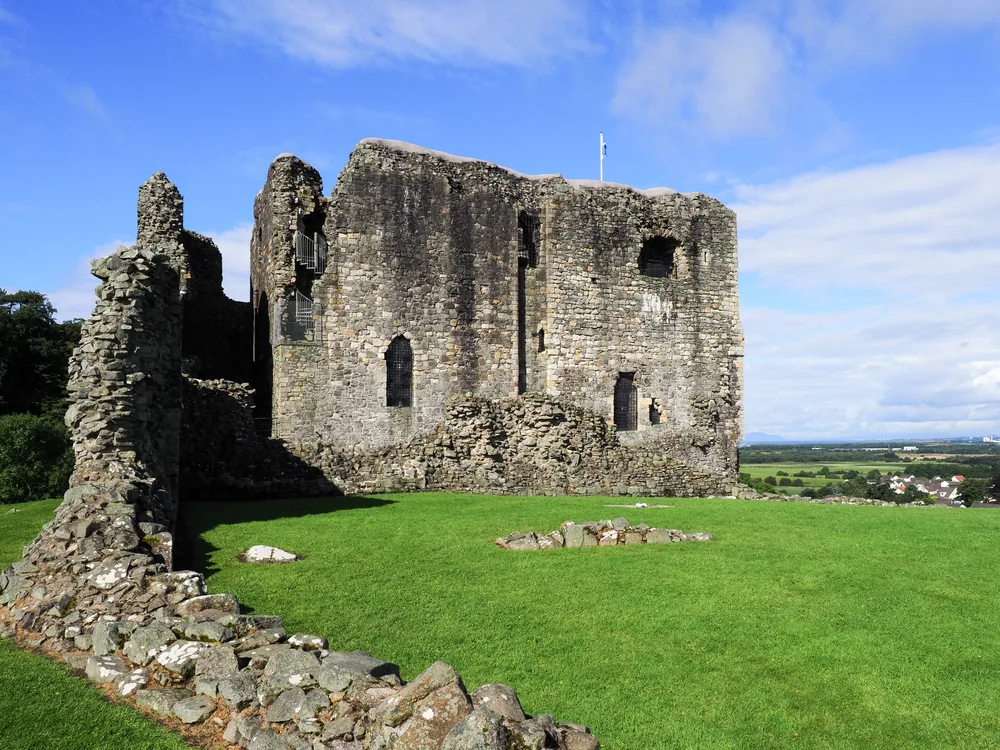
Built 1371 · Scottish tower house and medieval keep built in the 1370s on a hilltop site occupied since the Iron Age, constructed or substantially enlarged by Robert II — the first king of the Stewart dynasty — as his principal residence at the moment of his coronation and the Stewarts' ascension to the Scottish throne; the tower house remains a substantial ruin whose walls and vaulted basement survive to considerable height above the surrounding Ayrshire countryside
This page is part of an independent travel guide and is not affiliated with, endorsed by, or operated by Dundonald Castle.
© Castles & Palaces
Quick Facts
- Hours
- Daily 10:00–16:00
- Entry via GetYourGuide
- €29
- Duration
- 2–3 hours
- Best time
- May to September
- Booking
- Required — book 2+ days ahead
- Nearest city
- Dundonald
Featured Tour
Dundonald Castle: Entry Ticket, Guided Tour & Light Lunch
Cancellation available · Instant confirmation
Highlights
- ✦The ancestral seat of the House of Stewart: Robert II — the first Stewart king of Scotland, crowned in 1371 — built or substantially enlarged this castle and held court here at the moment the Stewarts took the Scottish throne, starting the royal line that would eventually unite the crowns of Scotland and England
- ✦An intimate guided experience unlike any mainstream Scottish castle visit — limited to just 8 participants per tour, making Dundonald one of the most personal historical experiences in Ayrshire and a genuine contrast to the large-group visits at Edinburgh or Stirling
- ✦The tour package includes entry to the visitor centre museum, a guided walk through the castle ruin, and a light lunch — a complete half-day rather than a straight ticket
- ✦A hilltop site with over 3,000 years of human occupation: the castle tower stands on ground that hosted Iron Age settlements, timber halls of early medieval lords, and multiple stone buildings before Robert II's 14th-century construction
- ✦Currently a new listing on GetYourGuide without a public review trail yet — which makes it the kind of discovery worth making early, before the crowds that eventually follow coverage of genuinely good small-group heritage experiences
Skip the queue with a guided tour
Skip-the-line tickets & expert guides
On a modest hill above the South Ayrshire countryside, about 7 kilometres from the coast at Troon, stands a ruin that carries one of the most specific and consequential addresses in Scottish history. Dundonald Castle was the favoured seat of Robert II — the first king of the House of Stewart, the royal dynasty that would eventually produce Mary Queen of Scots, James VI of Scotland (James I of England), and the entire Stuart line that reshaped British history until 1714. When Robert II was crowned in 1371, marking the Stewarts' ascension after the extinction of the Bruce line, Dundonald was where he held court. The castle is not famous in the way that Edinburgh or Stirling are famous. It should be.
The site has been occupied for far longer than the medieval stonework suggests. Archaeological evidence places human activity on this hill from the Iron Age onward — a hilltop controlling the wide plain between the Ayrshire coast and the interior was a logical place for settlement across many thousands of years. Timber halls of early medieval lords preceded the stone buildings; the earliest surviving masonry dates from the 12th century, when the site began its progression from local stronghold toward something more consequential.
Robert Stewart — later Robert II — was the son of Walter Stewart, High Steward of Scotland, and Marjorie Bruce, daughter of Robert the Bruce. The combination of Stewart administrative authority and Bruce dynastic legitimacy made Robert the natural heir when King David II died without children in 1371. He was already 54 years old at his coronation — an unusually late start for a medieval king — and his reign, which lasted until 1390, was dominated by the challenge of establishing a new dynasty in a kingdom that had spent decades fighting for its independence and then watching its legitimate royal line end. Dundonald was his base during this consolidation; the castle he built or enlarged here reflects the functional requirements of a king who needed a defensible, comfortable, and symbolically appropriate court residence rather than a purely military fortification.
The tower house that survives today is a substantial ruin: walls of considerable thickness, a vaulted basement (the most intact part of the structure), and enough height to give a real sense of the original building's ambition. The Stewart kings did not hold Dundonald forever; subsequent centuries saw the castle pass through the Cochrane, Wallace, and Montgomery families as its political importance faded and the Scottish court moved to grander and more central residences. By the 17th century it was already a ruin, and it remained so as the surrounding Ayrshire landscape transformed from a landscape of competing lordships into the agricultural and industrial country it is today.
The modern visitor experience at Dundonald is organised around what the castle does best: intimacy and specificity. The guided tour is deliberately small — maximum 8 participants — which makes it one of the most personal historical experiences currently available at a Scottish castle. The group moves through the visitor centre museum (which contextualises the site's 3,000 years of occupation and the particular significance of the Stewart moment), walks the castle ruin with a live English-language guide, and concludes with a light lunch included in the ticket price. The whole experience runs 2–3 hours and feels nothing like the large-group, self-guided format of Scotland's most visited heritage sites.
Dundonald is currently a new listing on GetYourGuide with no public review trail — which tells you something about where it sits in the mainstream tourism circuit. The South Ayrshire countryside does not attract the volume of visitors that the Highlands or Edinburgh do, and Dundonald itself is not a household name. That is part of what makes it worth visiting now, before any significant profile change. The castle's historical claims are as specific and verifiable as those of much more famous sites; the experience is simply quieter, smaller, and more personal.
History
The hill at Dundonald has been occupied since the Iron Age. The earliest stone castle was probably 12th century, with subsequent buildings reflecting changing noble ownership. The defining moment in the castle's history came in 1371 when Robert II — the first king of the House of Stewart — came to the throne and made Dundonald his principal residence, building or substantially enlarging the tower house that survives as a ruin today.
After Robert II's death in 1390 at Dundonald (he died here, adding a final biographical footnote), the castle passed through several Ayrshire noble families — the Cochranes, Wallaces, and Montgomeries — and gradually fell from political significance as the Stewart court consolidated around Edinburgh and Stirling. By the 17th century the castle was already ruinous. Conservation work and the opening of a modern visitor centre have made Dundonald publicly accessible as a heritage site, with guided tours running from late spring through summer.
How to Visit
Getting there: Dundonald is approximately 7 km east of Troon and 20 km south of Kilmarnock in South Ayrshire. By car from Ayr (15 minutes) or Kilmarnock (20 minutes) it is straightforward; bus services run from Kilmarnock and Troon to the Dundonald village, from where the castle is a short uphill walk. Day trips from Glasgow (50 km, about 50 minutes by road) are entirely practical.
Booking: Tours must be booked in advance — maximum 8 participants per group. The GetYourGuide ticket (from £33) includes museum access, the guided castle tour, and a light lunch. Book at least 2 days ahead.
Best time: May to September, when tours operate. The Ayrshire countryside in late spring and early summer gives the site its best light and weather — though the hilltop can be exposed in any season.
Tickets: Walk-up entry €33 adult, €0 child. The GetYourGuide tour — Dundonald Castle — offers a guided visit; book in advance.
Practical tips: May to September. Book at least 2 days ahead.
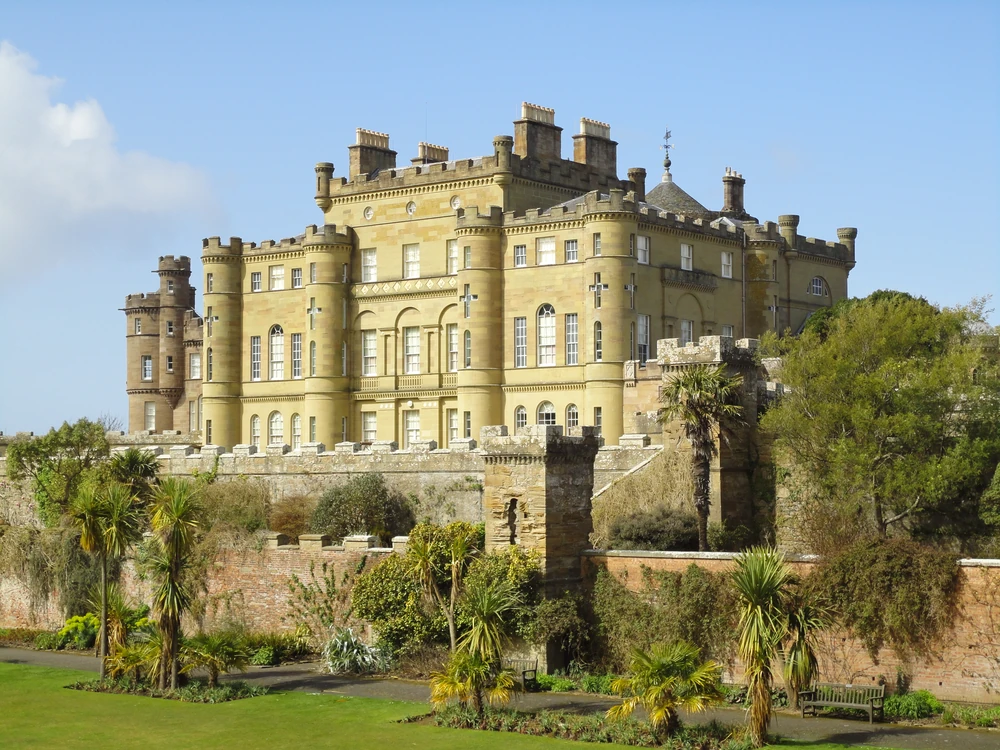
Combine with: Culzean Castle (25 km south, National Trust for Scotland, dramatically positioned on a coastal cliff) for a Ayrshire castle double-header, or the Robert Burns Birthplace Museum in Alloway (15 km south of Dundonald) for a day covering two of South Ayrshire's most historically specific sites.
Frequently Asked Questions
Robert II — the first king of the House of Stewart, crowned in 1371 — built or substantially enlarged Dundonald Castle and held court here after his coronation. He was also born at Dundonald and died here in 1390. The Stewarts were the royal dynasty that ruled Scotland from 1371 until the Union of 1603, after which James VI of Scotland became James I of England, beginning the Stuart line that shaped British history until 1714. Dundonald is the castle most directly associated with the dynasty's founding moment.
Location
Dundonald, South Ayrshire KA2 9HD, Scotland, UK
Nearby Castles
Tours & Tickets
Powered by GetYourGuide
From
€29/ person