
Maglič Fortress
Tvrđava Maglič
Serbia · Ibar Valley, Raška District · Near Kraljevo, Ibar Valley
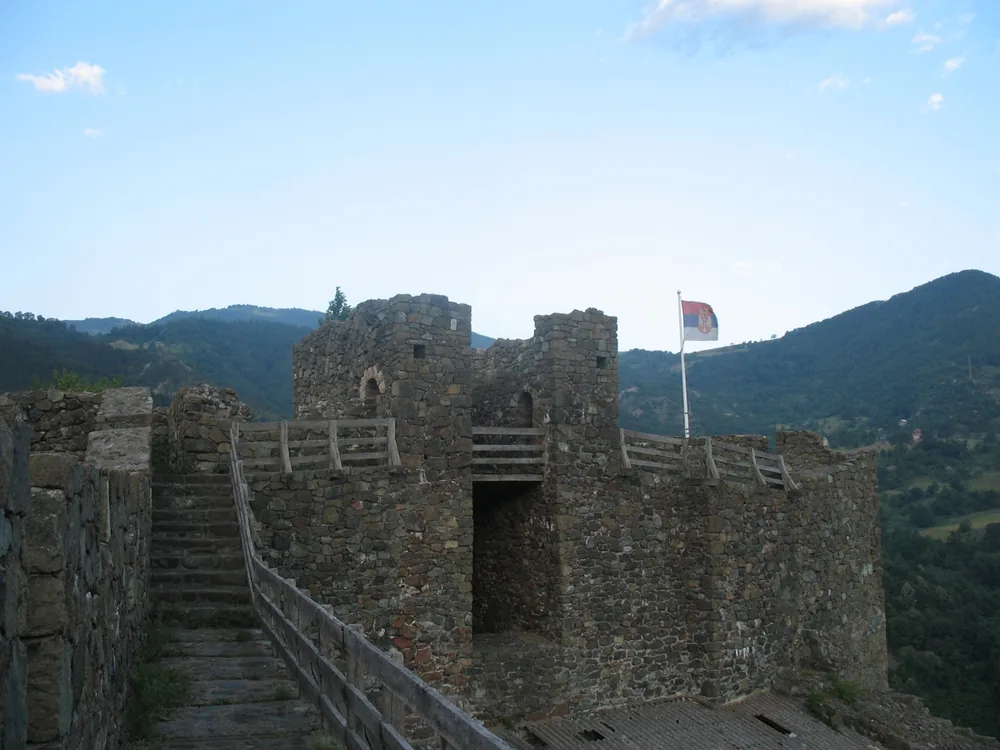
Built 1230 · 13th-century Serbian medieval fortress built on a rocky outcrop above the Ibar River gorge during the Nemanjić dynasty, the ruling house of medieval Serbia; the fortress was constructed to guard the river approaches to the royal monasteries of the region, particularly Studenica and Žiča, which the Nemanjić kings used as dynastic burial and coronation sites; well-preserved walls, towers, and gate structures survive; the fortress is named from the Serbian word 'magla' (fog/mist), referring to the river gorge below which is frequently shrouded in atmospheric conditions; reached via guided tours from Zlatibor, Užice, or Belgrade
This page is part of an independent travel guide and is not affiliated with, endorsed by, or operated by Maglič Fortress.
© Castles & Palaces
Quick Facts
- Hours
- Daily By guided tour
- Day trip from
- €146
- Duration
- 2 hours at Maglič (part of a 12-hour day tour)
- Best time
- May to October
- Booking
- Required — book 2+ days ahead
- Nearest city
- Kraljevo, Ibar Valley
Featured Tour
From Zlatibor/Uzice: Valley of the Kings — Žiča, Maglič & Studenica
Cancellation available · Instant confirmation
Highlights
- ✦The name Maglič derives from the Serbian word 'magla' (fog, mist) — the rocky Ibar gorge below the fortress is frequently filled with morning mist, giving the ruins a dramatic atmospheric setting that distinguishes this site from most Balkan medieval fortresses
- ✦The fortress was built in the 13th century during the reign of the Nemanjić dynasty — medieval Serbia's royal house, which produced Stefan Nemanja (founder), Stefan the First-Crowned (first king), and Saint Sava (founder of the Serbian Orthodox Church and one of the Balkans' most venerated saints) — to guard the roads and river routes to the dynasty's most important monasteries
- ✦The region's 'Valley of the Kings' identity comes from the concentration of Nemanjić royal monuments: Žiča Monastery (royal coronation site, 13th century) and Studenica Monastery (UNESCO World Heritage, the greatest Romanesque-Byzantine monastery in Serbia) are both nearby stops on the same day tour
- ✦The GetYourGuide tour includes a dedicated 2-hour guided visit to Maglič Fortress — confirmed via full tour itinerary; this is a genuine stop, not a drive-by — as part of a 12-hour day trip from Zlatibor or Užice covering Žiča Monastery, Maglič, and Studenica Monastery
- ✦Maglič is one of the best-preserved medieval fortresses in Serbia despite limited tourism infrastructure — the walls, towers, and gate survive in good condition on their rocky cliff, and the views from the fortress walls over the Ibar gorge are among the most dramatic in the region
Skip the queue with a guided tour
Skip-the-line tickets & expert guides
The name is the first thing to understand about Maglič Fortress. In Serbian, magla means fog or mist, and the Ibar River gorge below the fortress is frequently filled with it — particularly in the early morning, when the cold air off the river meets the warmer air above and settles into the canyon as a thick, slow-moving mist that the fortress walls rise above. The atmospheric effect this produces, with the medieval towers emerging from grey-white fog over a deep river gorge, is as close to a cinematic medieval setting as any site in Serbia achieves. The name is not romantic invention: it is an accurate description of the specific meteorological character of this specific stretch of the Ibar valley.
The fortress was built in the 13th century during the Nemanjić dynasty, the ruling house that unified the Serbian lands in the 12th century and held them through the medieval period until the Ottoman expansion of the 14th and 15th centuries ended their authority. The Nemanjić kings were not only political rulers but active builders of the Orthodox Christian culture that defined medieval Serbian identity: Stefan Nemanja, the dynasty's founder, established the first major Serbian monasteries; his son Stefan the First-Crowned became Serbia's first crowned king; his other son Rastko became Saint Sava, the founder of the Serbian Orthodox Church and the most venerated figure in Serbian religious history. The dynasty's monuments — monasteries, frescoed churches, fortified palaces — are concentrated in the Raška region south of the Ibar, and the fortress at Maglič was built to guard the approaches to this royal heartland.
The strategic function of Maglič was river control. The Ibar was the main north-south corridor through the central Serbian highlands, and whoever controlled the gorge's narrow passages controlled movement through the region. The Nemanjić kings had built their most important monasteries — Studenica to the south, Žiča to the north — in positions that required the Ibar valley to remain secure. Maglič sat above the river on a rocky outcrop that made it difficult to approach and relatively easy to defend, commanding a bend in the gorge where the river was narrowed between steep canyon walls. Troops stationed here could observe and challenge traffic along the Ibar road far below.
The fortress walls, towers, and main gate survive in good condition — Maglič is one of the better-preserved medieval fortresses in Serbia, despite being relatively unknown outside the country and lacking the tourist infrastructure of the more prominent Danube fortress sites at Belgrade, Golubac, Smederevo, and Ram. The preservation reflects both the quality of the original construction — local stone, competent masonry — and the relative inaccessibility that limited later occupation and modification. There are no major later additions, no Ottoman rebuilding of significance, and no 19th-century romantic restoration. What survives is close to what the Nemanjić builders intended.
The day tour context is important to understand before booking. The GetYourGuide tour is a 12-hour journey from Zlatibor or Užice through the Valley of the Kings, covering Žiča Monastery, Maglič Fortress, and Studenica Monastery. The Maglič visit is a confirmed 2-hour guided stop — not a drive-by or a brief roadside view — but it is one of three major sites on a day that also includes two UNESCO-adjacent monasteries of considerable historical significance. The tour is priced accordingly and suits visitors who want to understand the broader Nemanjić landscape rather than those seeking only the fortress.
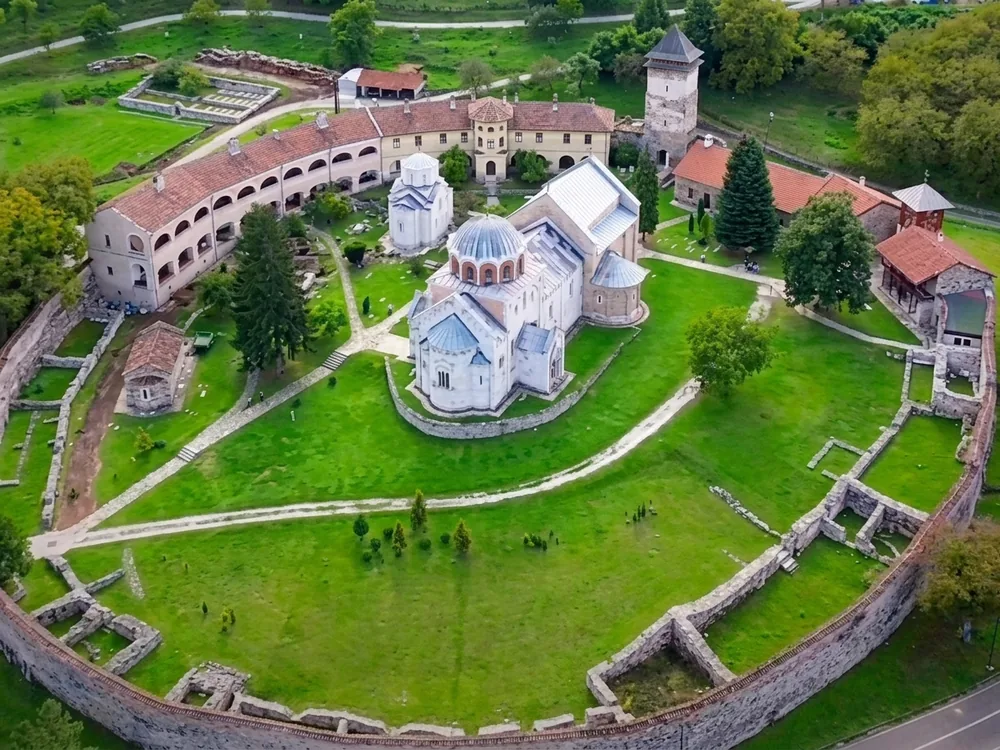
Žiča Monastery, built by Stefan the First-Crowned in the early 13th century, is the site where Serbian kings were crowned for several generations; its distinctive red-painted exterior makes it one of the most visually recognisable monasteries in the Balkans. Studenica, founded by Stefan Nemanja in the late 12th century and expanded by successive Nemanjić rulers, is a UNESCO World Heritage Site for its collection of medieval frescoes and its place as the dynasty's principal burial church. Both are living religious communities as well as heritage sites, and the combination of monastery, fortress, and river gorge landscape gives the Valley of the Kings itinerary a coherent medieval Serbian identity that individual visits to any one site do not provide.
Reaching Maglič independently, without a guided tour, is possible — the fortress is on public land — but the logistics require a car and local navigation knowledge, and the absence of facilities at the site (no café, no toilets, limited signage in English) makes the organised tour the practical choice for most international visitors. The tour departs from Zlatibor, a mountain resort town in western Serbia that serves as a base for exploring this part of the country, or from Užice, the nearest city. From Belgrade, Zlatibor is approximately 2.5 hours by car; direct bus services also operate.
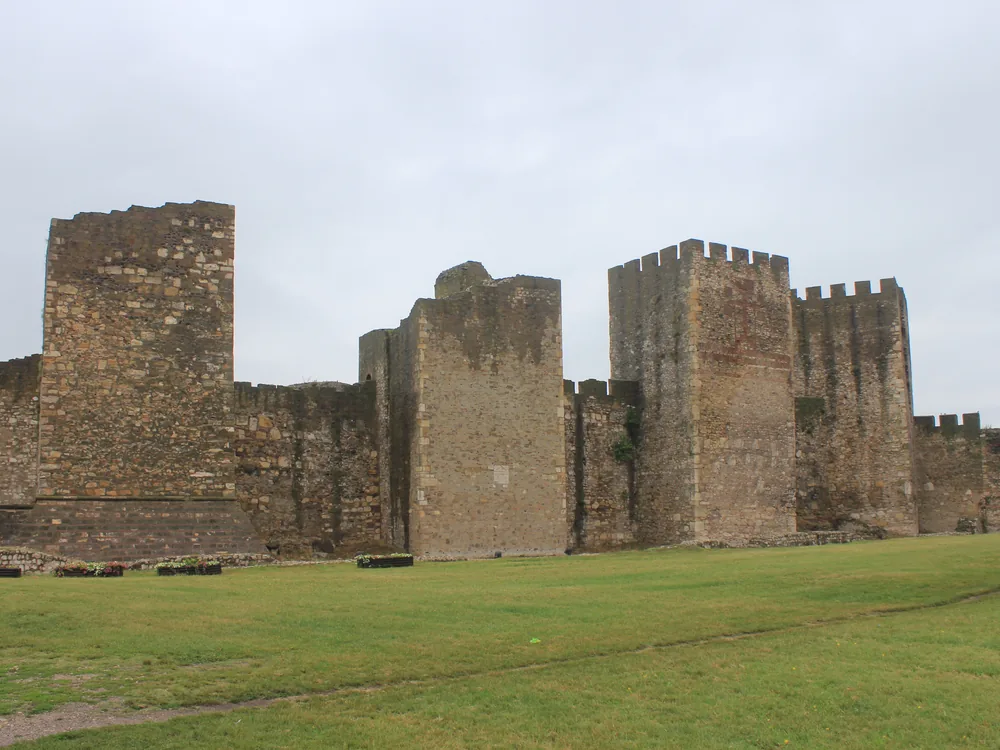
Serbia's four other published fortress sites — Belgrade Fortress, Golubac, Ram, and Smederevo — are all in the Danube region, a different geographic and historical context from the Ibar valley's Nemanjić heartland. Maglič is the site's first entry in the Valley of the Kings area, and visitors interested in medieval Serbian history will find it a genuine complement to the Danube sites: where the Danube fortresses guard the northern border zone, Maglič guards the dynasty's interior religious core.
The Ibar valley road between Kraljevo and Studenica follows the river through a series of gorges and broadening valleys that give the journey its own character independent of the heritage sites. Walnut trees, stone farmhouses, and river-fishing spots line the road in the season when the tour operates, and the drive itself — approximately two hours from Kraljevo to Studenica — is the appropriate pace for understanding the scale and remoteness of the landscape the Nemanjic dynasty chose as its spiritual heartland.
History
Maglič Fortress was built in the 13th century during the Nemanjić dynasty as a strategic river-control fortification above the Ibar River gorge, guarding the approaches to the dynasty's principal monasteries in the Raška region — particularly Studenica Monastery (UNESCO) and Žiča Monastery, both nearby. The fortress takes its name from the Serbian word for fog (magla), describing the mist that frequently fills the Ibar gorge below. The walls, towers, and main gate survive in good condition. The site is now visited primarily via guided day tours from Zlatibor or Užice covering the Valley of the Kings circuit.
How to Visit
Getting there: The GetYourGuide day tour departs from Zlatibor or Užice with pickup available. Independent access requires a car from Kraljevo (approximately 30 km south on local roads to Ušće, then to the fortress). No public transport serves the fortress directly.
Tickets: GetYourGuide Valley of the Kings day tour covers transport, guide, and all three sites (Žiča, Maglič, Studenica). Walk-up access to the fortress grounds may be possible but facilities are minimal.
Visit length: 2 hours at Maglič as part of the 12-hour day tour.
Practical tips: May to October. Book at least 2 days ahead.
Combine with: Žiča Monastery and Studenica Monastery are the two other stops on the same tour. Belgrade Fortress (serbia/belgrade-fortress, if already published) for a Danube contrast to the Ibar valley setting.
Frequently Asked Questions
The GetYourGuide tour includes a confirmed 2-hour guided stop at Maglič Fortress — verified via the full tour itinerary. This is a genuine visit with time to explore the walls, towers, and gorge views, not a roadside photograph. Maglič is one of three major sites on the 12-hour Valley of the Kings tour, alongside Žiča Monastery and Studenica Monastery.
Location
Tvrđava Maglič, near Ušće, 36253 Kraljevo, Serbia
Nearby Castles
Tours & Tickets
Powered by GetYourGuide
From
€146/ person