
Altamira Palace
Palacio de Altamira
Spain · Valencian Community — Alicante Province, Elche (Elx) historic centre · Near Alicante
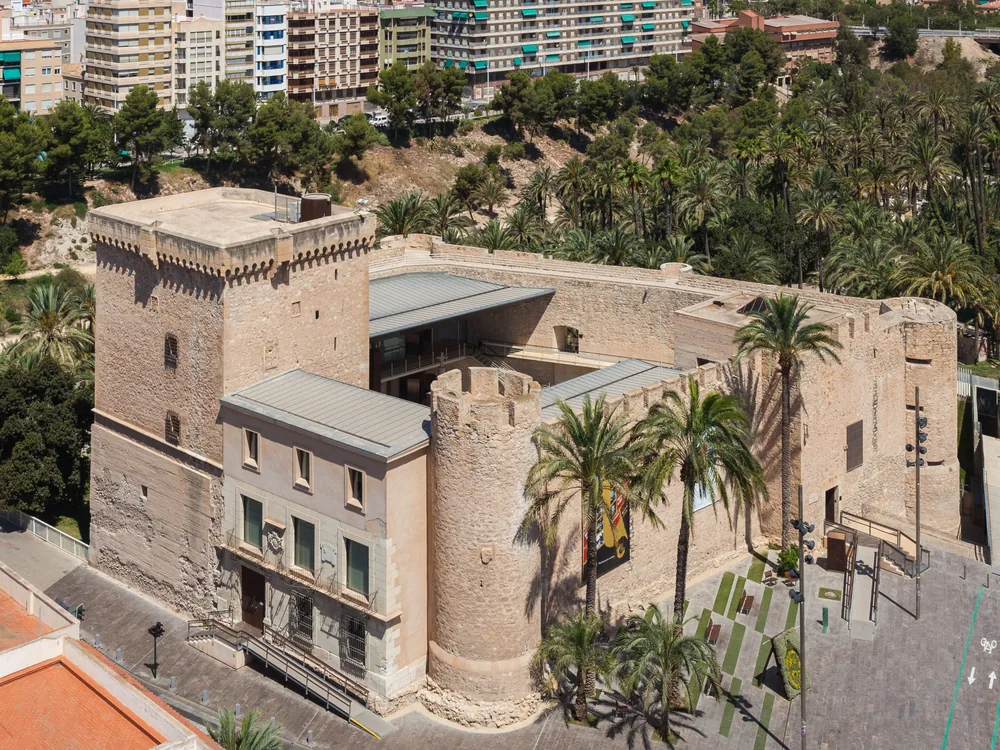
Built 1370 · Medieval fortified palace of the 14th–15th centuries with Renaissance modifications — the Palacio de Altamira originated as a fortified residence integrated into the medieval urban fabric of Elche, associated with the Counts of Altamira, one of the principal aristocratic families of the Valencian nobility; the building evolved from its original late medieval form through significant remodelling in the 15th and 16th centuries as the palace took on its dual function as a noble residence and the seat of local administrative power; the exterior presents a characteristic Valencian late medieval and early Renaissance facade in local stone; the interior courtyard and principal halls were adapted to the representational requirements of a Renaissance aristocratic household; the palace today houses the MAHE (Museu Arqueològic i d'Història d'Elx — Museo Arqueológico e Histórico de Elche), with the archaeological and historical collections distributed across the adapted palace rooms; the medieval and Renaissance structural elements of the building — the courtyard, the vaulted spaces, the tower — are integrated with the museum installation and visible as part of the visit
This page is part of an independent travel guide and is not affiliated with, endorsed by, or operated by Altamira Palace.
© Castles & Palaces
Quick Facts
- Hours
- Tue–Fri 10:00–18:00. Sat & Sun 10:00–14:00. Closed Mon
- Guided tour from
- €65
- Duration
- 1–1.5 hours (MAHE museum collections — archaeology of the Elche area from prehistoric to Islamic periods, Lady of Elche context, Roman Ilici finds, and the medieval palace structure itself)
- Best time
- October to May
- Nearest city
- Alicante
Featured Tour
Elche: Guided Walking Tour of the Historic Centre
Cancellation available · Instant confirmation
Highlights
- ✦The Lady of Elche — the Iberian sphinx whose origins are still contested — the Palacio de Altamira's collections centre on Elche's most famous archaeological find: the Lady of Elche (Dama de Elche), a polychrome Iberian limestone bust discovered in August 1897 at La Alcudia, an Iberian-Roman site on the outskirts of Elche; the bust — probably 4th century BC, representing a high-status Iberian woman in elaborate jewellery and headdress — was sold to the Louvre immediately after its discovery and remained in Paris until 1941, when Franco's government negotiated its return; the original Lady of Elche is now in the Museo Arqueológico Nacional in Madrid, but MAHE holds a museum-quality replica alongside the full archaeological context of La Alcudia, making Elche the place to understand what the Lady of Elche means and where she came from
- ✦Roman Ilici — the buried city beneath modern Elche — the MAHE collections document the Roman city of Ilici, the Roman-era settlement established on and around the earlier Iberian site of La Alcudia, southeast of modern Elche; Ilici was a Roman colonia — a settlement of Roman citizens with full legal status — established in the 1st century BC, and its remains, excavated over more than a century, include Roman baths, mosaics, inscriptions, and material culture now presented in the MAHE collections alongside the earlier Iberian material; the combination of Iberian, Roman, and later Islamic layers in the Elche archaeological record makes the MAHE one of the most multi-layered archaeological museums in the Valencian Community
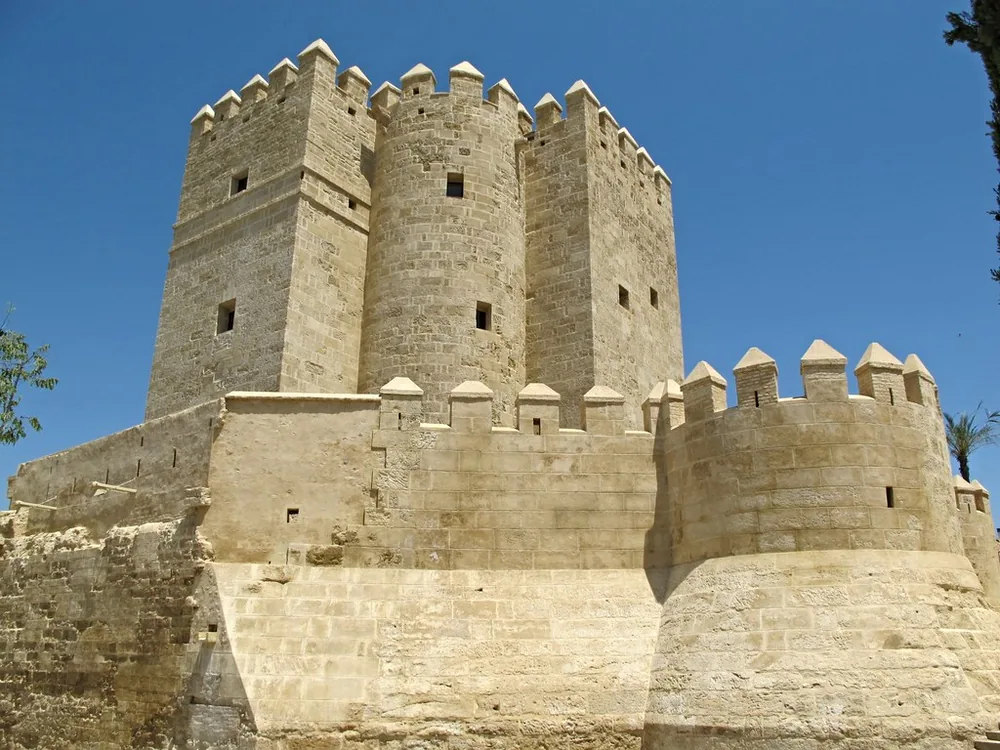
- ✦The medieval palace and its Islamic and Christian heritage layers — the building itself as a historical document — the Palacio de Altamira stands in the historic centre of Elche, within the medieval urban fabric that developed after the Christian reconquest of Elche by James I of Aragon in 1265; the palace's structure documents the transition from the Islamic town — represented by the nearby Calahorra Tower, the oldest surviving monument in Elche — through the medieval and Renaissance Christian city; the palace's adaptation as MAHE gives visitors the unusual experience of encountering a medieval and Renaissance building whose own architectural history forms part of the museum's subject matter
- ✦The GYG walking tour of Elche's historic centre — Altamira and the Calahorra Tower in one circuit — the GYG guided walking tour of Elche's historic centre (t894655) covers both the Palacio de Altamira and the adjacent Calahorra Tower in the same walking circuit, giving visitors both monuments in a single guided visit; the tour places both buildings in the context of Elche's layered historical identity — its Iberian, Roman, Islamic, and Christian periods — with the Calahorra Tower as the oldest surviving monument (12th century, Almohad era) and the Palacio de Altamira as the seat of late medieval and Renaissance Christian authority in the same city
Skip the queue with a guided tour
Skip-the-line tickets & expert guides
The historic centre of Elche holds more layers of history than most Spanish cities are given credit for. The city is known internationally for two things: the Misteri d'Elx (the medieval liturgical drama performed each August, one of the few medieval mystery plays still performed in its original form, and a UNESCO Intangible Cultural Heritage designation) and its date palm grove, the Palmeral d'Elx, the largest palm grove in Europe outside North Africa, itself a UNESCO World Heritage Site. The Palacio de Altamira — now the seat of MAHE, the Museu Arqueològic i d'Història d'Elx — holds the third great element of Elche's identity: the Lady of Elche.
The Lady of Elche (Dama de Elche in Spanish, Dama d'Elx in Valencian) is a limestone bust discovered in 1897 at La Alcudia, an Iberian-Roman site 2km southeast of modern Elche. The bust — probably 4th century BC, most likely representing a high-status Iberian woman in elaborate jewellery and a characteristic headdress with circular disc-shaped ornaments (rodetes) at each side of the face — is the finest surviving example of Iberian figural sculpture and one of the most iconic archaeological objects on the Iberian Peninsula. Its discovery in 1897 immediately attracted international attention; within weeks of its discovery it was purchased for the Louvre, where it remained until 1941, when Francisco Franco's government negotiated its return to Spain as part of a wartime diplomatic arrangement with the Vichy French government. The Lady of Elche now resides in the Museo Arqueológico Nacional in Madrid.
MAHE, housed in the Palacio de Altamira in Elche's historic centre, holds the museum-quality replica of the Lady alongside the full archaeological context of La Alcudia and the Iberian-Roman history of Elche itself. For a visitor trying to understand what the Lady of Elche is, where she came from, and what the Iberian culture she represents was like, Elche — not the Madrid museum — is the essential place to be. The excavations at La Alcudia, conducted since the late 19th century, have produced the materials that explain the Lady: the Iberian settlement, the ritual deposits, the Roman Ilici that succeeded it, and the centuries of accretion that placed a magnificent Iberian bust under the ploughshare of a peasant in 1897.
The Palacio de Altamira itself is a late medieval and Renaissance fortified palace, associated with the Counts of Altamira and the seat of noble power in the Christian city that James I of Aragon established when he took Elche in 1265. The building's adaptation as a museum has preserved its medieval architectural structure — the courtyard, the vaulted spaces, the tower — while distributing the archaeological collections through the adapted rooms. The palace's own building history is part of what the museum documents: a medieval structure in a city whose Islamic past is represented by the Calahorra Tower nearby and whose Iberian and Roman past lies underground at La Alcudia.
The GYG guided walking tour of Elche's historic centre (t894655) covers both the Palacio de Altamira and the Calahorra Tower in the same circuit. The combination of the two monuments gives a visitor the full span of Elche's surviving built heritage: the 12th-century Almohad tower as the oldest standing monument in the city, and the 14th-century Christian palace that succeeded the Islamic administrative order that the tower anchored. Together they document the before and after of the 13th-century reconquest in concrete architectural terms.
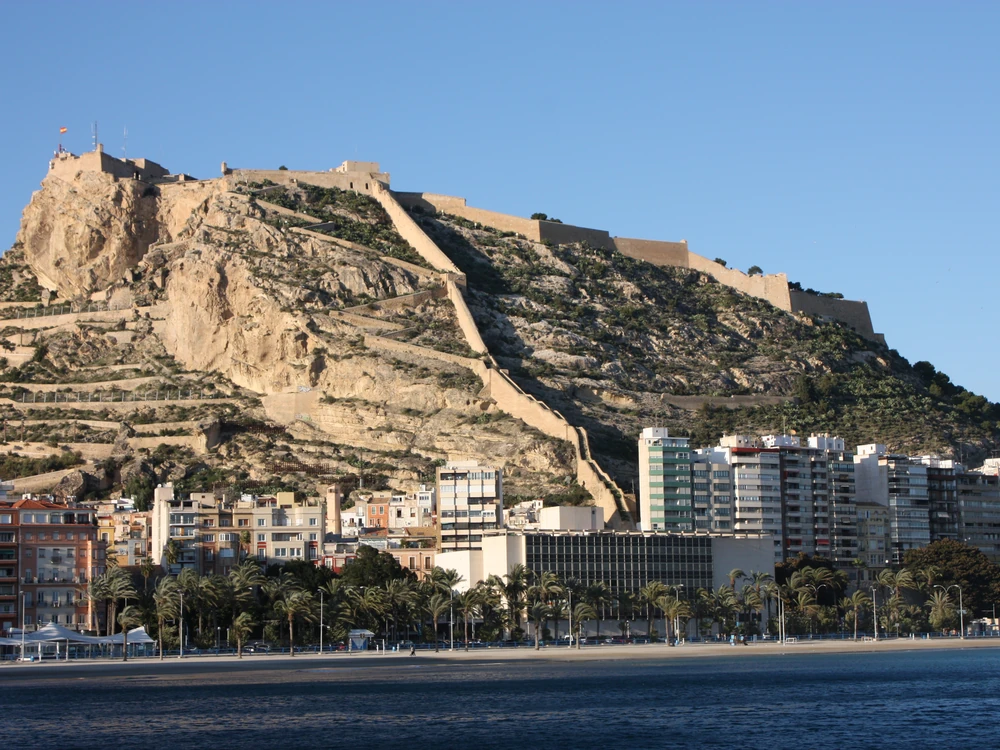
[Calahorra Tower](/castles/spain/calahorra-tower) — the oldest surviving monument in Elche, an Almohad-era tower from the 12th century, the last fragment of the Islamic city walls, and a companion stop on the same GYG walking tour. [Santa Bárbara Castle](/castles/spain/santa-barbara-castle) — the great clifftop fortress above Alicante, 15km to the northeast — extends the Alicante province castle circuit for visitors with a day in the region.
History
Elche was under Islamic rule when the Almohad-era Calahorra Tower was built in the 12th century — the principal surviving monument of the Islamic city. James I of Aragon, the Conqueror, took Elche in 1265 as part of the Christian reconquest of the Valencian region, incorporating it into the Crown of Aragon. The Palacio de Altamira was established in the 14th century as the fortified residence and administrative seat of the Counts of Altamira within the medieval Christian city; it was remodelled with Renaissance elements in the 15th and 16th centuries as the family's status and wealth evolved.
The most internationally significant event in Elche's modern history was the discovery of the Lady of Elche at La Alcudia in 1897 — an Iberian polychrome stone bust of the 4th or 3rd century BC, immediately purchased for the Louvre and kept there until its return to Spain in 1941. The original is now in the Museo Arqueológico Nacional in Madrid.
The Palacio de Altamira was adapted in the 20th century as the seat of MAHE (Museu Arqueològic i d'Història d'Elx), with archaeological collections from La Alcudia and the wider Elche area installed in the adapted palace rooms. The museum is open Tuesday to Sunday, presenting a Lady of Elche replica and the La Alcudia excavation context alongside Roman Ilici and medieval collections.
How to Visit
Getting there: Elche (Elx) is 15 km southwest of Alicante. From Alicante by train, take the Cercanías or FGV line to Elche Parque station (~25 minutes); MAHE is a 10-minute walk through the historic centre. By car via the A-7 motorway, around 20 minutes from Alicante city. MAHE (Palacio de Altamira) is at Plaça de Raval 2 in the heart of the old town.
Tickets: Walk-up entry €5 adult, €2 child. Open Tuesday–Friday 10:00–18:00, Saturday–Sunday 10:00–14:00; closed Monday. No advance booking required. The GYG tour (t894655, from €65) — a 2.5-hour guided walking tour of Elche's historic centre covering both the Palacio de Altamira and the Calahorra Tower with a licensed local guide — book at least a day in advance.
Practical tips: Visit October–May to avoid summer heat in the historic centre; the museum interior is air-conditioned year-round. Allow 1–1.5 hours for the museum alone. The original Lady of Elche is in the Museo Arqueológico Nacional in Madrid — MAHE holds the museum-quality replica and the full La Alcudia excavation context, which is the essential companion to seeing the original.
Combine with: [Calahorra Tower](/castles/spain/calahorra-tower) — 5 minutes on foot through the historic centre, the 12th-century Almohad tower and the oldest monument in Elche, covered on the same GYG walking tour. [Santa Bárbara Castle](/castles/spain/santa-barbara-castle) — the great clifftop fortress above Alicante, 15 km northeast, extends the Alicante province circuit to a full day.
Frequently Asked Questions
No — the original Lady of Elche is in the Museo Arqueológico Nacional in Madrid, where it has been since its return from the Louvre in 1941. MAHE in the Palacio de Altamira holds a high-quality museum replica alongside the full archaeological context of La Alcudia, the Iberian-Roman site where the Lady was discovered in 1897. For a visitor seeking to understand what the Lady of Elche is and where she came from, Elche and MAHE are essential — the replica is museum quality, and the La Alcudia excavation context and the Iberian material culture displayed at MAHE give the bust a depth of meaning that the isolated original in the Madrid museum cannot replicate on its own.
Location
Palacio de Altamira / MAHE, Plaça de Raval, 2, 03202 Elche, Alicante, Spain
Nearby Castles
Tours & Tickets
Powered by GetYourGuide
From
€65/ person