
Castle of la Zuda
Parador de Tortosa (Castillo de la Zuda)
Spain · Tortosa, Province of Tarragona, Catalonia · Near Tarragona
Built 900 · Origins in the 10th century; the name "Zuda" (or "Suda") comes from the Arabic word for "castle" or "fortress"; conquered in 1148, later held by the Knights Templar, and expanded into a royal palace from 1294
This page is part of an independent travel guide and is not affiliated with, endorsed by, or operated by Castle of la Zuda.
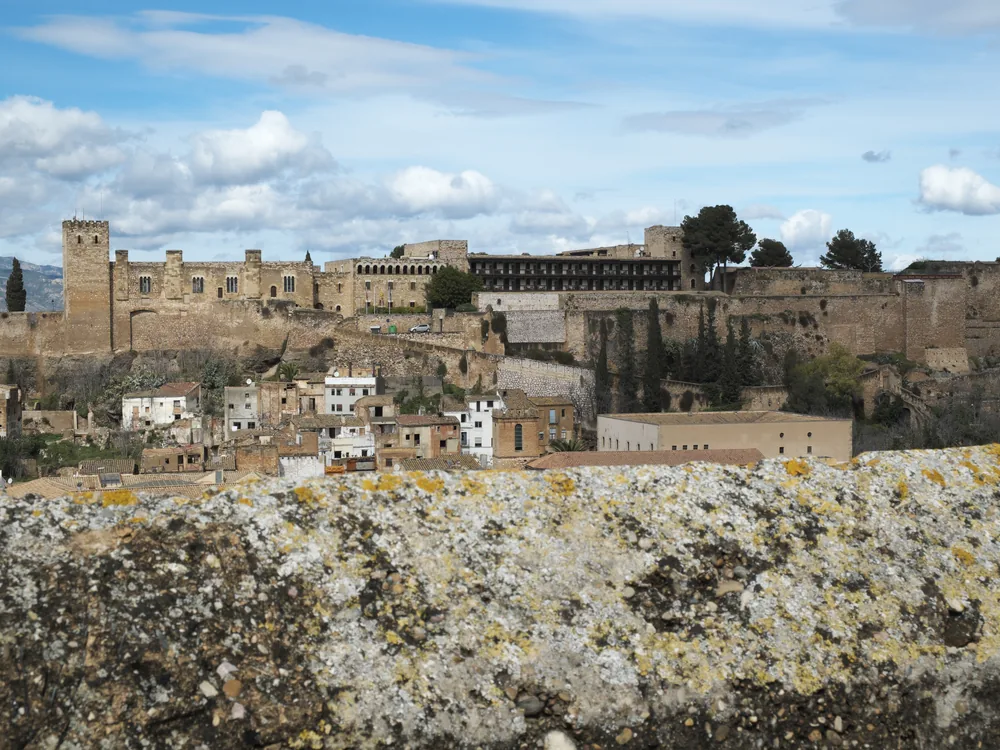
© Castles & Palaces
Quick Facts
- Rooms from
- €122 / night
- Hotel rating
- ★★★★ 4-Star Hotel
- Duration
- Overnight stay only
- Best time
- Year-round
- Nearest city
- Tarragona
Stay Here
Parador de Tortosa
★★★★ 4-Star HotelRooms are within the historic castle building itself
Booked via Booking.com · Free cancellation on most rates
No confirmed independent day-visit product was found; access is primarily for hotel guests.
Highlights
- ✦The fortress was conquered by Ramón Berenguer IV in 1148, later passing to the Knights Templar after being ceded by Alfonso II "the Chaste"
- ✦King James I of Aragon chose it as his favorite residence, planning the conquests of Morella, Peñíscola, and Burriana from here
- ✦From 1294, when Tortosa came under direct crown rule, La Zuda became a royal palace, with new halls and defensive elements added
Stay in the castle itself
Book a room via Booking.com
The fortress of La Zuda was conquered by Ramón Berenguer IV in 1148, later passing to the Knights Templar after being ceded by Alfonso II "the Chaste." King James I of Aragon chose it as his favorite residence, and from here the conquests of Morella, Peñíscola, and Burriana were planned. From 1294, when Tortosa came under direct crown rule, La Zuda became a royal palace, with new halls and defensive elements added.
The Parador de Turismo opened in 1972, giving a new use to much of the old fortress and contributing to its preservation. Today it functions as a magnificent lookout over the Ebro region and Tarragona.
The fortress's Arabic name, "Zuda" or "Suda" (meaning "castle" or "fortress"), preserves a direct linguistic trace of its 10th-century origins predating the Christian reconquest by roughly two centuries.
James I's documented use of La Zuda as a staging point for the conquests of Morella, Peñíscola, and Burriana ties the castle directly to the territorial expansion of the medieval Crown of Aragon.
The castle's position overlooking the Ebro valley gives guests staying at La Zuda sweeping views over one of Catalonia's most significant river landscapes.
History
The fortress of La Zuda, whose Arabic name means "castle" or "fortress," dates to the 10th century. Conquered by Ramón Berenguer IV in 1148, it later passed to the Knights Templar and became a favorite residence of James I of Aragon, who planned the conquests of Morella, Peñíscola, and Burriana from here. From 1294 it functioned as a royal palace under direct crown rule. The Parador de Turismo opened in 1972, preserving much of the old fortress.
How to Stay
Getting there: In Tortosa, Province of Tarragona, Catalonia.
Rooms & rates: Rooms within the former royal fortress; from about €122 per night.
On-site: Restaurant, lookout terrace over the Ebro valley and the city of Tortosa.
Good to know: This was the favorite residence of James I of Aragon, from which the conquests of Morella, Peñíscola, and Burriana were organized — a historically significant detail.
Combine with: Tortosa's cathedral and old town, right at the castle's doorstep.
Frequently Asked Questions
It comes from Arabic and means "castle" or "fortress," reflecting the site's origins in the 10th century.
Location
Castell de la Suda, s/n, 43500 Tortosa, Tarragona, Spain
Nearby Castles

Rooms from
€122/ night